Repair & maintenance guides
Plain-English, step by step, written for owners. Pick your engine to see the guides that apply to it.
144 of 509 guides · page 3 of 6
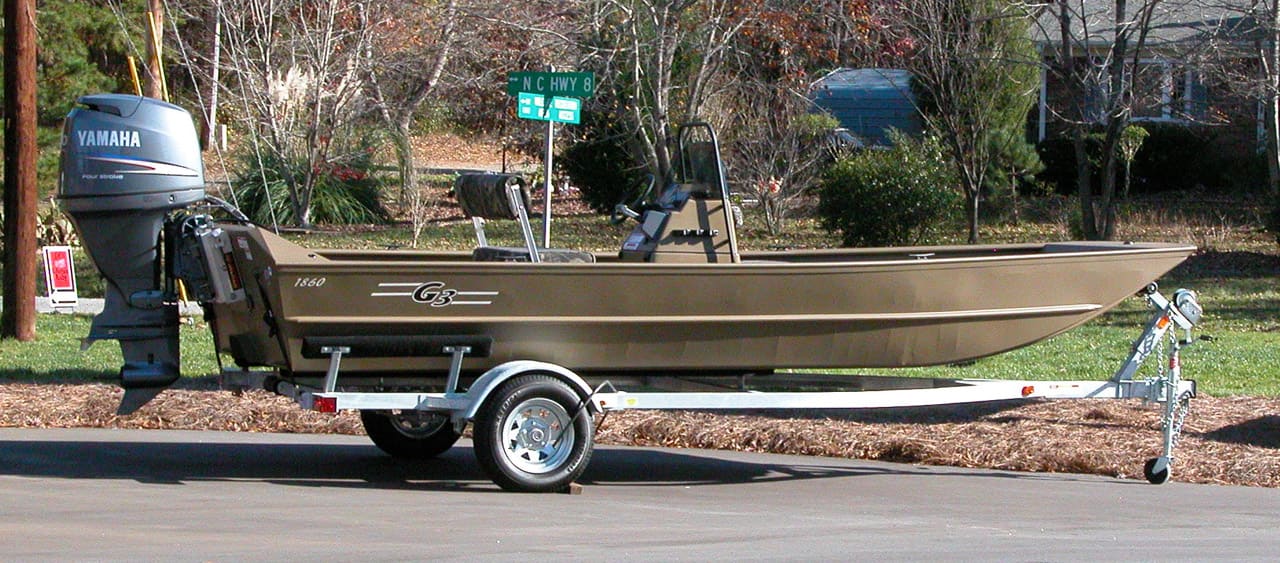
How to Fix a Loose Boat Seat Pedestal, Base or Leaning Post
Find out why seat pedestals and leaning posts work loose, through-bolt the base with a proper backing plate, deal with soft or rotten floor under it, and keep swivels and slides working smoothly so your helm seat stays solid in rough water.
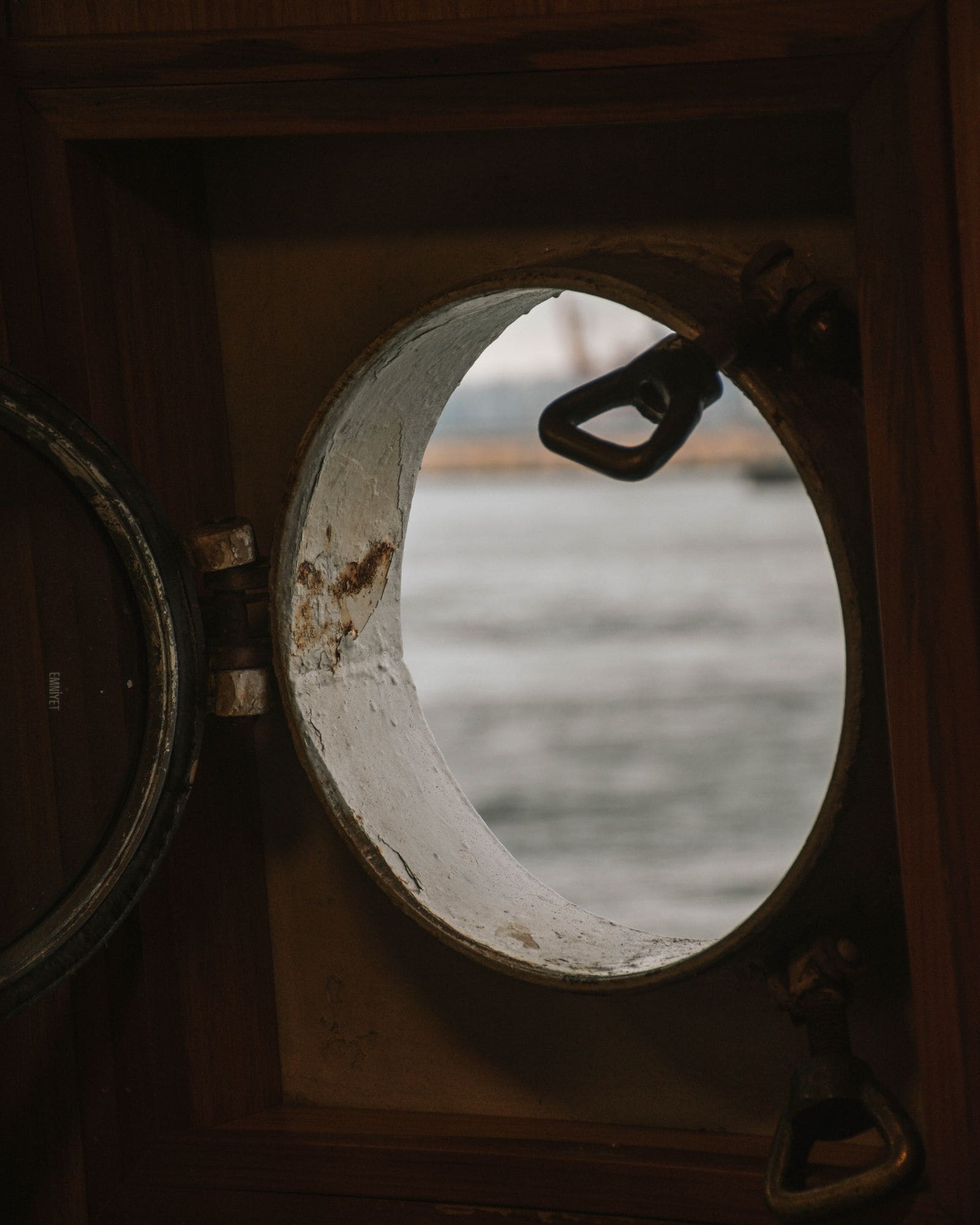
How to Fix Leaking Hatches and Portlights
Find out whether a leaking deck hatch or portlight is failing at the gasket, the lens or the frame, then fix it with the right seal or sealant. Learn when crazed or cracked acrylic needs a new lens and what never to put on plastic windows.
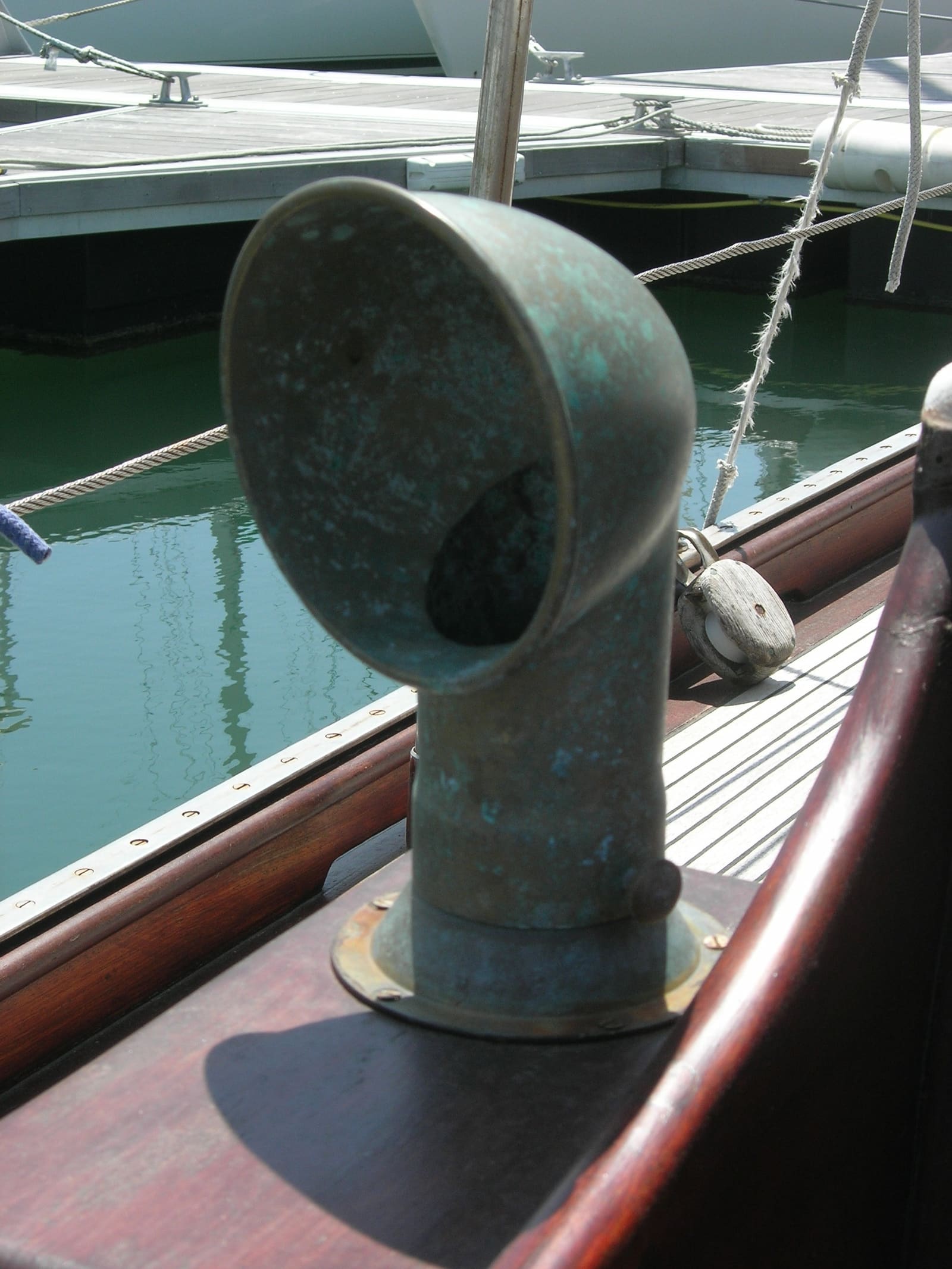
How to Improve Cabin Ventilation with Solar Vents, Dorades and Hatches
Moving air through a closed boat is the cheapest way to stop mold, mildew and musty smells. Learn how much air your cabin needs, where to put intake and exhaust vents, how solar vents and dorade boxes work, and how to add one without letting water in.
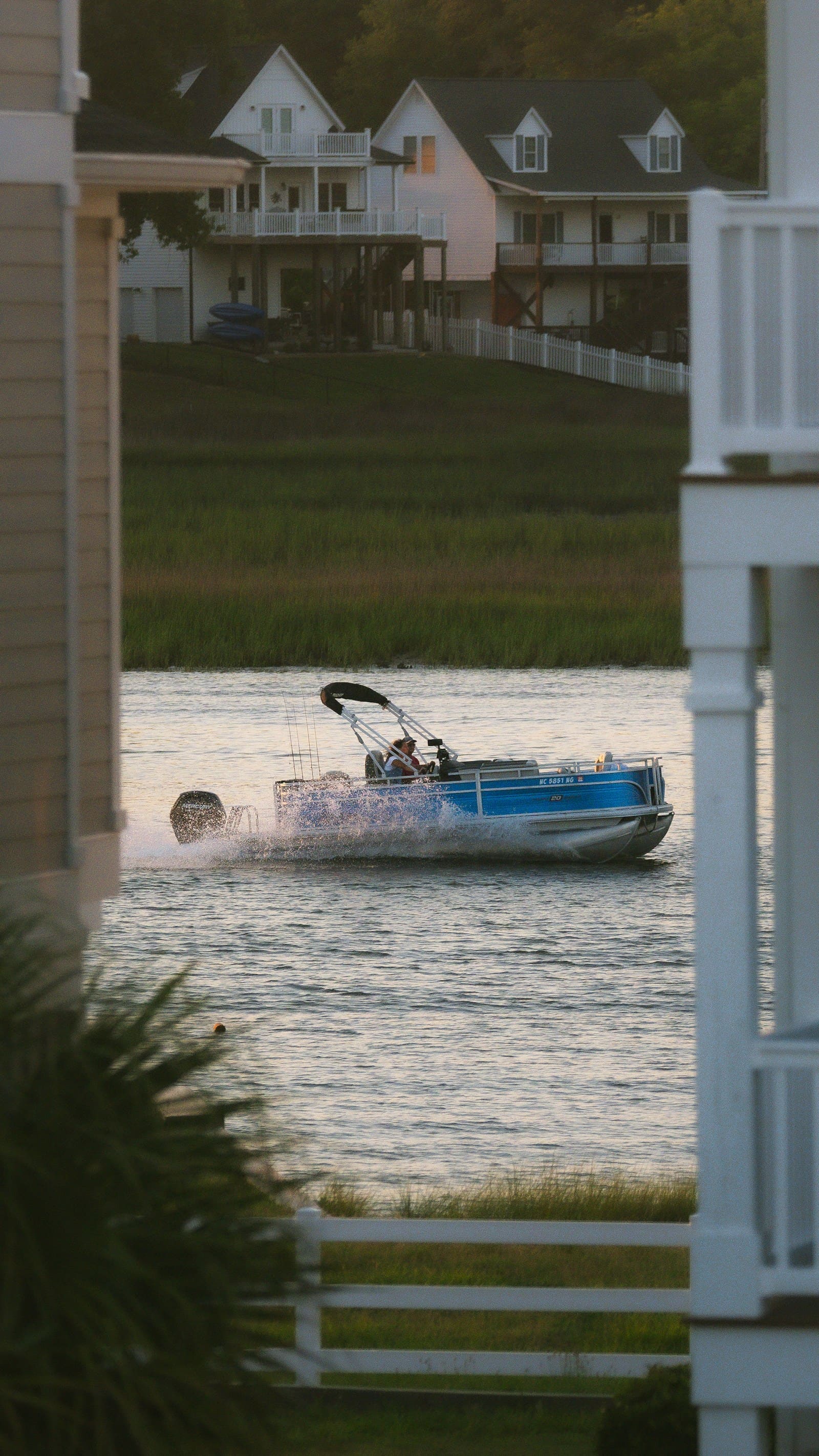
How to Inspect a Pontoon Motor Pod and Transom Bracket for Cracks and Loose Bolts
The aluminum pod or bracket that carries a pontoon's outboard takes every bit of thrust, steering load and trailer bounce. Learn how to find hairline weld cracks, loose or worn bolts, corrosion and flex early, spot the signs of too much motor, and know when the boat needs an aluminum welder or the dealer before it goes back out.
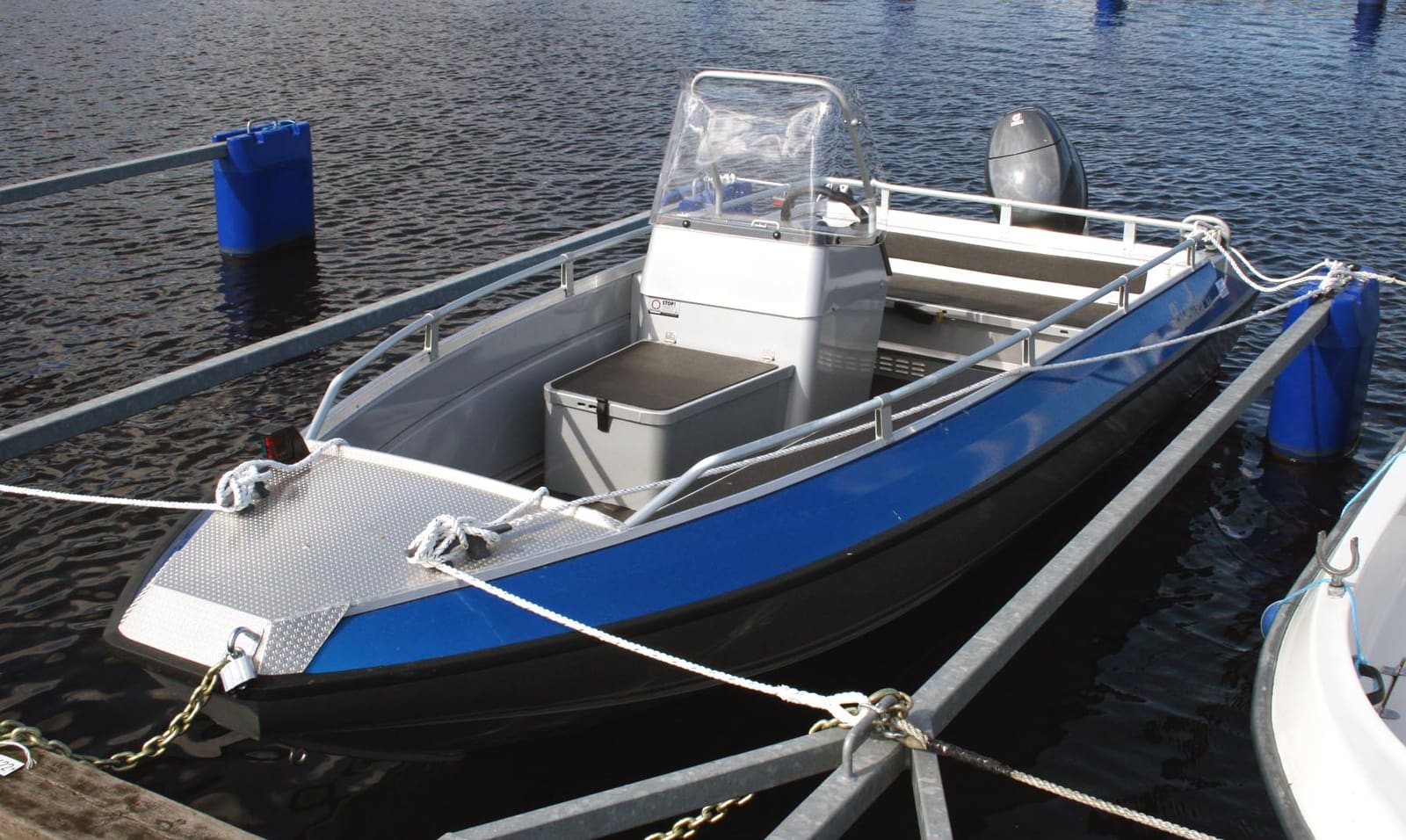
How to Inspect and Clear Cockpit Scuppers and Deck Drains
Most boats that sink at the dock fill up from the top, through clogged scuppers, cracked drain hoses and leaky hatches during a heavy rain. Learn how to trace every drain, clear clogs, check flappers, hoses and clamps, flood-test the cockpit and keep drains working in freezing weather.
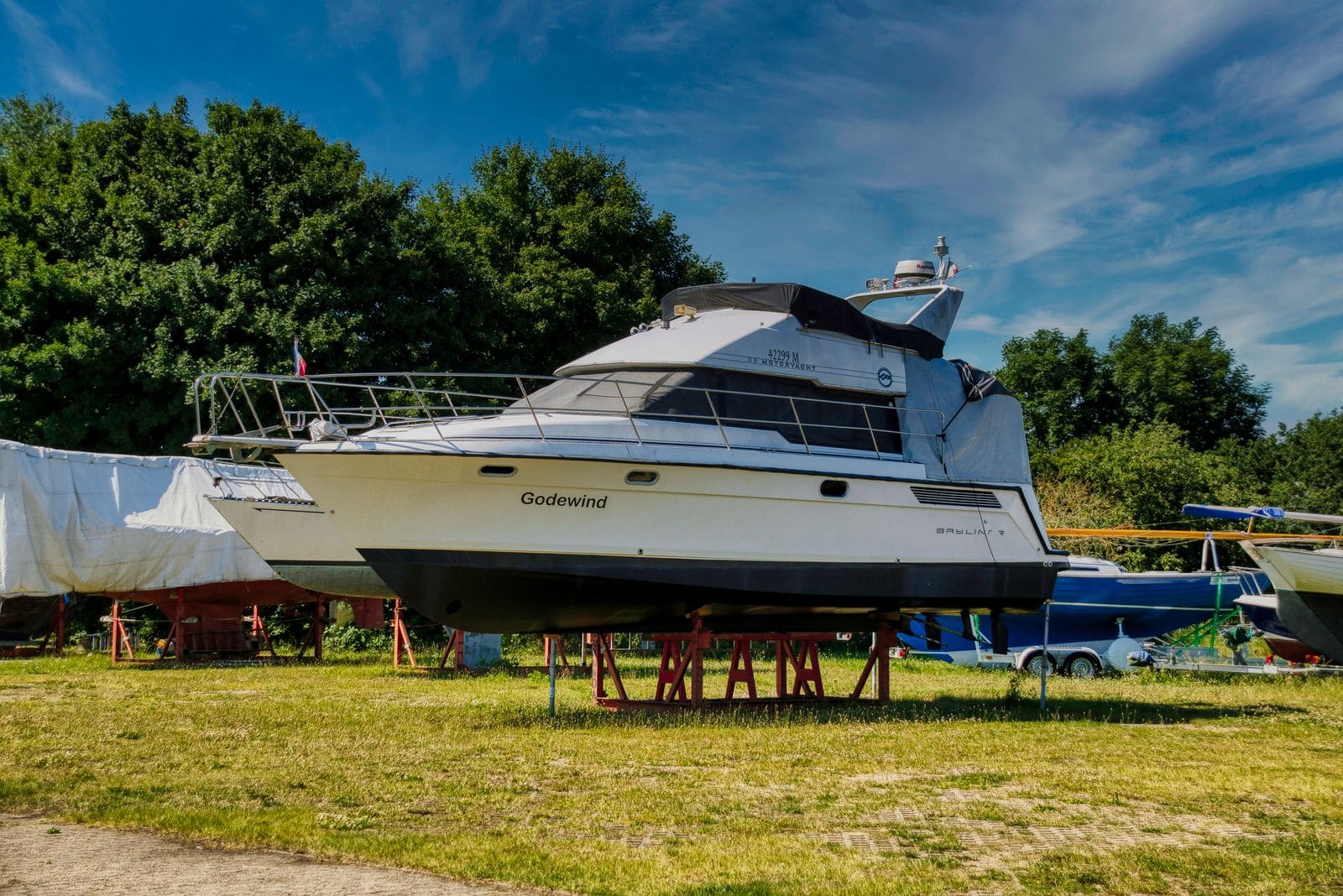
How to Inspect and Exercise Seacocks, Through-Hulls and Hose Clamps
Check every hole in your hull below the waterline, work each seacock open and closed, and inspect the hoses and clamps attached to them. A single failed fitting or hose is one of the most common reasons boats sink at the dock.
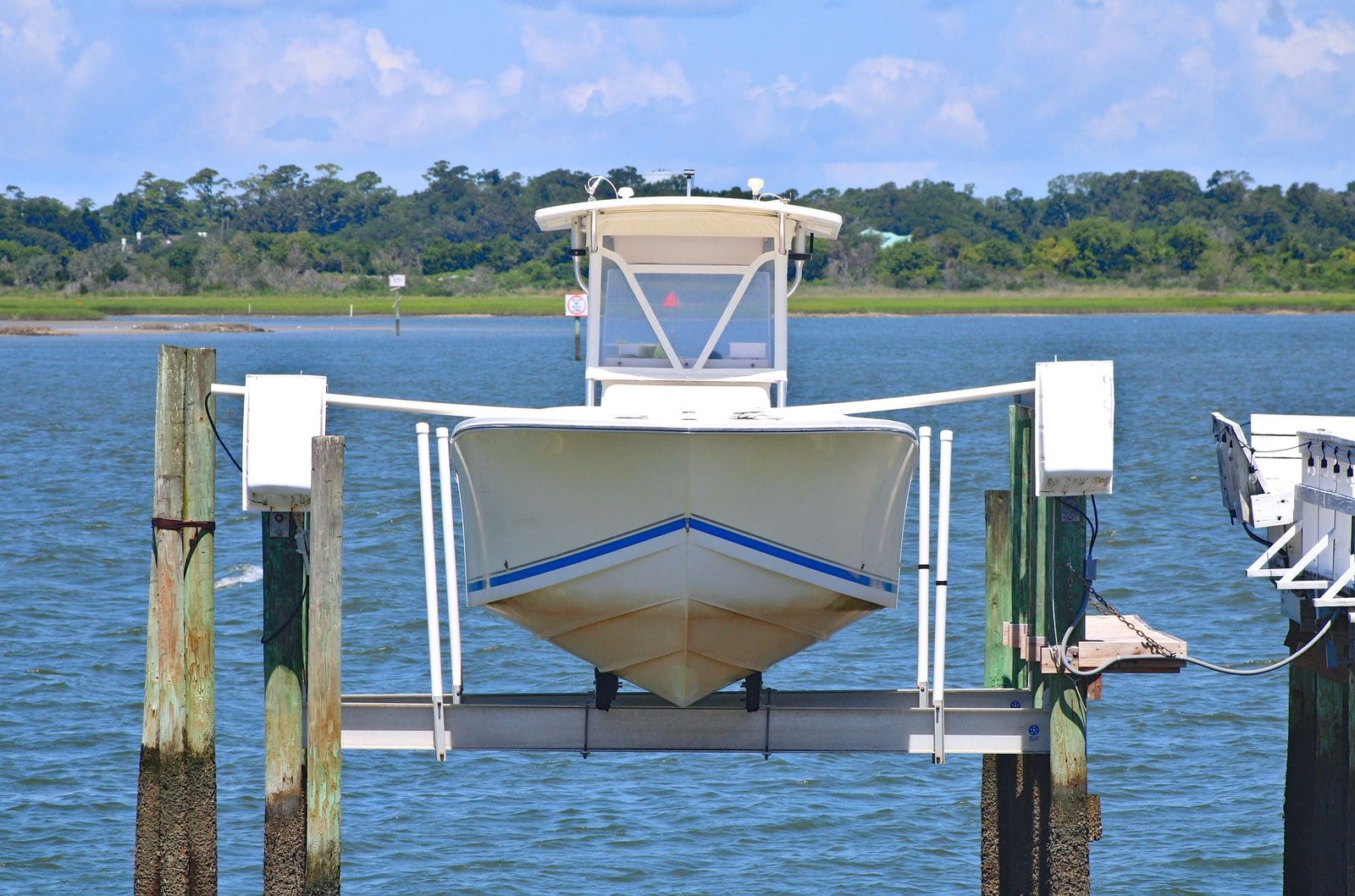
How to Inspect and Maintain a Boat Lift (Cables, Pulleys, Motor, Bunks and Storm Prep)
Inspect the cables, pulleys, motor, wiring and bunks on your boat lift, center the boat correctly, and prepare the lift and boat for storms and winter. Cable failures and overloading from rainwater or snow are the most common ways lifts drop boats.
How to Inspect and Troubleshoot Hydraulic and Electric Trim Tabs
Keep your trim tabs working with a simple seasonal check of the blades, anodes, fluid, lines and wiring, and track down the usual faults when a tab won't move, only one side works, or the tabs stay stuck down.
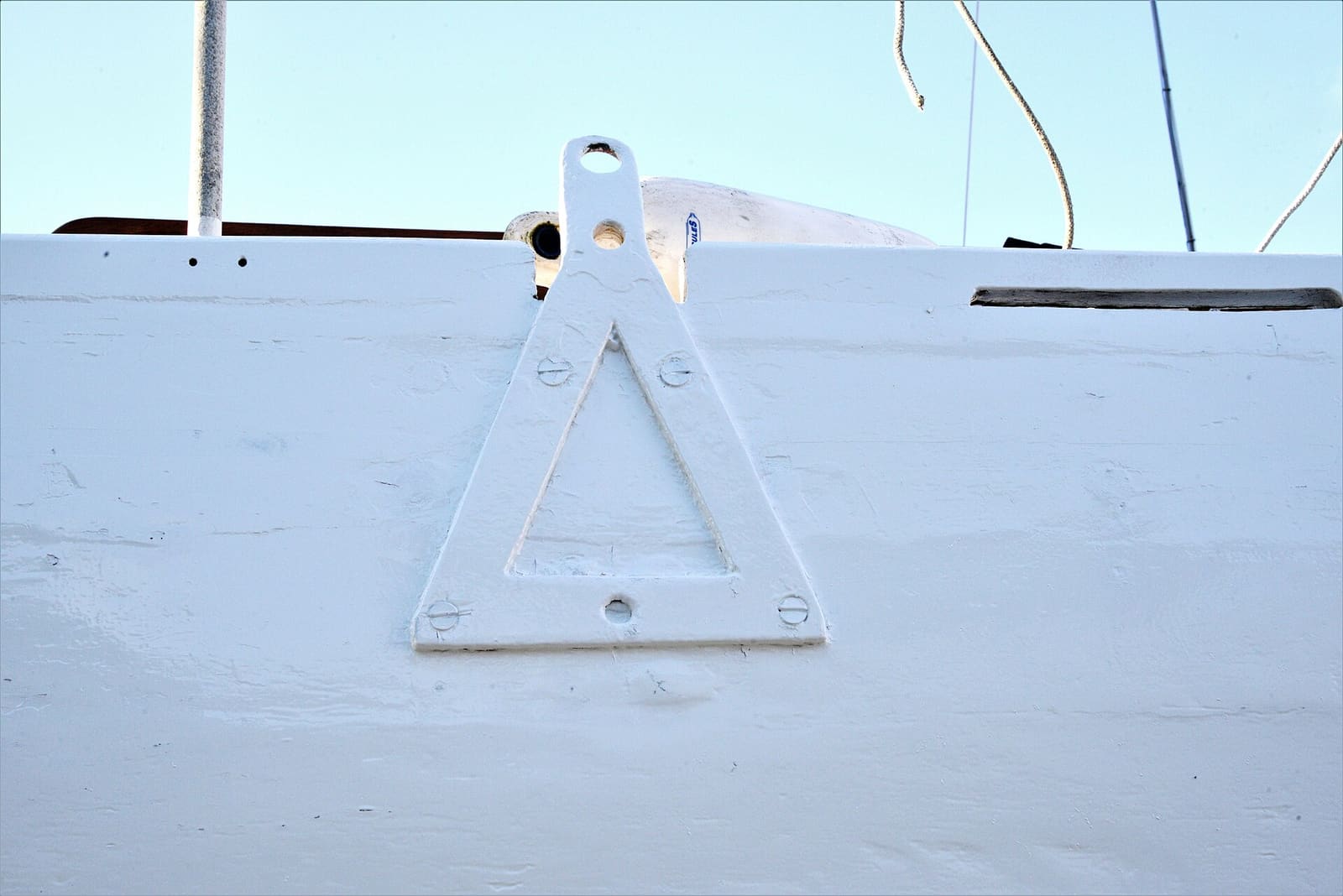
How to Inspect Sailboat Chainplates for Leaks, Cracks and Hidden Corrosion
Check every chainplate above and below deck for leaks, rust, cracks and a wet deck around it, reseal the ones that leak, and know when the plates need to come out for a proper look. Chainplates tie the mast to the hull, and one hidden failure can bring the rig down.
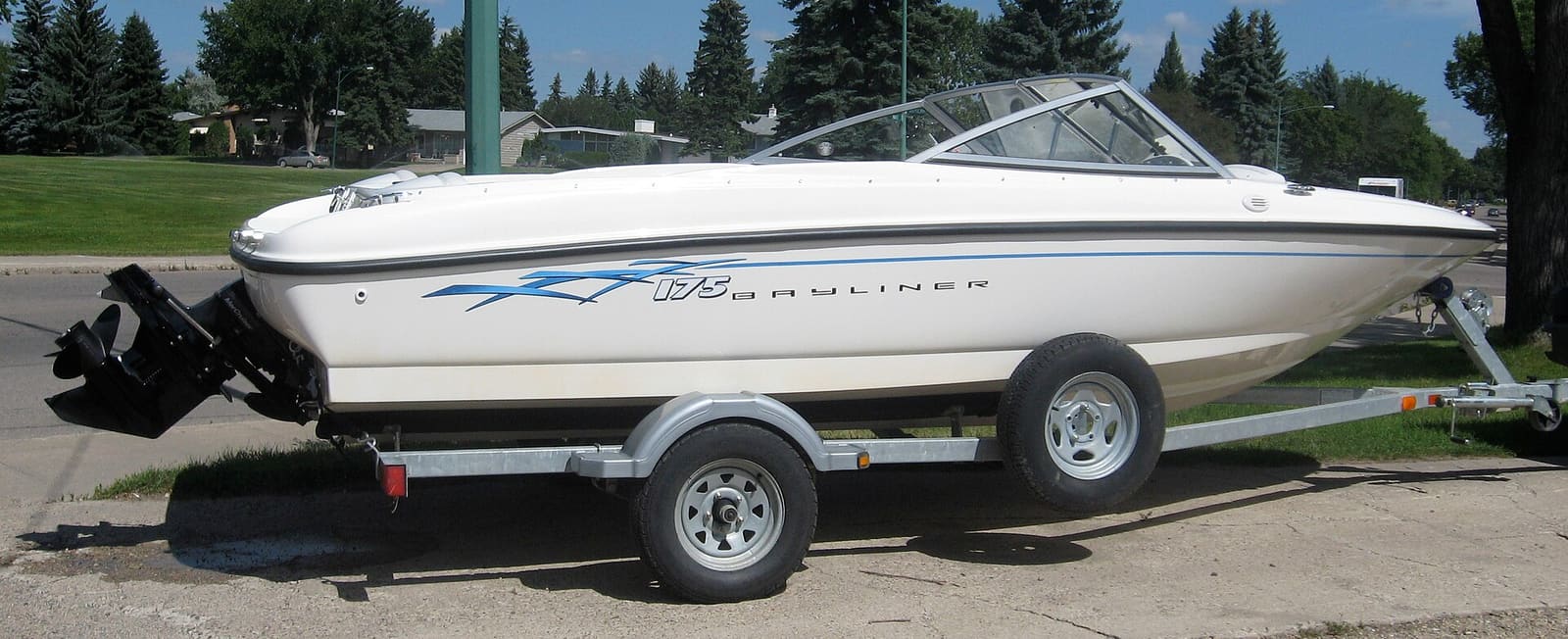
How to Inspect Sterndrive Bellows, Gimbal Bearing, U-Joints and Shift Cable
Learn to spot a cracked sterndrive bellows before it lets water into the boat, and to recognize the warning signs of a worn gimbal bearing, U-joints and shift cable. A failed bellows is one of the top reasons boats sink at the dock, and a 20-minute inspection can catch it.
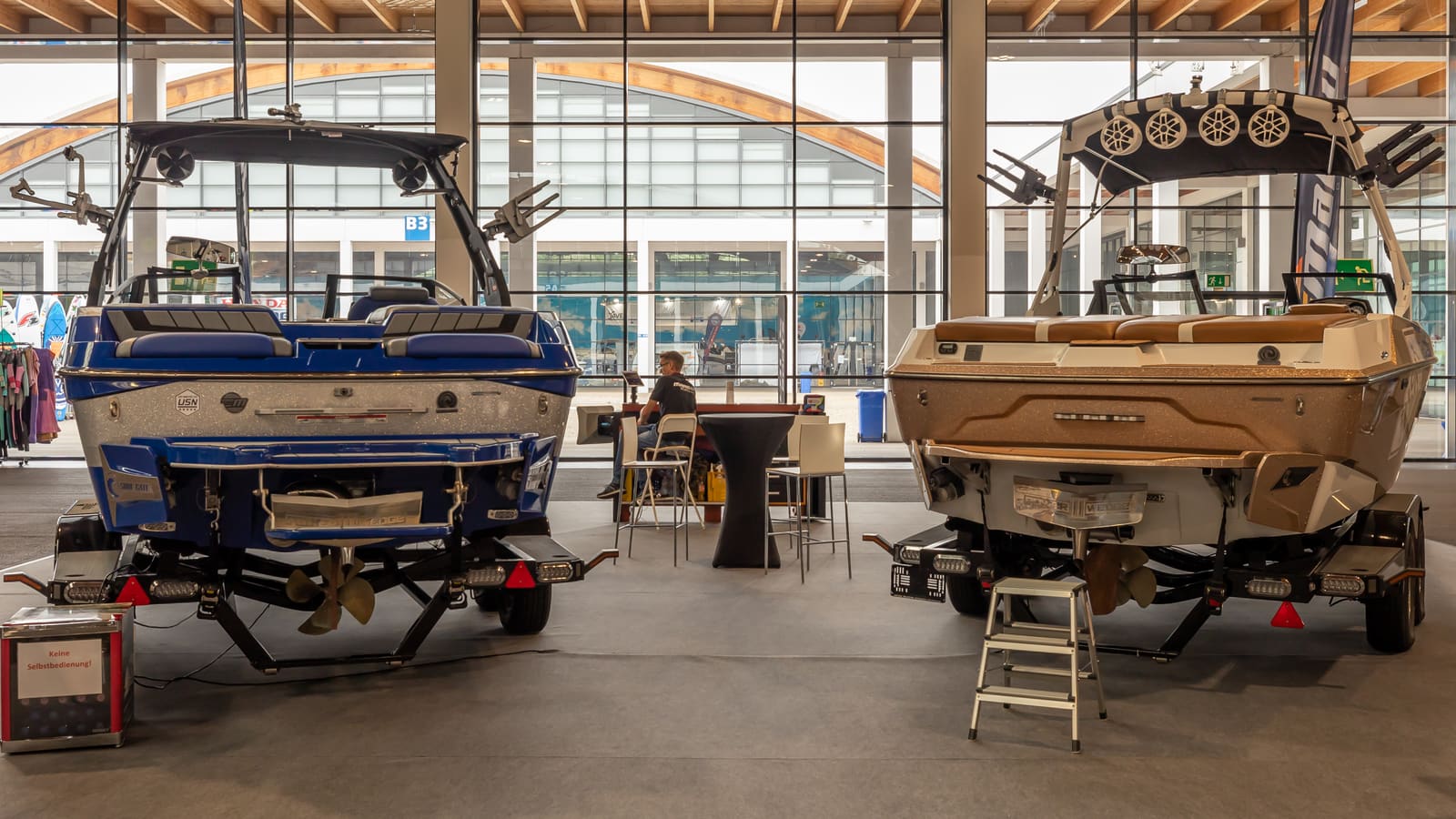
How to Inspect Wakeboard Tower, T-Top and Bimini Hardware
Towers, T-tops and biminis carry tow ropes, speakers, boards, electronics and wind loads, all on a handful of bolts. Learn how to check the welds, bases, backing plates, bolts, folding hinges and accessory loads before a crack or a loose bolt becomes an accident.
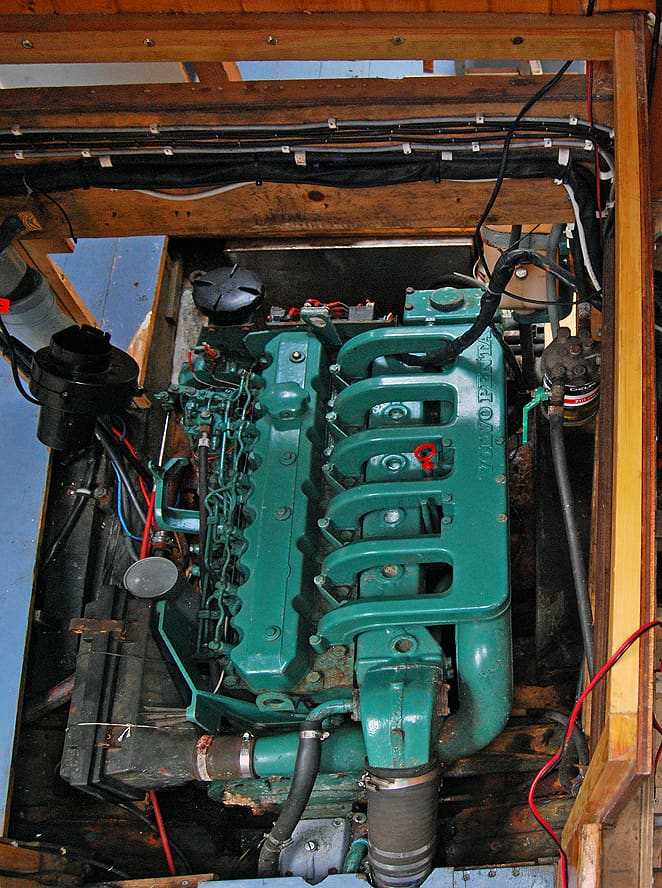
How to Inspect, Clean and Replace Vented Loops (Anti-Siphon Valves)
A vented loop is a small, easy-to-forget fitting that stops seawater from siphoning into your engine or through your head and into the boat. Learn where they live, why they must sit well above the waterline, how to clean a sticky or clogged valve, when to replace it, and how to spot the hydrolock damage a failed one can cause.
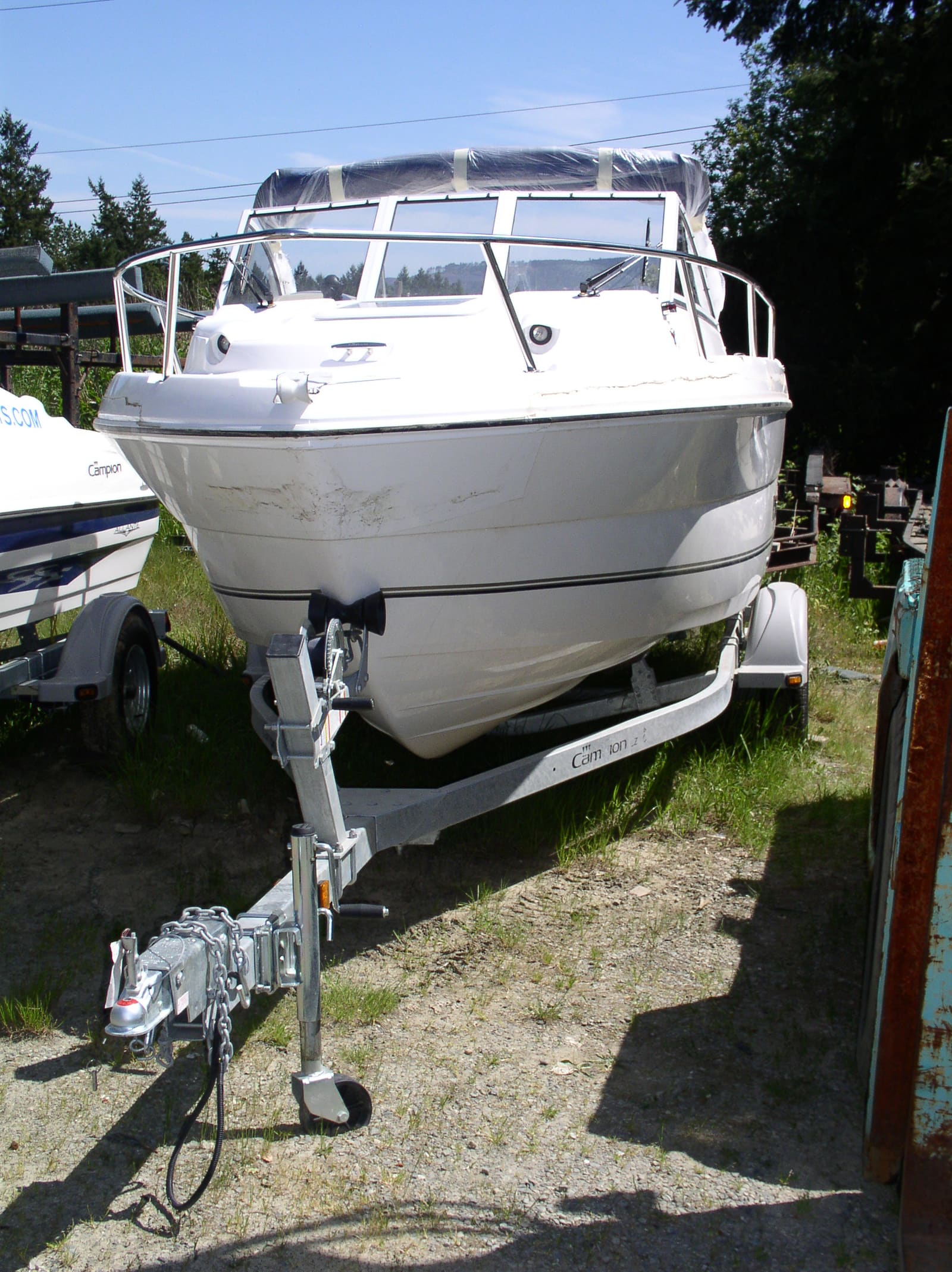
How to Install (and Remove) a Keel Guard on a Trailer Boat
An adhesive keel guard protects the bow and keel line of a trailer or beaching boat from sand, rocks and ramps. Learn when it's worth it, how to prep and apply one the way the maker intends, and how to take it off later.
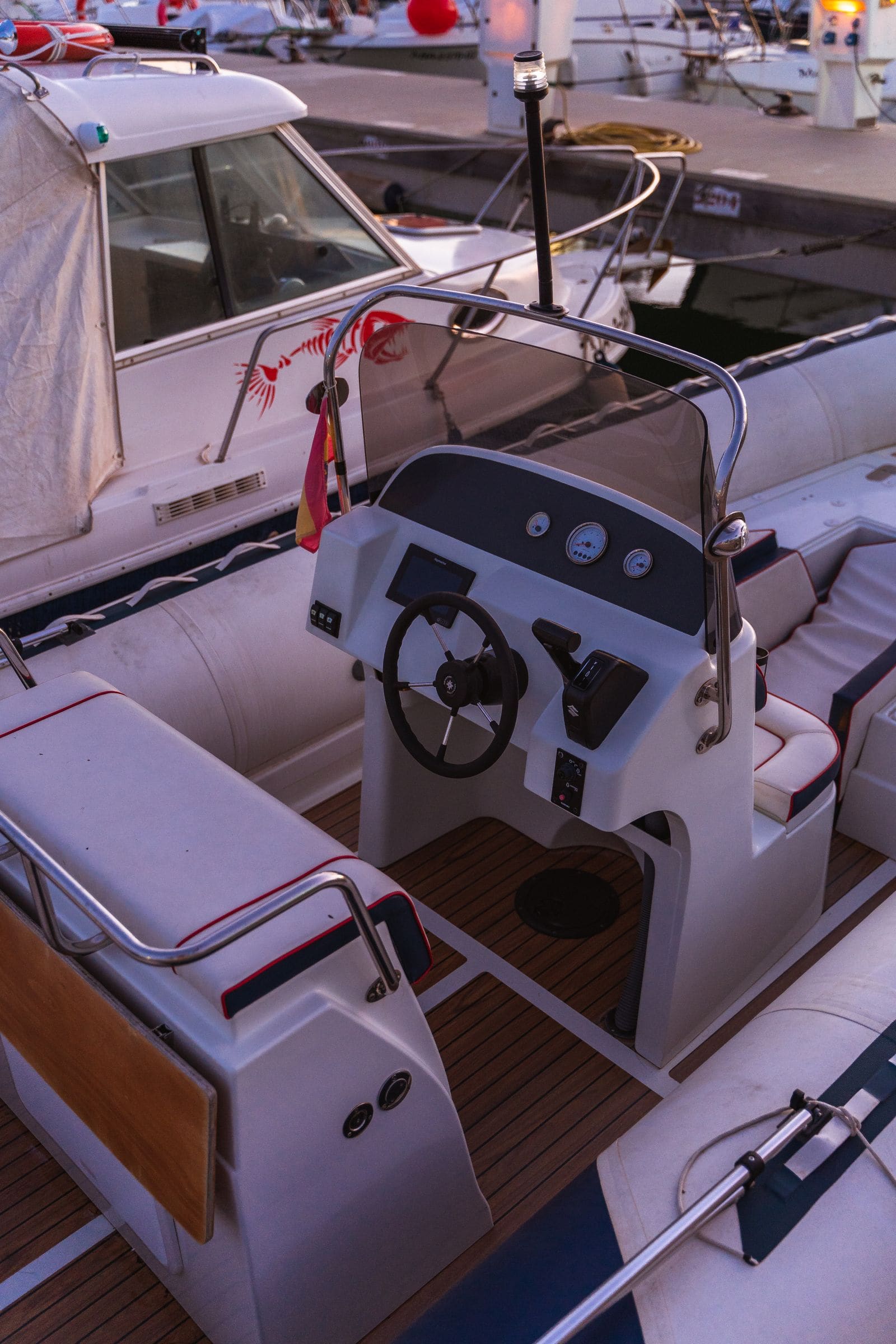
How to Install an Inspection Port (Deck Plate) in a Deck or Bulkhead
Add a screw-out or pry-out deck plate so you can reach hidden nuts, wiring, hoses and through-hulls, or check a deck core for rot. Learn where it is safe to cut, how to pick and size the port, how to seal a cored deck with epoxy, and how to bed the ring so it never leaks.
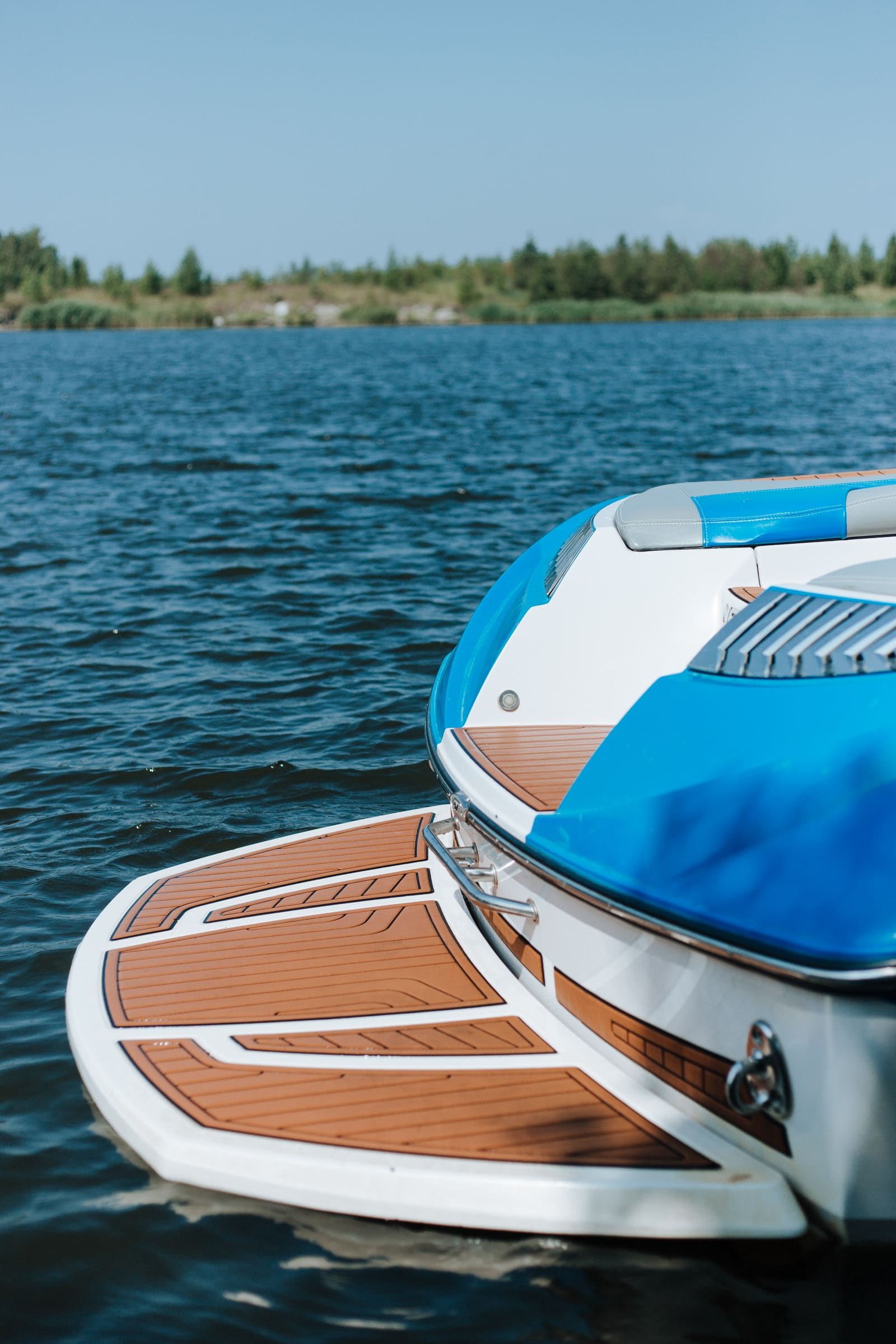
How to Install EVA Foam Decking (SeaDek-Style Pads) on Your Boat
Closed-cell foam decking makes a hard fiberglass deck grippy and comfortable underfoot. Learn when a peel-and-stick DIY job makes sense, how to template, cut and prep, the temperature and gap rules, how to lay pads without trapped air, and how to clean, repair and eventually remove them.
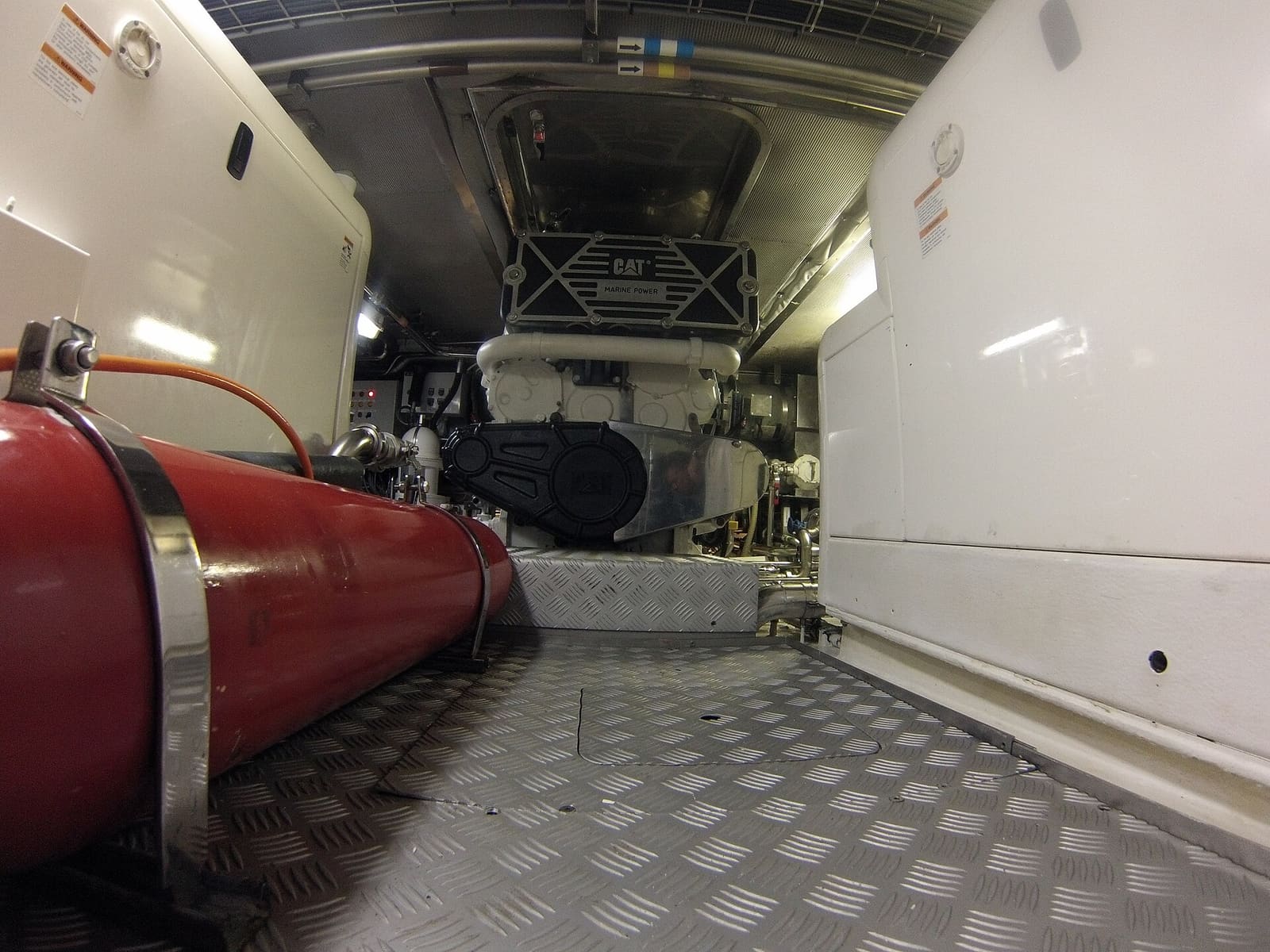
How to Keep a Dry Bilge, Including Dry Bilge Pump Systems
Standing water in the bilge causes odors, mildew and corrosion, and hides new leaks. Learn why your main pump leaves water behind and how to get rid of the last inch: cut the sources, clear limber holes, route AC condensate and showers to a sump, and add a small self-priming diaphragm pump if needed.
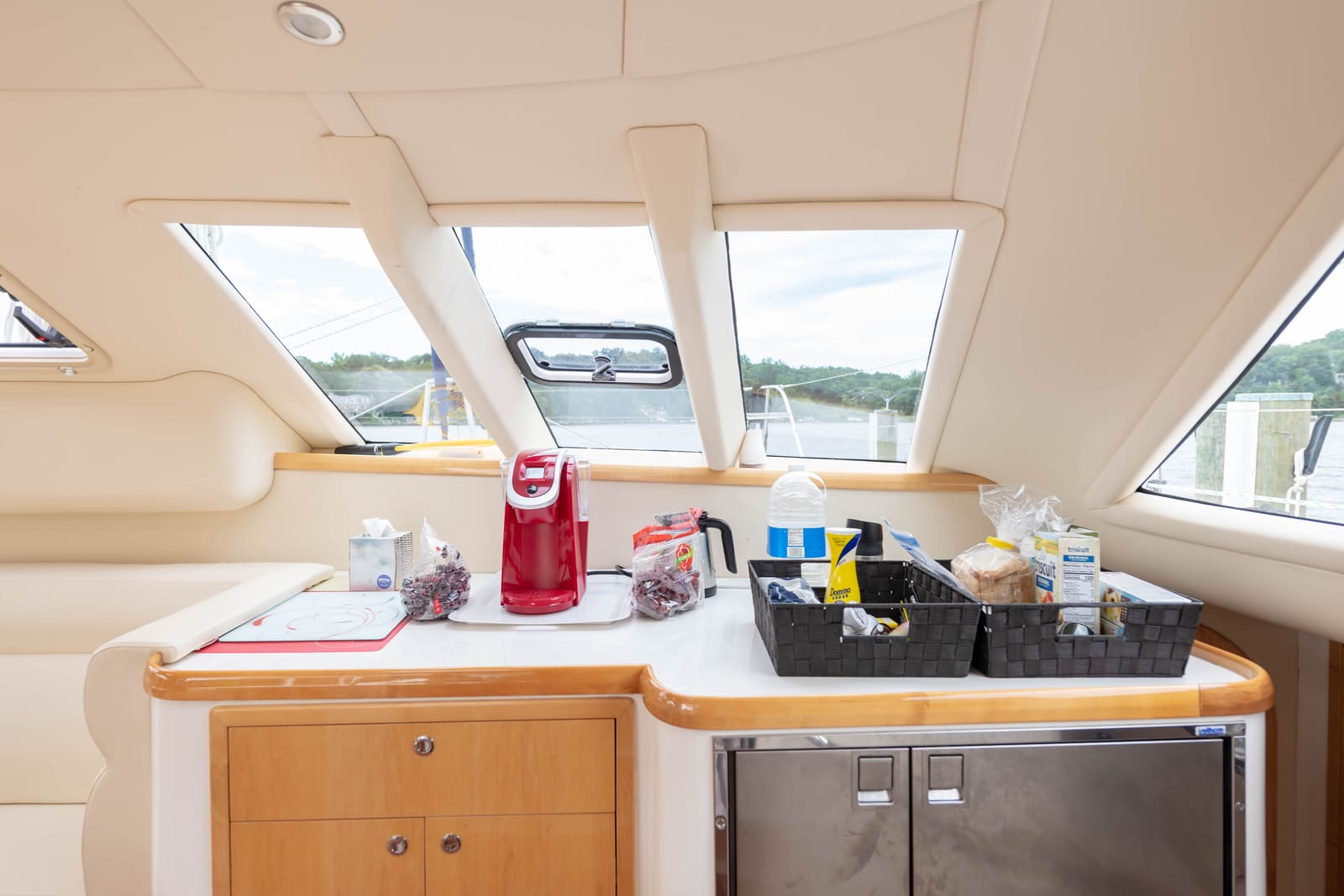
How to Keep Your Boat Fridge, Freezer or Icebox Cold (and Off Your Batteries' Back)
Most boat fridge problems are not a dead compressor: they are trapped heat, low voltage, leaky seals or too much frost. Learn the owner checks for air-cooled, water-cooled and keel-cooled units, how to estimate power draw, and how to store the system for winter.
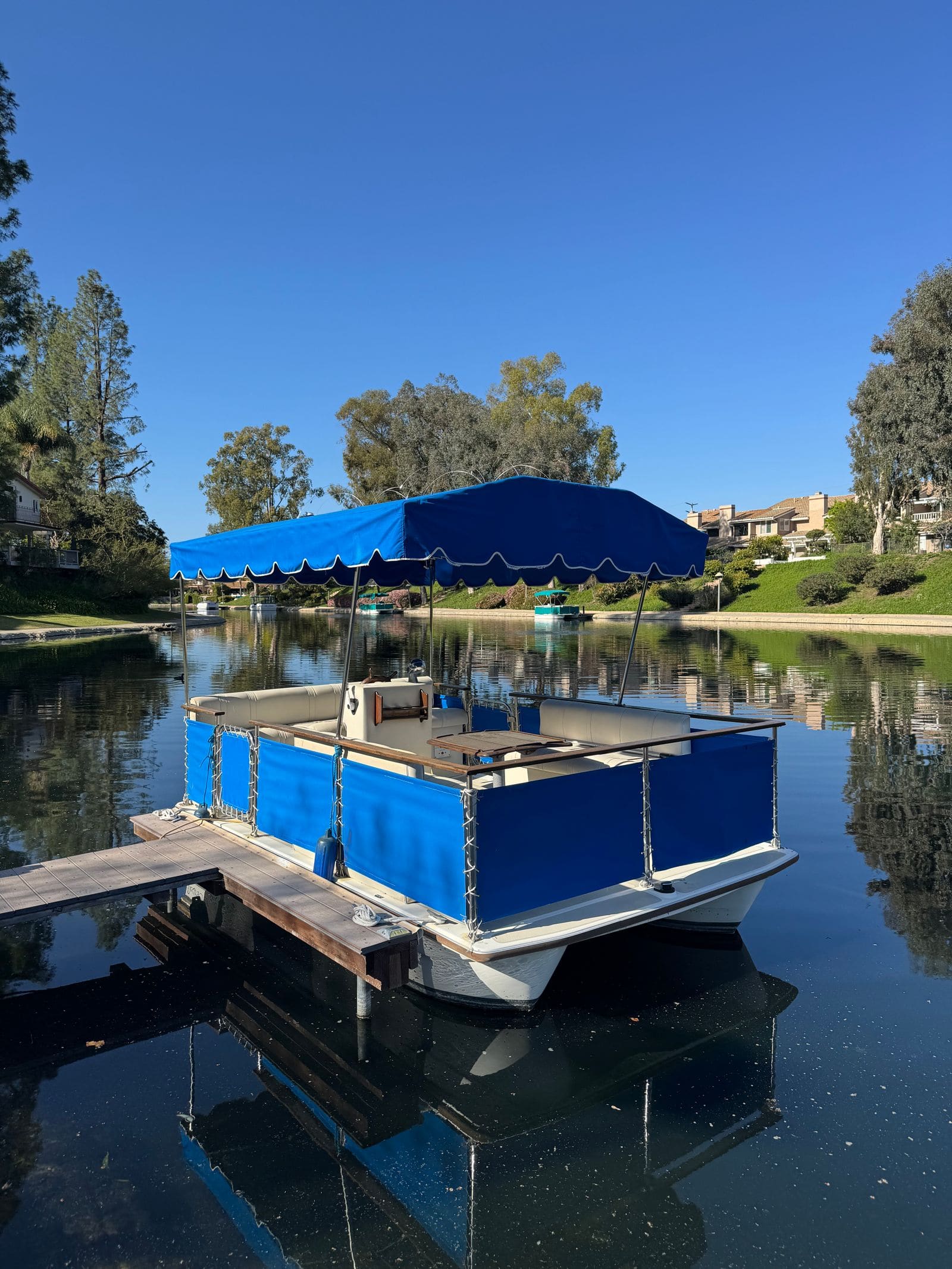
How to Lift or Jack a Pontoon Safely on the Trailer or the Ground
Raise a pontoon a few inches to rinse and inspect the tubes, drain them, adjust bunks or set it on storage blocks without bending a tube or getting hurt: where it can and can't take a jack, how to spread the load, why you block as you lift and never go under it, and when a dealer's forklift or lift is the right tool.
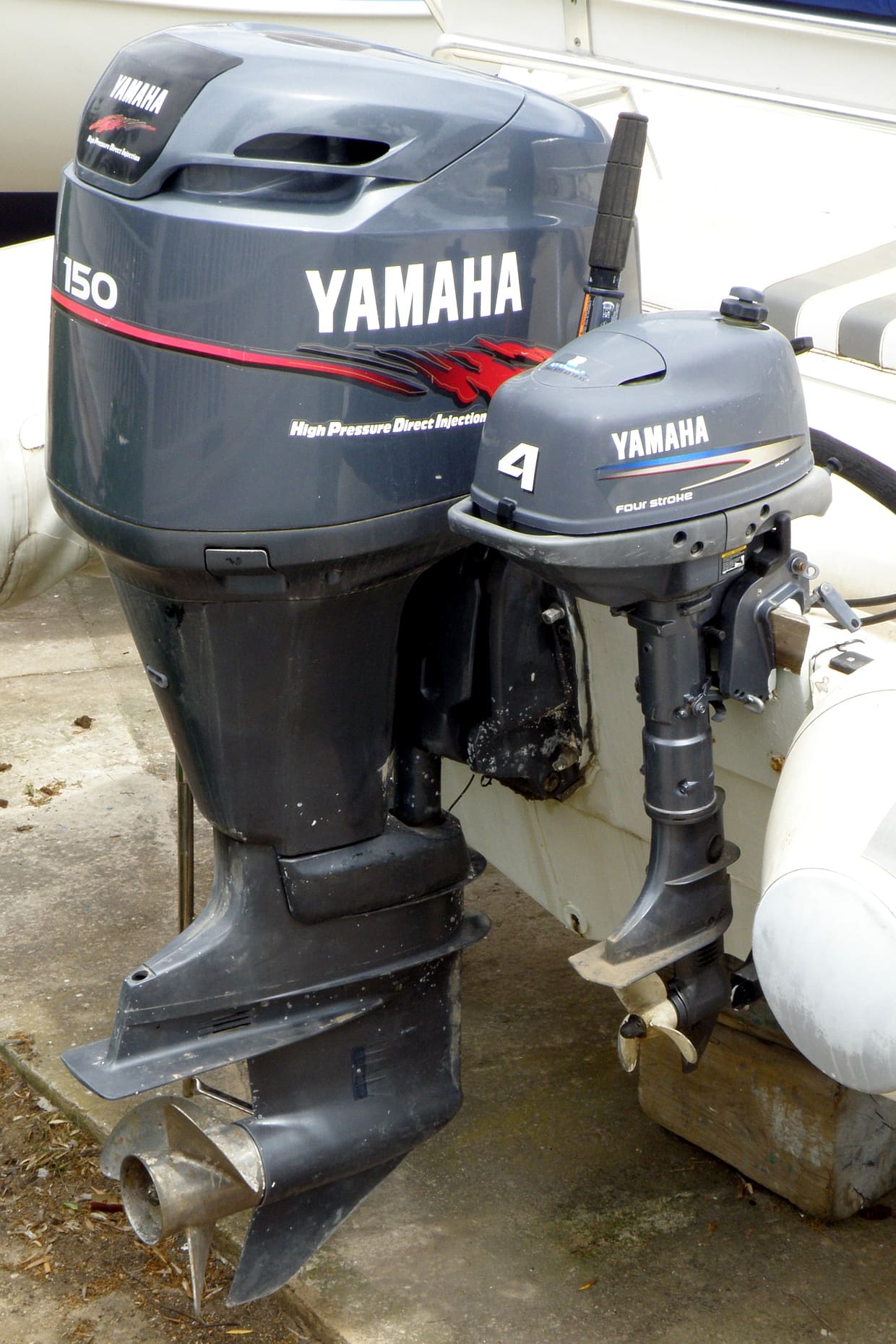
How to Link a Kicker Motor to Your Main Engine With a Tie Bar
Steer your kicker from the helm by linking it to the main outboard with a tie bar: choose a fixed, adjustable or cable-type kit that fits your steering, align it so the motors track together, fit a quick-release, check for binding at every turn and tilt position, and use it only the way the kit maker allows.
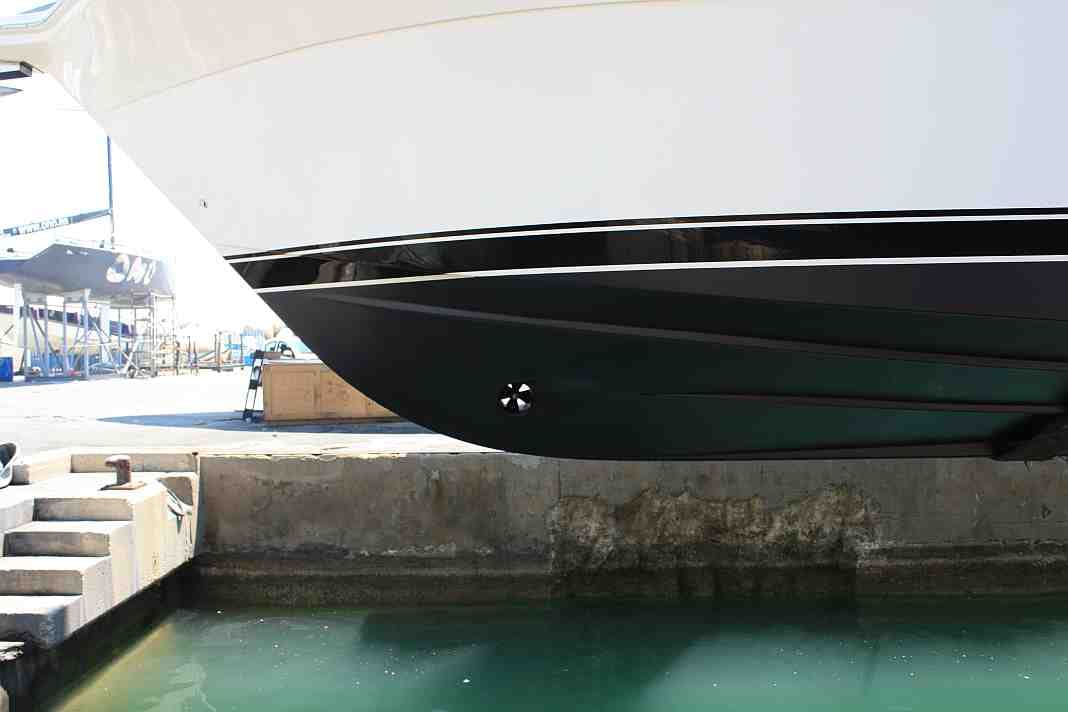
How to Maintain a Bow Thruster (Anode, Prop, Shear Pin, Gear Leg and Batteries)
Keep your electric bow or stern thruster ready for the moment you need it, with seasonal checks of its anode, prop and shear pin, gear leg oil, motor compartment, batteries and heavy cables, plus how to avoid overheating it. Most thruster failures build slowly from corrosion and weak batteries.
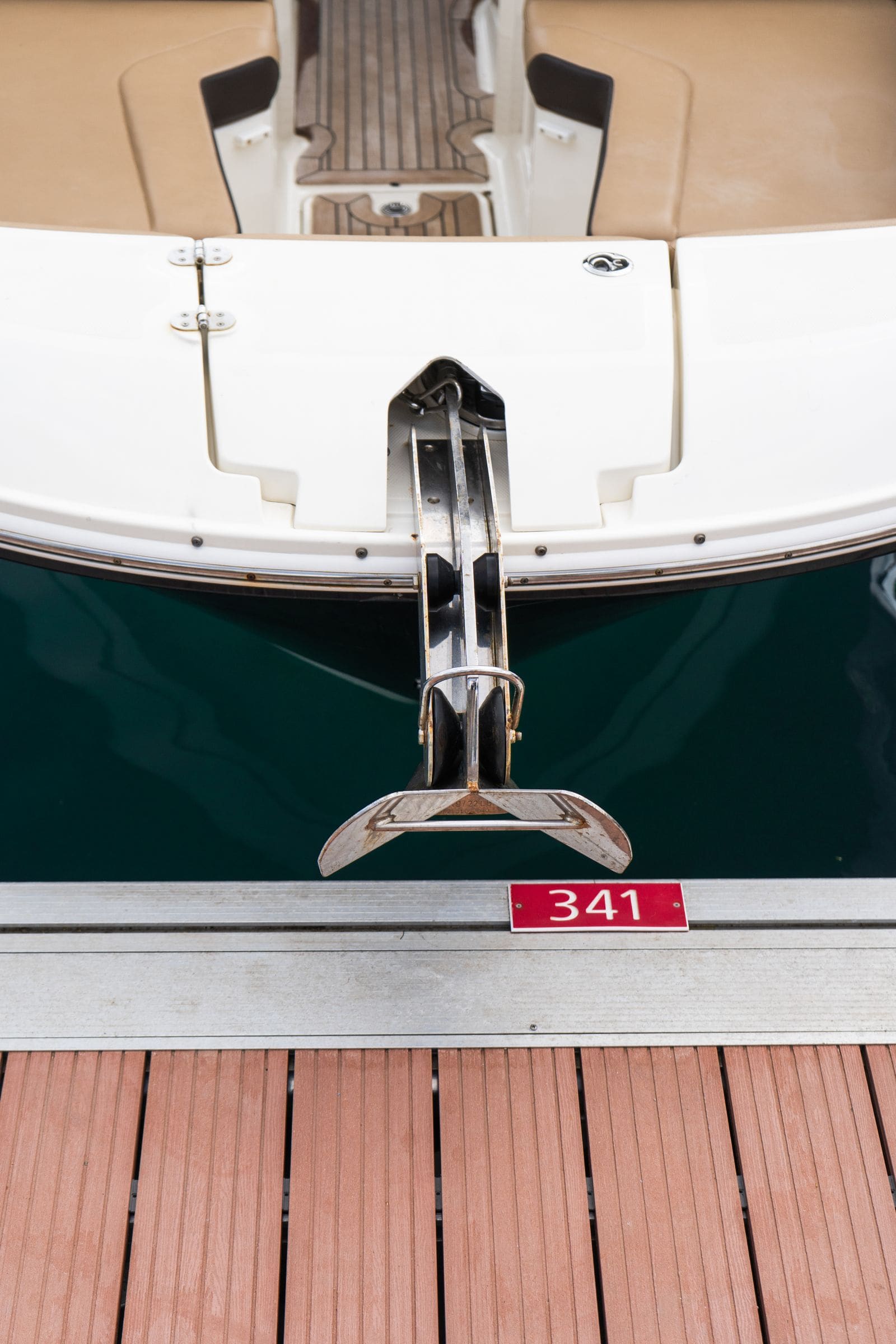
How to Maintain an Anchor Windlass and Inspect and Mark Your Anchor Rode
Keep your electric windlass working with a seasonal clean-and-grease, sort out a dead or slow windlass from the breaker and solenoid to the motor, and inspect, mark and splice your chain and rope rode. Your anchor is a safety system; this guide keeps every link of it ready.

How to Maintain Your Boat's Air Conditioning Seawater System
Keep seawater flowing through your marine A/C by cleaning the strainer, checking the pump and overboard discharge, descaling the condenser coil when flow drops, cleaning the air filter, and winterizing the seawater circuit before a freeze. Most "A/C not cooling" calls are a water-flow problem.
How to Match Gelcoat Color for Small Repairs
Get a chip or screw-hole repair to blend in with your hull instead of standing out as a bright patch. Learn to polish first so you see the real color, find your builder's color code or a matched gelcoat, tint by tiny steps, test cured samples in daylight, and allow for sun fading.
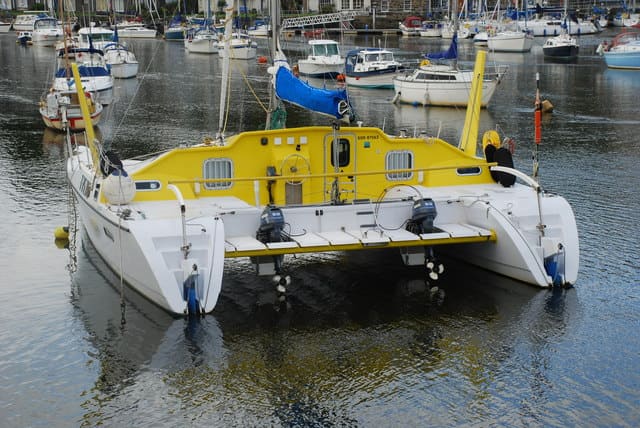
How to Mount a Kicker Motor on a Boat With a Swim Platform or Bracket
Find a safe way to hang a kicker when there's no open, flat transom: pick an offset or setback bracket, prove the clearance with the main engine through every turn and tilt position, keep the tiller within reach, and make sure the platform or bracket can actually carry the load with proper backing.
Safety: BoatMend is for information only and does not replace a certified marine technician. You are responsible for your safety and your boat. Read the full disclaimer.