Repair & maintenance guides
Plain-English, step by step, written for owners. Pick your engine to see the guides that apply to it.
380 of 509 guides · page 16 of 16
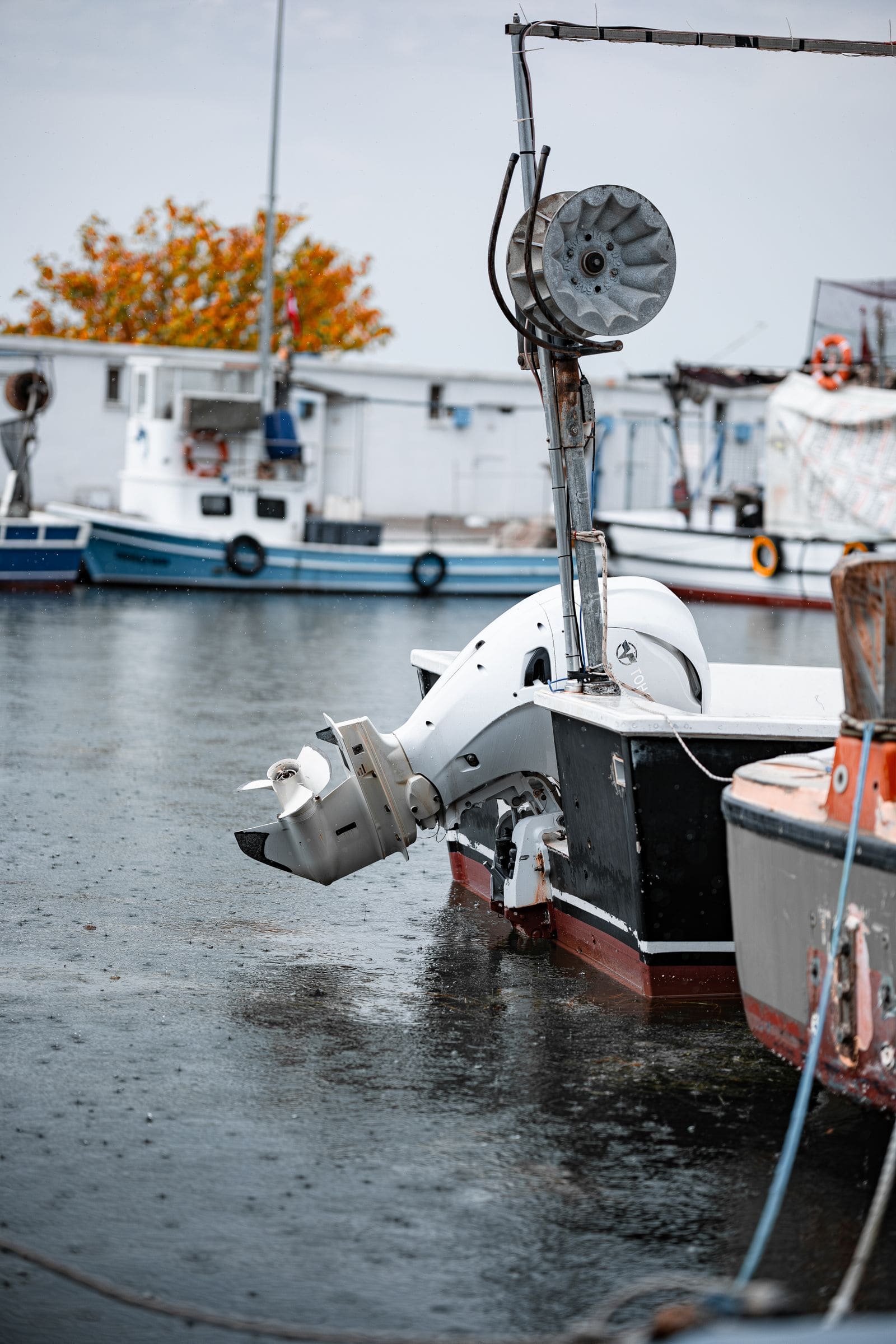
Trim Leaks: When the Motor or Drive Won't Stay Up
Track down why your outboard or sterndrive slowly sinks, trails down on the trailer or leaks trim fluid. Work from the free checks (release valve, fluid level) to hoses, ram seals and internal leaks, and learn when a rebuild or a new cylinder makes more sense.
Type I and II Treatment Systems (Electroscan, Purasan, Lectra/San): Care, Salt, Tablets and Winter
A flow-through treatment system lets a boat discharge treated waste where the law allows, but only if it works and only outside no-discharge zones. Learn how these units work, why salt and tablets matter, how to keep electrodes and dispensers clean, how to lock the system in a no-discharge zone, and how to lay it up dry for winter.
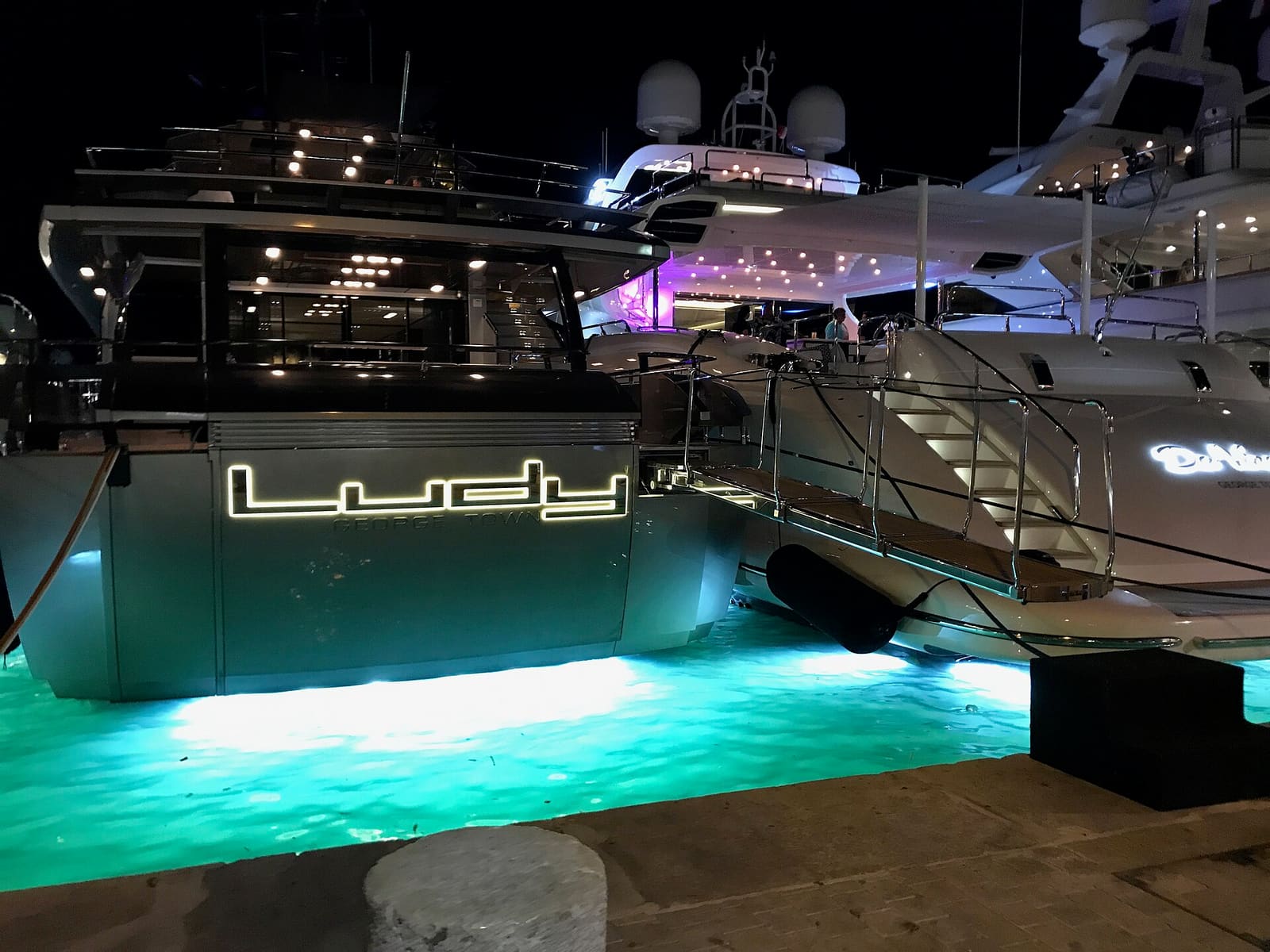
Underwater LED Lights: Care, Leaks, Corrosion, Wiring and the Rules
Keep underwater LED lights bright and your hull dry. Learn the difference between through-hull and surface-mount lights, how to clean growth off the lens without damaging it, what to check for leaks, wiring, fusing and bonding, when the boat has to be hauled, and why the lights should not be on while you're underway.
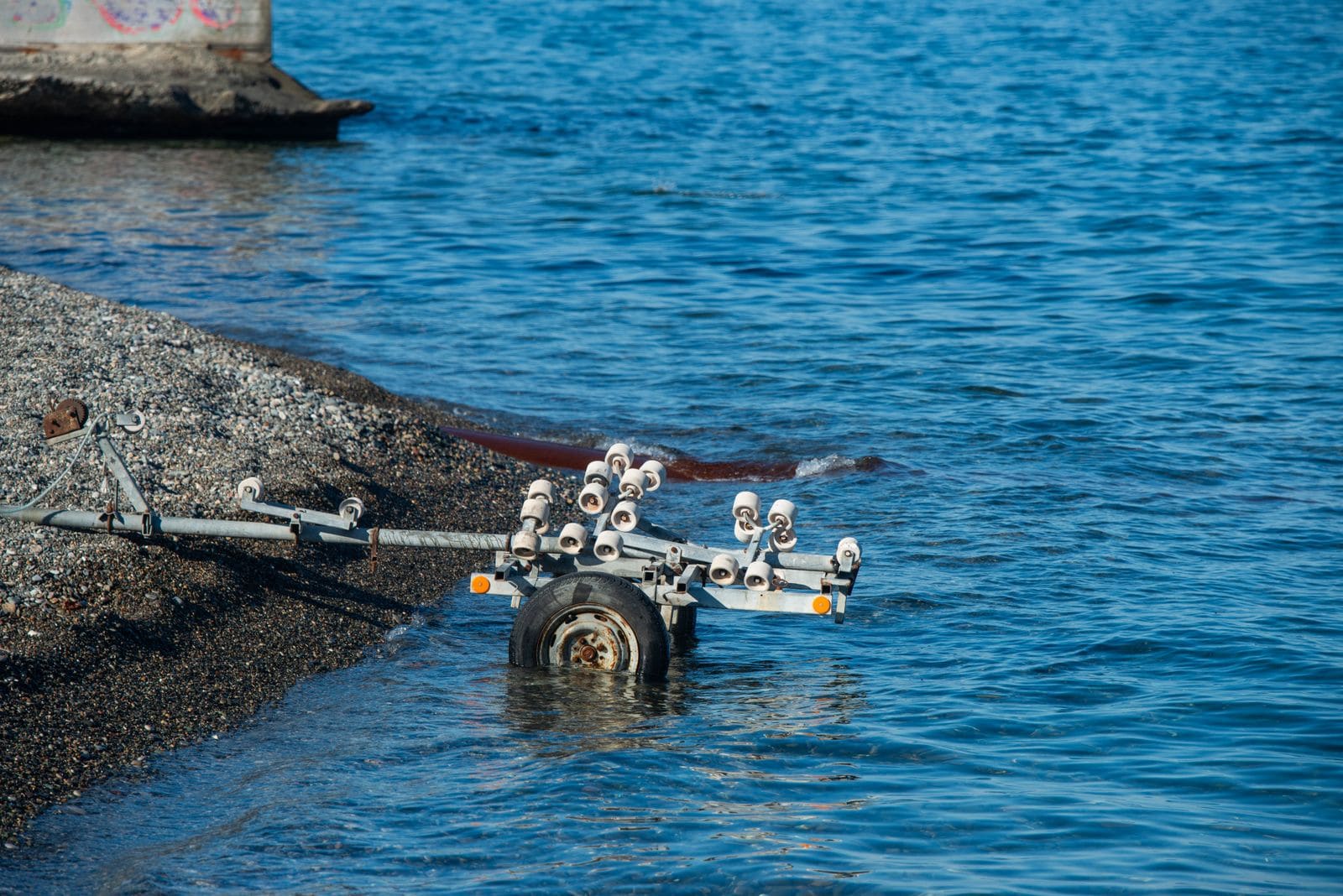
Upgrading Boat Trailer Hubs: Grease-Through Spindles, Oil Bath, Protectors and Pre-Packed Kits
Choose the right hub setup for how you use your trailer, swap in a pre-packed hub kit, adjust it correctly and know when the axle itself is the real problem. Better hubs mean fewer roadside bearing failures and less time with greasy hands.
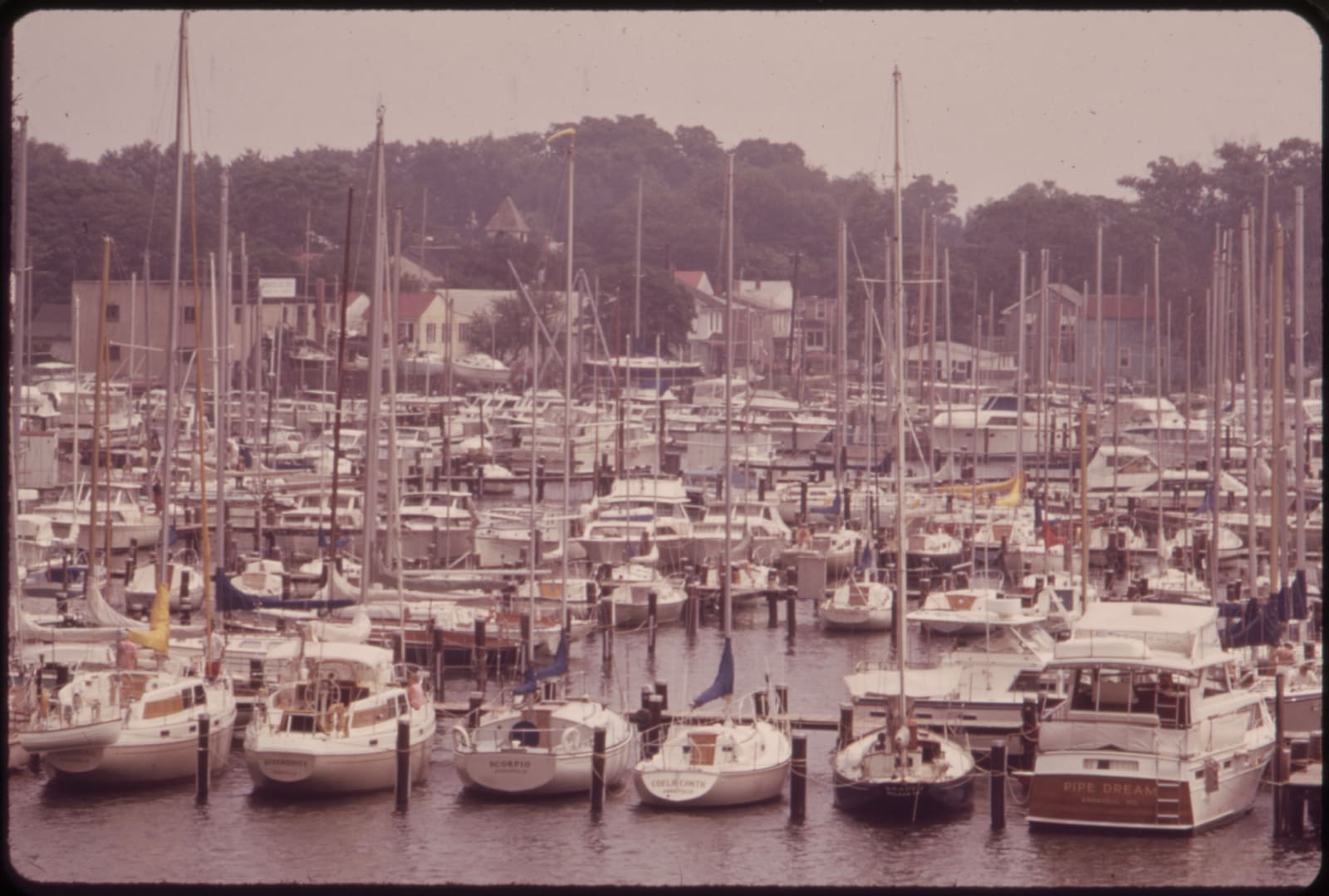
USCG Documentation Renewal: When, How, What It Costs and How to Avoid Look-Alike Renewal Mailers
Keep your boat's Coast Guard Certificate of Documentation current: how long a recreational certificate lasts (1 to 5 years), the federal fee schedule, renewing directly with the NVDC online, what happens if it lapses, why many states still want registration and a decal, and how to spot the third-party letters that charge several times the real fee.
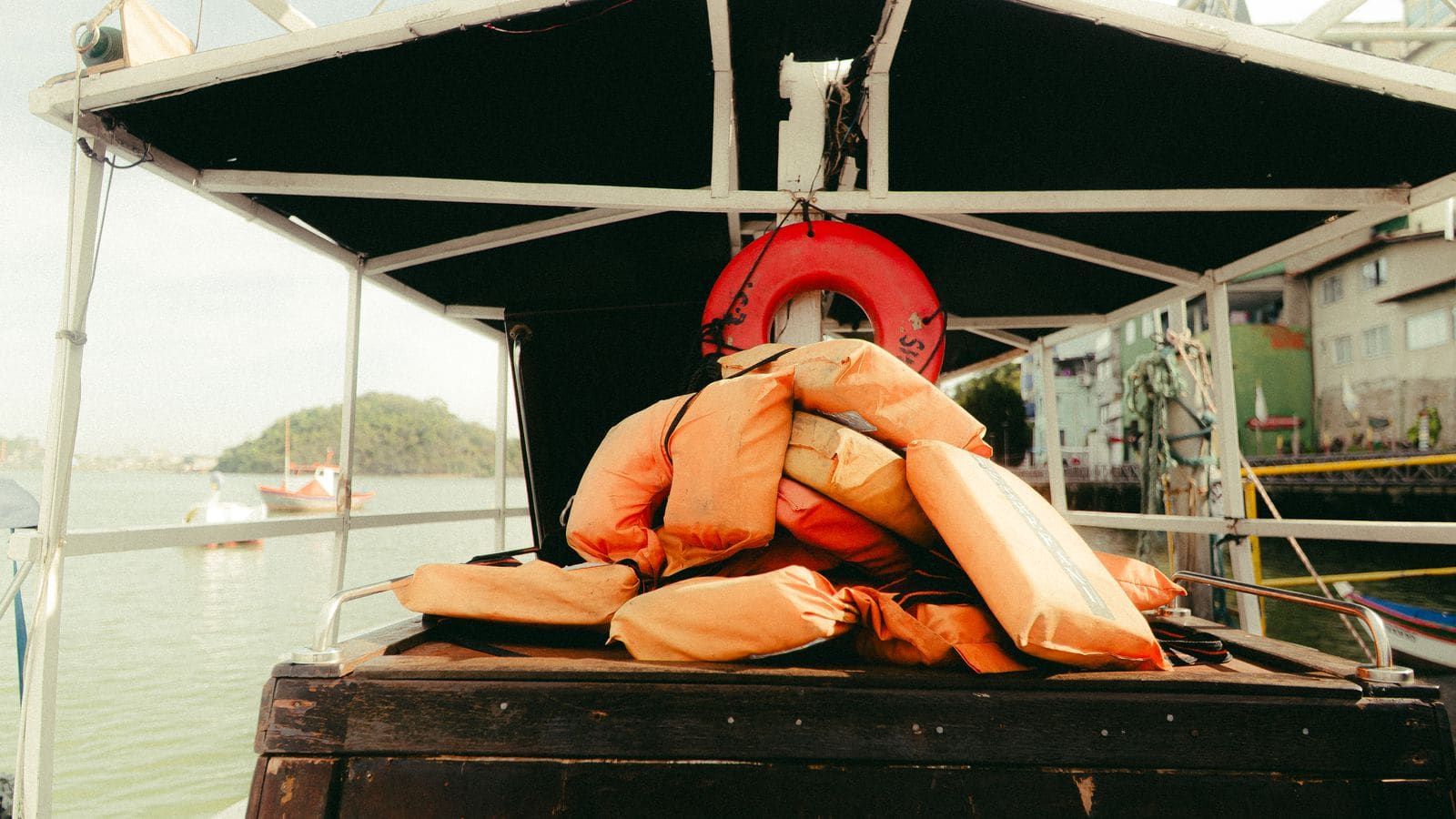
USCG Required Safety Equipment Check by Boat Length
Walk through your boat and confirm you carry every piece of safety gear the US Coast Guard requires for your boat's length and type, and that none of it is expired or worn out. Missing or expired gear is one of the most common tickets on the water, and it is the gear you need when things go wrong.
Used Boat Paperwork: Titles, Liens, HIN Checks, Bill of Sale and Registration
A practical checklist for the paperwork side of buying a used boat: state title or Coast Guard documentation, checking for liens and theft, verifying the hull ID number, writing a proper bill of sale, the trailer's own title, registering in your name, and transferring warranties and checking recalls. Rules vary by state, so confirm each step with your state agency.
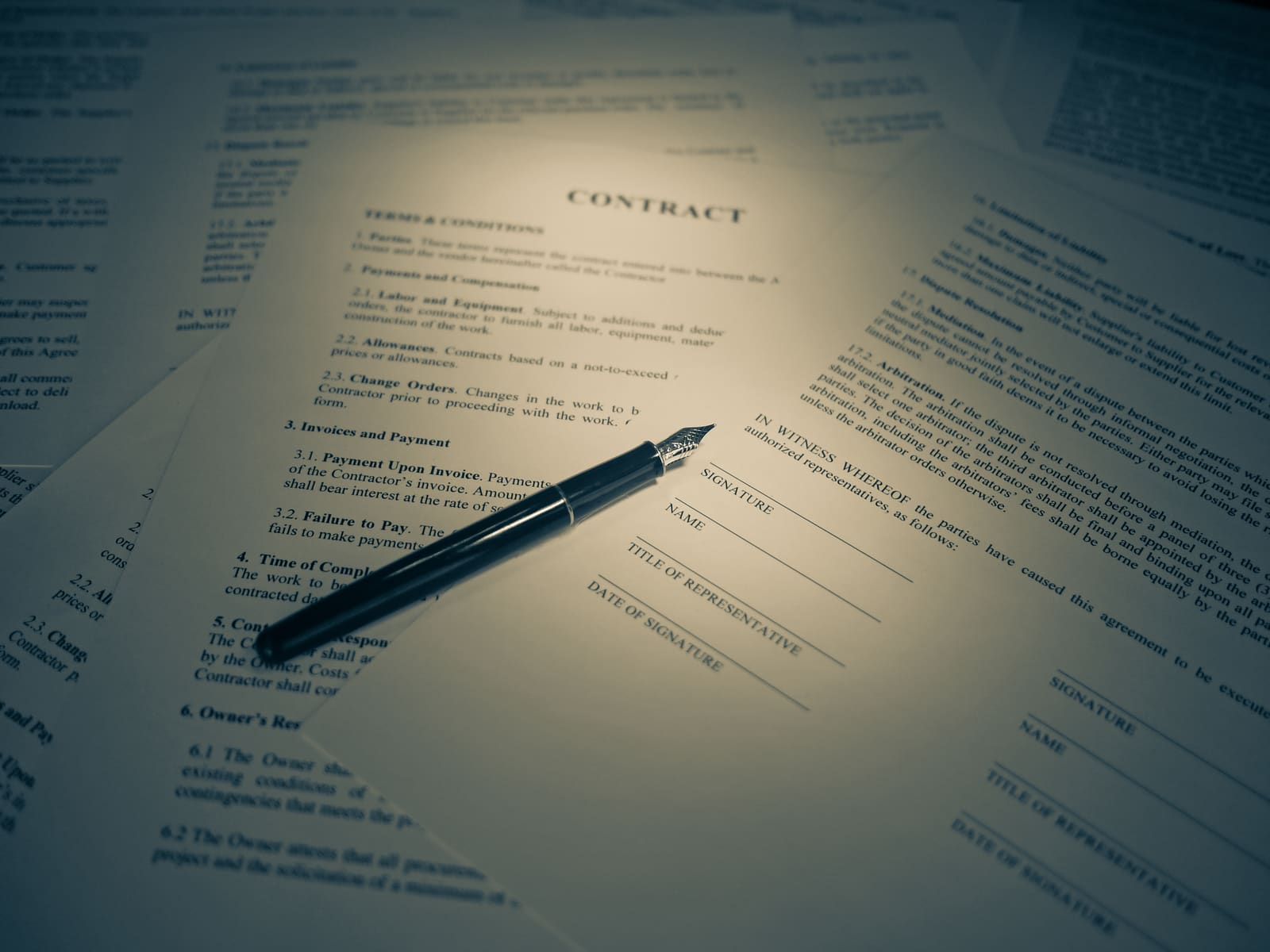
Used Boat Purchase Agreement and Closing: Deposit, Contingencies, Bill of Sale and Who Pays What
A plain-English walk-through of buying a used boat on paper: getting ready before you offer, what the purchase and sale agreement should say, how the deposit is held and when it comes back, survey, sea trial, financing and insurance contingencies, paying off the seller's loan, the bill of sale, closing and transferring the paperwork, and the costs each side usually covers. Practical help, not legal advice; rules vary by state.
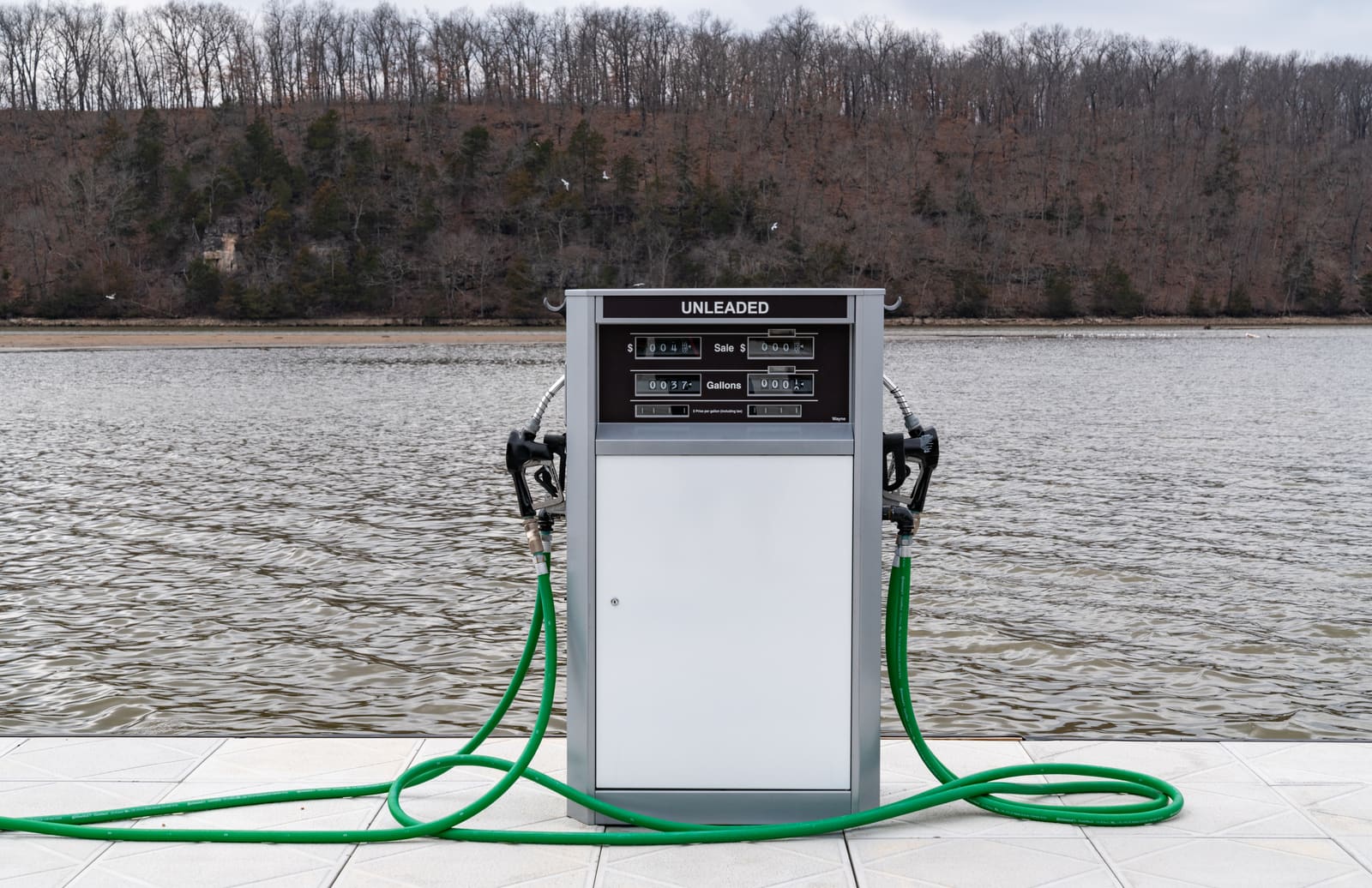
Vapor Lock and Hot Restarts: Why Your Boat Won't Start After a Stop on a Hot Day
On hot days, fuel can boil into vapor in the lines, carburetor or fuel system after you shut down, so the engine cranks but won't start, or starts and dies after a fuel stop. Learn how to recognize heat soak, restart a hot engine the right way, and reduce the problem with fuel choices, ventilation and line routing.
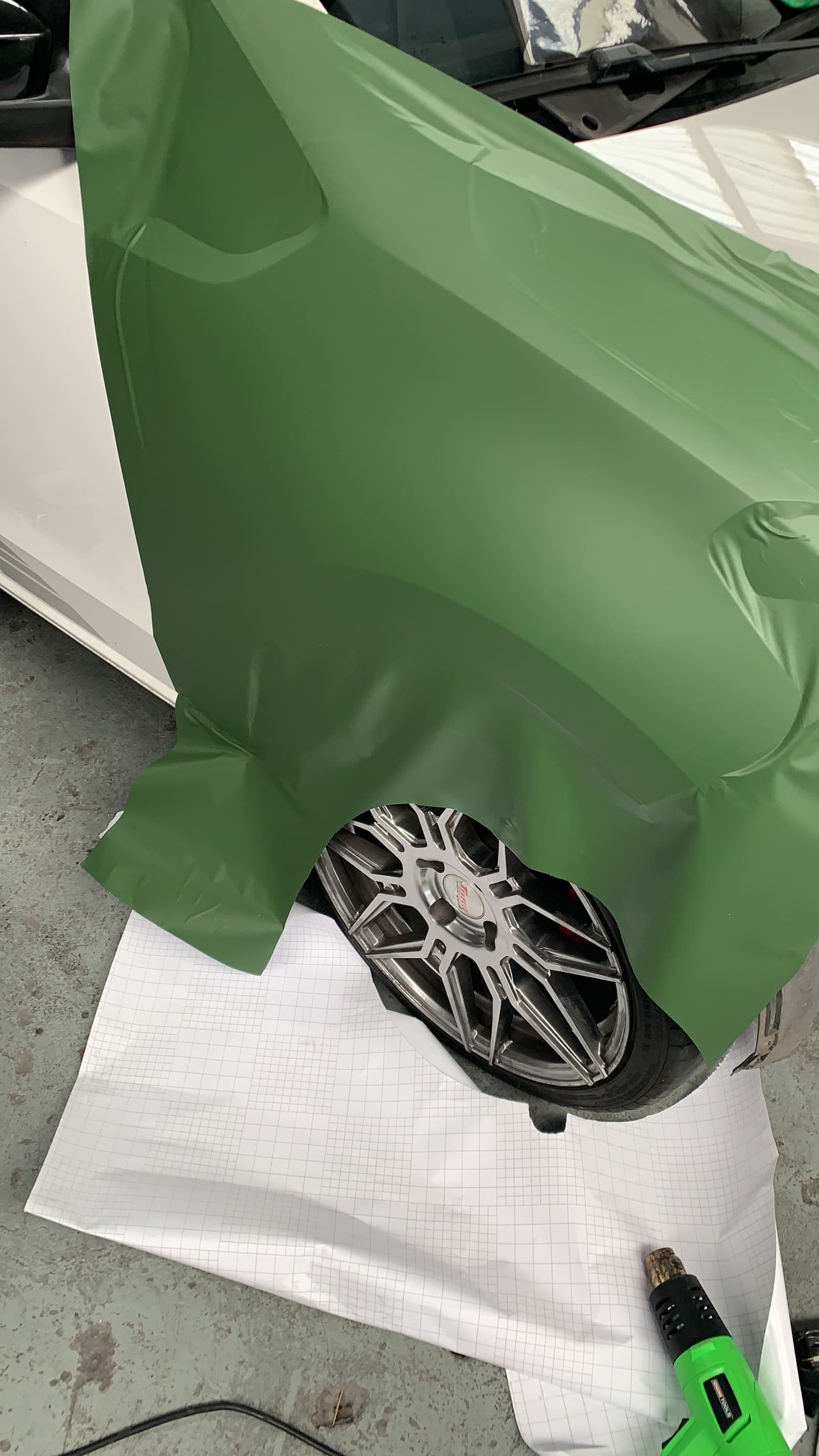
Vinyl Hull Wraps: Pros, Cons, Prep, Care and Removal
Find out whether a vinyl wrap makes sense instead of paint for your hull, how to prep for it, when to hire an installer, how to wash it without ruining it, and why wraps stop at the waterline.
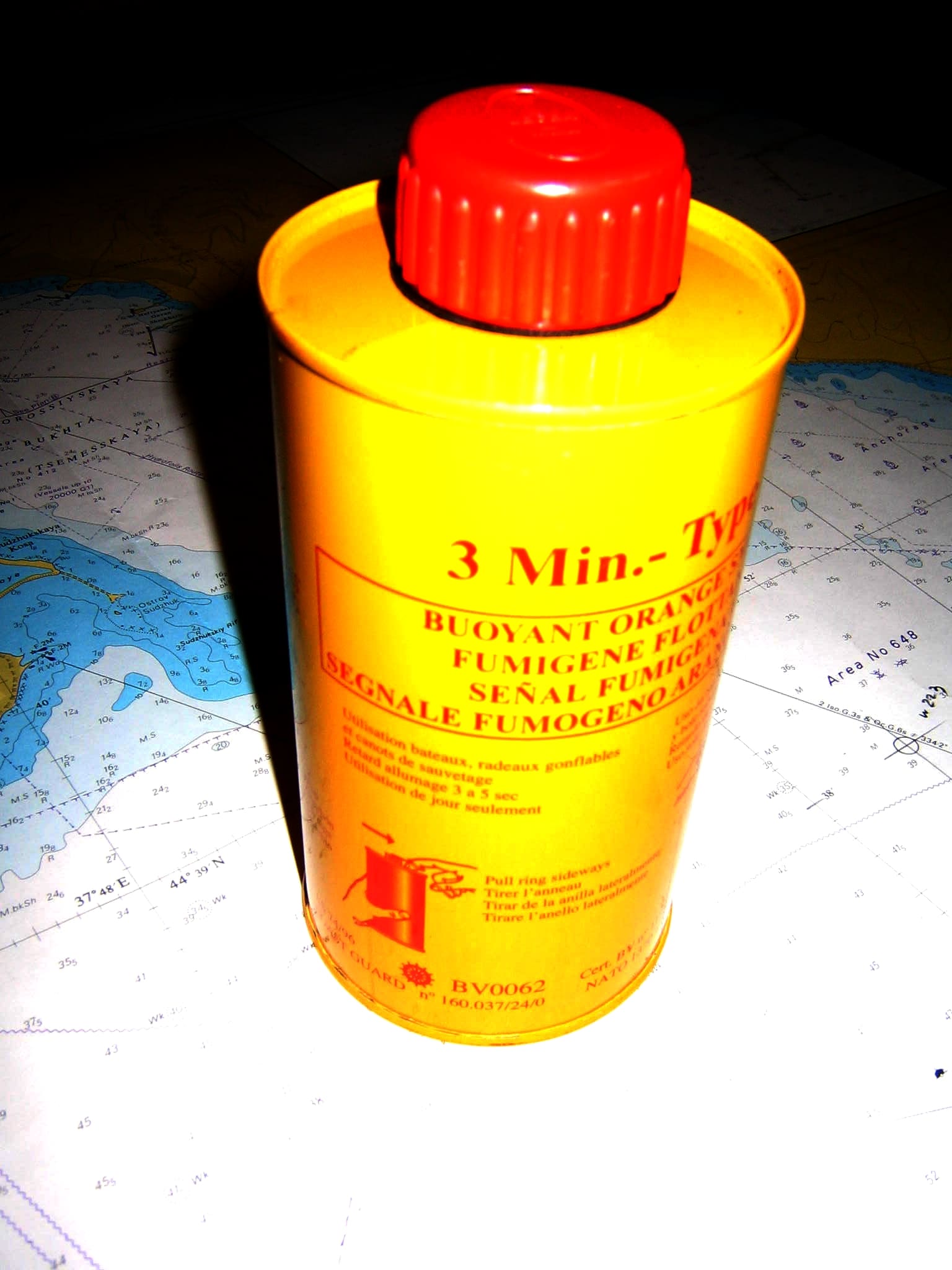
Visual Distress Signals: Flare Expiry, Storage, Practice and Safe Disposal
Make sure your flares, smoke signals, distress flag or electronic distress light meet the Coast Guard rules for day and night, are not past their 42-month date, and are stored where you can grab them. Then get rid of expired flares the safe and legal way instead of letting them pile up in a locker.
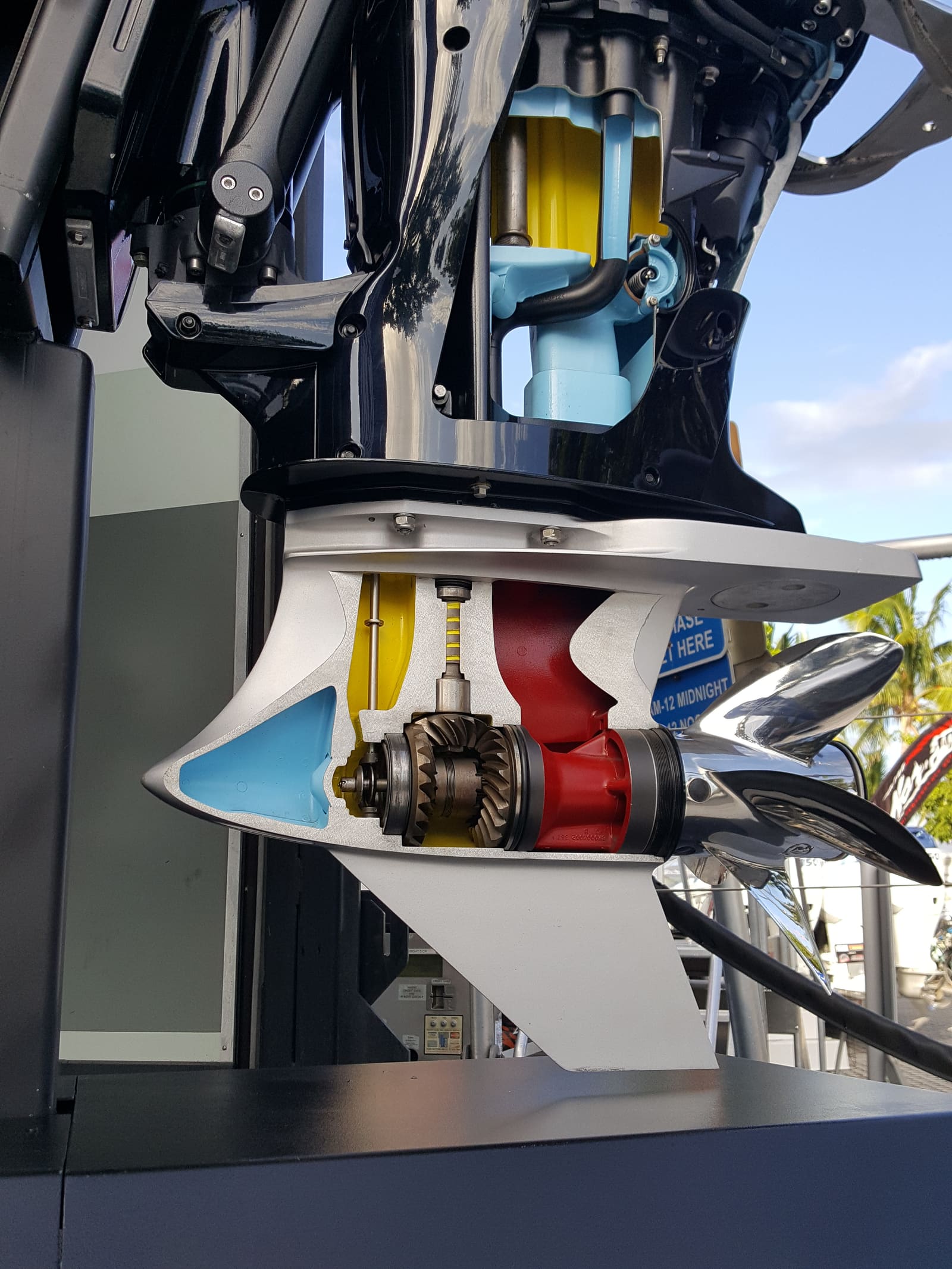
Water in the Lower Unit Keeps Coming Back - Seals and the Pressure Test Explained
Milky gear lube means water is getting past a seal, and changing the oil alone will not stop it. Learn where water gets in (prop shaft seals, driveshaft and shift shaft seals, drain and vent screw gaskets), how a pressure and vacuum test finds the leak, and when to do it yourself or hand it to a shop.
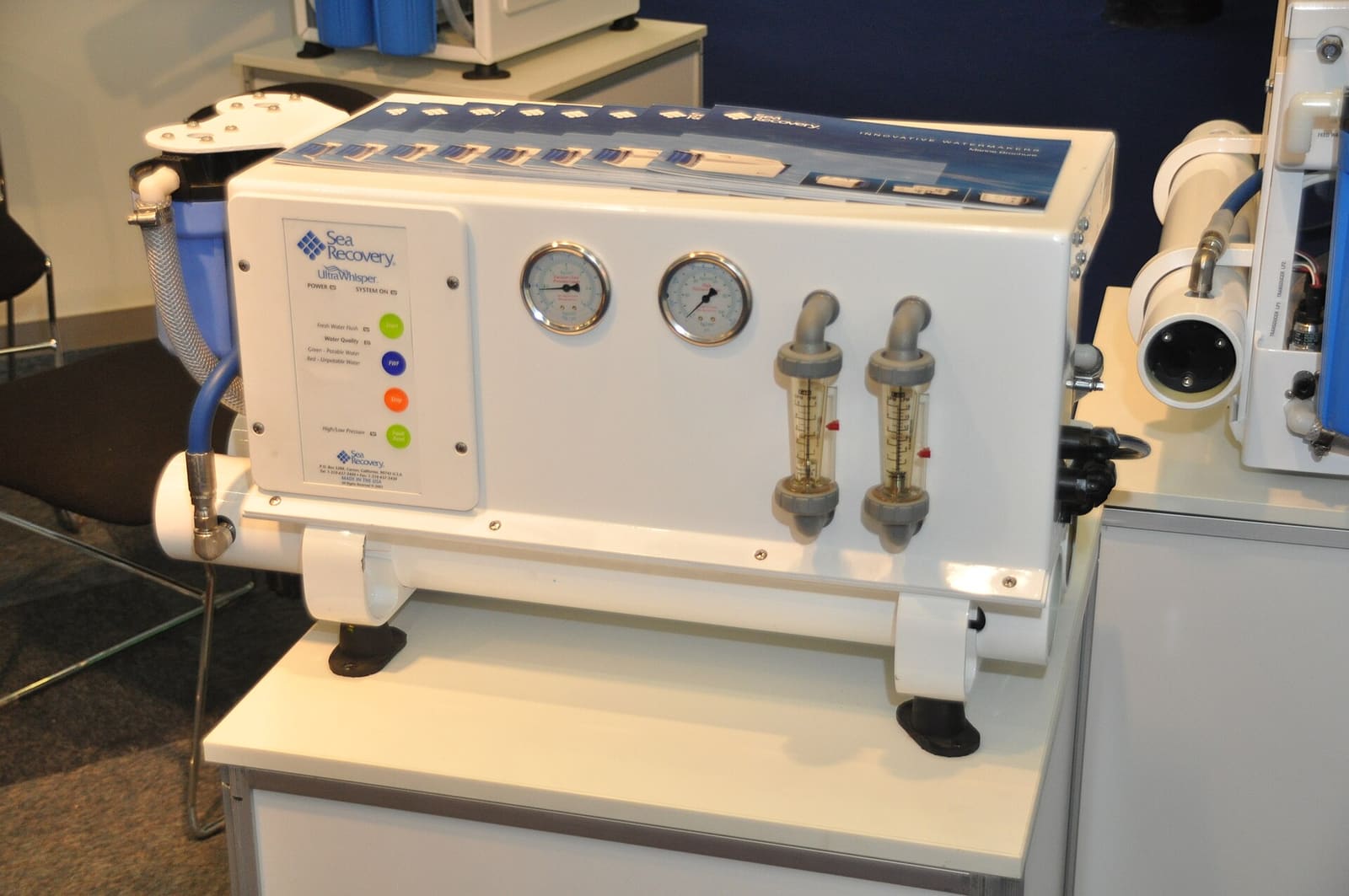
Watermaker Care: Pre-Filters, Flushing, Pickling and Production Checks
Keep a reverse osmosis watermaker making good water for years by changing pre-filters on time, flushing or pickling the membrane whenever it sits, staying out of dirty harbor water and checking every batch with a TDS meter before it goes in the tank.
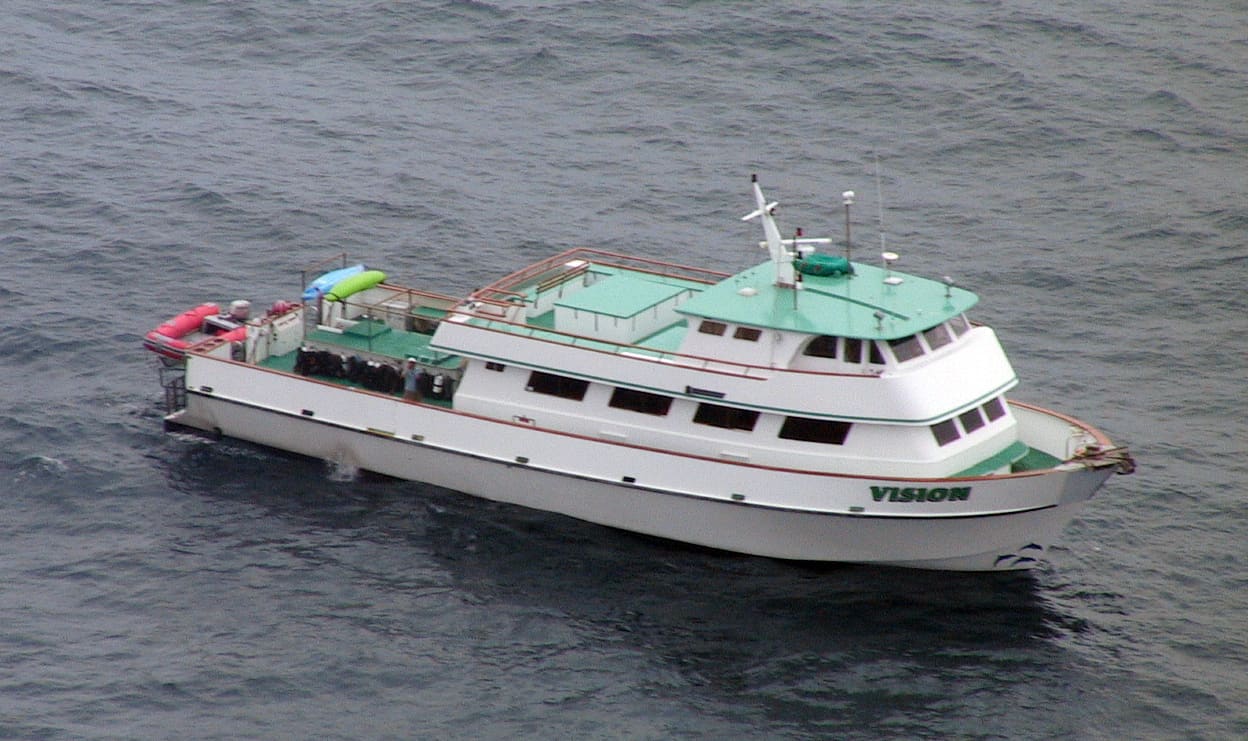
What to Do When Your Boat Is Taking On Water: Emergency Steps and Prevention
A step-by-step emergency plan for water coming into the boat - life jackets on, call for help early on VHF 16, find and slow the leak, pump, and head for shallow water if needed - plus the maintenance checklist that prevents most sinkings.
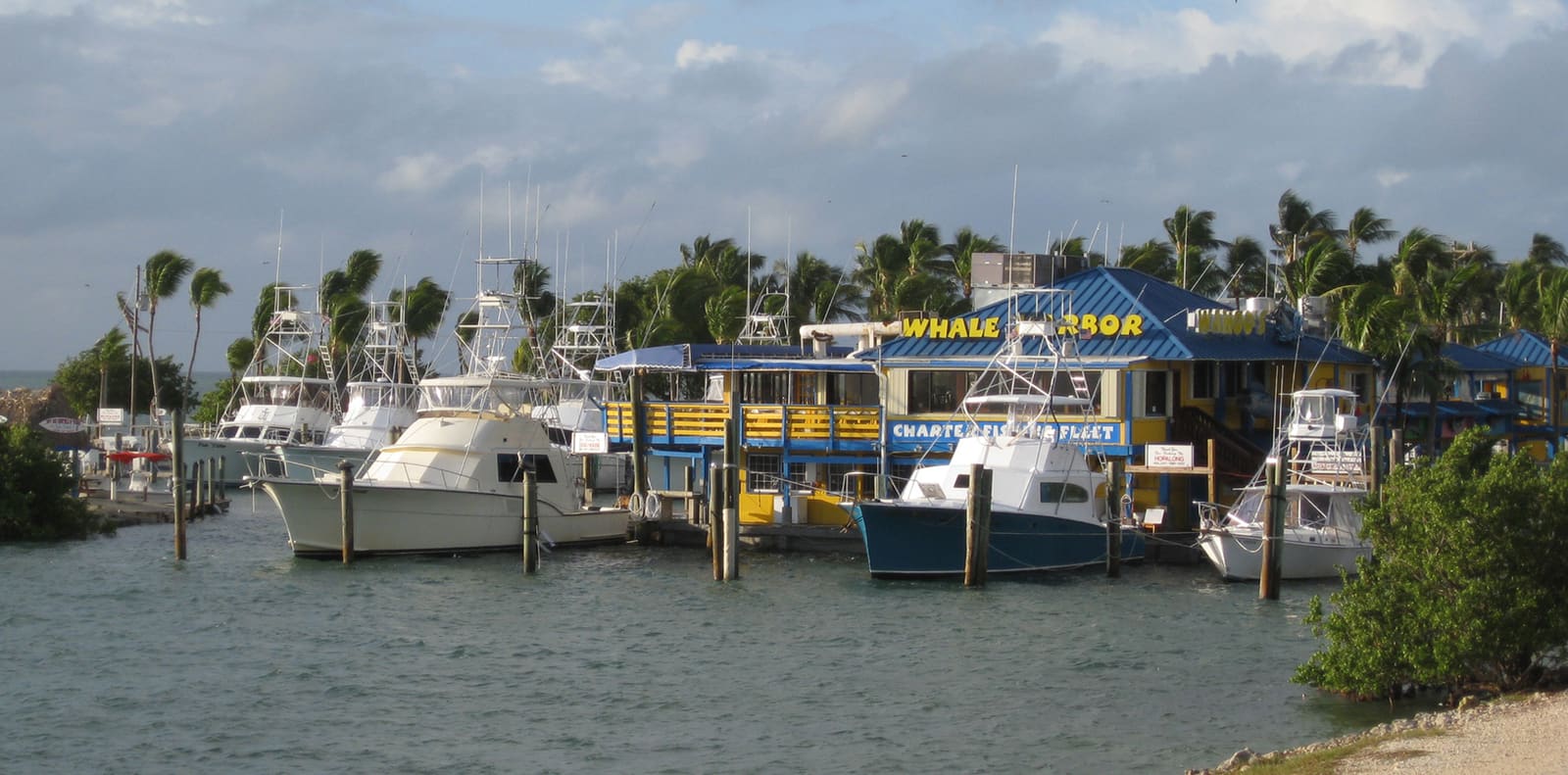
When Guests Chipping In Becomes an Illegal Charter: Passengers-for-Hire Rules for Boat Owners
Friends voluntarily sharing the gas money is fine, but if anyone must pay or bring something as a condition of the trip, your boat is carrying passengers for hire and needs a Coast Guard-credentialed captain, and more than six passengers needs an inspected boat. Learn the legal tests, the six-pack (OUPV) license, what a real bareboat charter looks like, the risks of renting through peer-to-peer apps, and the insurance questions to ask. Practical guidance, not legal advice.
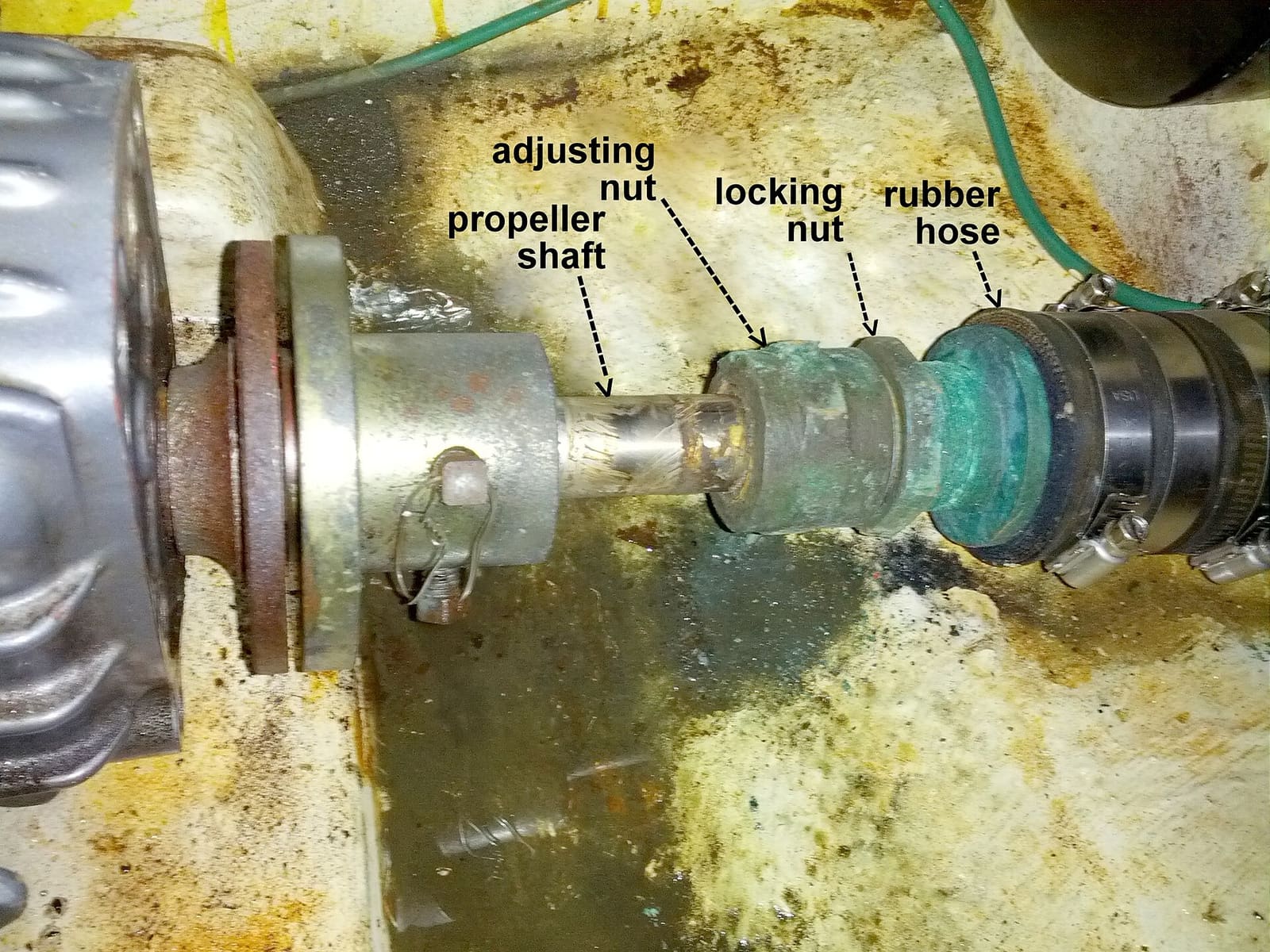
Where Is the Water in My Bilge Coming From? A Step-by-Step Leak Finder
Track down the source of water in your bilge, from the cheapest clues (when it appears, salt or fresh) to the usual suspects: rain and deck drains, the freshwater system, AC condensate, the shaft seal, raw-water hoses and through-hulls. Fix the leak instead of relying on the bilge pump.
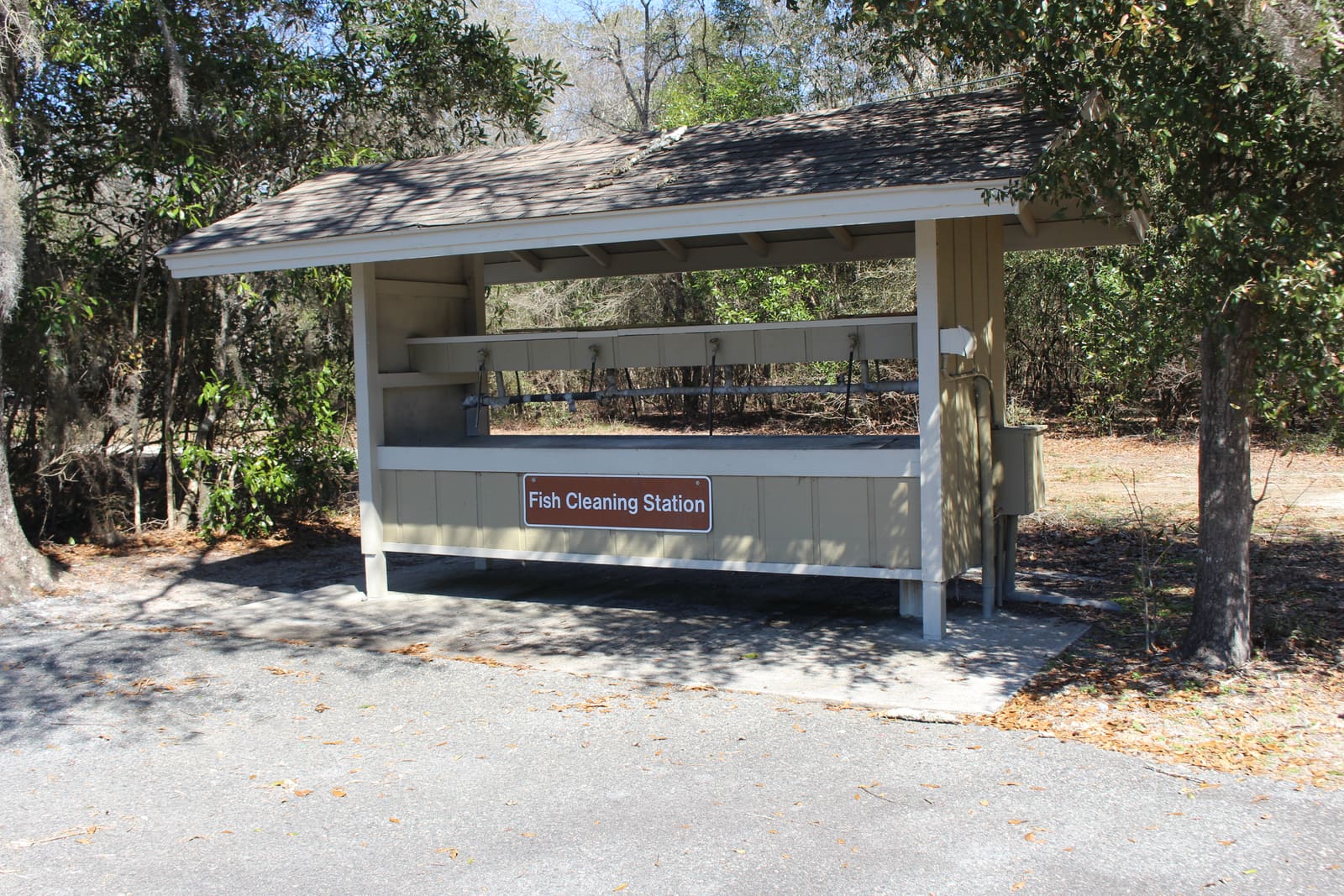
Where to Clean Fish and Get Rid of the Waste: Marina Rules, State Laws and Fishing Line Recycling
Tossing fish guts over the side is legal in some places and a fine in others, and filleting at sea can break size-limit rules. Learn when to keep fish whole, how to use a cleaning station, what to do with carcasses, and how to recycle old monofilament line, with dated examples from state and federal rules.
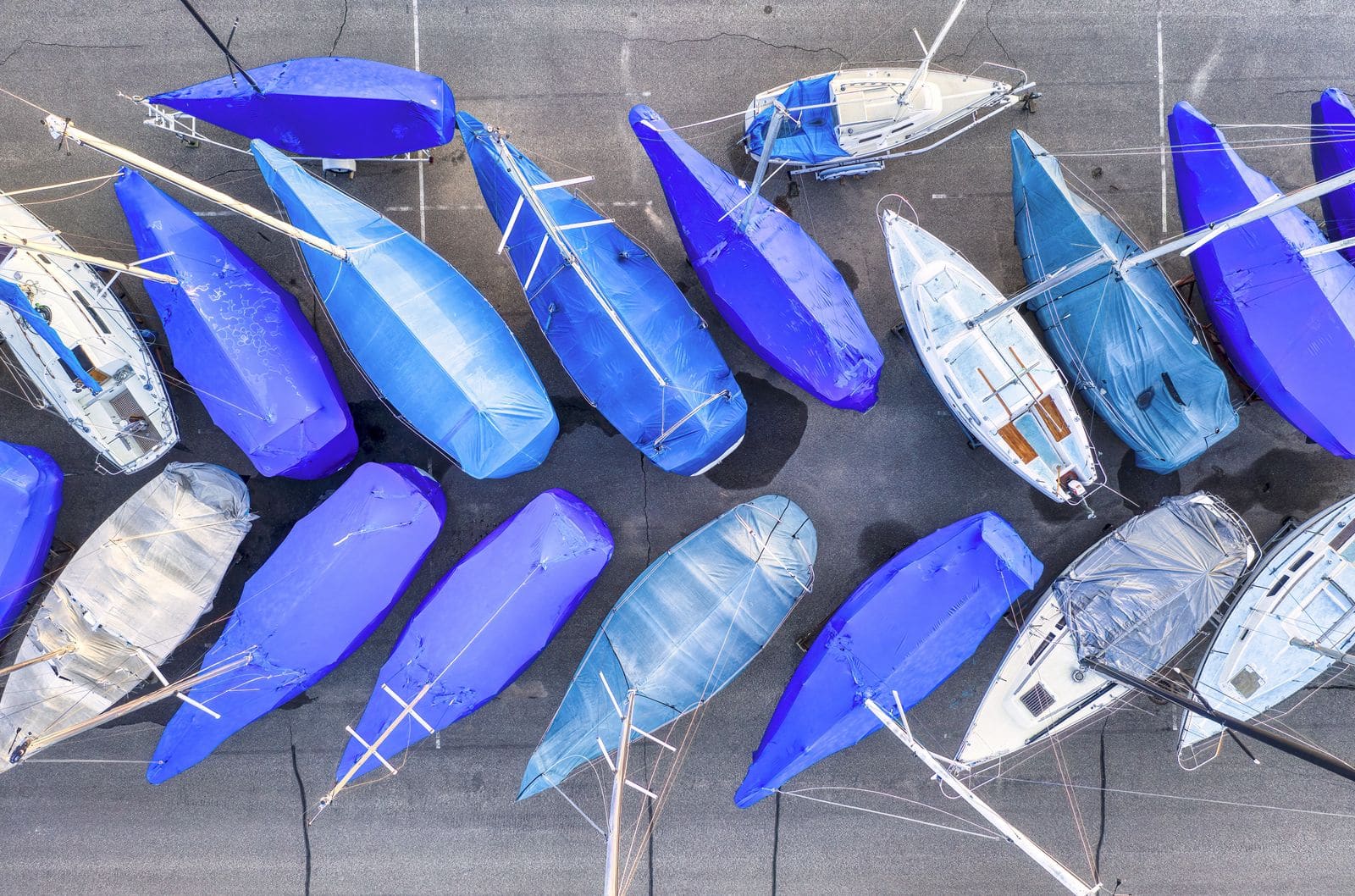
Winter Boat Cover vs Shrink Wrap: Support, Ventilation, Safety and Spring Removal
Choose between a reusable winter cover and shrink wrap, build a support frame that sheds snow, vent it so the boat doesn't mildew, and know the fire risks before you try DIY shrink wrap. Includes spring removal and recycling.
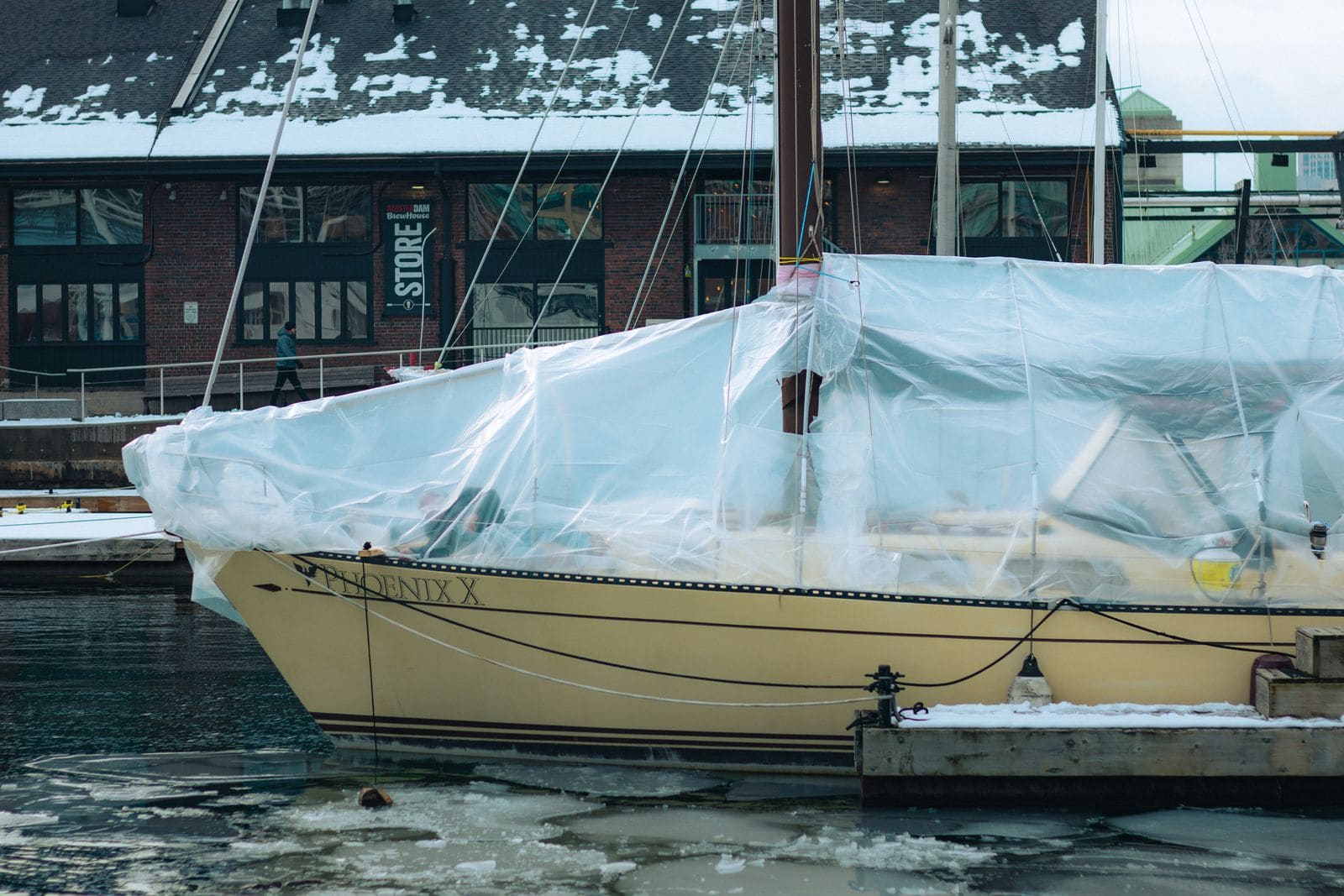
Winter Layup Master Checklist (Step-by-Step, With Links to Each Job)
One ordered checklist for putting any boat away for winter, from booking storage and treating the fuel to winterizing the engine, water systems, head and batteries, then blocking, covering and securing the boat. Each step links to the detailed BoatMend guide for that job.

Wireless Engine Cut-Off (ECOS) Fobs: Pairing, Battery Checks, Testing and the Law
How wireless kill-switch systems such as Fell Marine MOB+, Mercury 1st Mate, Garmin OnBoard and Yamaha's wireless MOB tags work, how to pair and test them, when to change fob batteries, how they fit the federal engine cut-off law compared with a lanyard, and why you should always carry a spare.
Safety: BoatMend is for information only and does not replace a certified marine technician. You are responsible for your safety and your boat. Read the full disclaimer.