Repair & maintenance guides
Plain-English, step by step, written for owners. Pick your engine to see the guides that apply to it.
90 of 509 guides · page 4 of 4
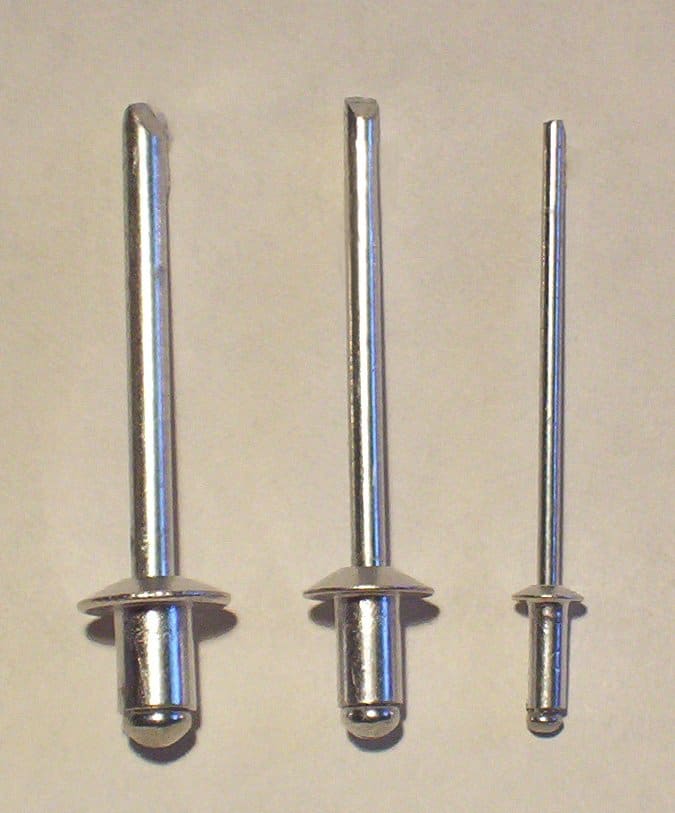
Mounting Hardware Where You Can't Reach Behind: Blind Fasteners
Learn how to mount light accessories on a boat when you can't get a hand behind the panel, using blind rivets, rivet nuts, well nuts, toggle anchors and bonded studs, when to cut an inspection port instead, and what must never be held by a blind fastener.

Oil or Fuel in the Bilge: Safe, Legal Cleanup
What to do when you find oil, diesel or gasoline in your bilge. Soak it up with oil-only absorbents, keep it from being pumped overboard, dispose of it properly, report any sheen on the water to the National Response Center, and find the leak so it does not happen again.
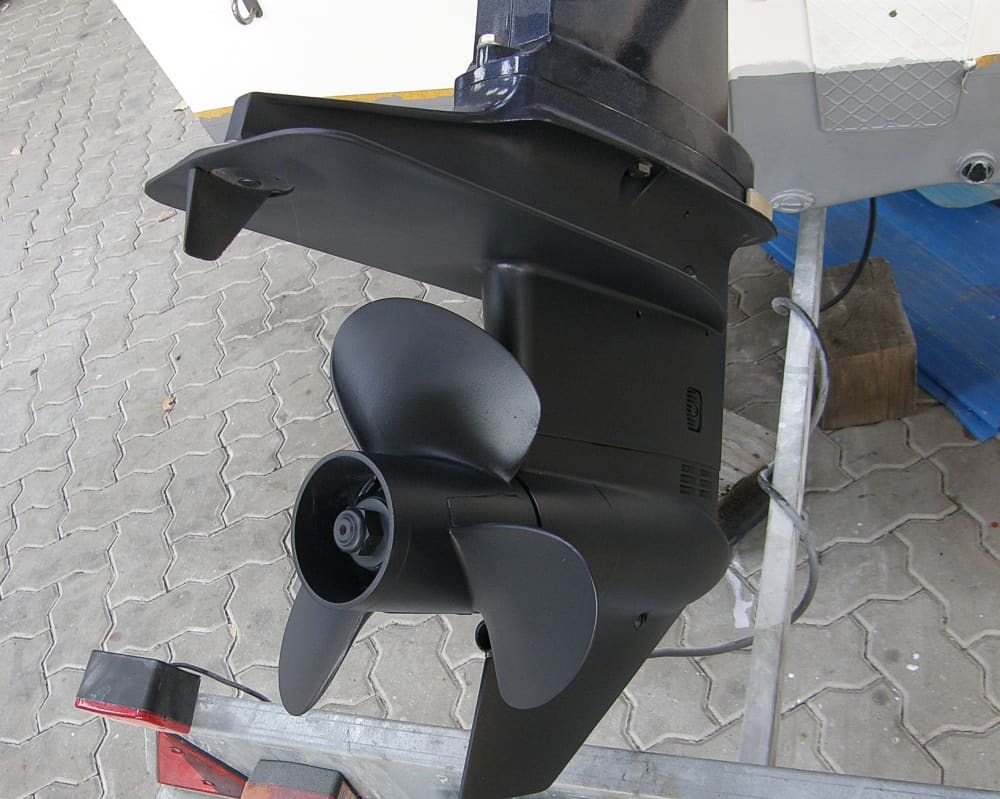
Outboard Hydrofoil Fins: Do They Help, and How to Install One Safely
Learn when a bolt-on hydrofoil (the fin that mounts on the anti-ventilation plate) can help a boat plane sooner or stop porpoising, what it can cost you in top speed and handling, and how to mount one without drilling into an anode, trim tab or speed pickup.
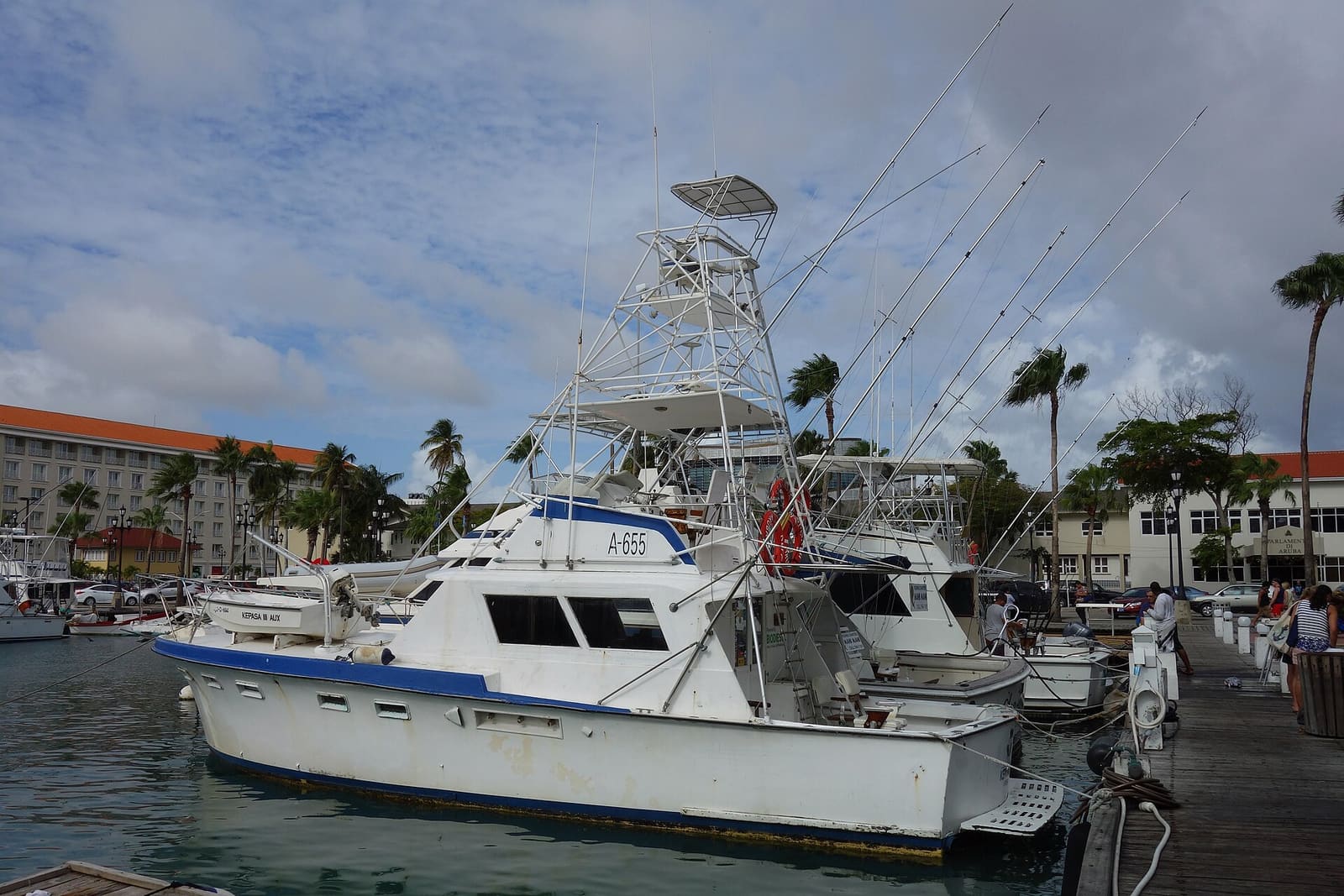
Outrigger Care: Poles, Halyards, Release Clips and Bases
Keep your outriggers strong and working by rinsing them after every trip, checking poles, halyards, pulleys, release clips and through-bolted bases for wear and corrosion, storing them down and secured, and handling them safely under way and near power lines.
Power-Lift Kicker Brackets: Wiring, Waterproofing and Actuator Care
An electric kicker lift raises and lowers your trolling motor at the push of a button, but its actuator, relay and wiring live in the wettest spot on the boat. Learn how to check the load rating, wire and fuse it properly, keep water out of the actuator, grease and fog it the way the maker says, and what to do when it won't move.
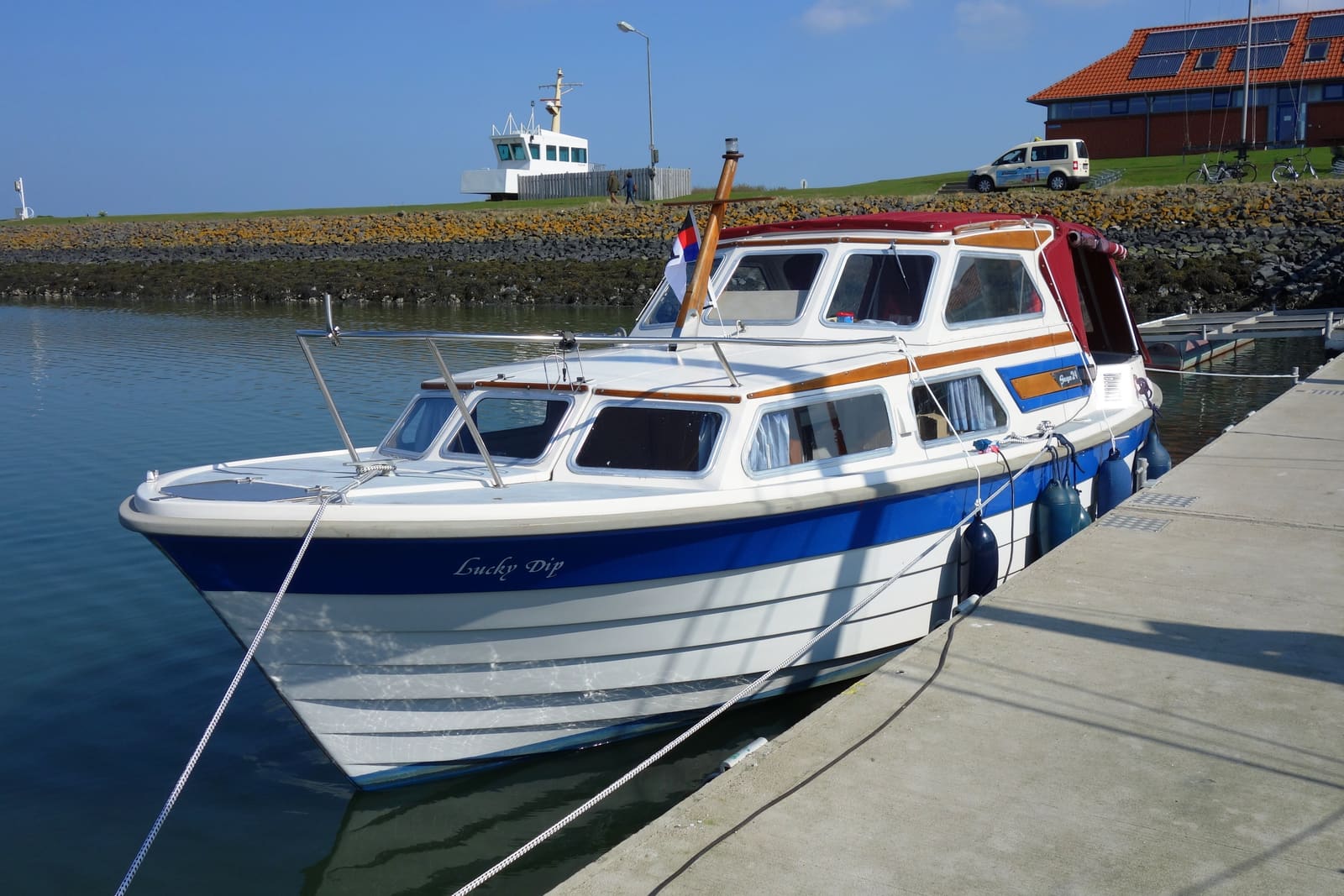
Protecting a Docked Boat: Mooring Whips, Bumpers, Fender Boards and Chafe Gear
Set up your dock or slip so wakes, wind and tides don't grind your hull against it, using mooring whips, dock bumpers, fender boards, spring lines and chafe gear, and know what these can and can't do in a storm.
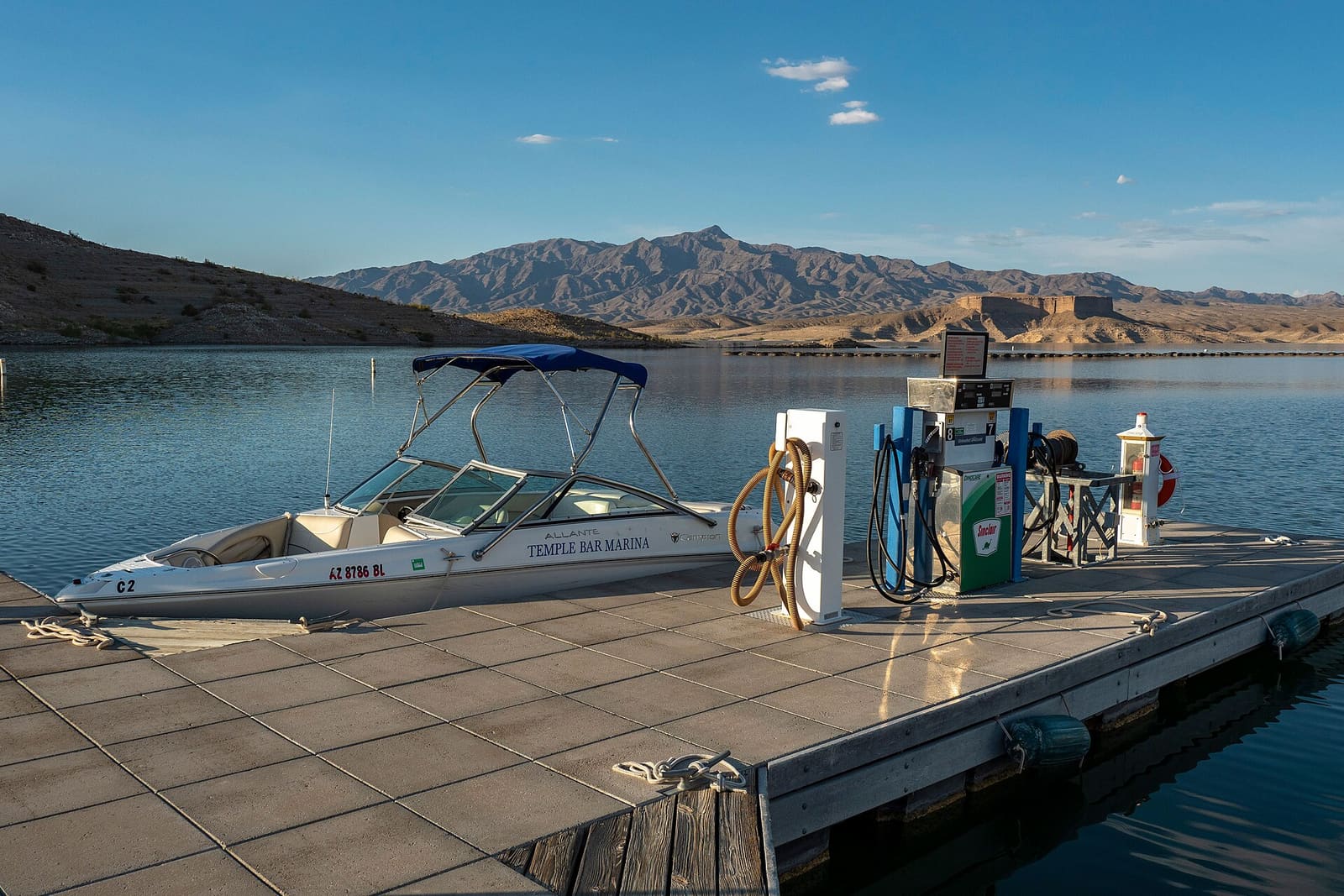
Replacing a Built-In Boat Fuel Tank: What's Involved and Why It's Usually a Pro Job
A leaking built-in gas tank is a fire and explosion risk that has to be fixed, not patched. Learn the signs a tank needs replacing, why foamed-in aluminum tanks corrode, what a compliant replacement tank and label look like, how access, grounding, hoses, vents and foam should be handled, and how to plan and check the work.
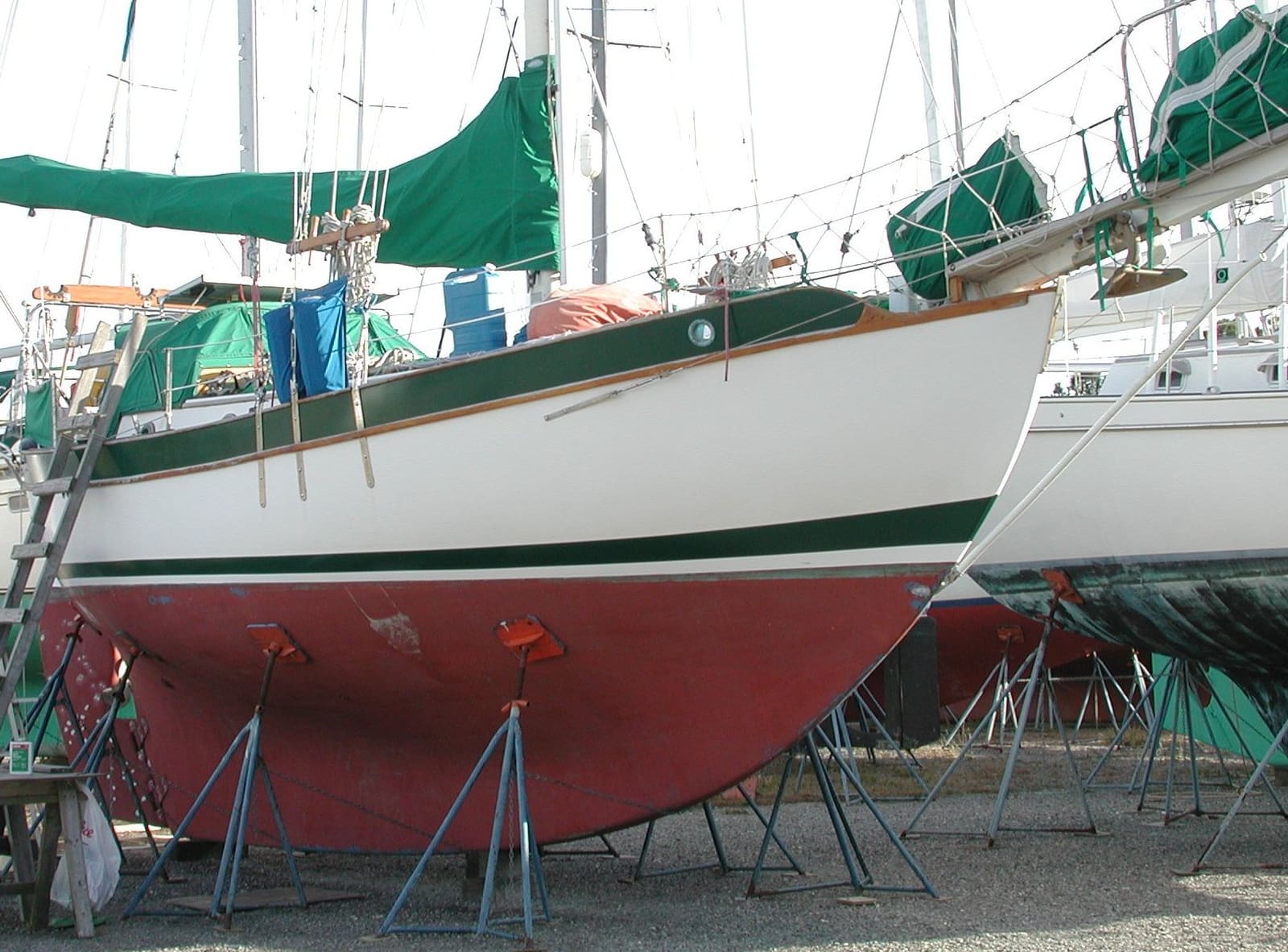
Replacing a Seacock or Through-Hull Fitting
When a seacock is frozen, corroded or really a gate valve, it has to be replaced with the boat out of the water. Learn what a proper seacock is, bronze vs Marelon, why the through-hull and backing block usually get replaced too, how the job is done, and when to hand it to a yard.

Shock-Absorbing Boat Seats and Pedestals: Choosing, Installing and Adjusting
Pounding through chop hurts backs and necks, and hard wave impacts can fracture a spine, especially up front. Learn the difference between a shock-absorbing pedestal and a suspension seat base, how to mount one solidly, how to set it for the rider's weight, and the simple care that keeps it working, plus the seating and driving habits that matter just as much.
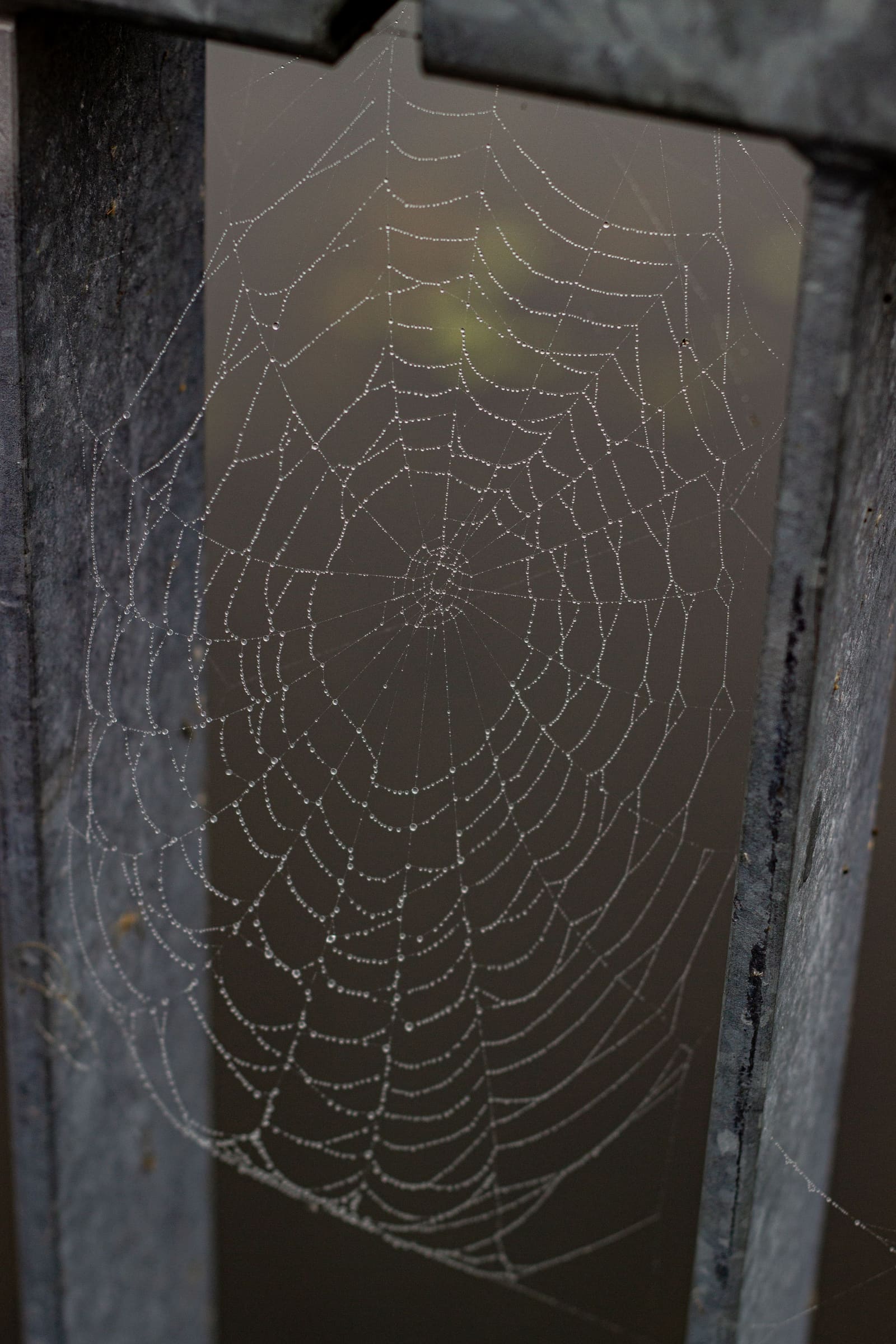
Spiders, Wasps and Insects on Your Boat: Prevention and Safe Cleanup
Why boats attract spiders, mud daubers, wasps and swarming lake insects, how to clean webs and droppings without harming gelcoat or canvas, and how to keep nests out of the vents, telltales and fittings your boat needs to breathe.
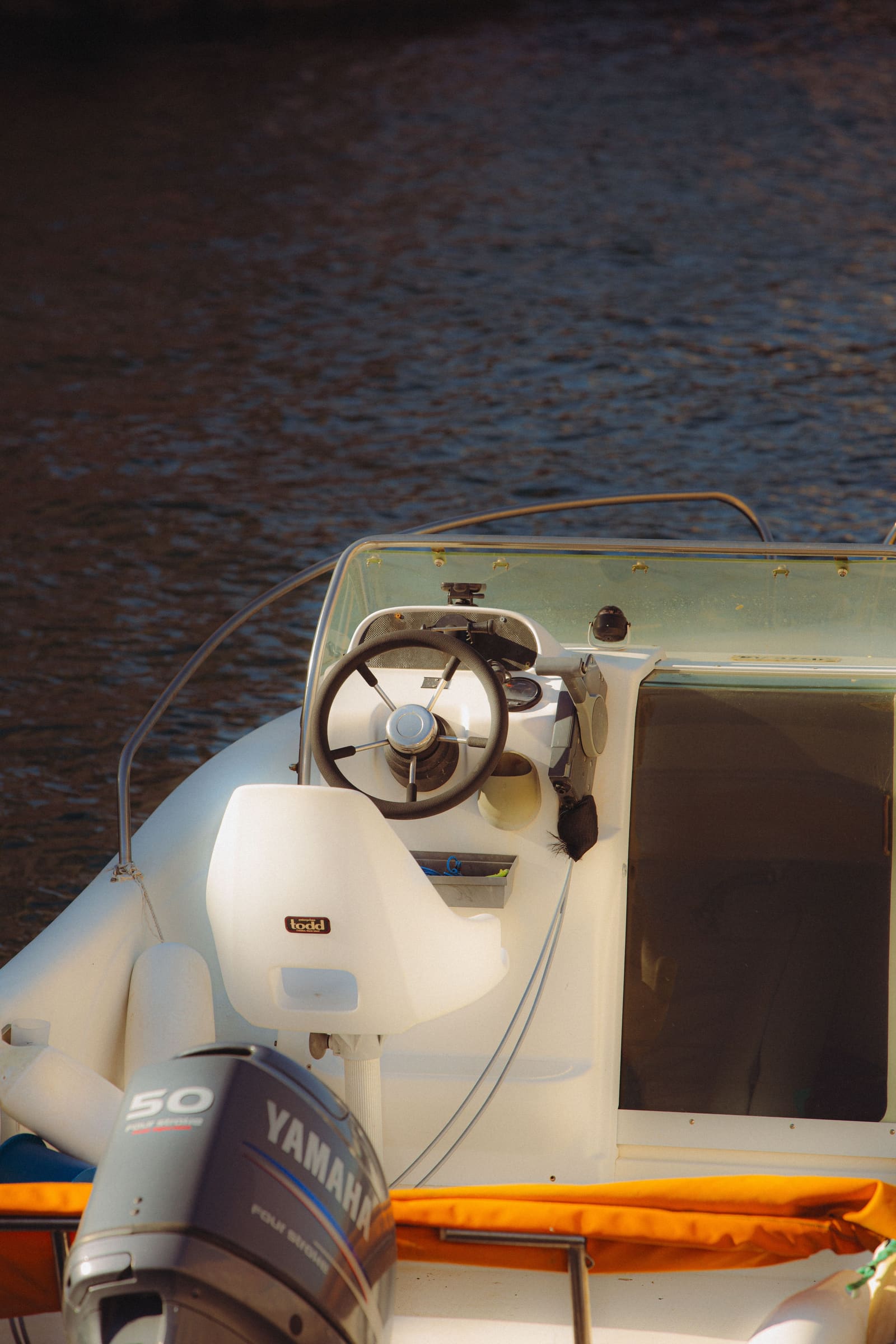
Stiff or Seized Mechanical Steering - Lubricate, Inspect and Replace the Steering Cable
Fix hard, notchy or loose cable steering on an outboard boat. Find out whether the engine, the tilt tube, the cable or the helm is the problem, clean and grease what can be serviced, and measure and install a new cable correctly when the old one is done.
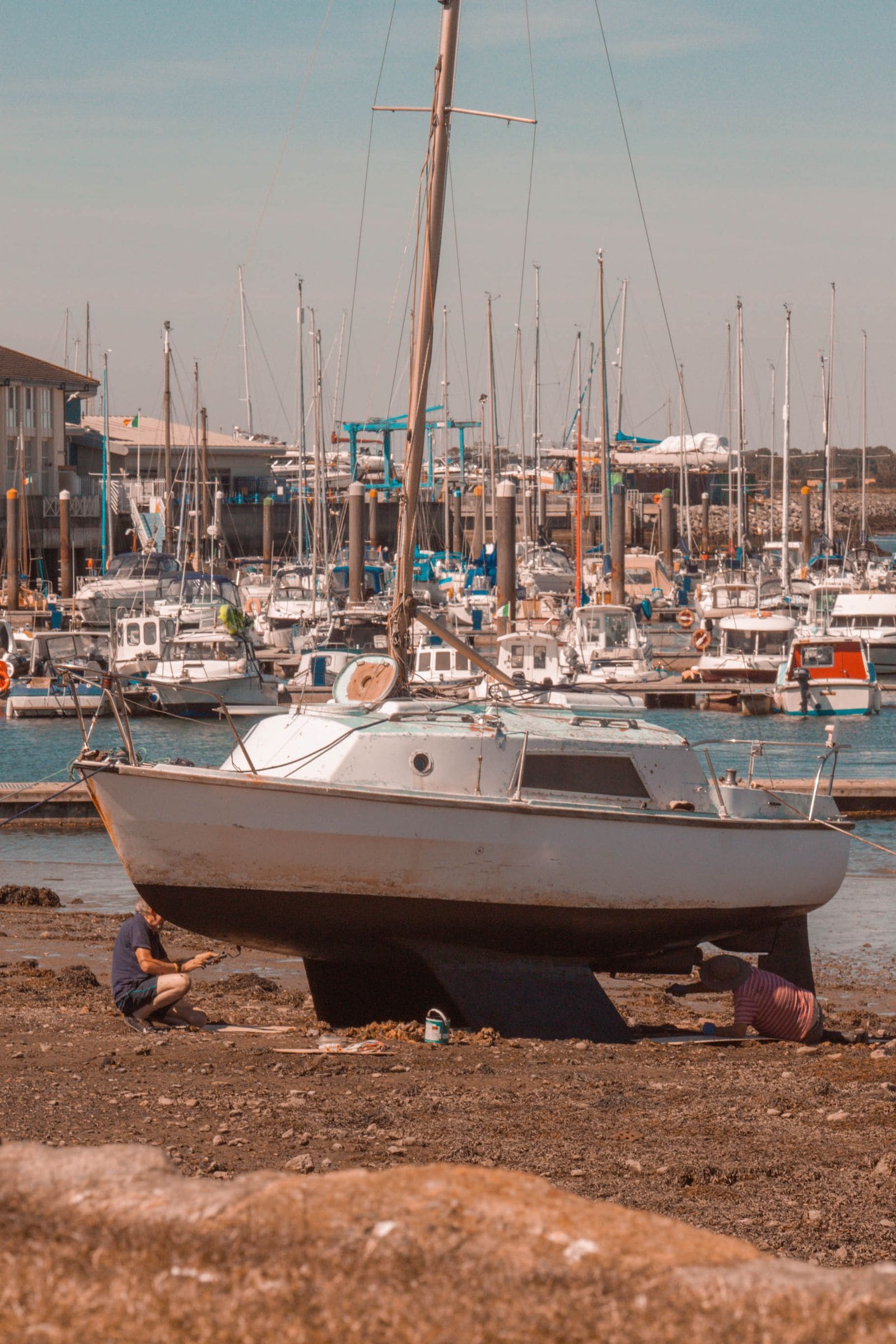
Stress and Spider Cracks in Fiberglass, Cosmetic or Structural?
Learn what causes spider, stress and hairline cracks in your boat's gelcoat, how to tell cosmetic crazing from a structural problem with a simple tap and flex check, and when a gelcoat repair is enough or a pro is needed.
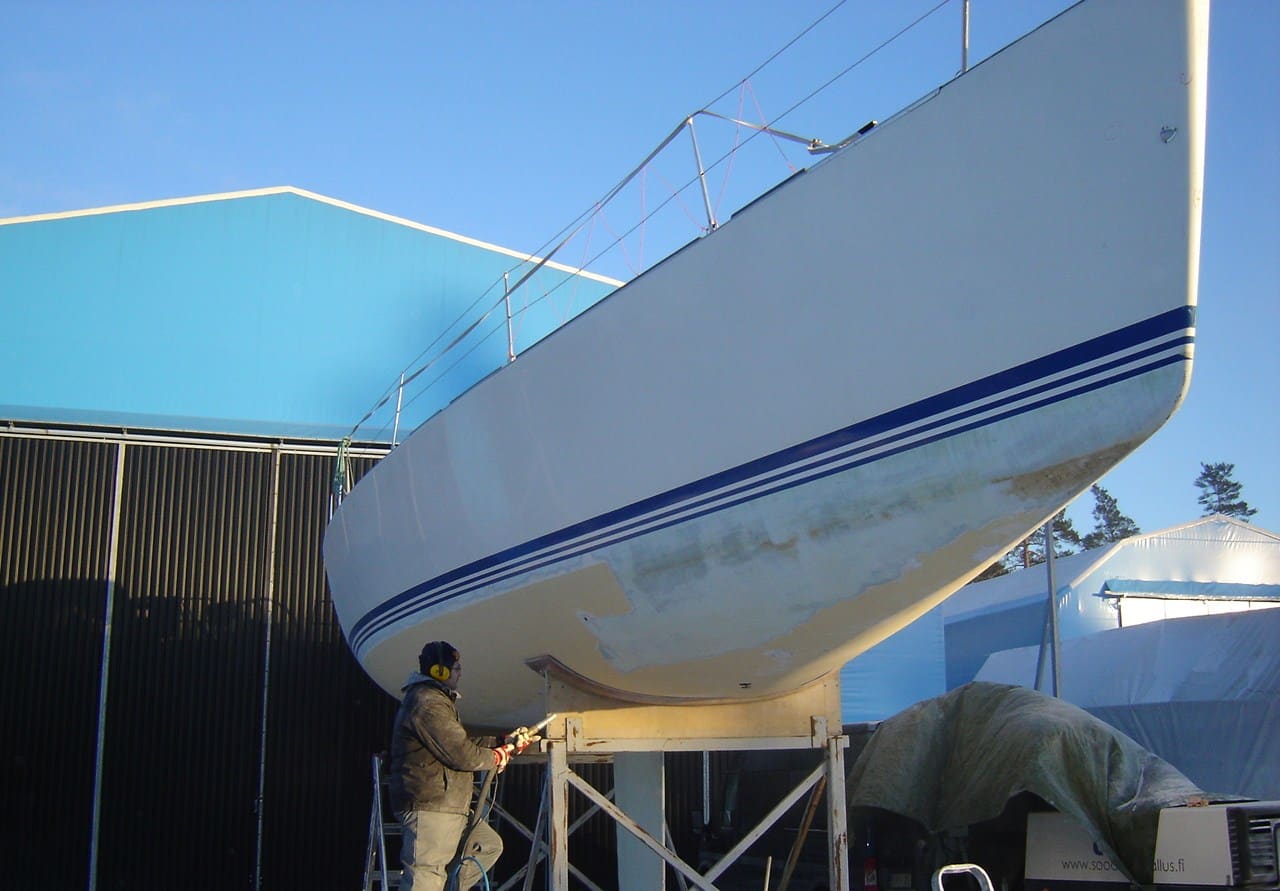
Stripping Old Bottom Paint: Chemical Strippers, Blasting and Sanding
Learn when old bottom paint has to come off, how chemical strippers, soda or media blasting and sanding compare, how to protect yourself and the water from toxic dust, and why a bare hull needs primer or a barrier coat before new antifouling.
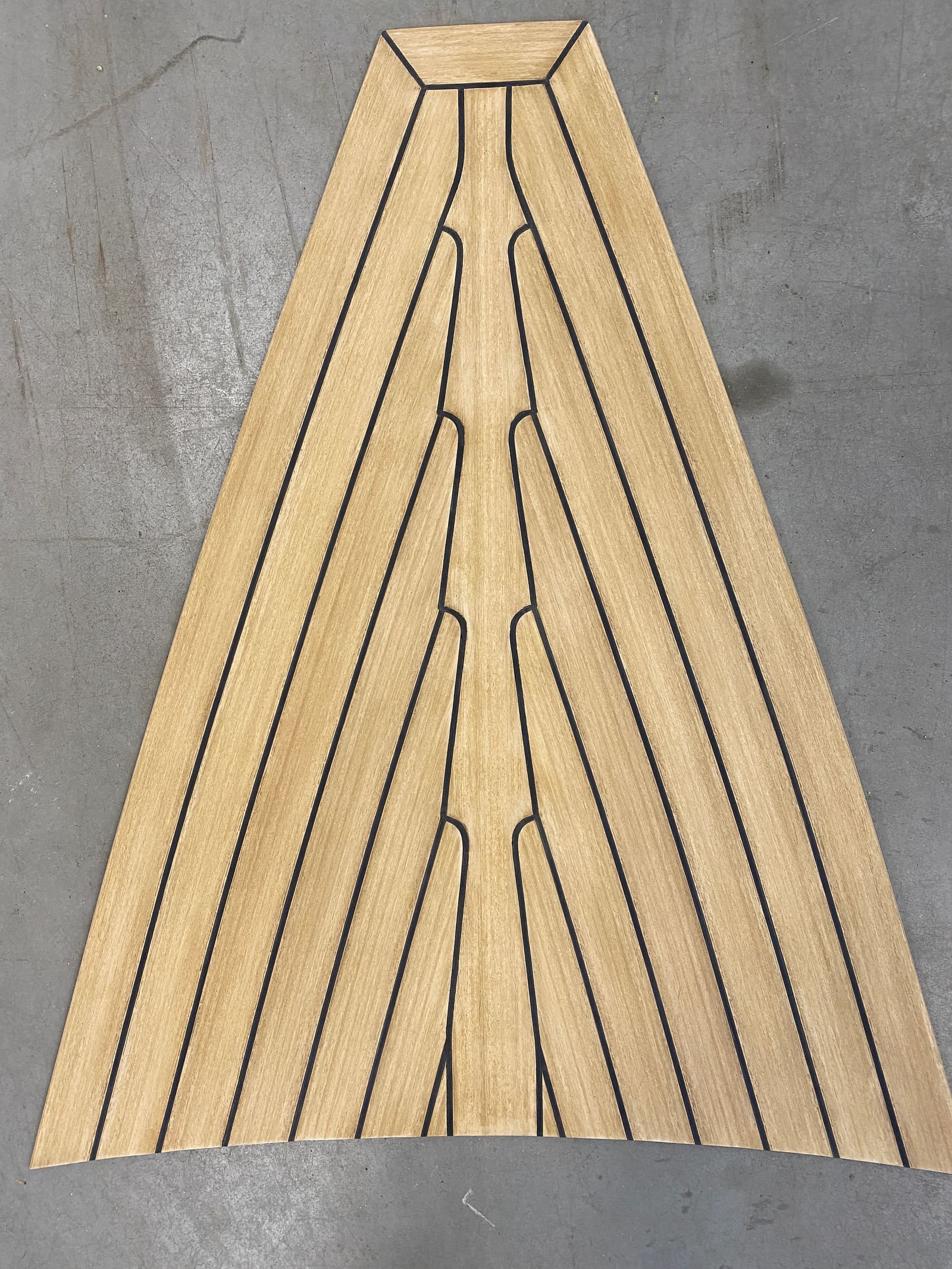
Synthetic Teak Decking: Choosing, Installing and Caring for PVC Teak
PVC "teak" such as Flexiteek, PlasDECK and Permateek gives you the teak look without oiling or recaulking, but it is glued down for good and it gets hot in the sun. Learn how it compares with real teak and foam, what a pro or DIY install involves, and how to clean, repair and keep the warranty valid.
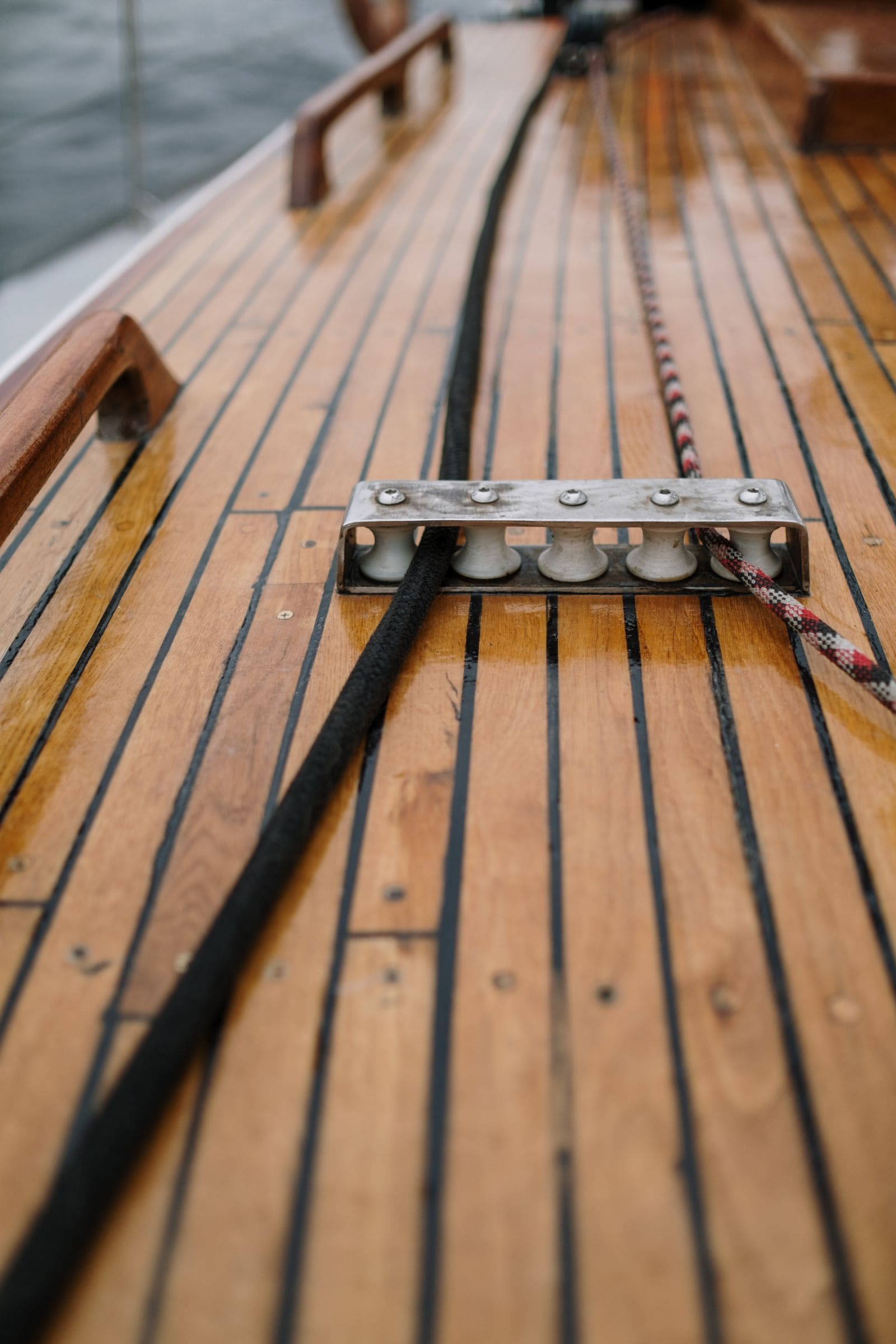
Teak Deck and Trim Care: Clean, Oil, Seal or Leave It Natural
Keep teak decks, rails and trim looking good without wearing them away. Choose between a natural gray look, oil, sealer or varnish, and learn how to clean teak gently so you don't destroy it with harsh cleaners or a pressure washer.
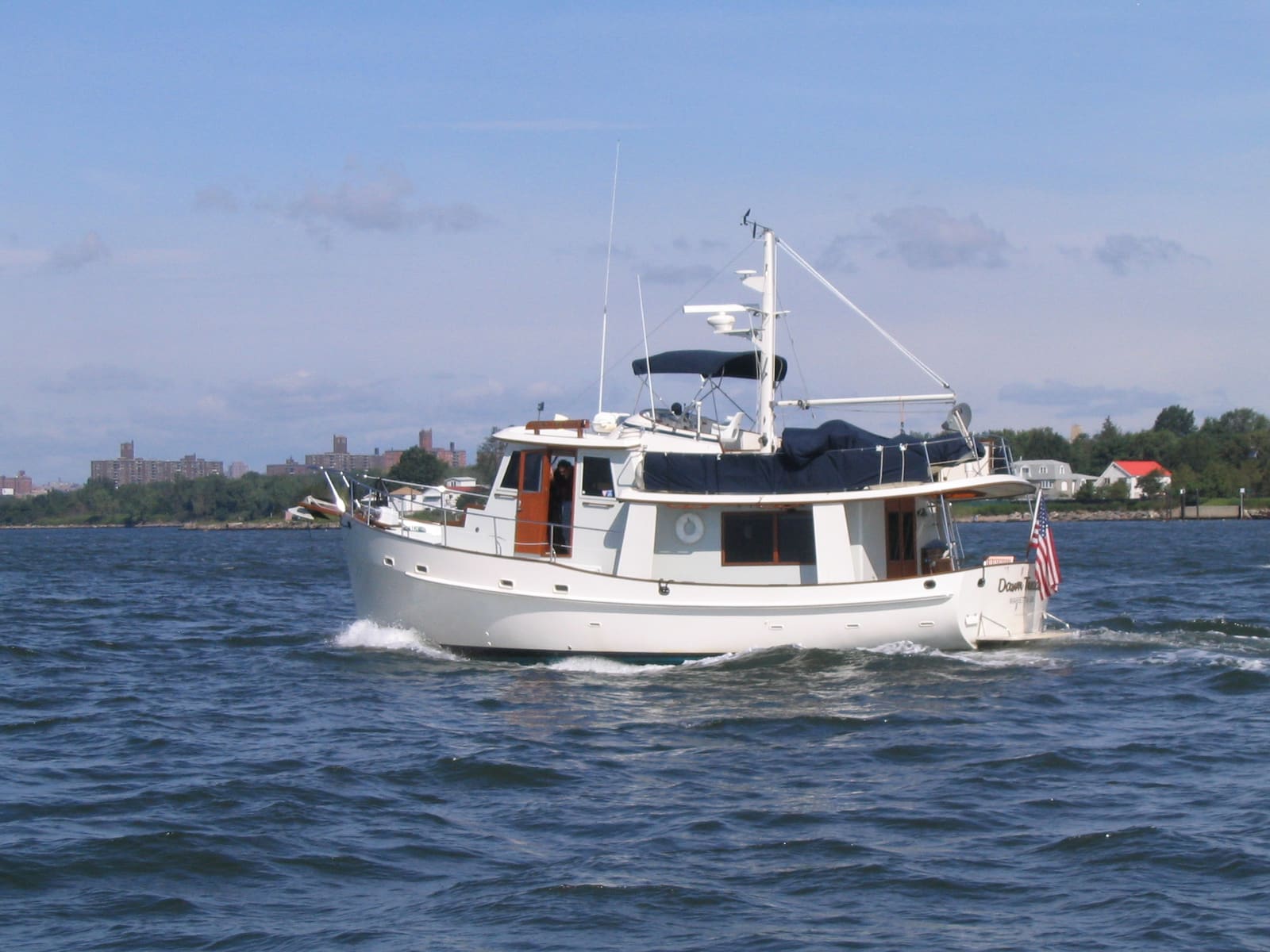
Type I and II Treatment Systems (Electroscan, Purasan, Lectra/San): Care, Salt, Tablets and Winter
A flow-through treatment system lets a boat discharge treated waste where the law allows, but only if it works and only outside no-discharge zones. Learn how these units work, why salt and tablets matter, how to keep electrodes and dispensers clean, how to lock the system in a no-discharge zone, and how to lay it up dry for winter.
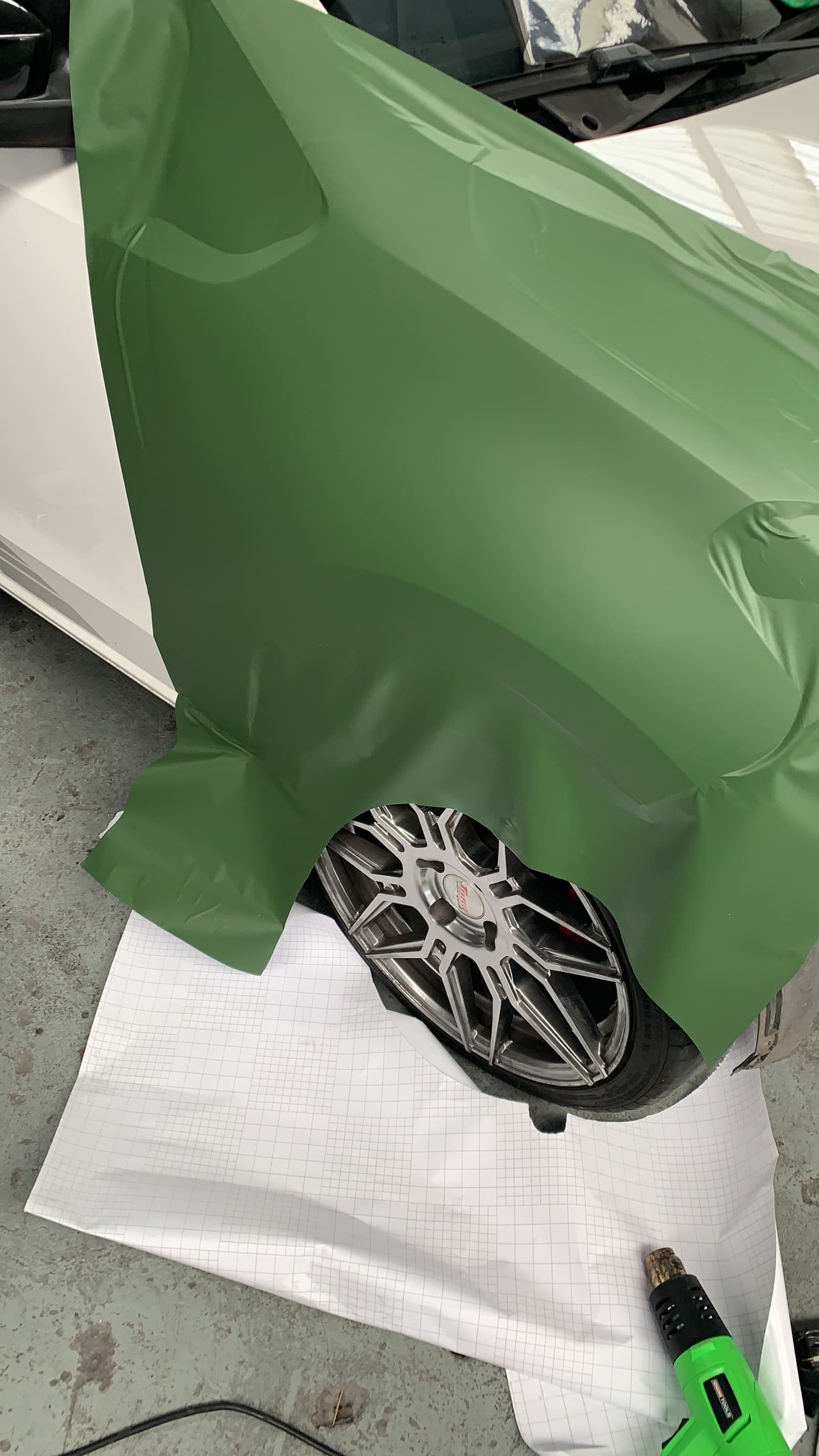
Vinyl Hull Wraps: Pros, Cons, Prep, Care and Removal
Find out whether a vinyl wrap makes sense instead of paint for your hull, how to prep for it, when to hire an installer, how to wash it without ruining it, and why wraps stop at the waterline.
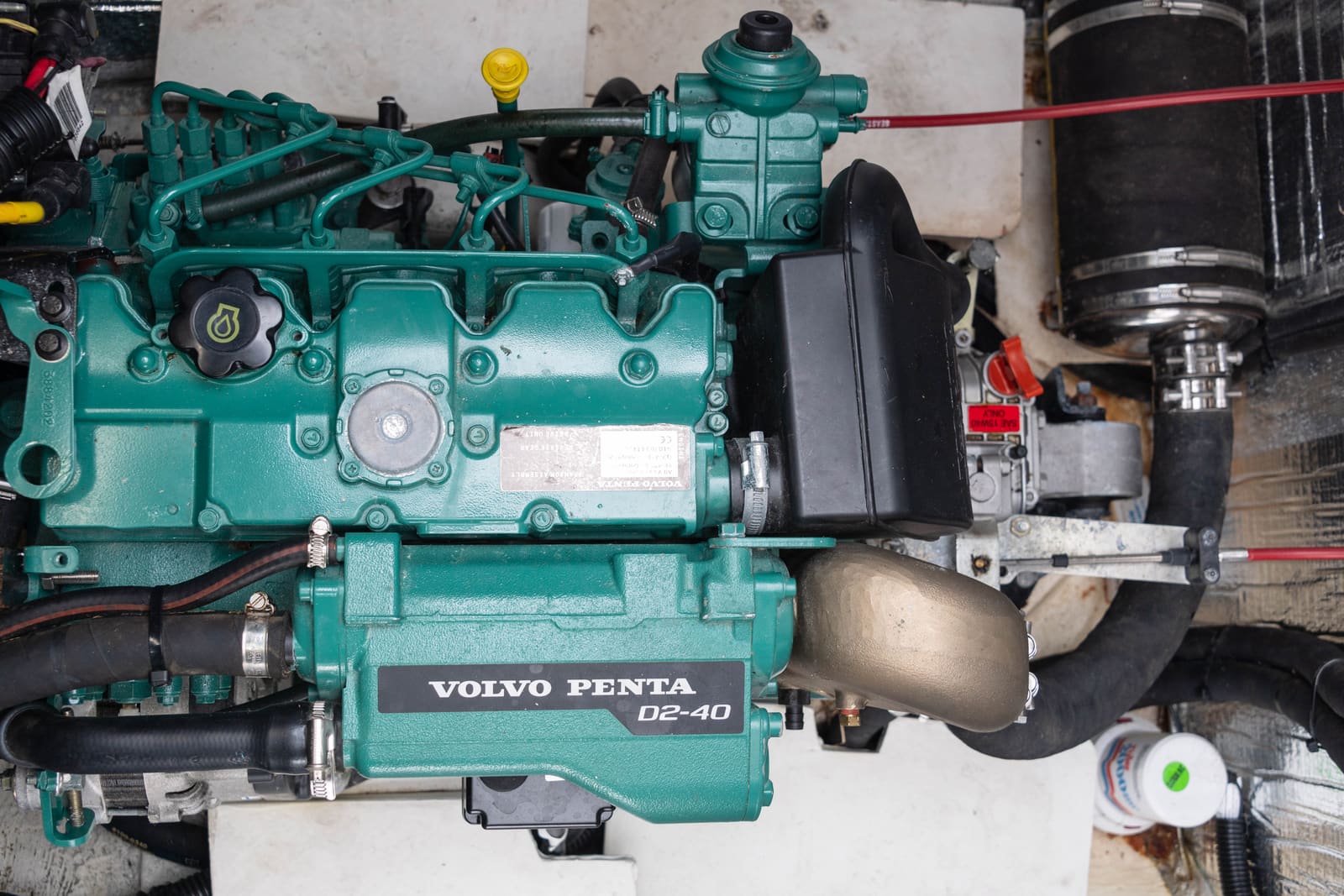
Wet Exhaust and Waterlift Mufflers: Stop Water Flooding the Engine and Catch Leaks Early
On most sailboats and many power boats, cooling water is sprayed into the exhaust and pushed out through a waterlift muffler. Learn how the system works, why long cranking can flood the engine with seawater (and when to close the seacock), and how to inspect the muffler, hoses, clamps and siphon break, including the scorch marks that tell you the exhaust once ran dry.
Safety: BoatMend is for information only and does not replace a certified marine technician. You are responsible for your safety and your boat. Read the full disclaimer.