Repair & maintenance guides
Plain-English, step by step, written for owners. Pick your engine to see the guides that apply to it.
26 of 509 guides · page 1 of 2
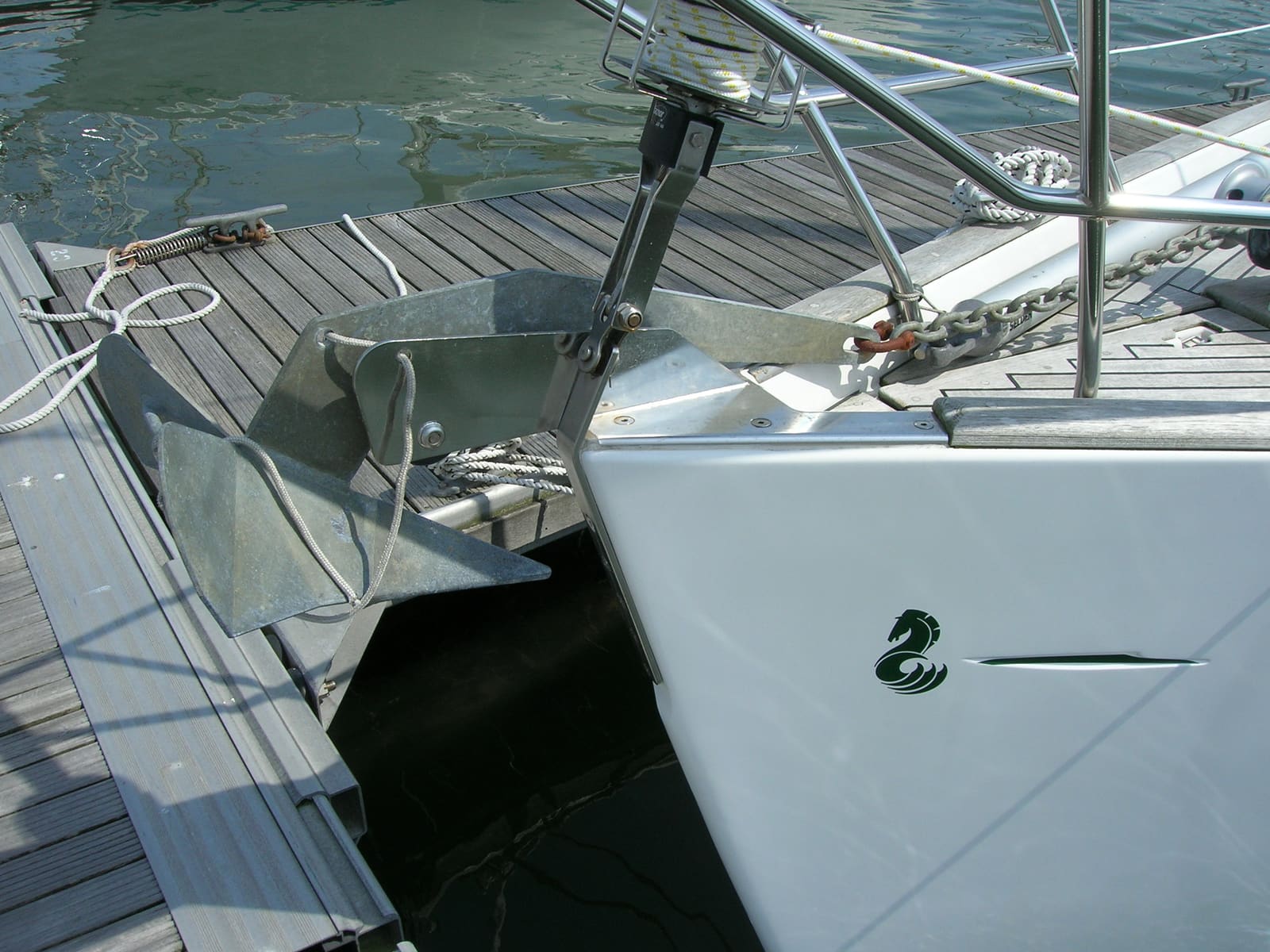
Anchor Basics: Choosing the Anchor, Rode and Scope, Setting It and Checking Your Gear
Match your anchor to the bottom you usually anchor in, put together a chain-and-nylon rode, let out enough scope for the depth and weather, set and check the anchor, use an anchor alarm, and inspect the rode, splices and shackles every season so the weakest link isn't hiding in your ground tackle.
Boat Horns and Sound Signals: Requirements, Testing and the Signals Every Skipper Should Know
Every boat needs a way to make an efficient sound signal, and bigger boats need a proper whistle or horn. Learn the Coast Guard requirements by boat length, how to test and fix an electric horn, why a canister air horn makes a good backup, and the basic passing, danger and fog signals.
Boater Education Cards: Who Needs One, How to Get It and When It Works in Other States
Most states require some boat operators to complete an approved boating safety course and carry proof. Learn how to find your state's rule (age, horsepower, boat type), pick a NASBLA-approved course, get the card, use it when you visit other states, and what rental and other exemptions usually look like. Practical guidance, not legal advice.
Boating Accident Reports: When You Must File and What to Collect
Know when federal rules require a written boating accident report, how fast it is due, who to send it to and what details and photos to gather at the scene, so you meet the deadline and your insurance claim goes smoothly. Practical help, not legal advice.
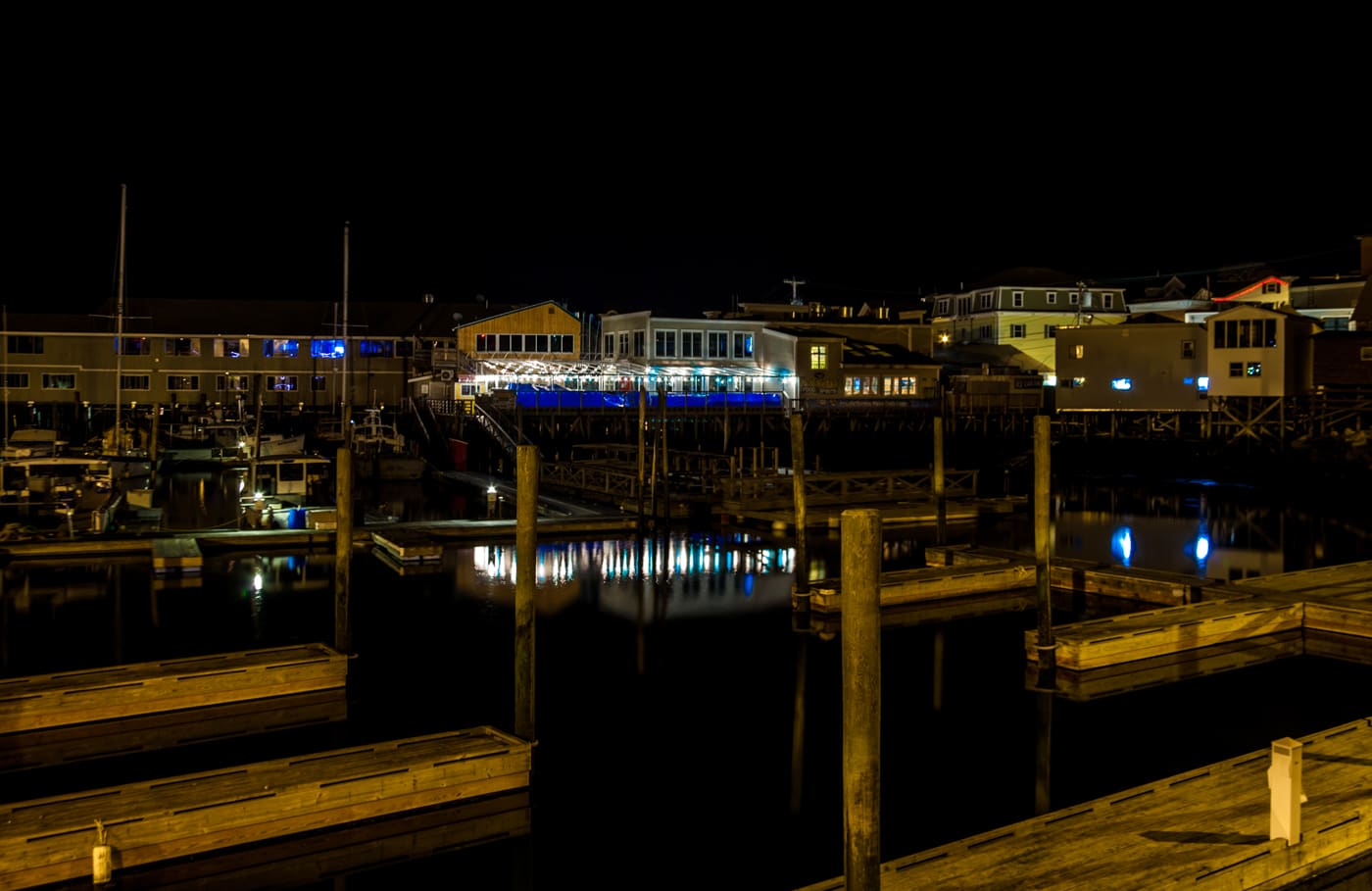
Boating at Night: Lights, Speed, Night Vision and Reading Other Boats
Get ready for a safe run after dark, from checking your navigation lights and dimming the helm to slowing down, reading other boats' lights and buoys, keeping life jackets on and leaving the alcohol ashore.
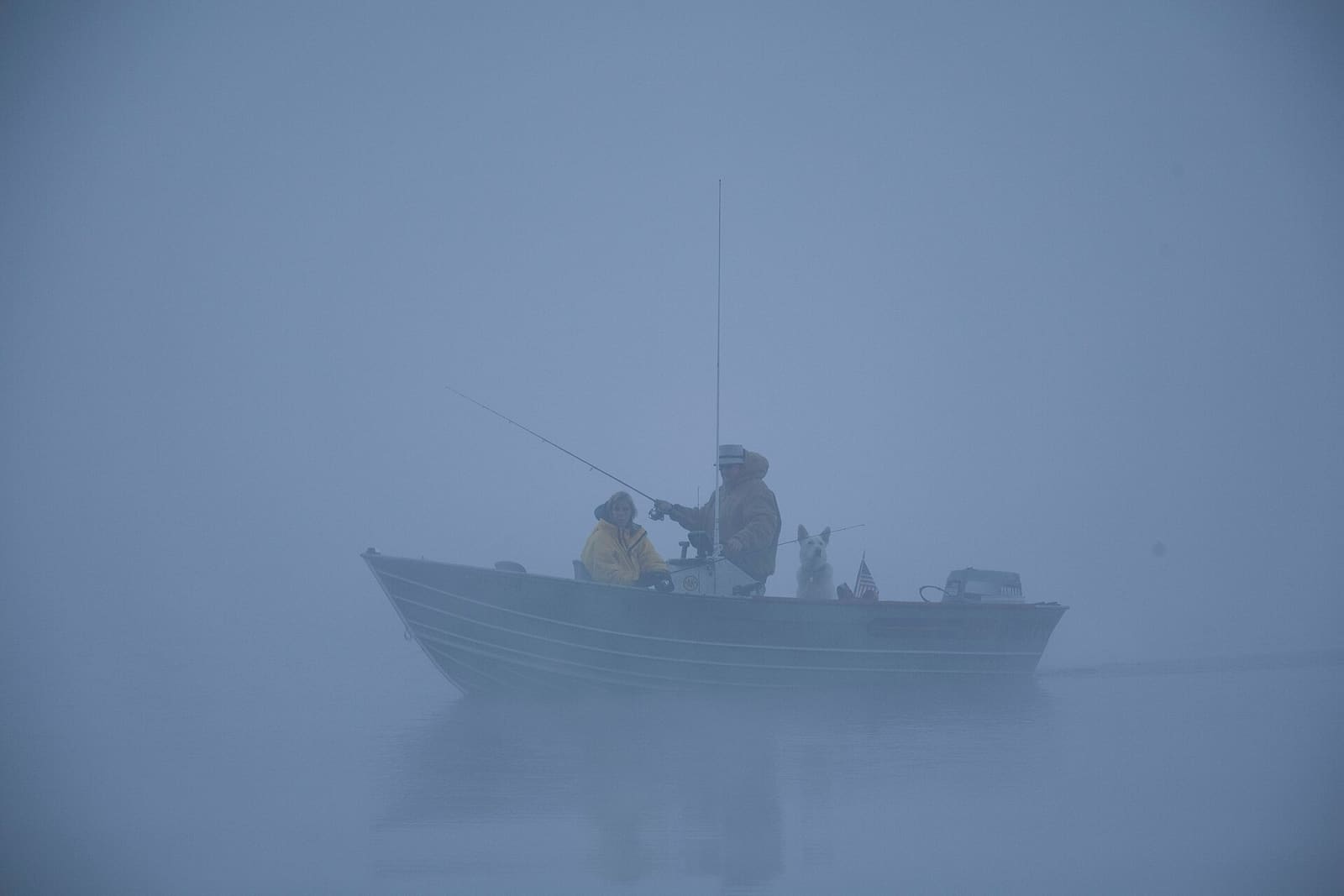
Boating in Fog: When to Stay In, Sound Signals, Safe Speed and Using Your Electronics
Fog can roll in on any lake, bay or coast. Learn when to stay at the dock, the fog signals the Coast Guard rules require, how slow is slow enough, how to use radar, AIS and your chartplotter without trusting them blindly, and when to simply anchor and wait it out.
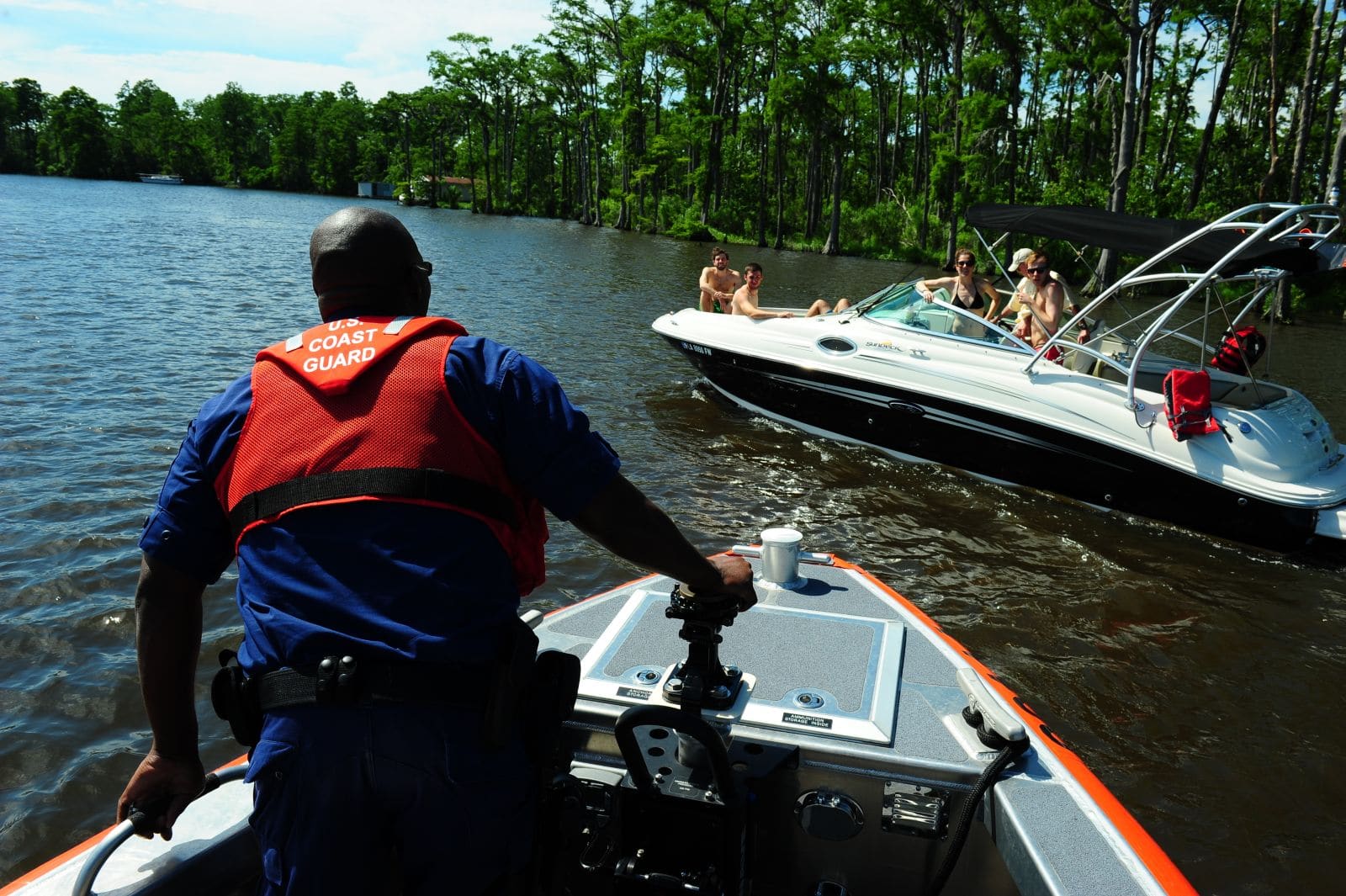
Boating Under the Influence (BUI): The Law, the Limits and How to Plan a Sober Skipper
Operating a boat drunk or high is illegal in every state and under federal law, with a 0.08 BAC standard for recreational boats under 33 CFR Part 95. Learn why the sun, wind, noise and motion make alcohol hit harder on the water, what happens at a boarding (field sobriety tests, chemical tests and implied consent), the penalties, and how to plan a designated skipper. Practical guidance, not legal advice.
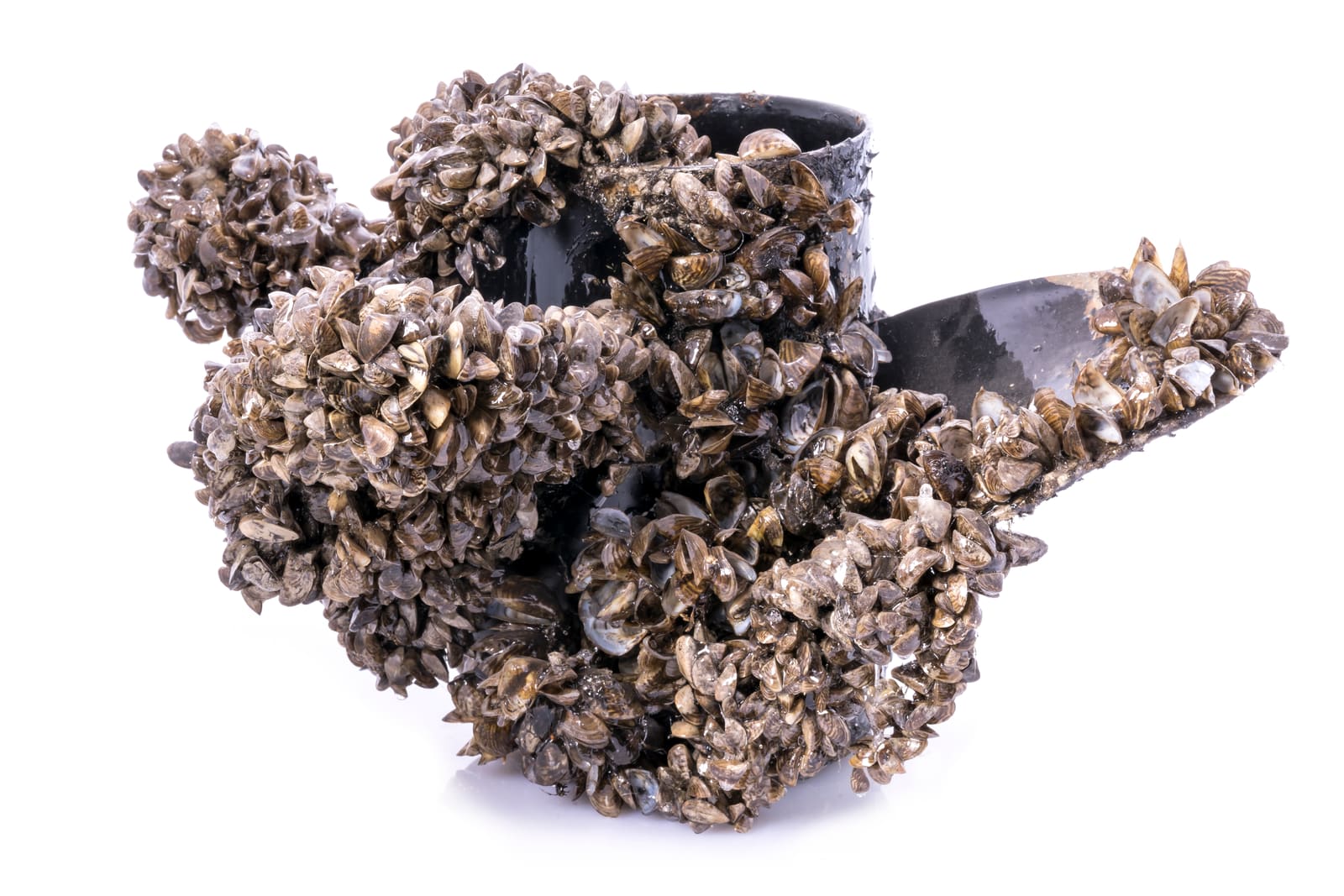
Clean, Drain, Dry: Stopping Zebra and Quagga Mussels and Other Invasive Species
What Clean, Drain, Dry means in practice for your boat, trailer and motor, what to drain before you leave the ramp, what happens at a watercraft inspection or decontamination station, and examples of state rules you may run into when you trailer between lakes.
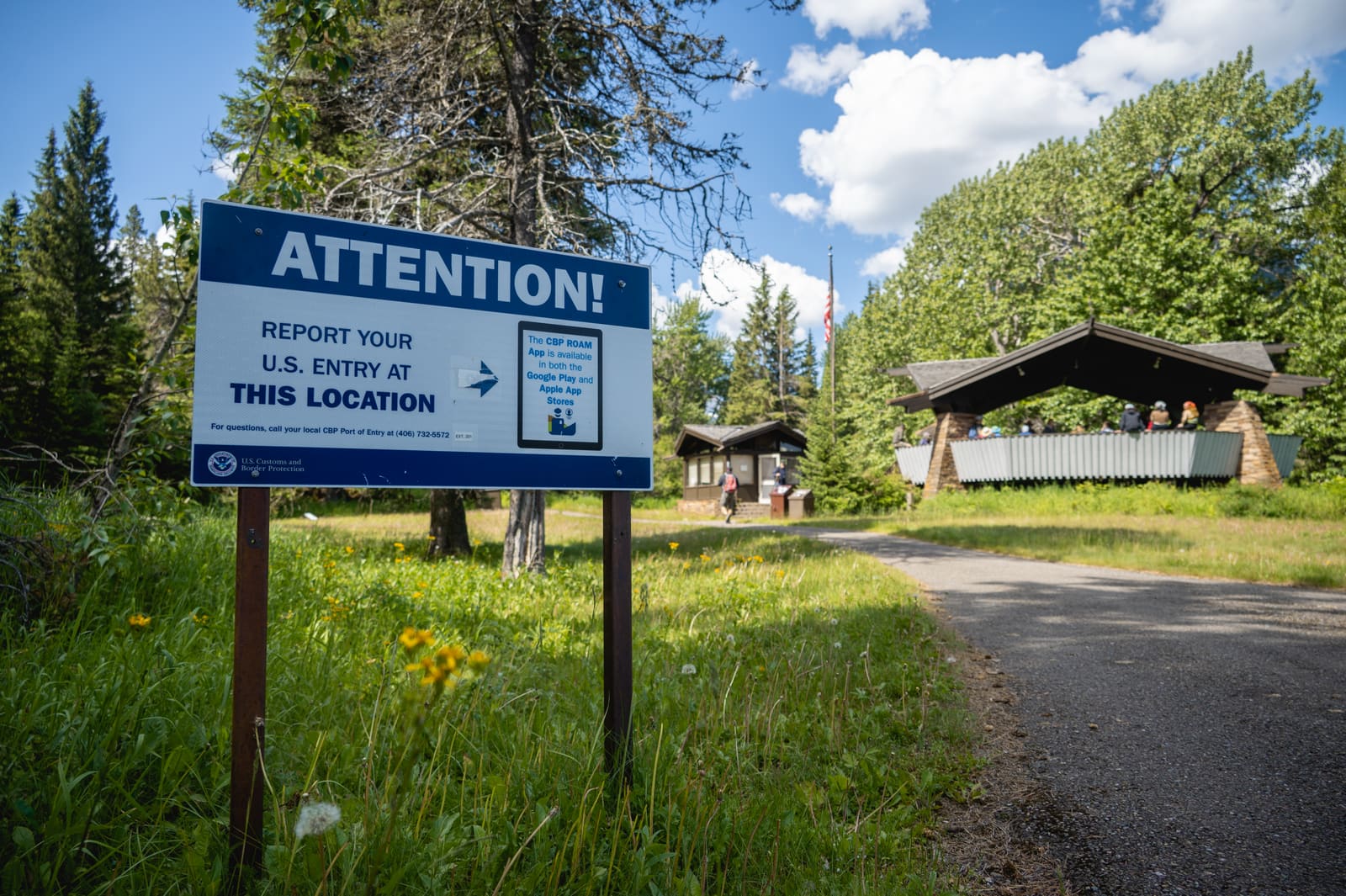
Coming Back to the US by Boat: Reporting to CBP with the ROAM App, the User Fee Decal and the Penalties
Every boat returning from a foreign port (the Bahamas, Canada, Mexico or anywhere else) must report its arrival to US Customs and Border Protection right away. Learn who has to report, how to use the free CBP ROAM app or the phone line, when you still have to show up in person, the annual user fee decal for boats 30 feet and longer, and what happens if you skip it. General information, not legal advice.
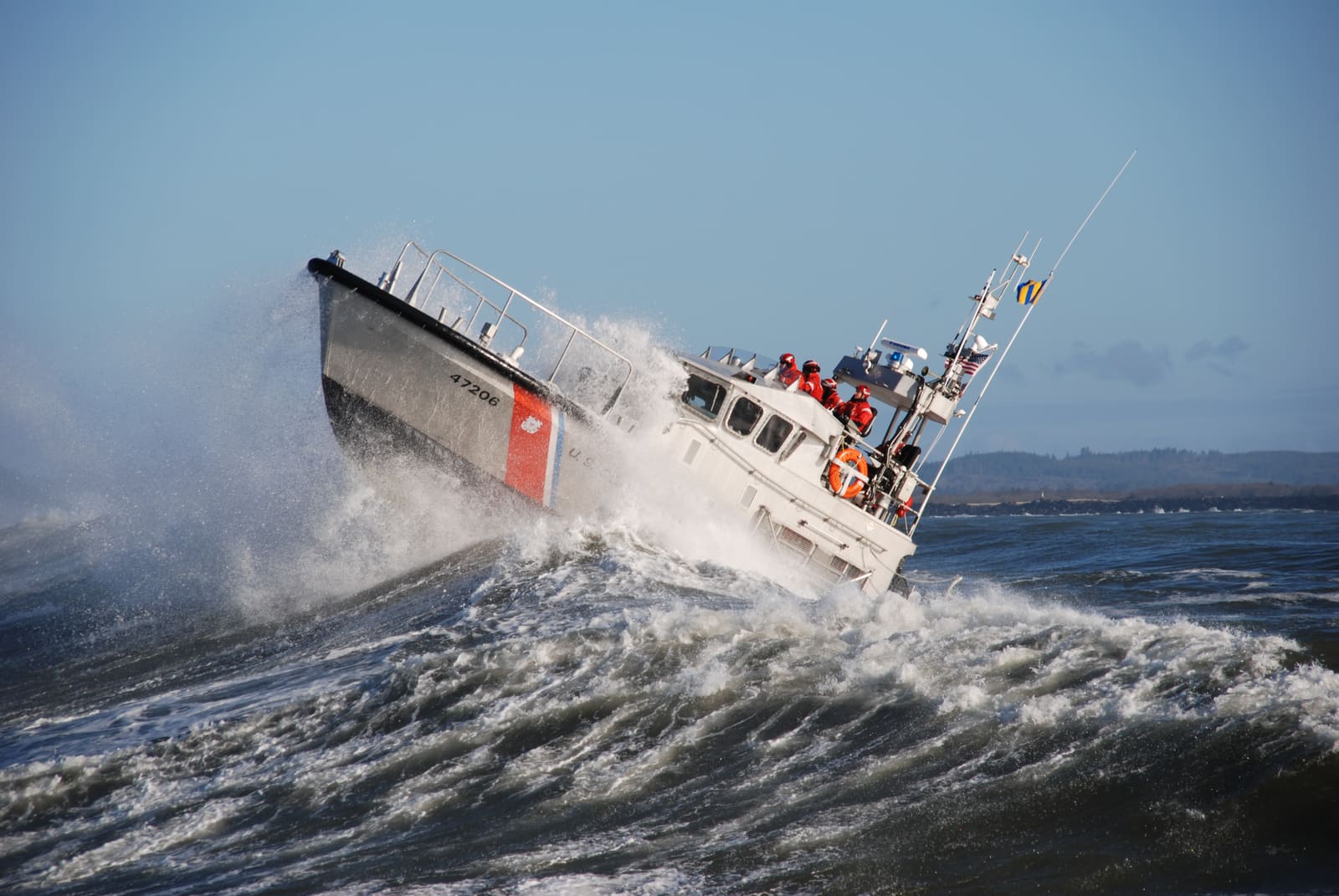
Crossing Inlets and Bars Safely: Tide Timing, Coast Guard Bar Restrictions and When Not to Go
Inlets and river bars are where calm-looking days turn deadly. Learn why an ebb tide against an ocean swell builds breaking waves, how to check bar reports and Coast Guard restrictions, how to read the inlet before you commit, how to run it with life jackets on, and when to wait or go somewhere else.
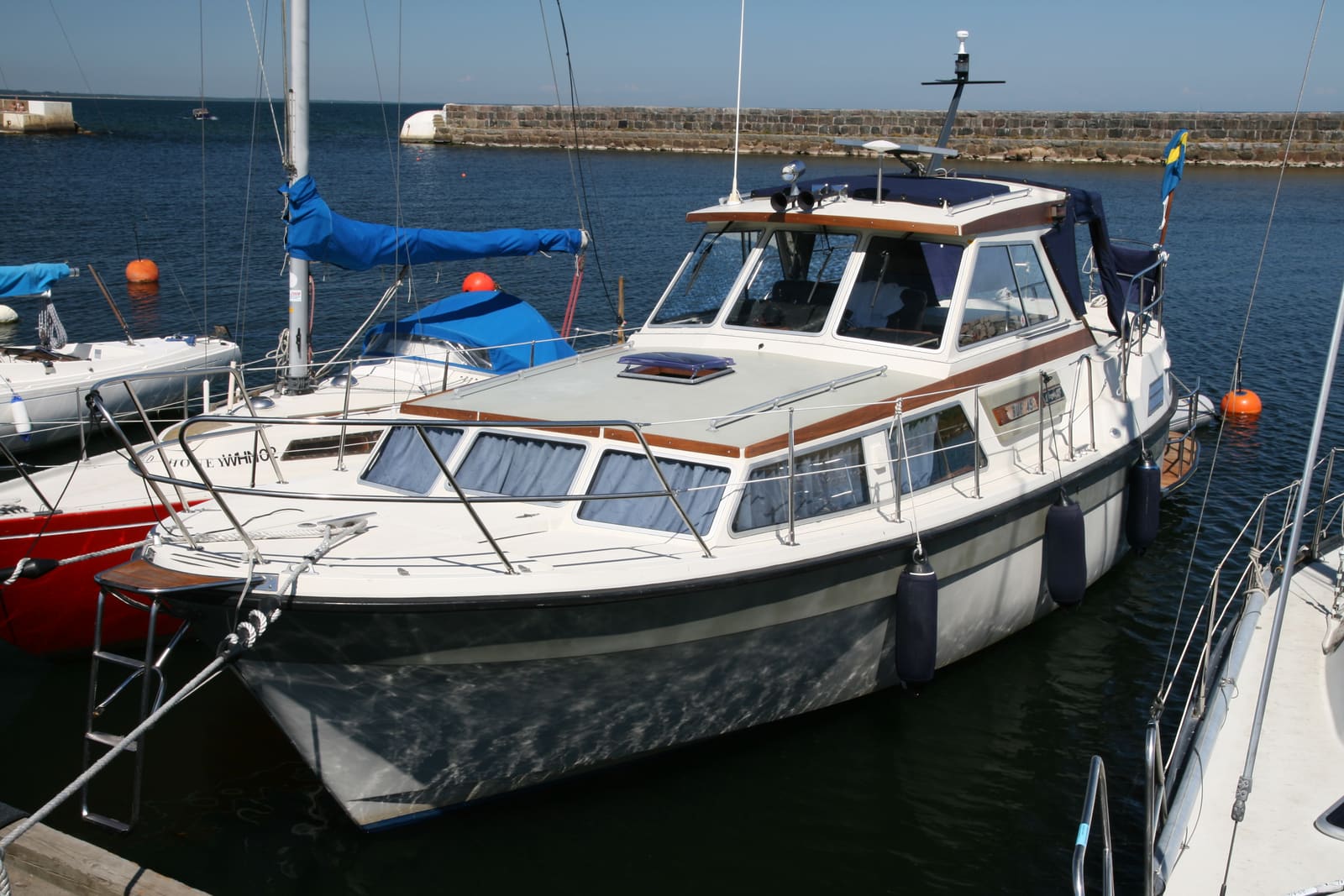
Docking in Wind and Current: Read the Conditions, Use Spring Lines and Know When to Go Around
Wind and current decide most docking jobs. Learn to watch your drift before you commit, approach into the stronger force, set fenders and lines with a clear crew plan, use a spring line to pin the boat to the dock, handle single and twin engines, and back out to try again before it turns into a collision.
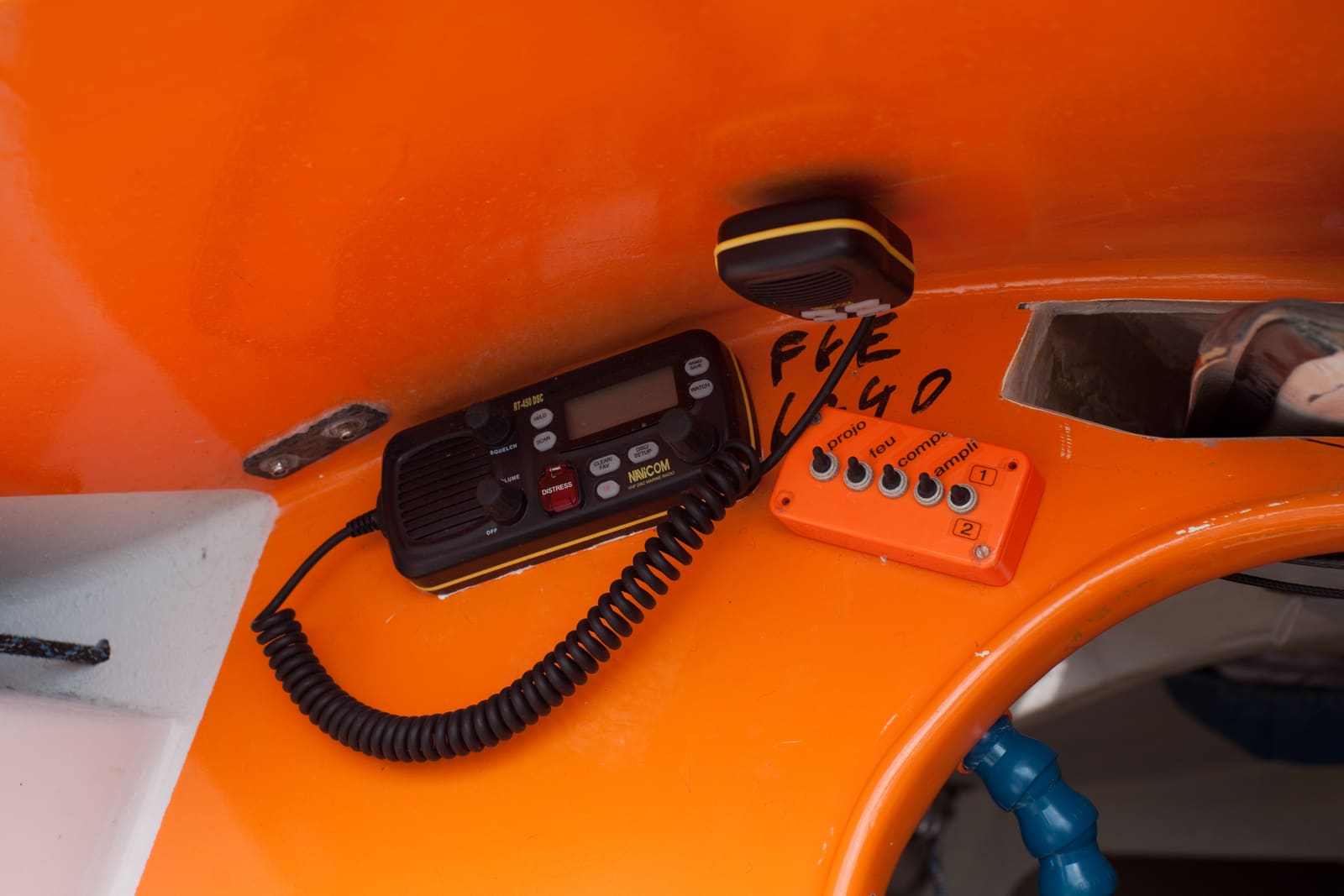
FCC Ship Station License vs. a Free MMSI: Which One Your Boat Needs, and How to Keep It Current
Most U.S. recreational boats that stay in U.S. waters don't need an FCC radio license, but every DSC radio and AIS needs a registered MMSI. Learn when an FCC ship station license and operator permit are required (foreign ports, SSB/HF, satellite), how to get an MMSI from BoatUS, America's Boating Club or Shine Micro, and what to do when you sell, buy or rename a boat.
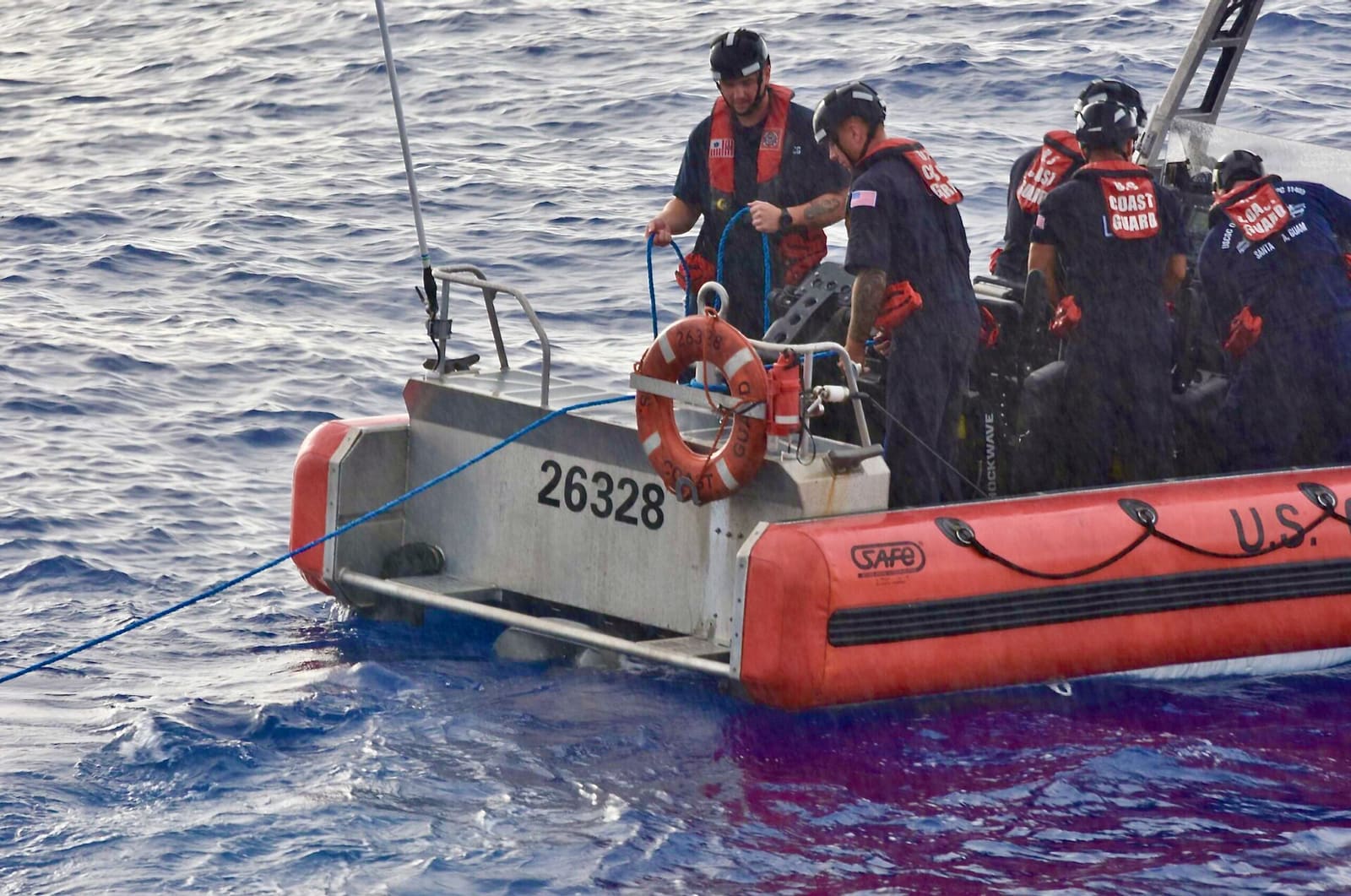
Helping Another Boater: Your Duty to Assist, Safe Approaches, and When Not to Tow
What the law expects when you come across a boater in trouble, how to approach a disabled or sinking boat safely, how to take people aboard, the basics of a short tow, and when to stand by and call the Coast Guard, Sea Tow or TowBoatUS instead. People first, boats second.
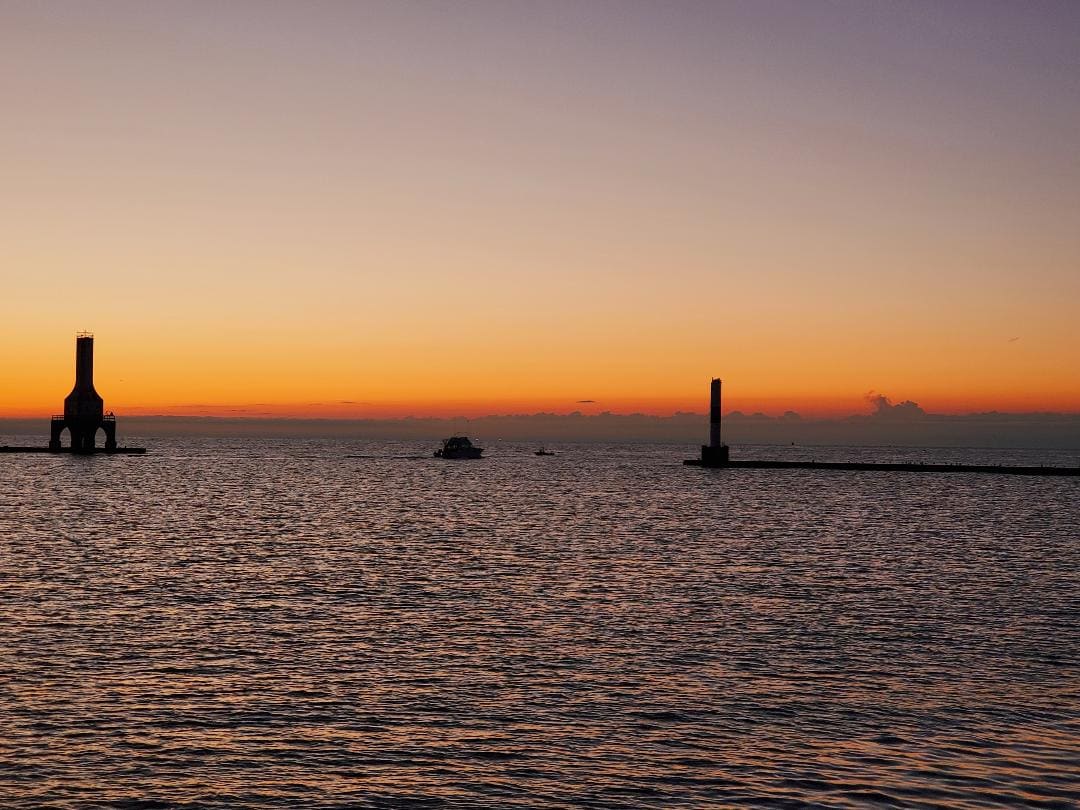
How to File a Float Plan: What to Include, Who Gets It and What They Do If You're Late
A float plan is a short written trip plan you leave with someone ashore, not with the Coast Guard. Fill in the free USCG Float Plan or the Coast Guard app, agree on a firm 'call for help by' time, check in when plans change, close the plan when you're home, and give your shore contact clear steps for reporting you overdue.
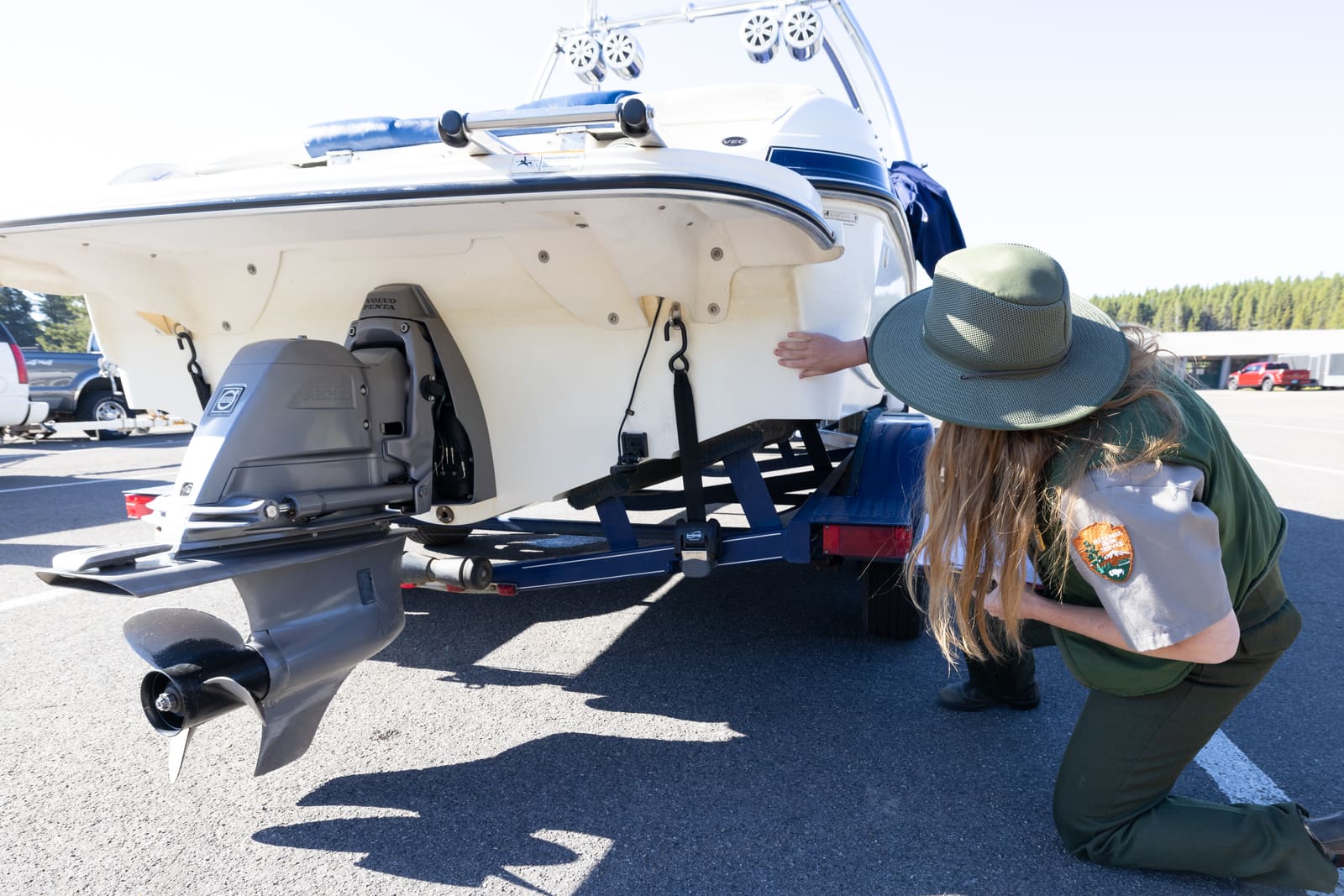
How to Get Through Aquatic Invasive Species Boat Inspection Stations
Many states, especially in the West, make you stop at an inspection station before you launch or when you cross the state line, to keep zebra and quagga mussels out. Learn what inspectors check, when they decontaminate, what decals, courses and seals you may need, and how to arrive clean, drained and dry so you're through fast.
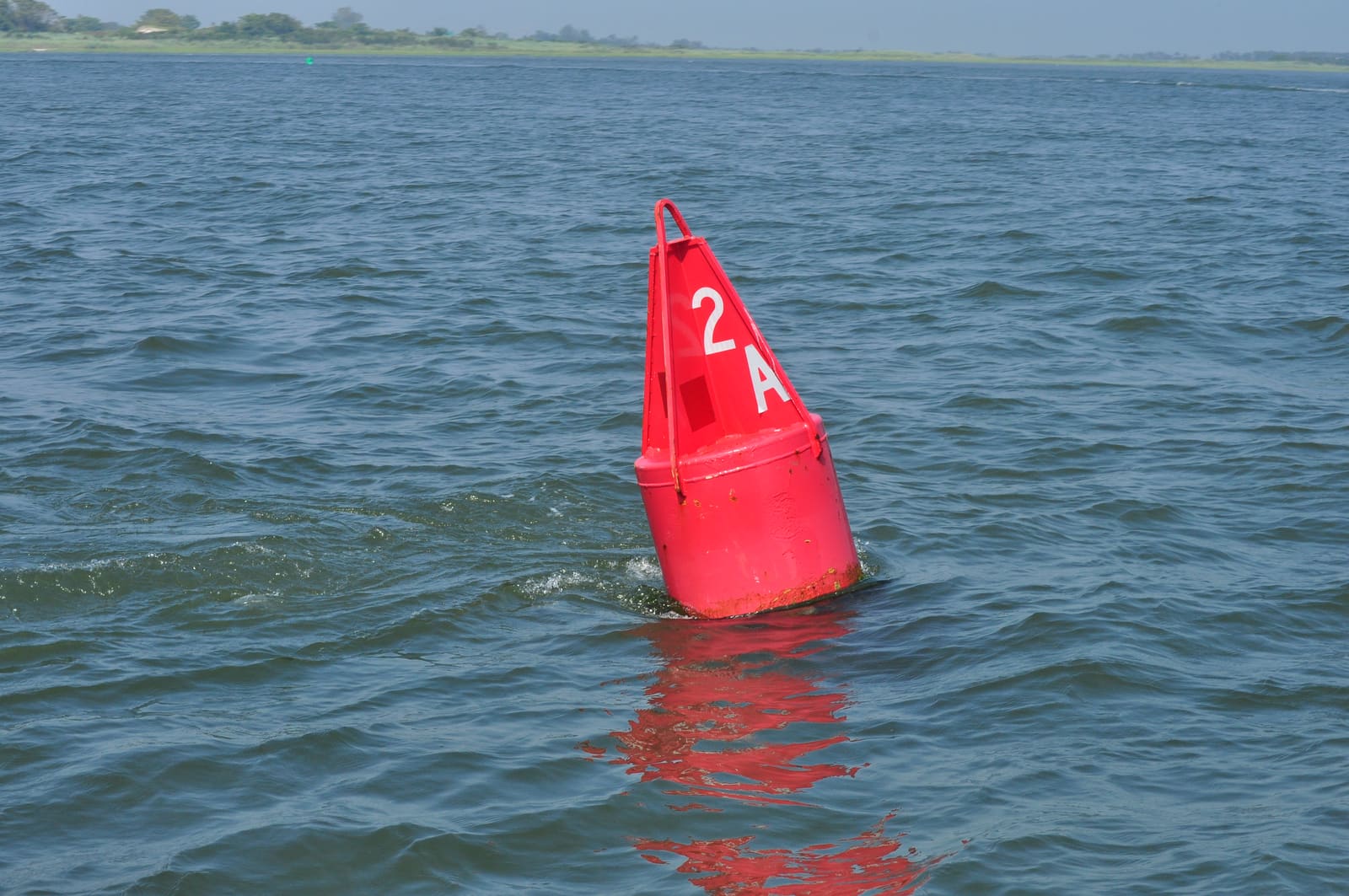
How to Read Buoys and Channel Markers: Red Right Returning and the U.S. Aids to Navigation System
Learn what the red and green buoys, daymarks and lights are telling you: red right returning, nuns and cans, odd and even numbers, preferred channel, safe water, isolated danger, the orange-and-white regulatory and information markers, the yellow symbols on the Intracoastal Waterway and how the Western Rivers system differs. Based on the Coast Guard's U.S. Aids to Navigation System rules (33 CFR Part 62).
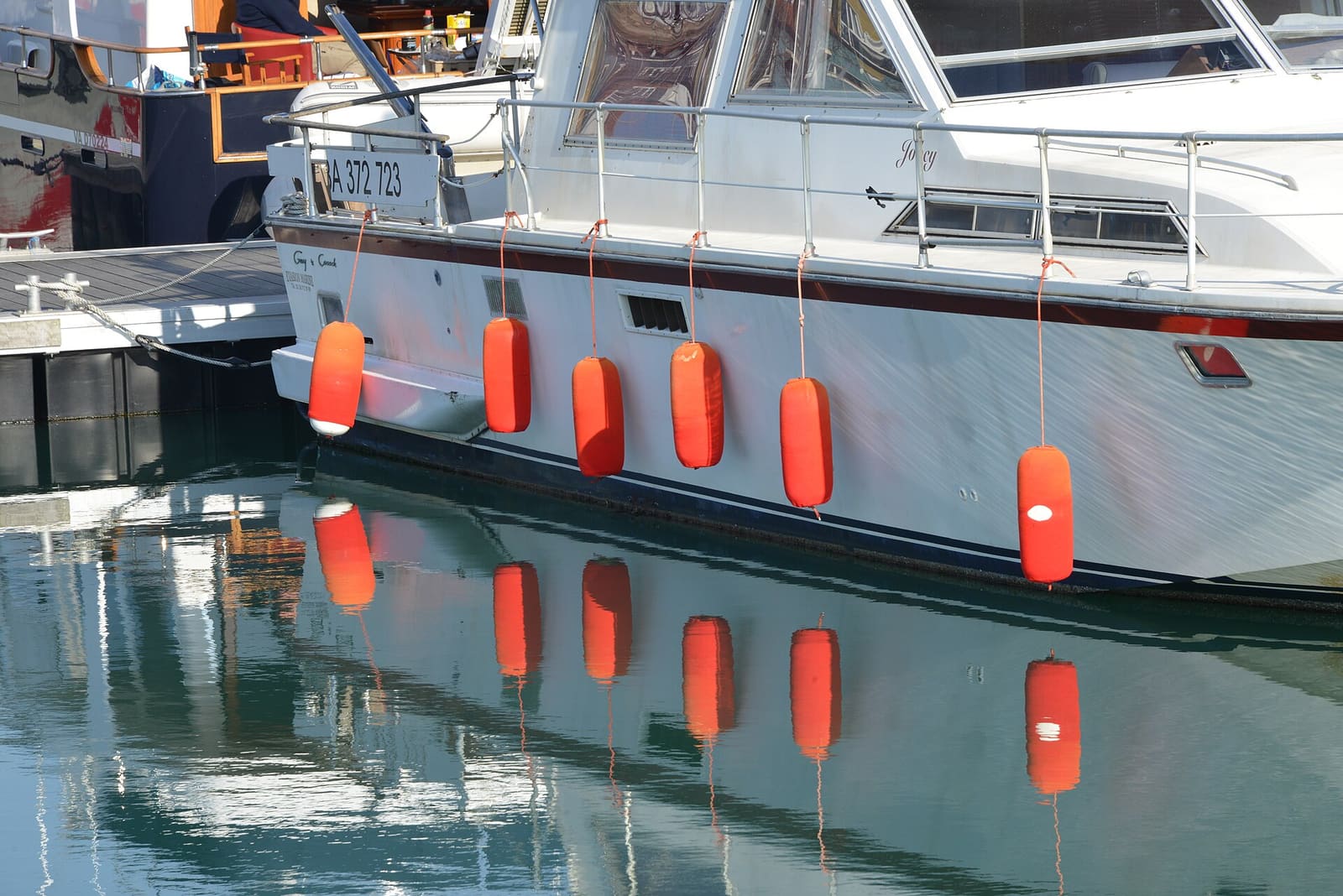
How to Size, Rig and Inspect Dock Lines and Fenders
Pick the right dock line diameter and fender size for your boat, set up bow, stern and spring lines in a slip, add chafe gear, inspect for wear and UV damage, and double everything up before a storm.
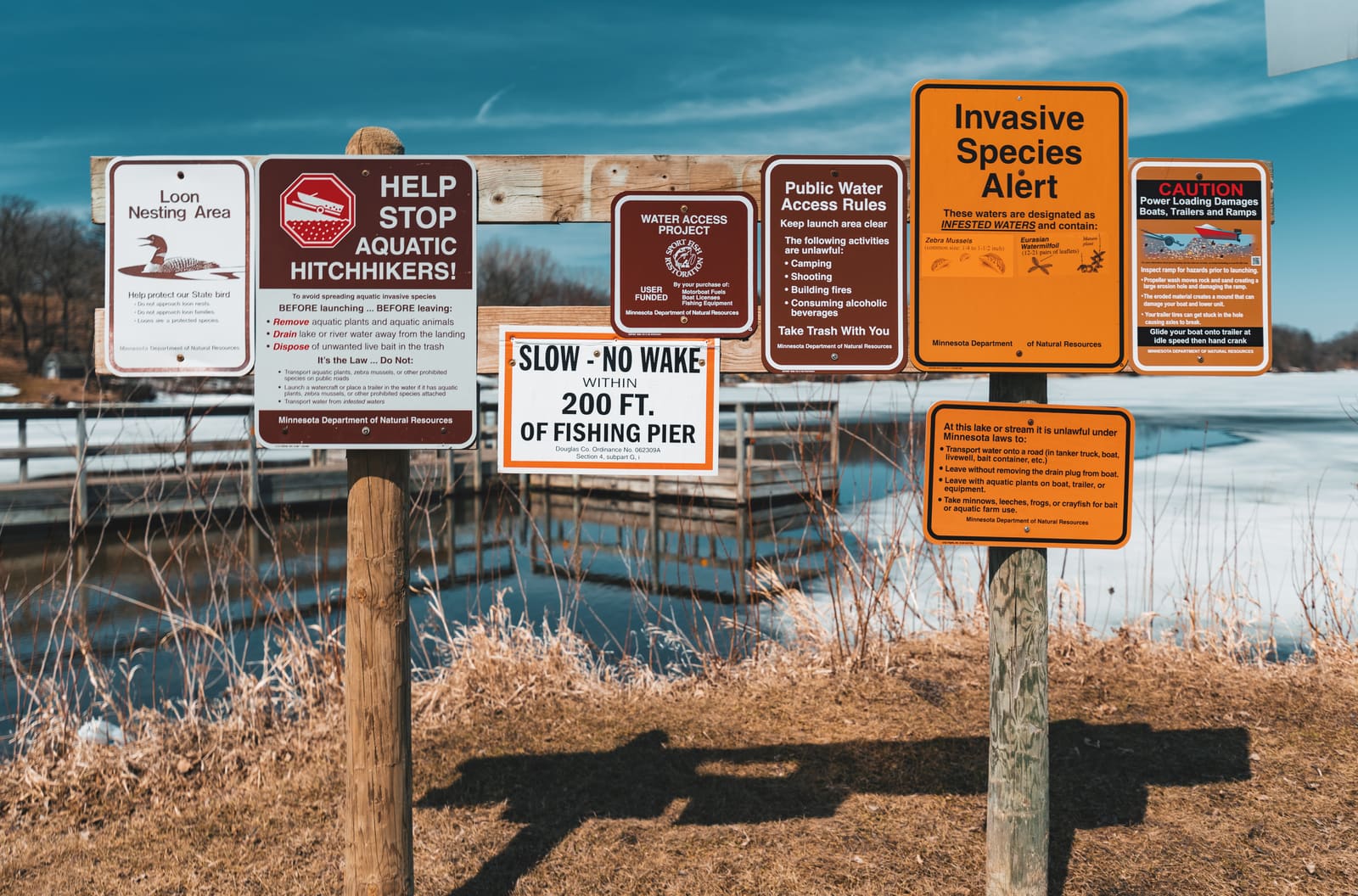
Lake Engine Restrictions: Two-Stroke Bans, Horsepower Limits, Electric-Only and No-Wake Lakes
Some lakes ban older two-stroke outboards, cap horsepower, allow only electric motors, or make the whole lake no-wake. Learn the common types of rules (with dated real examples like Lake Tahoe and Ohio's lake list), how to tell what kind of engine you have, and how to check before you tow the boat three hours to a ramp you can't use.
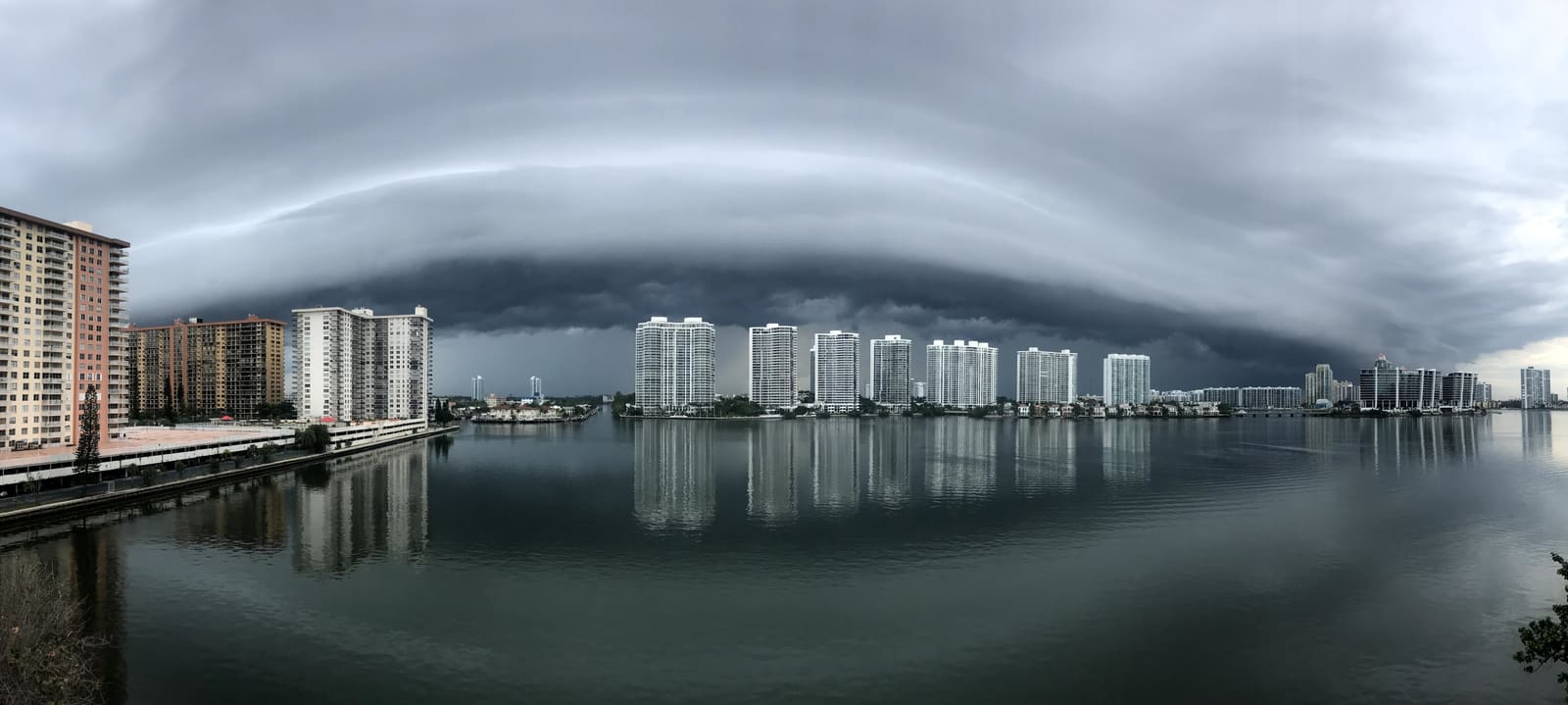
Reading Marine Weather Forecasts: Advisories, Wind, Waves and Go/No-Go
Learn where to get the official NOAA marine forecast for your waters, what small craft advisories and warnings really mean, how to read wind and wave numbers, and how to make a simple go/no-go call before you leave the dock.
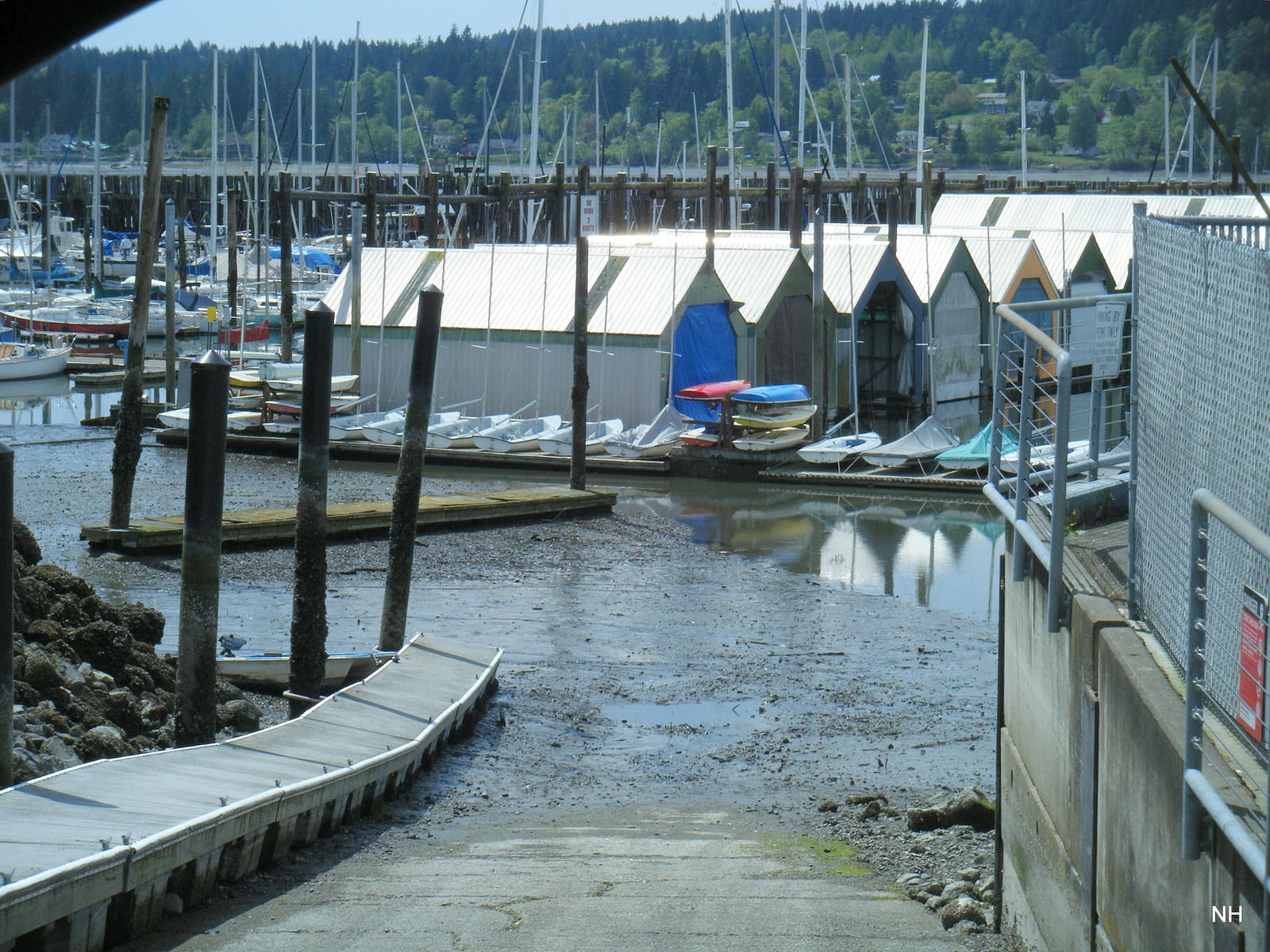
Reading NOAA Tide and Current Predictions for Trip Planning (MLLW, Slack Water and Bridge Clearance)
Tide is the water going up and down; current is the water moving sideways, and their timing doesn't always line up. Learn to find the right NOAA station, read high and low tides against chart datum (MLLW), find slack water and peak current, check bridge clearance against mean high water, and plan launches, anchoring and inlet crossings around them.
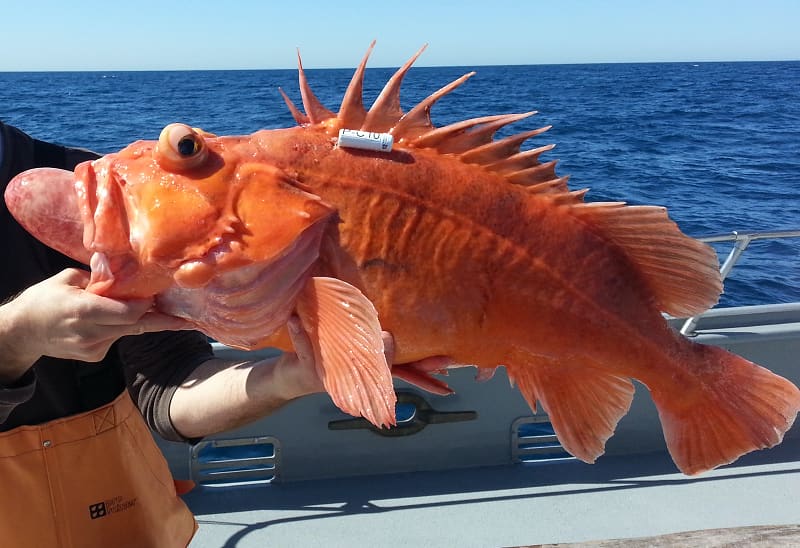
Releasing Deep-Water Fish with Barotrauma: Descending Devices, Venting and the Federal Gear Rules
Snapper, grouper and other bottom fish reeled up from deep water often float off with bulging eyes and a swollen belly. A descending device sends them back down to where the pressure fixes the problem. Here's what federal rules require in the South Atlantic and Gulf (and what changed in 2026), how to rig and use a descender, and where venting fits.
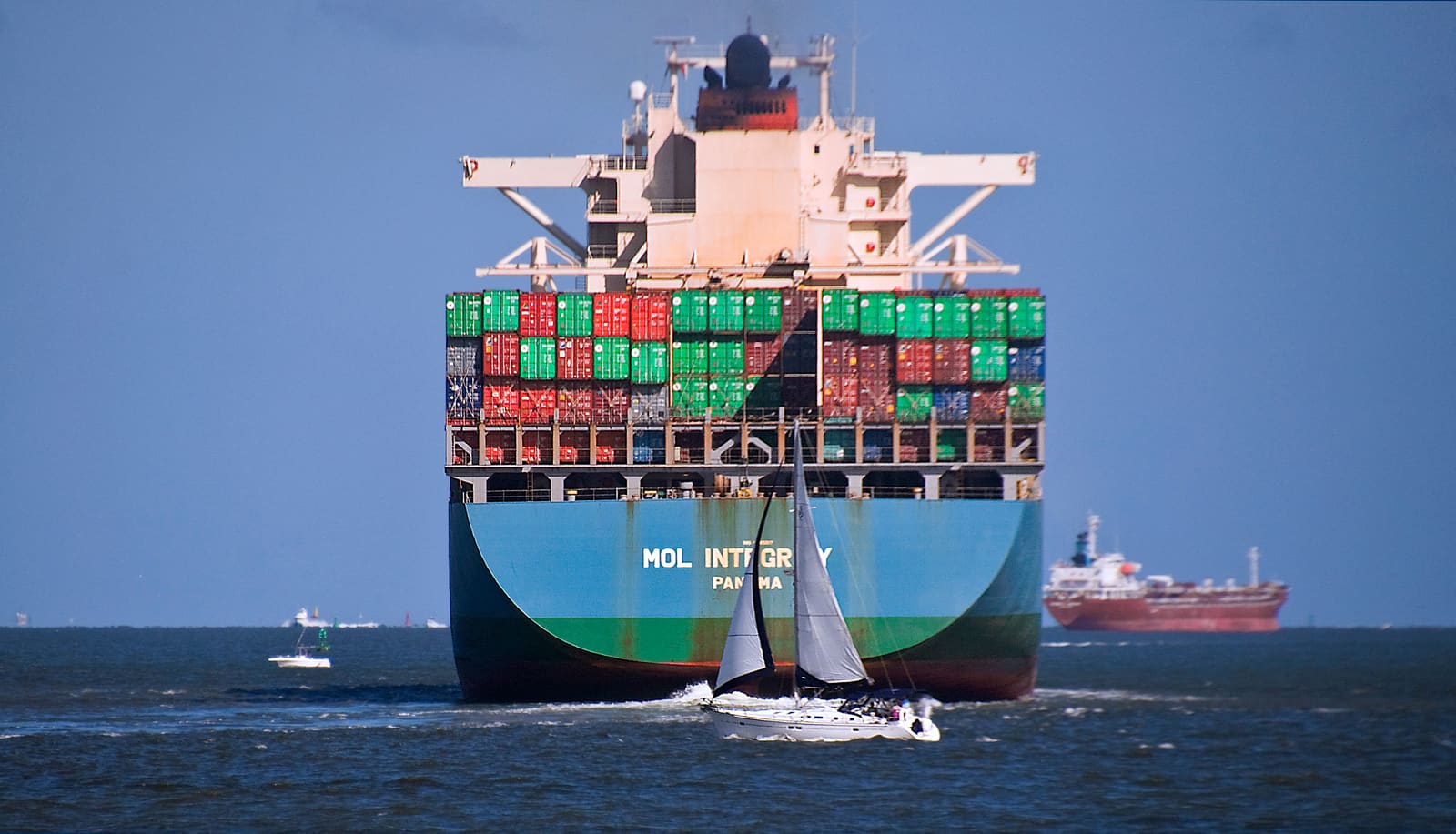
Right-of-Way on the Water: The Navigation Rules Every Recreational Boater Should Know
There are no lanes or stop signs on the water, so the Navigation Rules decide who keeps course and who gets out of the way. Learn stand-on and give-way, meeting head-on, crossing, overtaking, sail versus power, narrow channels, big ships, safe speed and keeping a proper lookout, with the rule numbers from the U.S. Inland Navigation Rules (33 CFR Part 83).
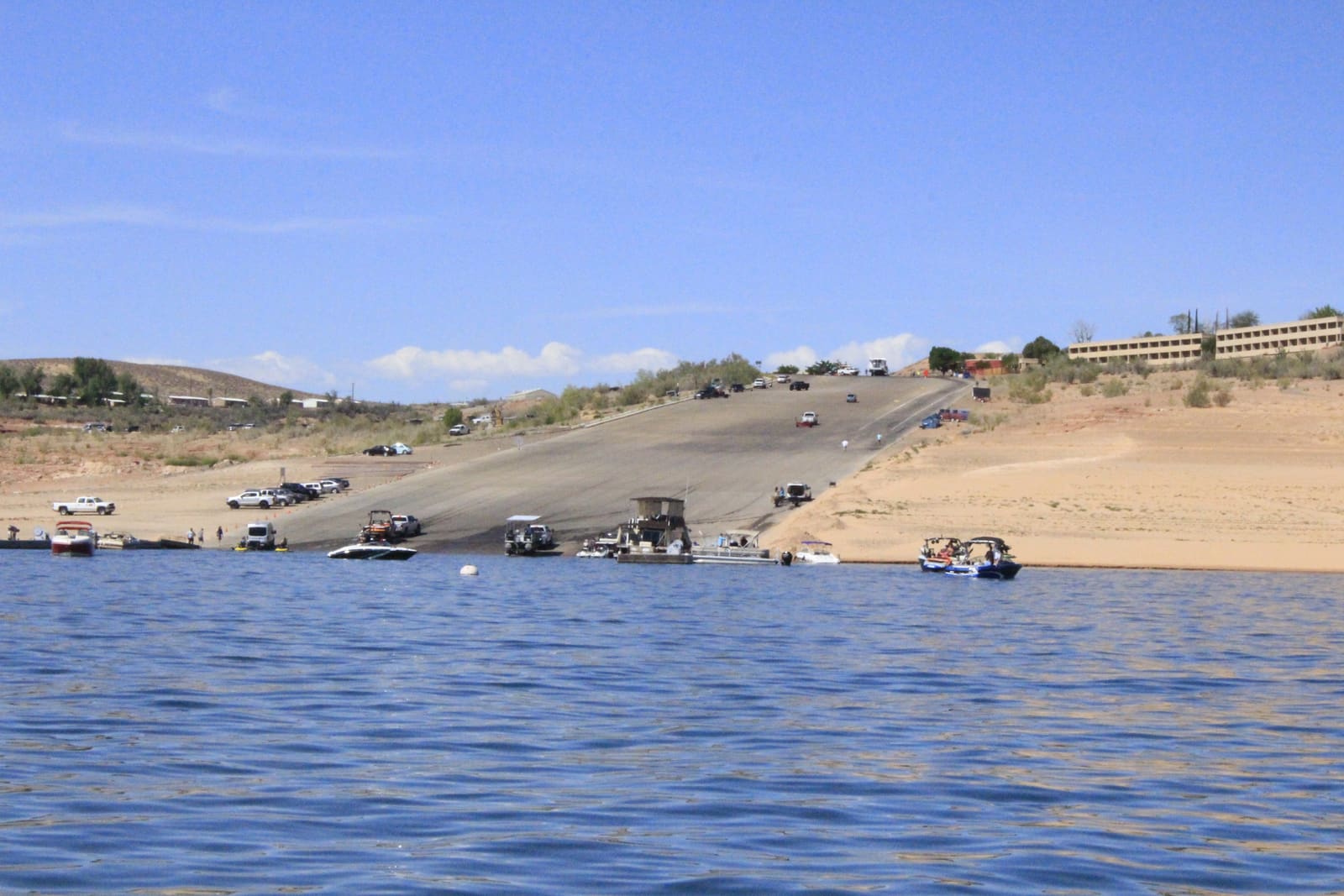
Taking Your Boat to Another State: Registration Reciprocity, Visitor Time Limits and Nonresident Permits
Your home-state registration lets you boat in other states, but only for a while, and some states add their own visitor permits, use-tax permits and invasive species stickers. Learn how federal reciprocity works, real examples from Texas, Florida, Washington and Oregon, and a checklist for a vacation trip or a season away. General information, not legal advice.
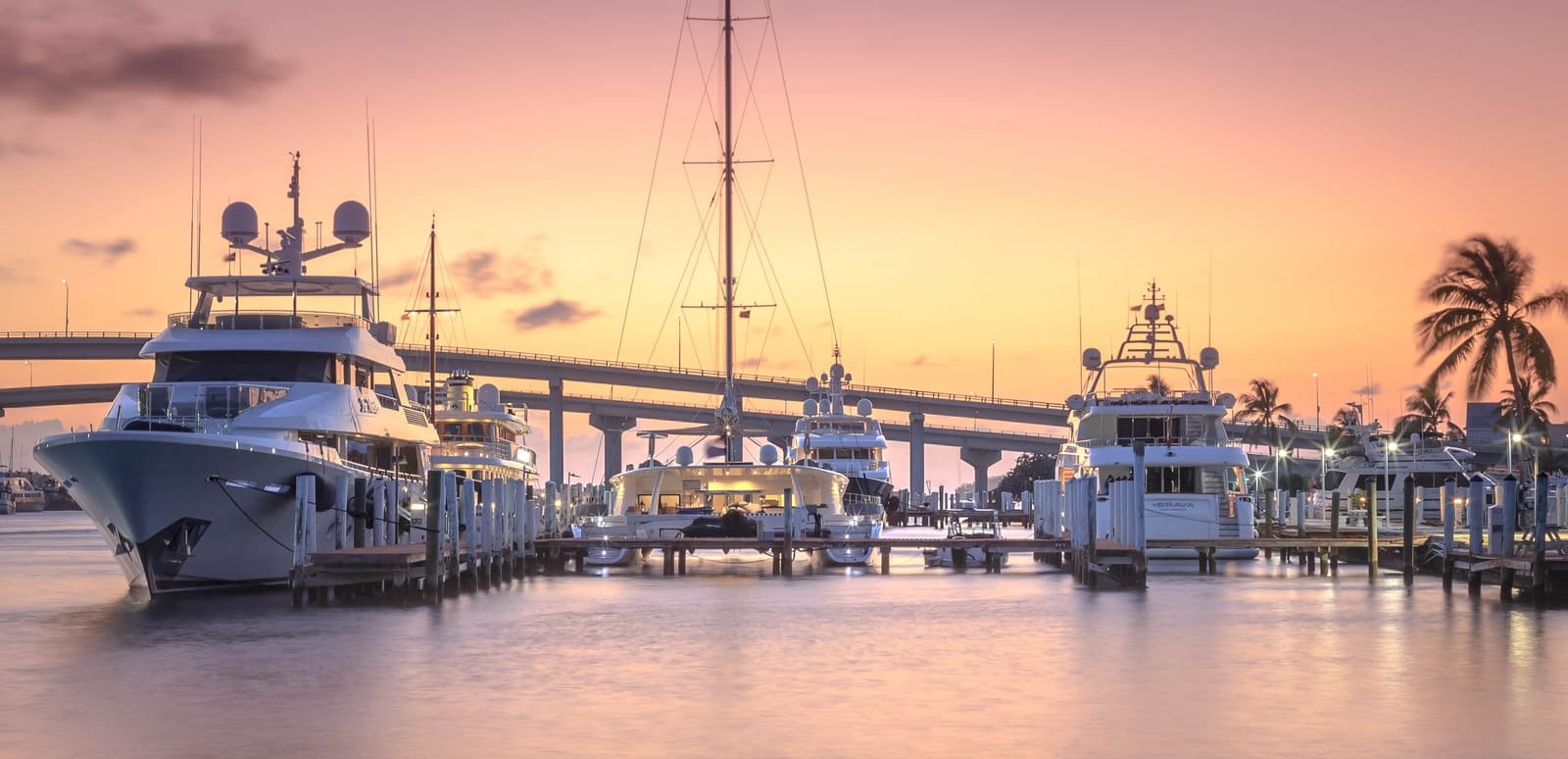
Taking Your Boat to the Bahamas: Cruising Permit, Fishing Permit, Passports, Radio License and Insurance
A paperwork checklist for running a US recreational boat to the Bahamas: the Bahamas cruising and fishing permits and their current fees, passports, the FCC ship station license, insurance navigation limits, pets, and the US 'skin on the fillet' rule for bringing Bahamian fish home. General information, not legal advice; fees and rules change often.
Safety: BoatMend is for information only and does not replace a certified marine technician. You are responsible for your safety and your boat. Read the full disclaimer.