Repair & maintenance guides
Plain-English, step by step, written for owners. Pick your engine to see the guides that apply to it.
297 of 509 guides · page 9 of 13
How to Wire a Marine Stereo, Speakers and Amplifier Safely
Install or fix a boat stereo the way that keeps it working and keeps your battery alive: marine-rated gear, a fused feed from the panel, a solid ground, a plan for the always-on memory wire, UV-proof speakers, and an amplifier fused right at the battery. Plus how to stop the stereo from messing with your VHF and compass.
Hull Blisters (Osmosis): How to Tell Cosmetic Pimples From Serious Pox
Learn what osmotic blisters are, how to inspect a fiberglass bottom at haul-out, which blisters you can fix yourself with epoxy, what moisture meter readings can and can't tell you, and when to hire an independent surveyor.
Ice Makers and Drinking-Water Dispensers on Boats: Cleaning, Filters and Winterizing
Keep onboard ice and drinking water clean and tasting good. Sanitize and descale the ice maker, change filters, keep the condenser breathing, fix common faults, and drain and bypass everything before freezing weather.

Impressed Current Corrosion Protection on Yachts: How It Works and How to Keep an Eye on It
Larger aluminum and steel yachts often use an impressed current system instead of, or alongside, sacrificial anodes. Learn what the control panel, anodes and reference electrodes do, how to log and double-check the readings with a portable reference cell, why over-protection can strip paint and attack aluminum, what to do at haul-out, and when to call a corrosion specialist.
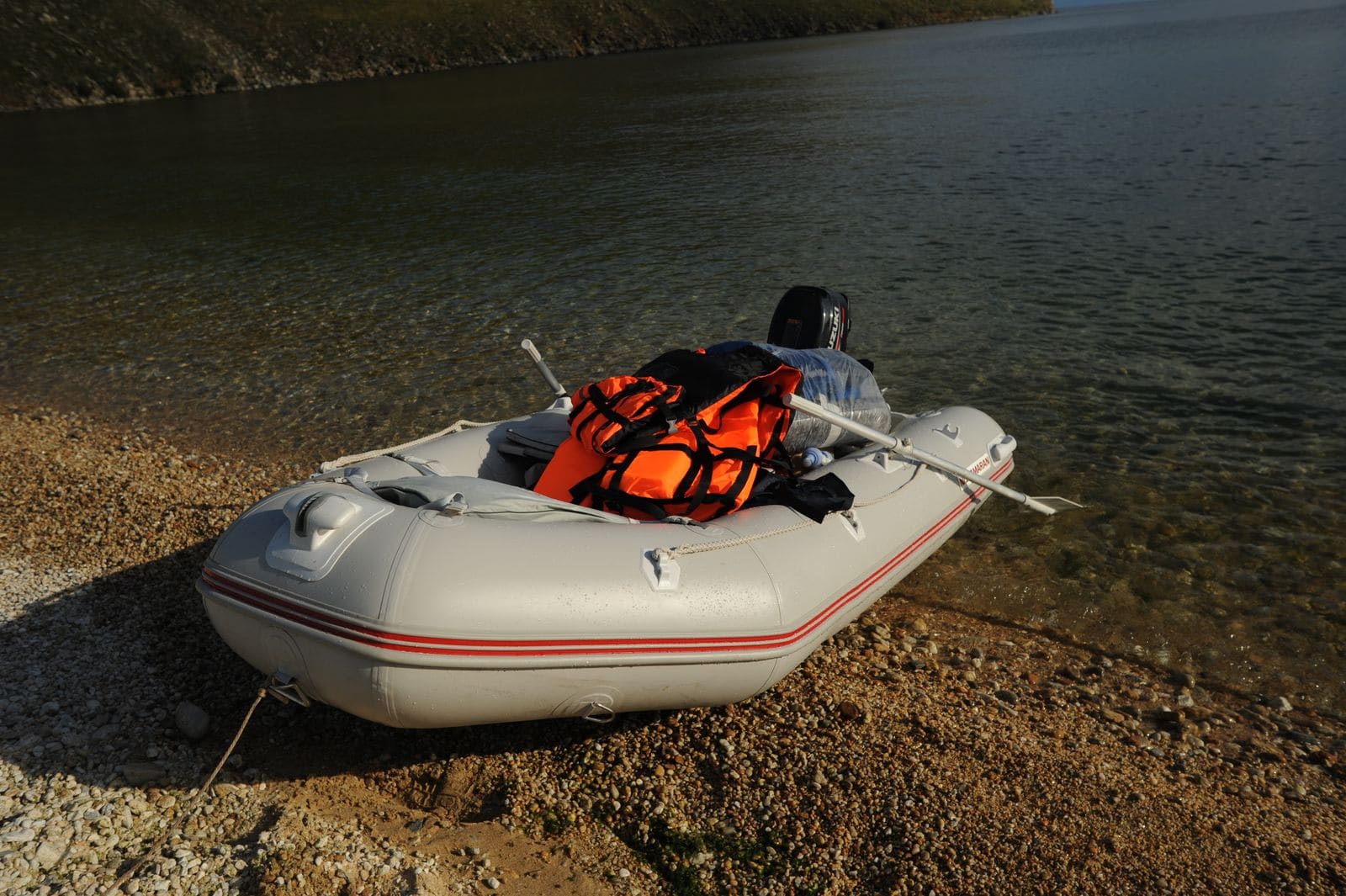
Inflatable Boat and Dinghy Care: Cleaning, UV Protection, Leaks and Storage
Keep your inflatable or RIB tender holding air for years. Rinse and clean it the right way, protect the tubes from sun, check pressure with a gauge, find slow leaks with soapy water, service the valves, patch small holes with the correct glue for PVC or Hypalon, and store it clean and dry.
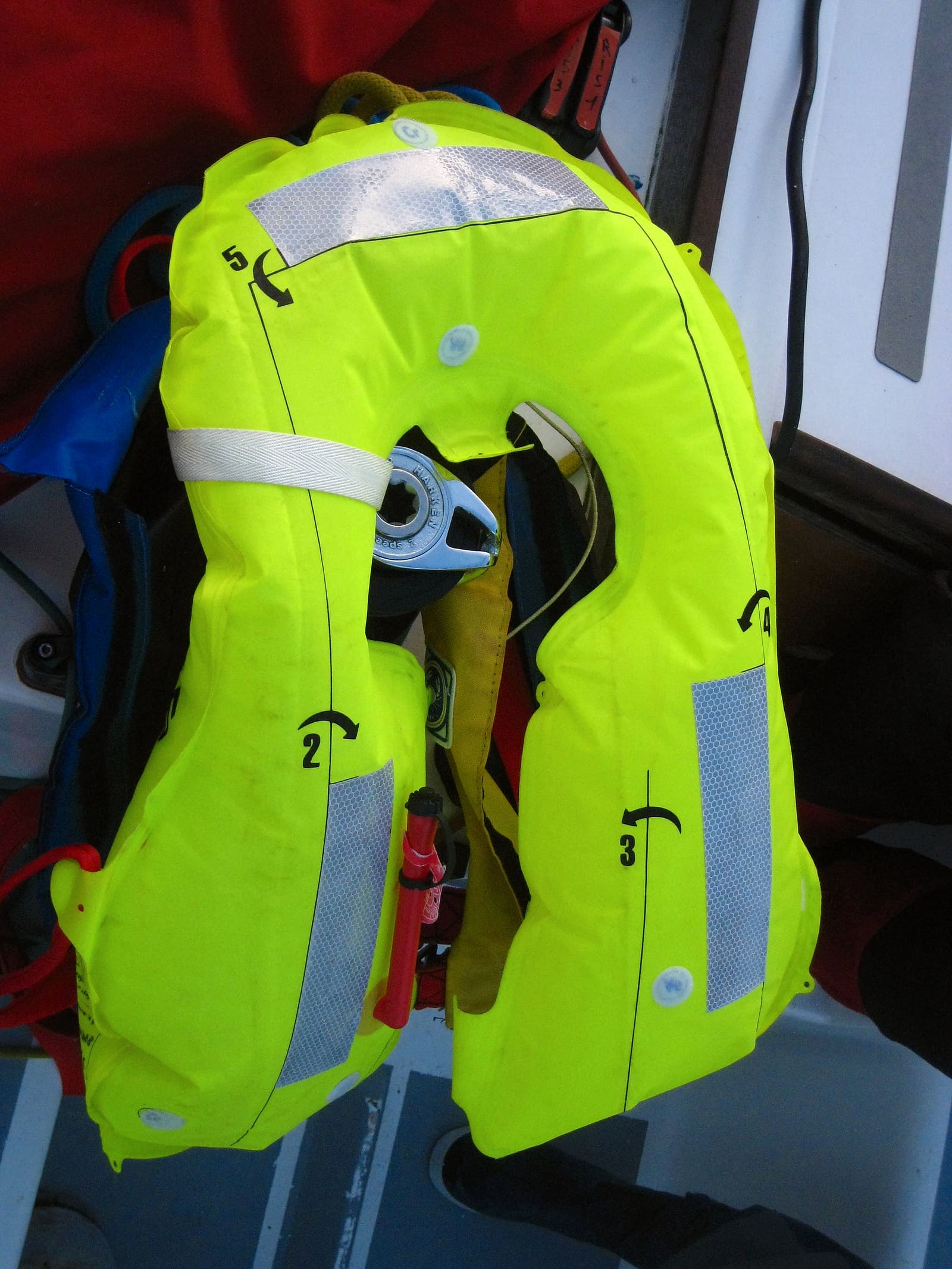
Inflatable Life Jacket Care: Inspect, Test and Rearm
An inflatable life jacket only saves a life if the cylinder is full, the inflator is armed and the bladder holds air. Learn the quick check before every trip, the overnight leak test, how to read replacement dates and how to rearm it after it fires.
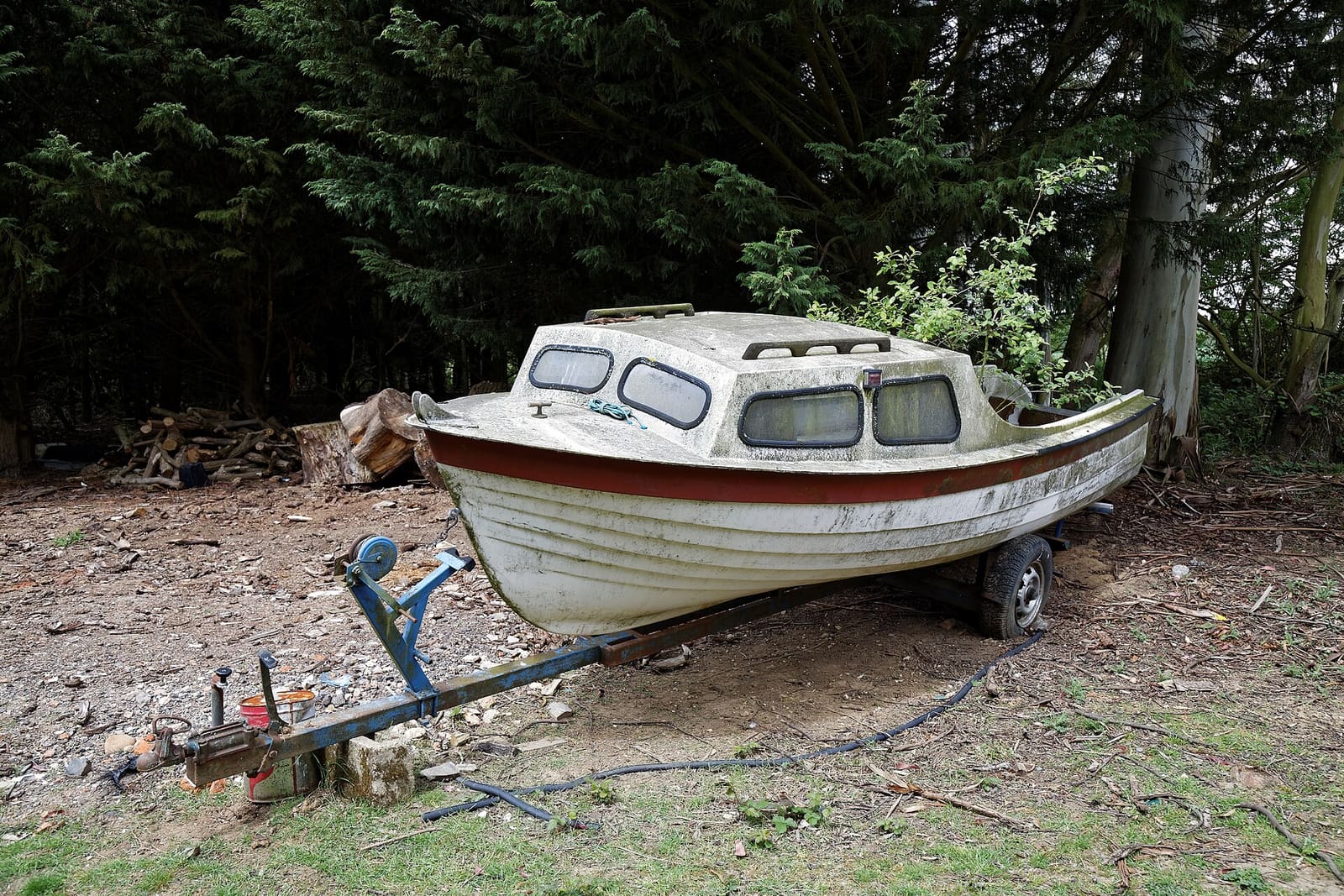
Inheriting a Boat: Title Transfer, Coast Guard Documentation, Insurance, Taxes and Keep-or-Sell
What to do when a boat comes to you from a relative's estate: secure it and keep it insured, find out how ownership passes (joint owner, transfer-on-death, probate or a small-estate affidavit), transfer a state title or a Coast Guard documented vessel, deal with the trailer, liens and taxes, and decide whether to keep or sell. General information, not legal or tax advice.
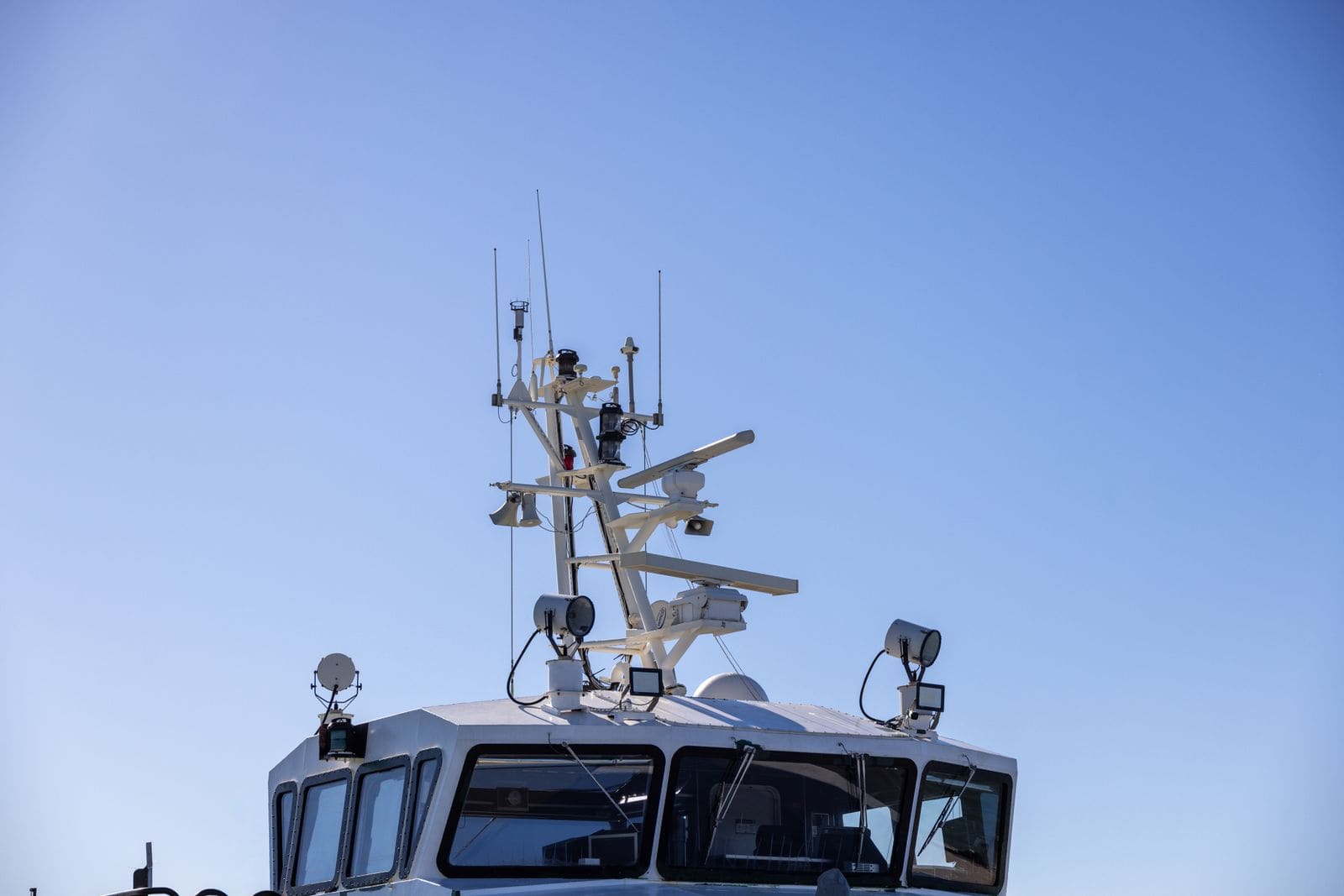
Internet Near Shore: Cellular Routers, Signal Boosters and Marina Wi-Fi Extenders
For boats that stay within sight of land, a cellular router, a legal signal booster or a marina Wi-Fi extender can be a cheaper alternative to satellite. Learn which one fits how you boat, why antenna placement and cable length matter, the FCC rules for boosters, how much power they use and how to test that it actually works.
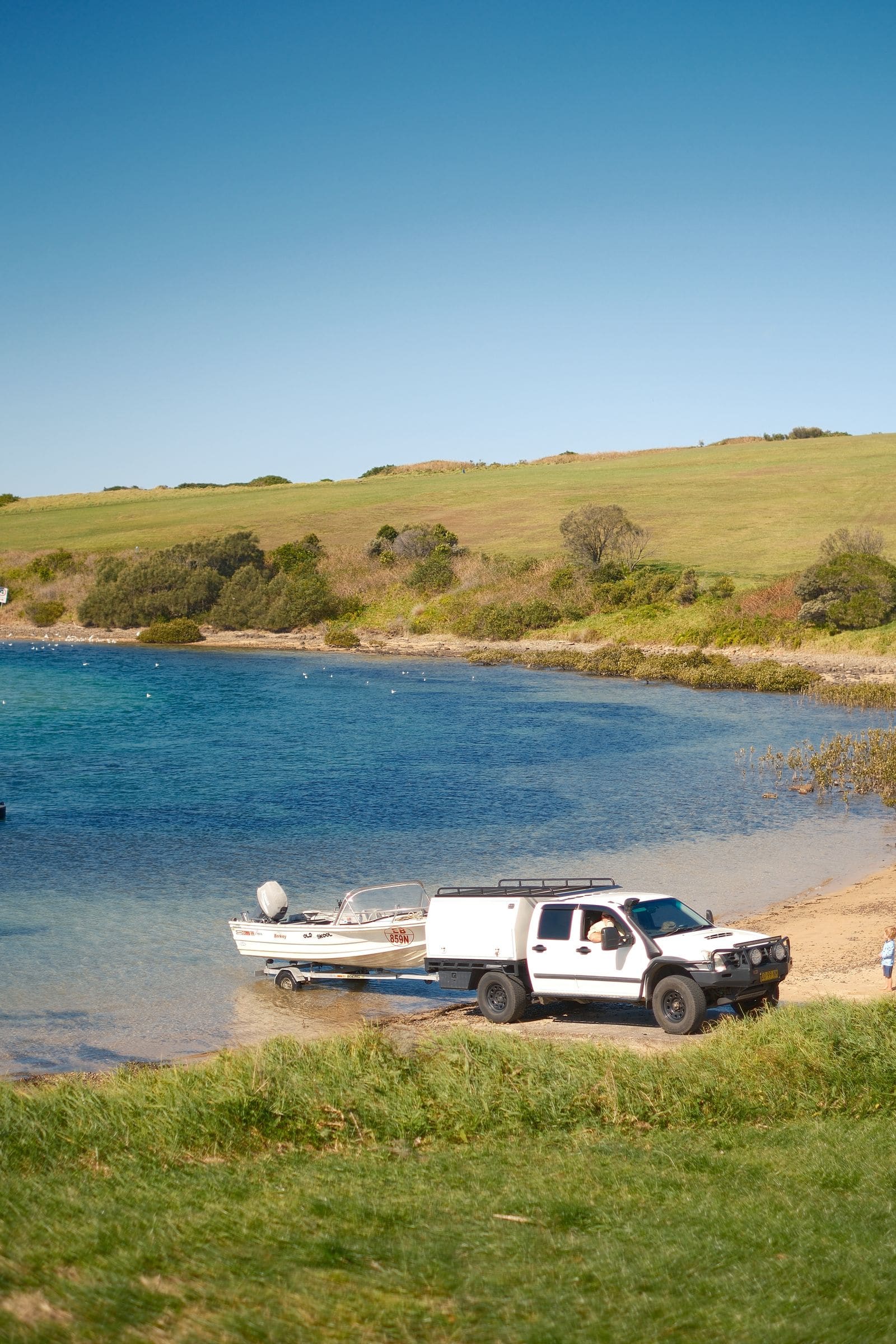
Is My Vehicle Rated to Tow This Boat? Towing Capacity, GCWR and Tongue Weight Explained
The towing number in the ad is only one of several limits. Learn which ratings matter (towing capacity, GCWR, GVWR, axle and tongue limits, hitch class and ball rating), how to weigh your real rig at a truck scale, and when you need trailer brakes and towing mirrors.
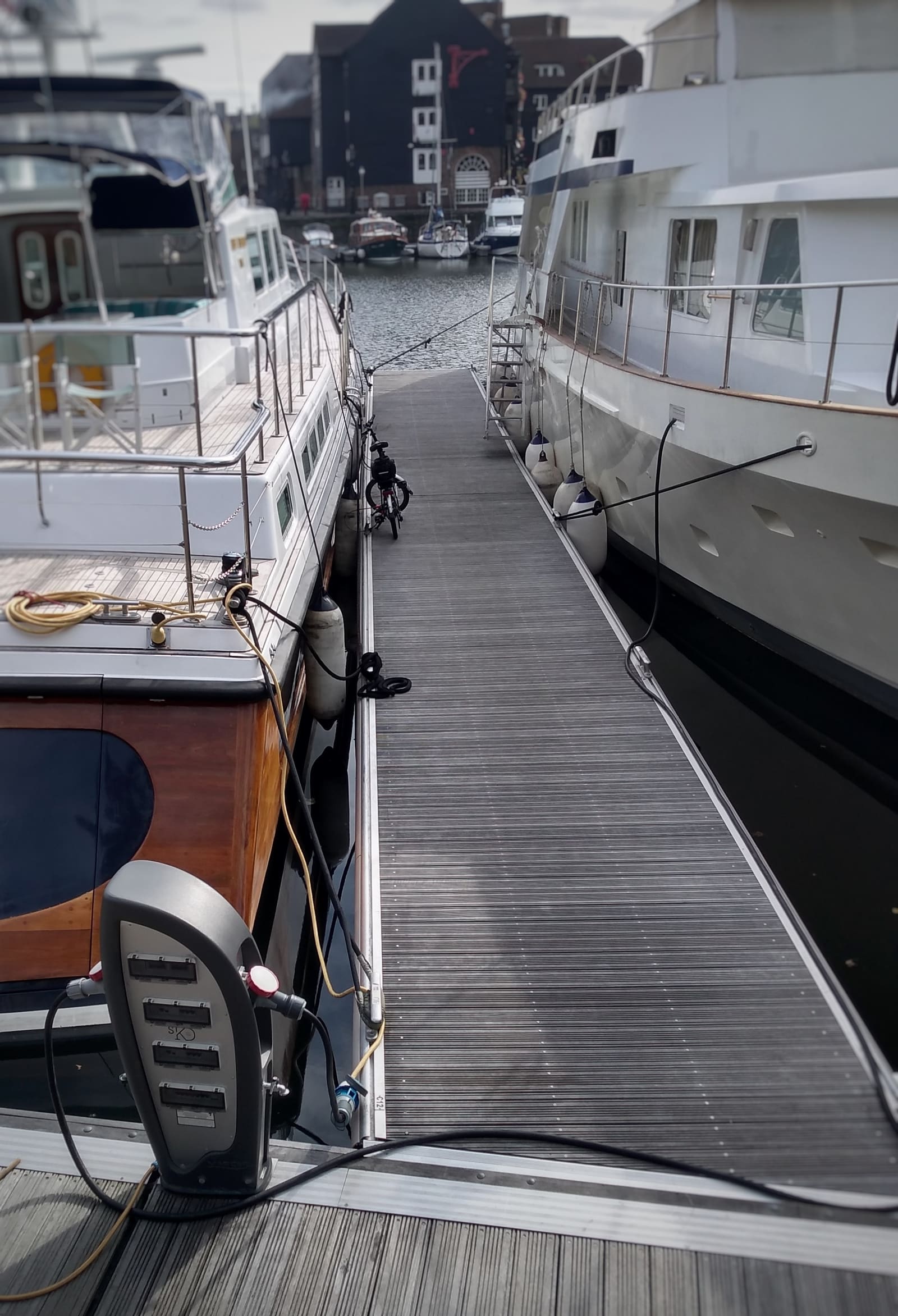
Isolation Transformer vs. Galvanic Isolator: Which Does Your Boat Need?
Understand how a galvanic isolator and an isolation transformer each protect a boat on shore power, when the heavier, pricier transformer is worth it (stray-current marinas, aluminum boats, liveaboards), and what to ask the ABYC-certified electrician who installs it.
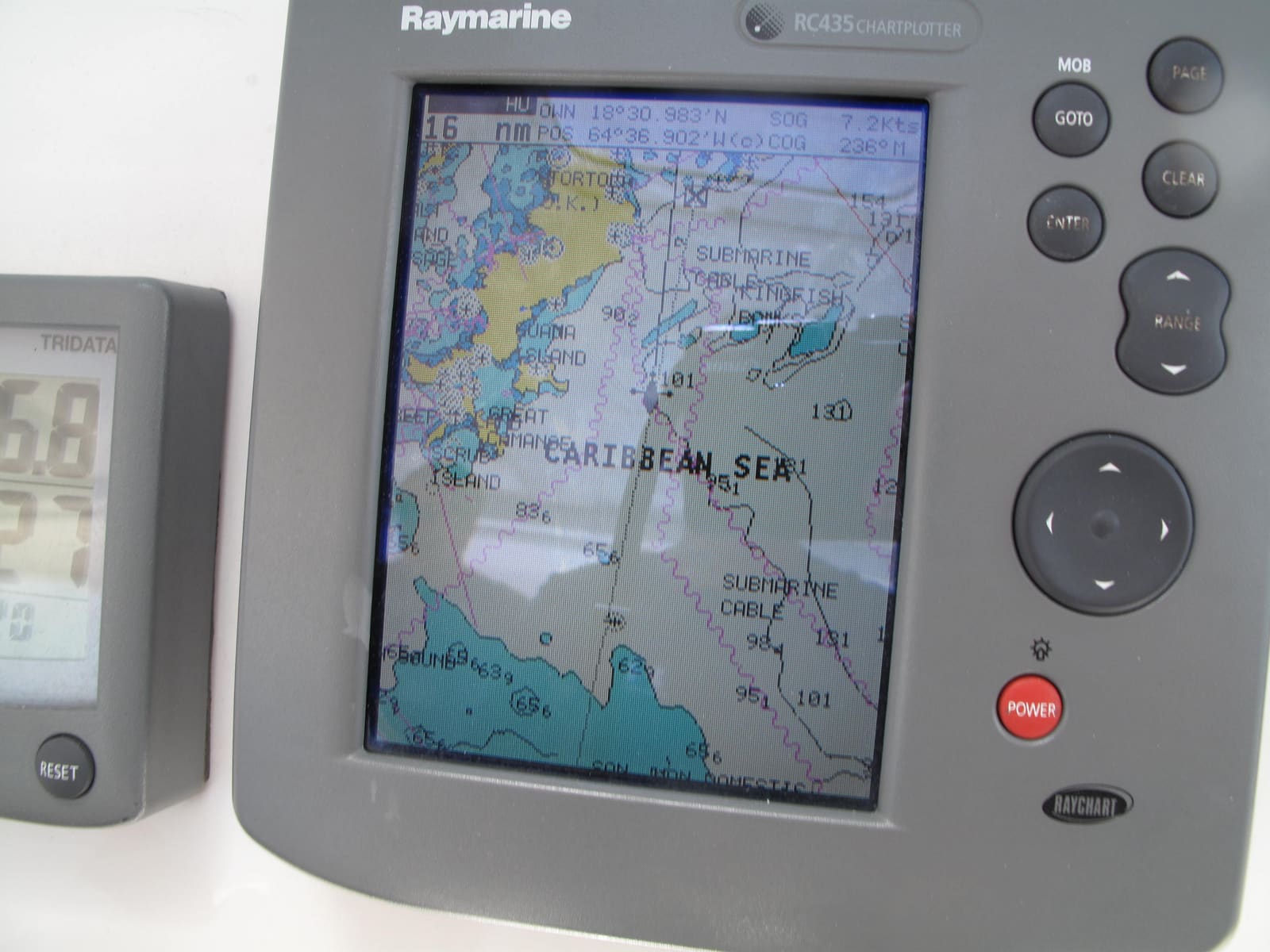
Keeping Chartplotter Charts and Software Current (Garmin, Raymarine, Simrad, Lowrance, Navionics, NOAA)
Old charts can show buoys that moved and shoals that grew. Learn how chart subscriptions and updates work across the big brands, where NOAA's free charts fit in, how to handle SD cards safely, how to back up your waypoints and routes before anything goes wrong, and a simple yearly routine.
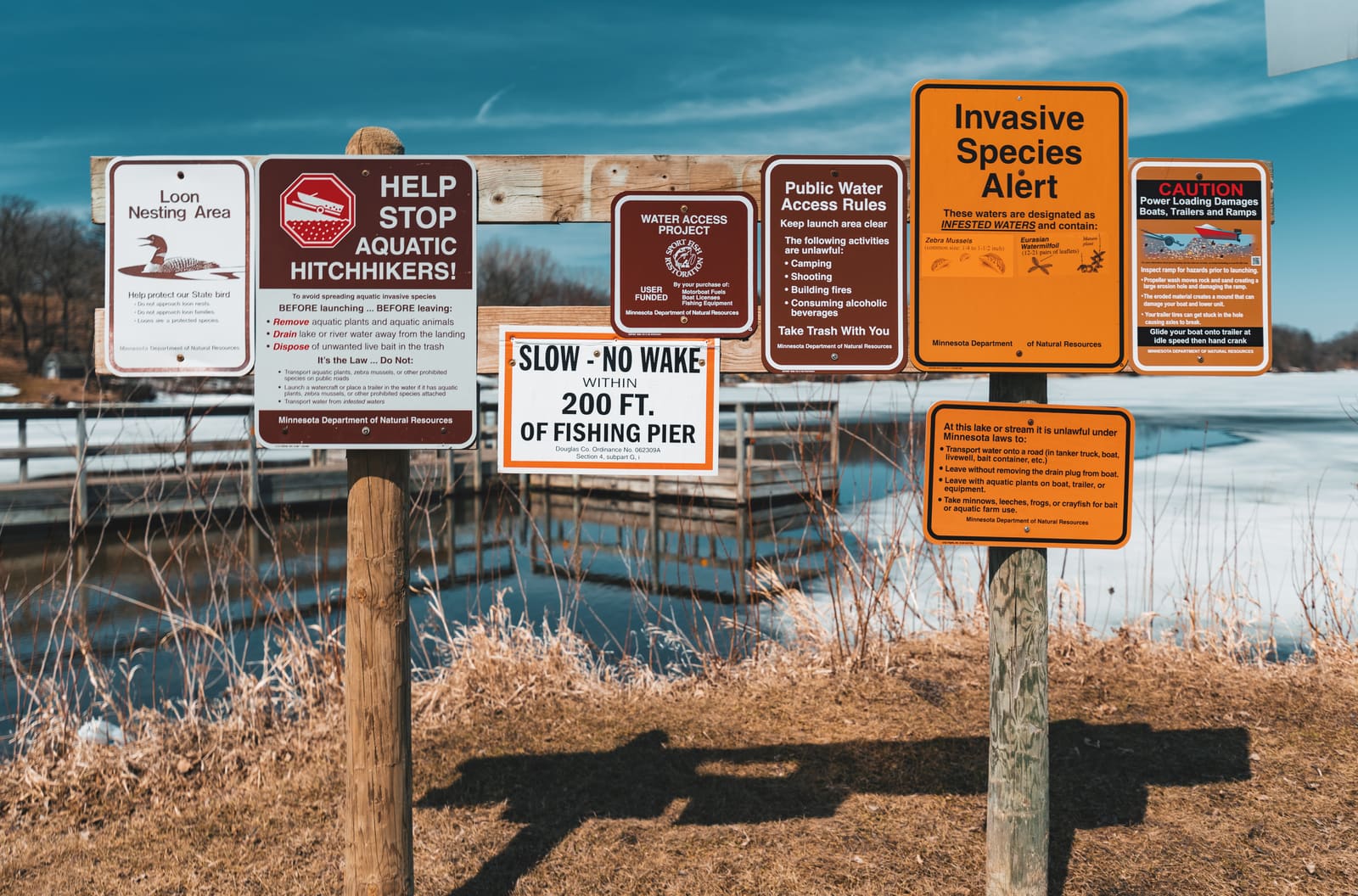
Lake Engine Restrictions: Two-Stroke Bans, Horsepower Limits, Electric-Only and No-Wake Lakes
Some lakes ban older two-stroke outboards, cap horsepower, allow only electric motors, or make the whole lake no-wake. Learn the common types of rules (with dated real examples like Lake Tahoe and Ohio's lake list), how to tell what kind of engine you have, and how to check before you tow the boat three hours to a ramp you can't use.
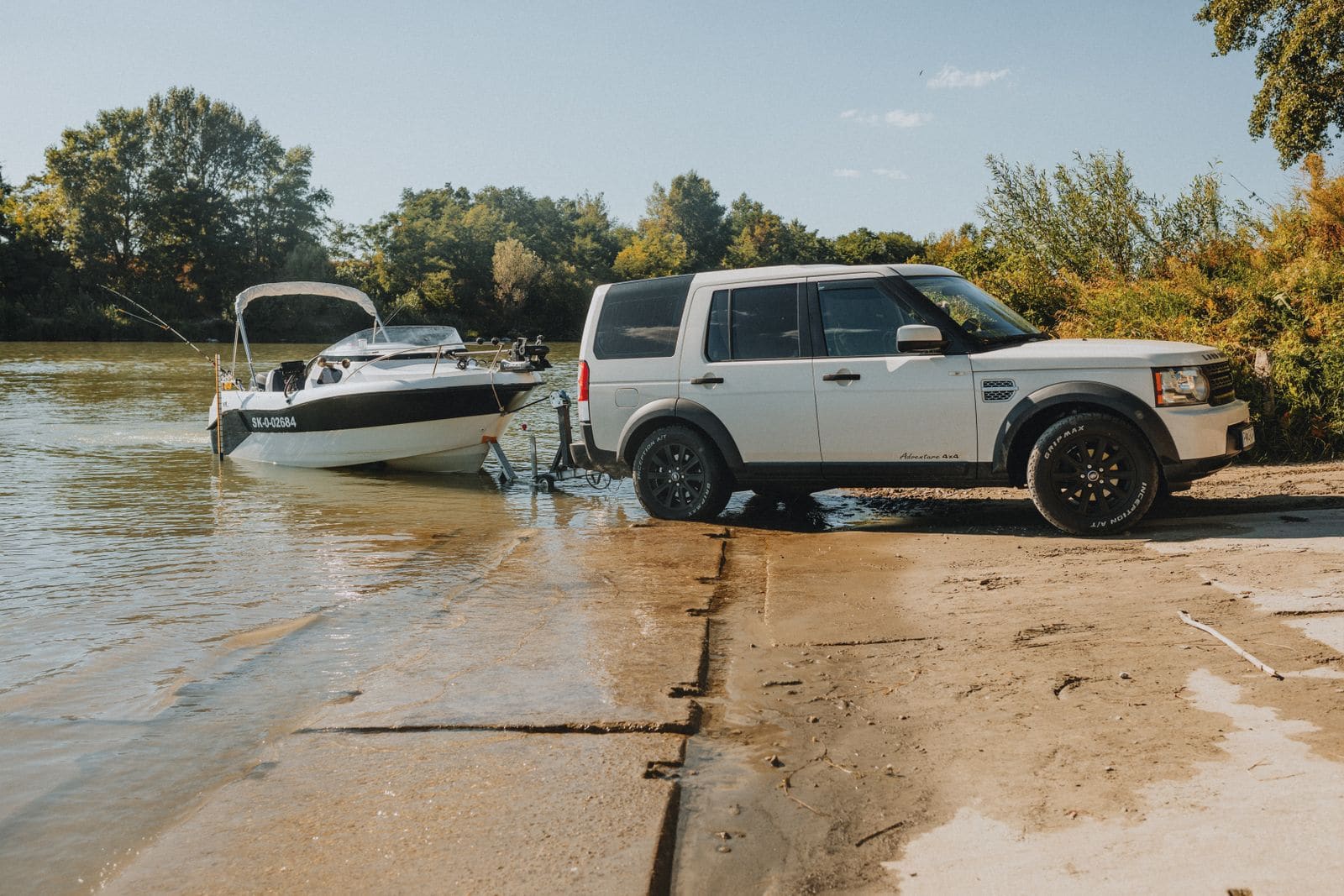
Launch Day and Haul-Out Checklist for Trailer Boats
A step-by-step checklist for getting your boat off the trailer and back on again safely and quickly, from the drain plug and tie-downs to the blower and ramp etiquette. Following it in order prevents the classic mistakes that sink boats and back up the ramp.
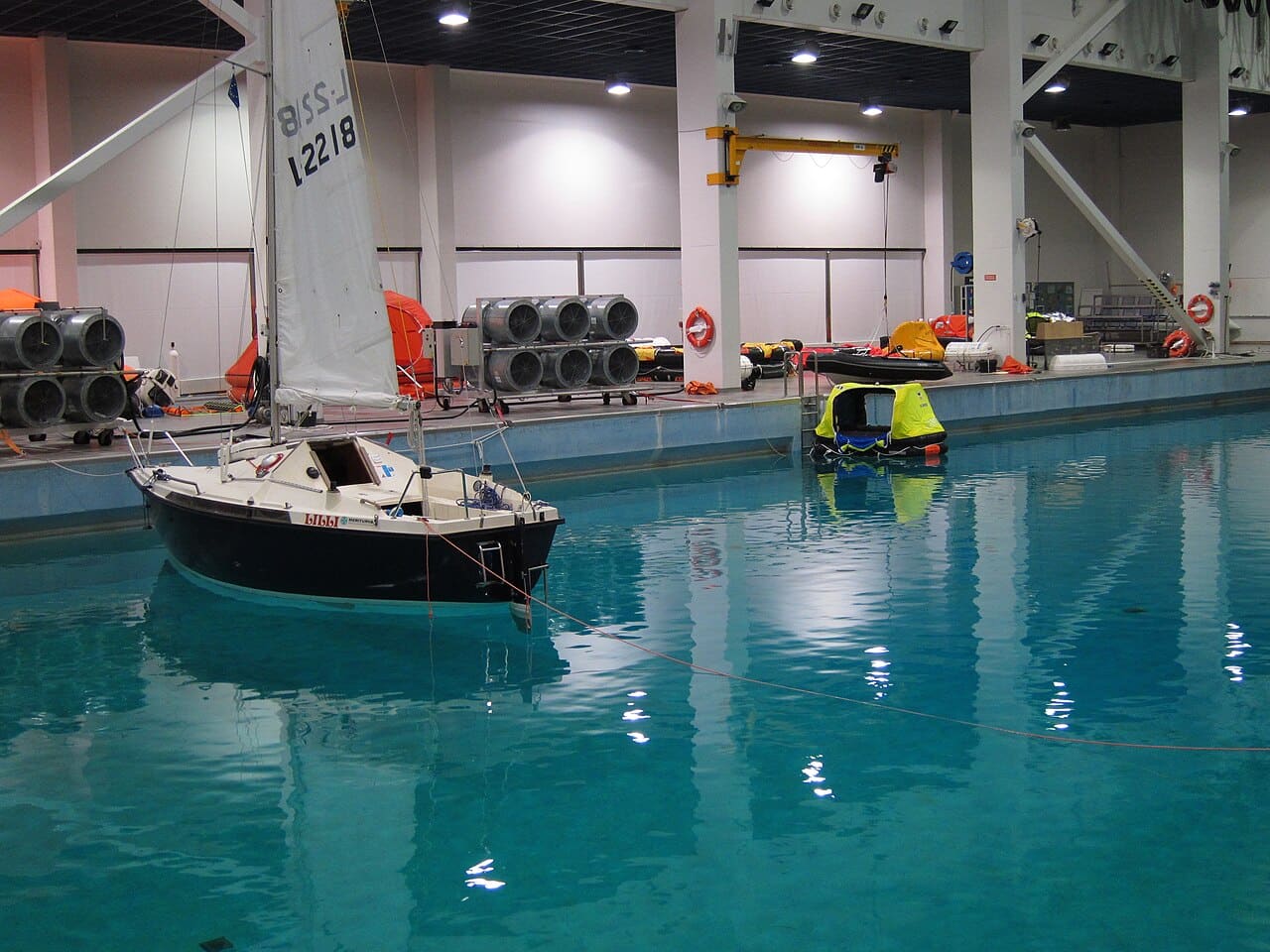
Life Raft Care: Service Intervals, Hydrostatic Releases, Mounting and the Grab Bag
A life raft you can't launch or that won't inflate is worse than none, because it gives false confidence. Learn how often rafts need professional service, how to pick a service station, when to replace the hydrostatic release, where to mount a canister or stow a valise, the checks you can do yourself, and what belongs in the grab bag instead of the raft.
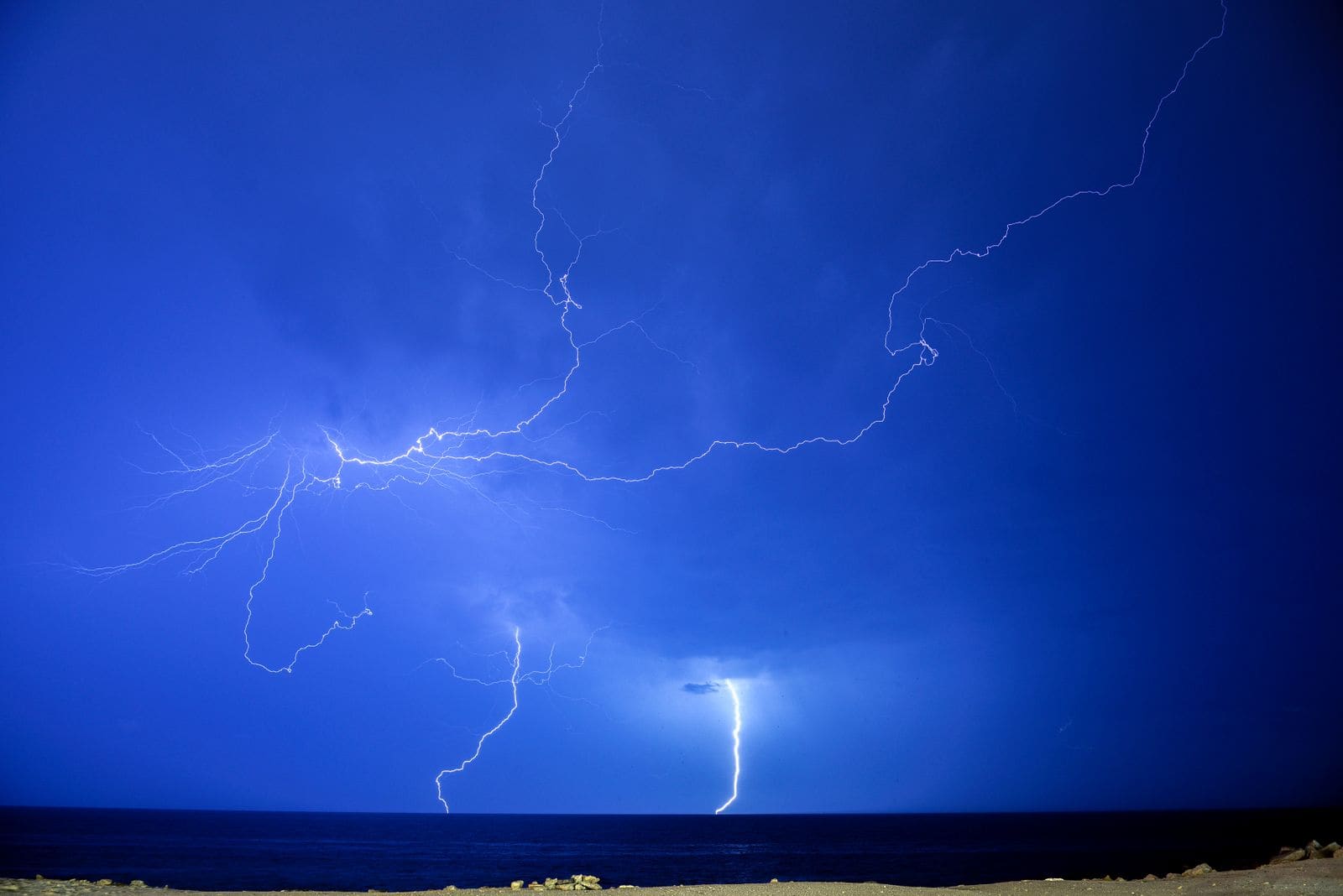
Lightning and Your Boat: Protection, Storm Safety and After-Strike Inspection
How lightning damages boats, what a professionally installed protection system (ABYC and NFPA 780 guidance) can and cannot do, what to do when a storm catches you on the water, and a step-by-step inspection checklist after a strike, including the haul-out, compass, electronics, through-hulls and the insurance claim.
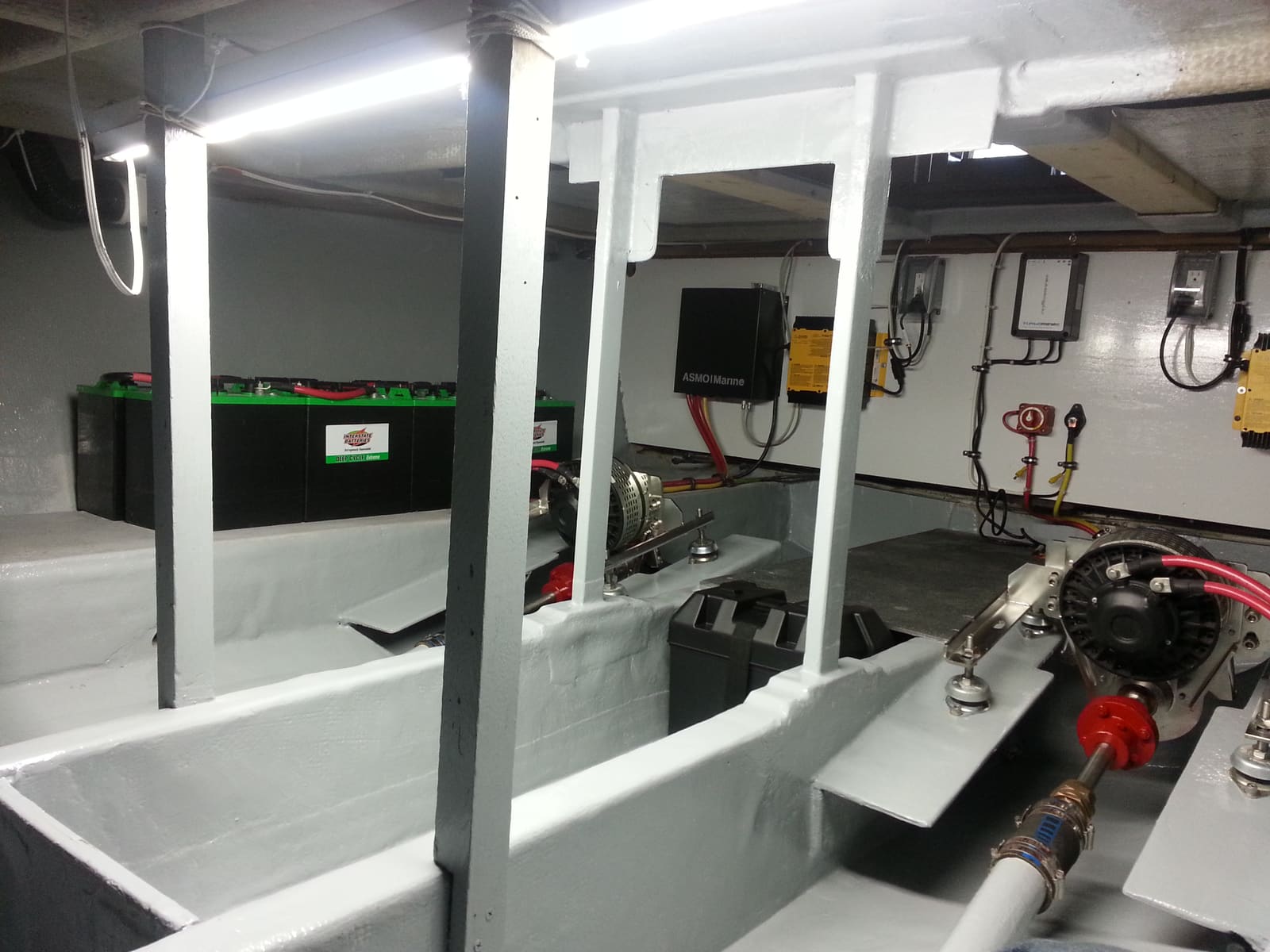
Low-Voltage Disconnects: Keep the Stereo and Fridge from Killing Your Battery
A low-voltage disconnect (LVD) automatically cuts non-essential loads like the stereo, fridge and cabin lights before they drain the battery you need to start the engine. Learn how these devices work, which loads belong behind one and which never do, how to pick the cut-off point for lead-acid or lithium, and how to install one safely.
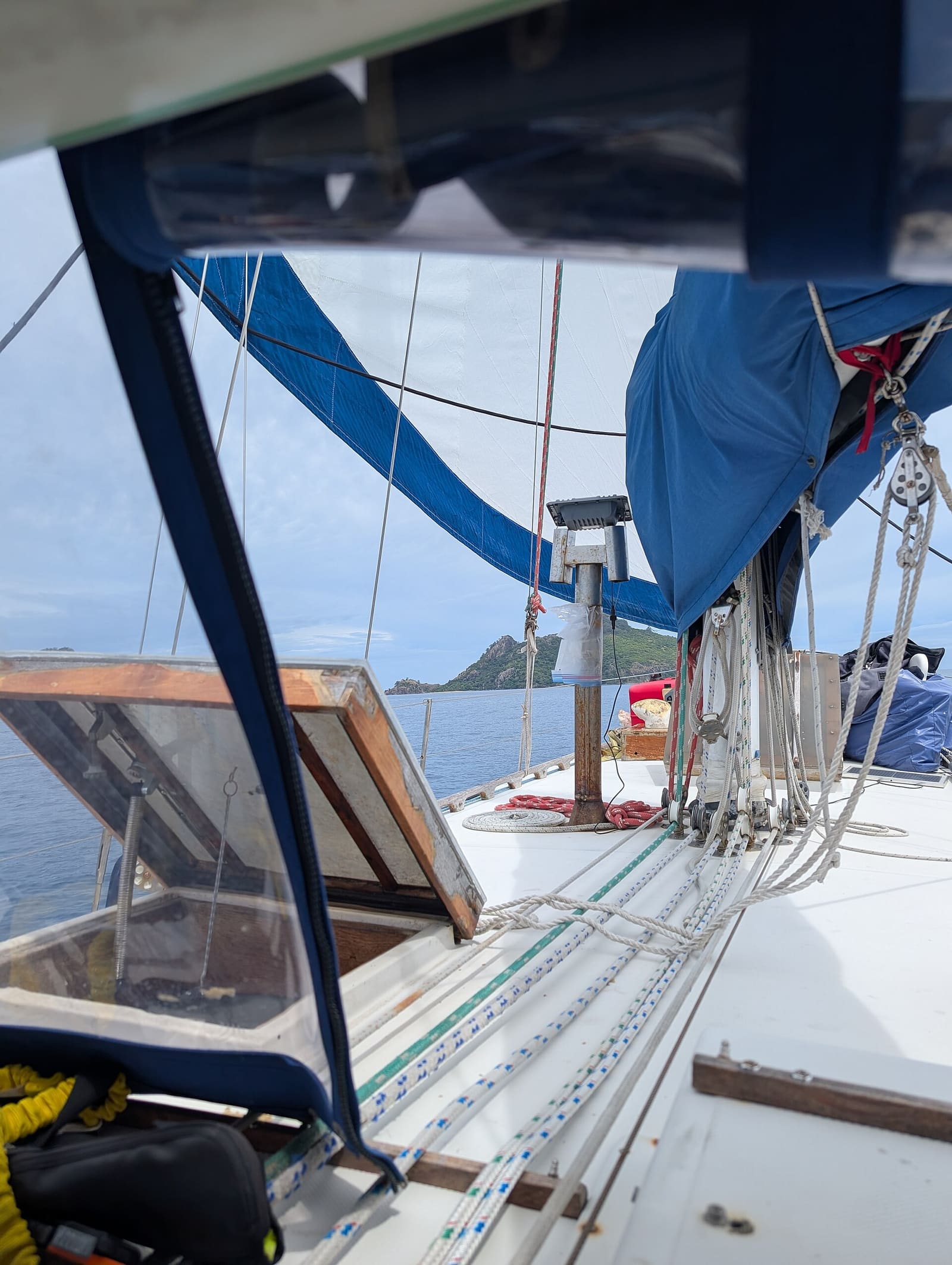
Make a Fire Escape Plan for Your Boat: Exits, Extinguishers, Roles and Shutoffs
Map two ways out of every cabin, put extinguishers where you can actually reach them, assign who does what, and practice shutting off fuel and power and getting everyone off upwind. A boat fire leaves only a few minutes, so the plan has to be made and walked through before you need it.
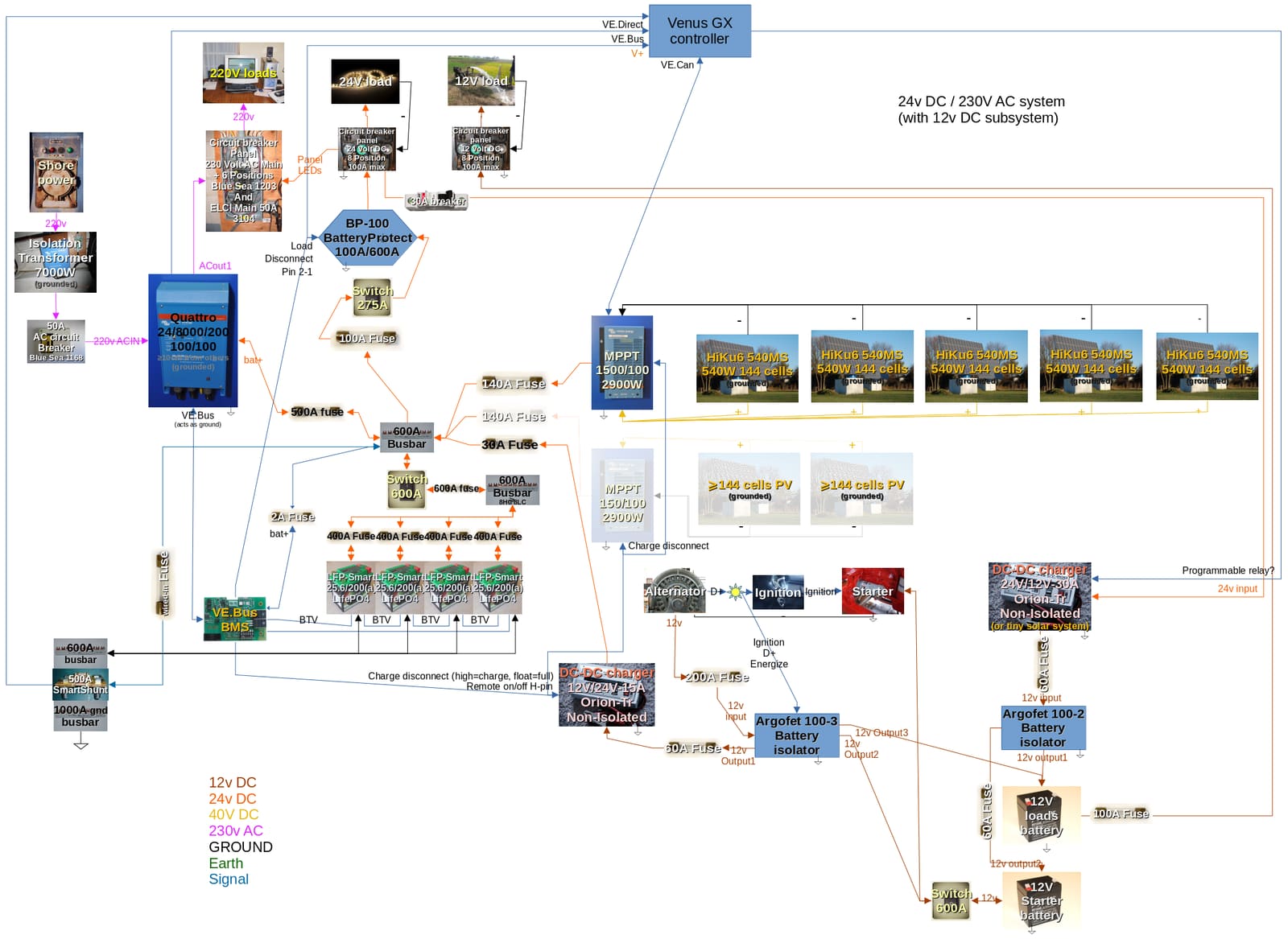
Make Your Own Boat Wiring Diagram
Trace your boat's 12-volt circuits one wire at a time, label them so the labels last, and draw a simple diagram you keep aboard. It takes a few weekends, but it turns every future electrical problem or upgrade into a faster, cheaper job.
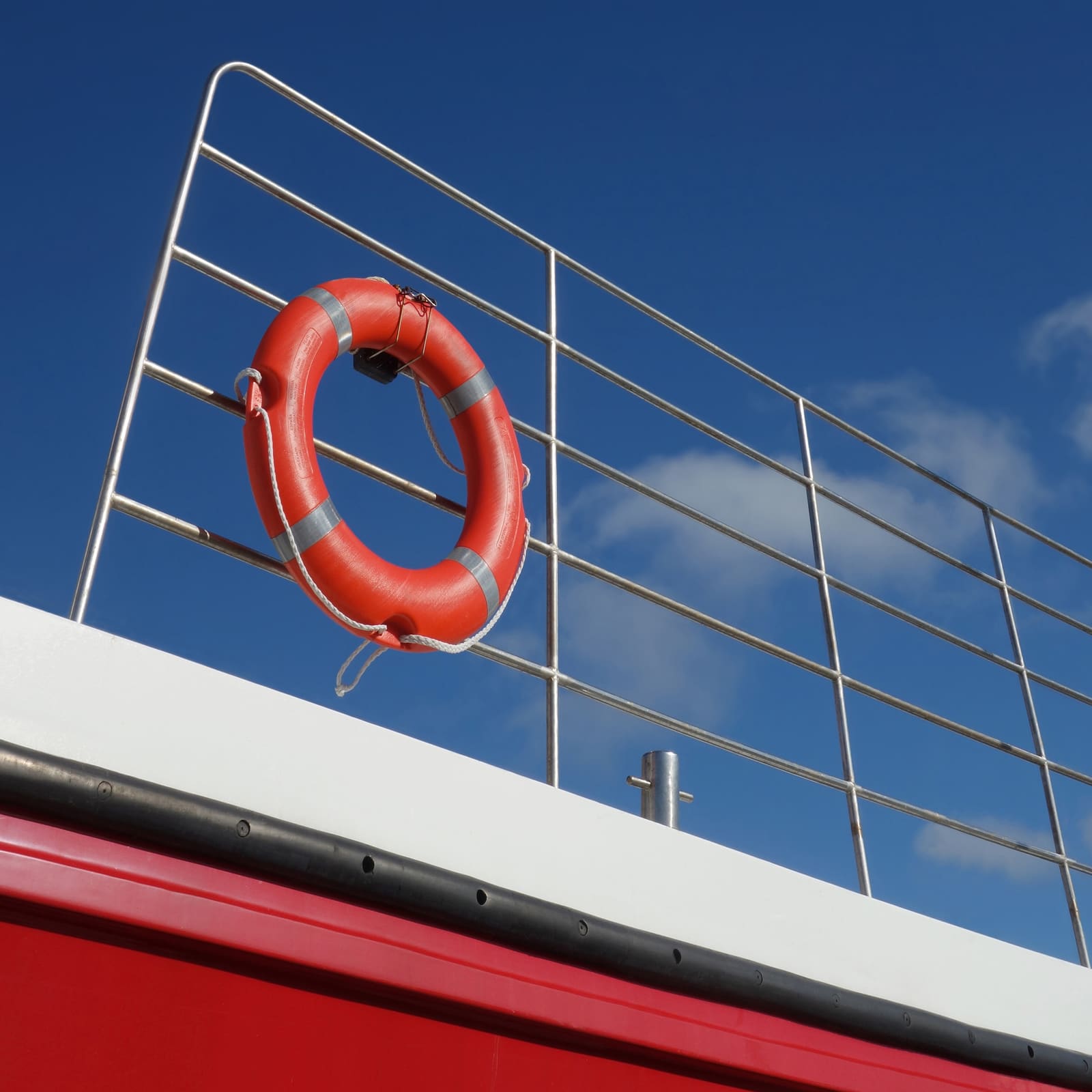
Man-Overboard Recovery Gear: Throwables, Lifesling, Ladders and MOB Alarms
Set up and check the gear that gets a person in the water back aboard - a throwable within reach, a floating rescue line or Lifesling-style sling, a boarding ladder someone in the water can pull down, and MOB alarms or AIS beacons - and practice the drill so it works when it counts.
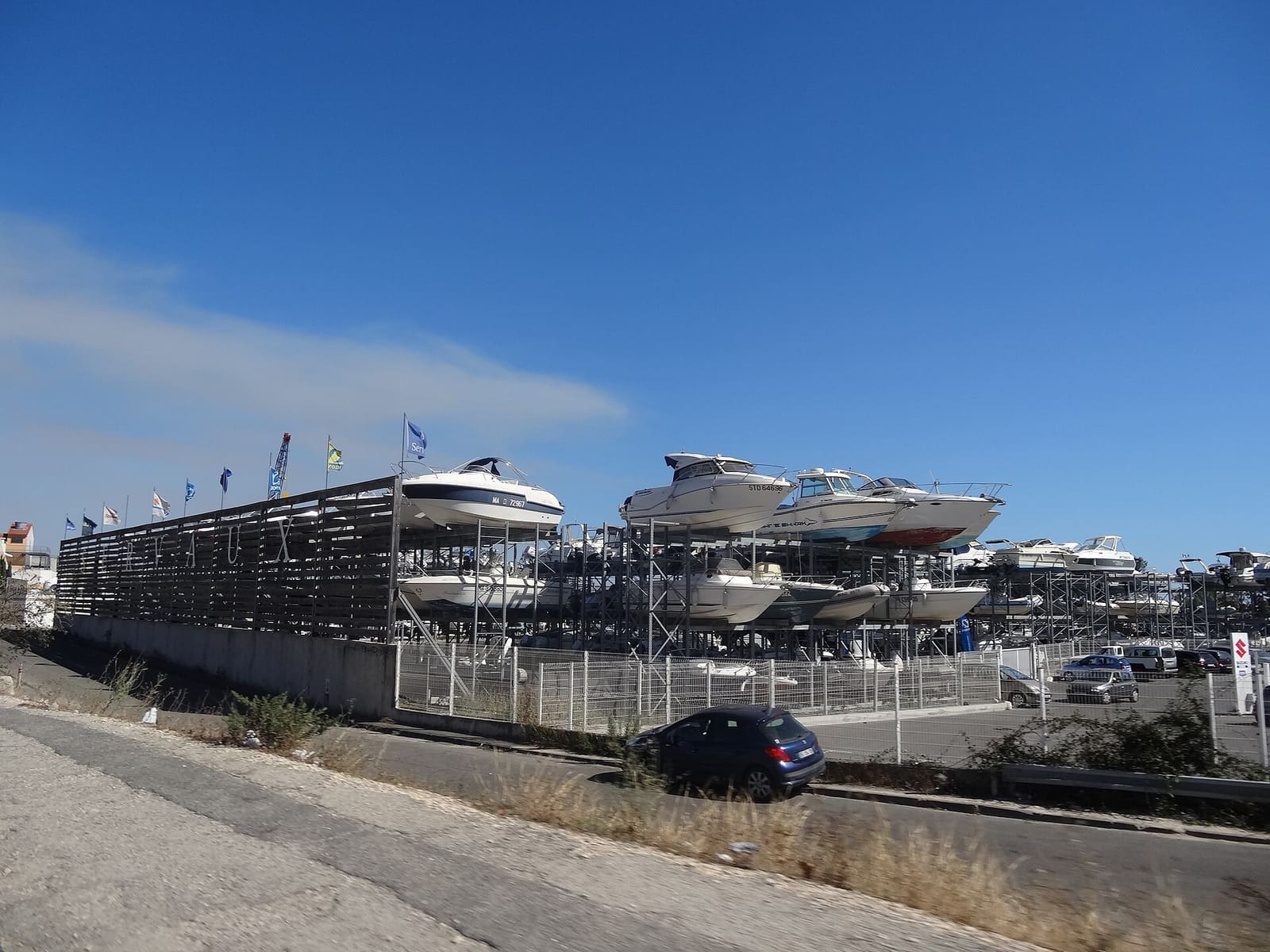
Marina and Storage Liens: How Lien Sales Work, Buying a Lien-Sale Boat, and Not Losing Yours
How unpaid slip, storage or repair bills turn into a lien and then a sale, using Florida and California as examples; what an owner can do to stop it; and how a buyer checks that a lien-sale or abandoned boat comes with paperwork the state will actually title. Every state has its own process and deadlines, so confirm with your state agency.
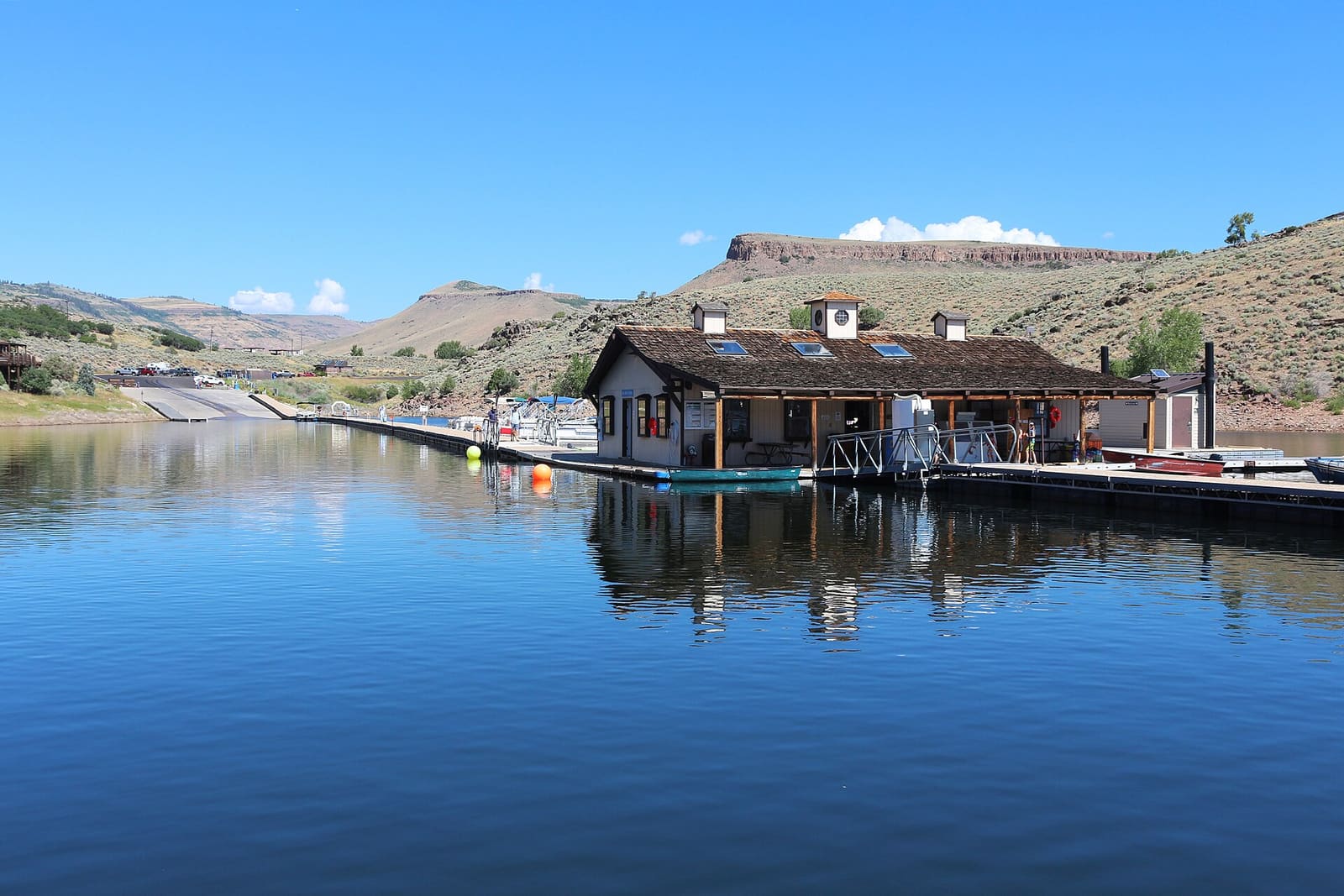
Marina Slip and Storage Contracts: What to Read Before You Sign
Walk through a slip, mooring or winter storage contract clause by clause: insurance and additional-insured requirements, hold-harmless and waiver-of-subrogation language, liveaboard and work rules, DIY and outside-contractor limits, storms, termination, refunds and lien rights, plus the questions to ask the marina and your insurer. Practical guidance, not legal advice.
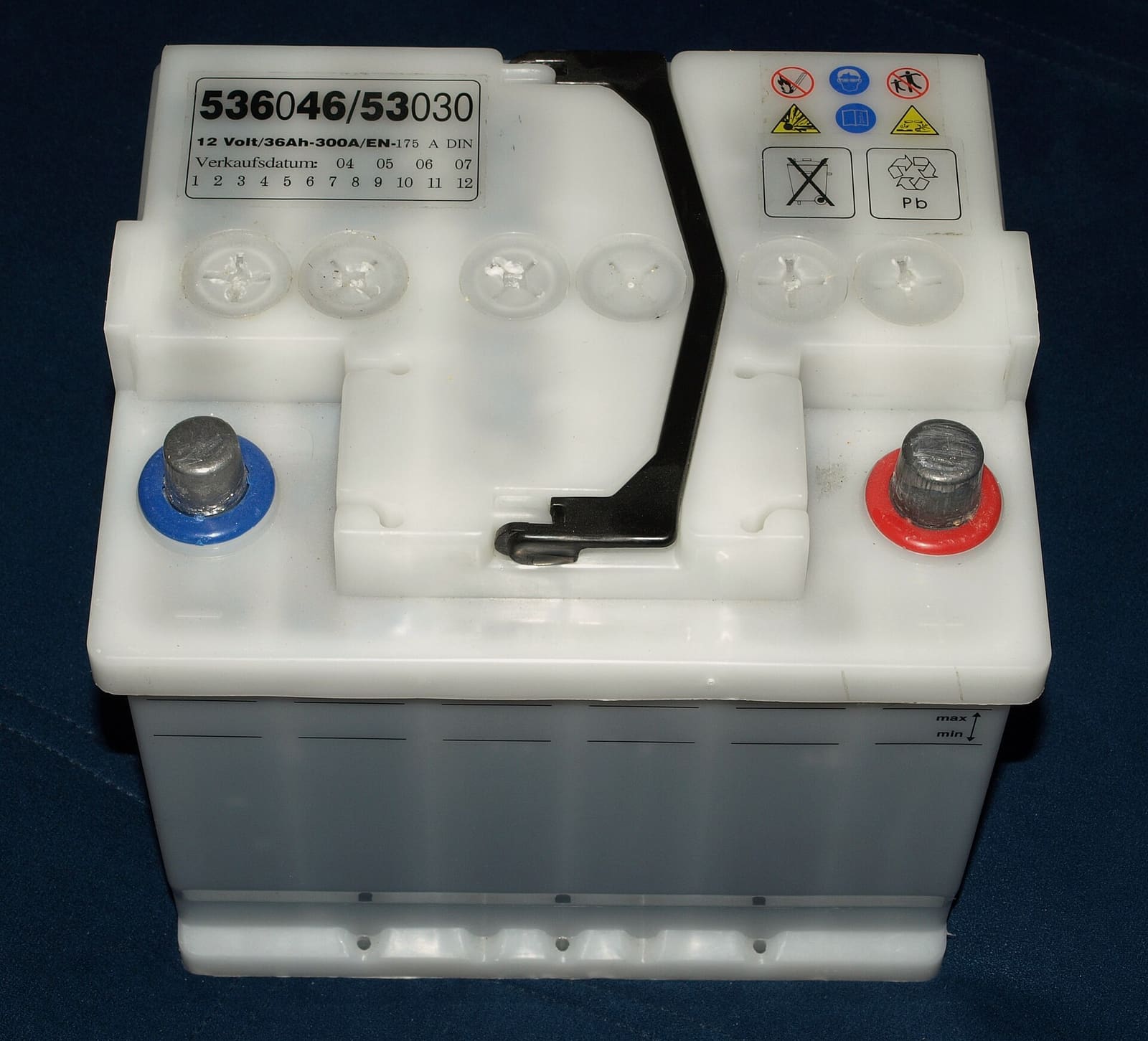
Marine Battery Care: Test, Charge and Store for Winter
Check your boat battery's health, charge it the right way for its type (flooded, AGM or lithium), and store it so it is ready in spring. Most "boat won't start" calls start with a neglected battery.
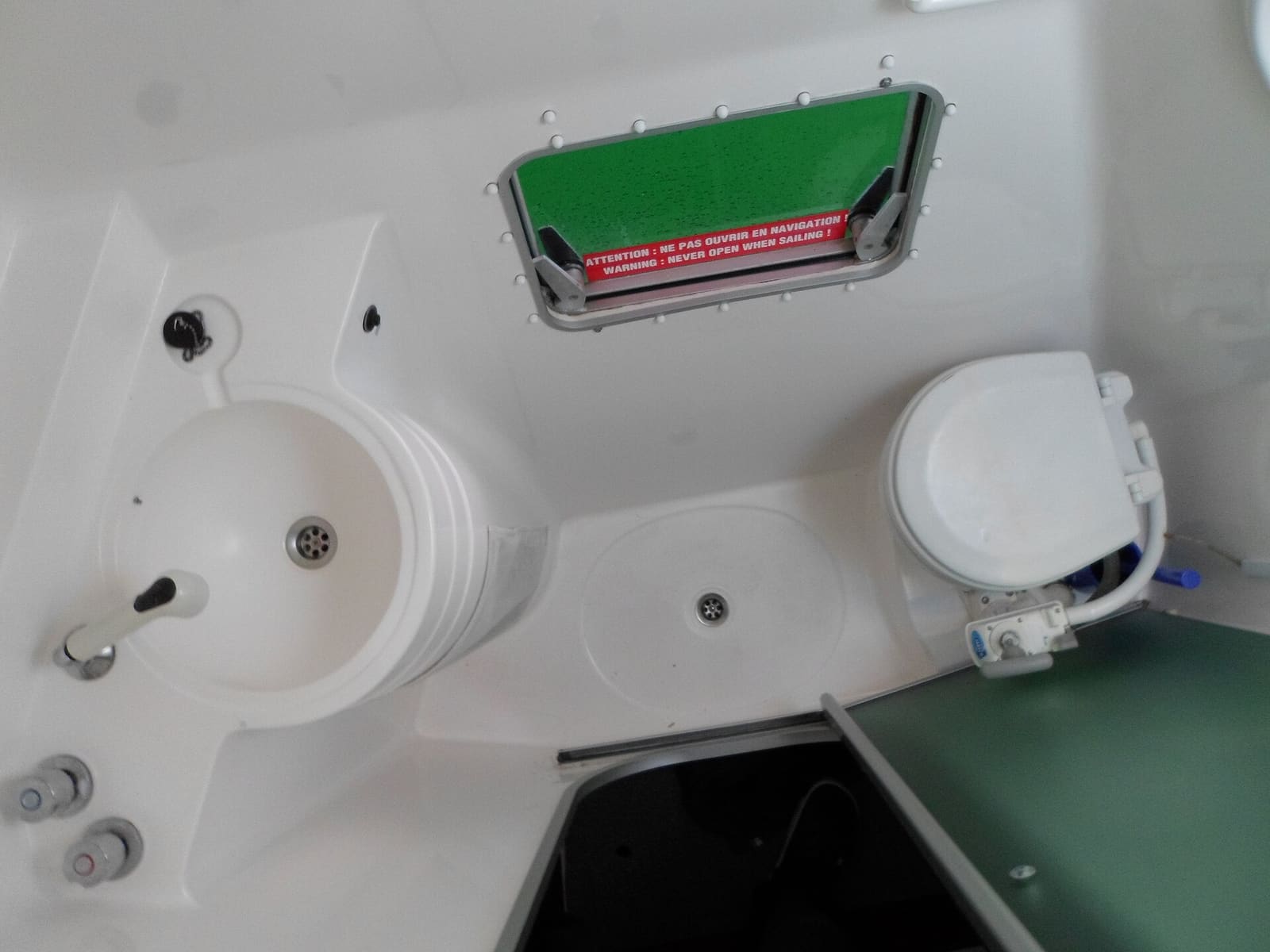
Marine Head and Holding Tank Care: Odors, Clogs, Pump-Outs and Winterizing
Keep your boat's toilet and holding tank working and odor-free, clear common clogs, pump out the right way, and winterize the system. Also covers the Y-valve and the federal no-discharge rules every owner with a head needs to follow.
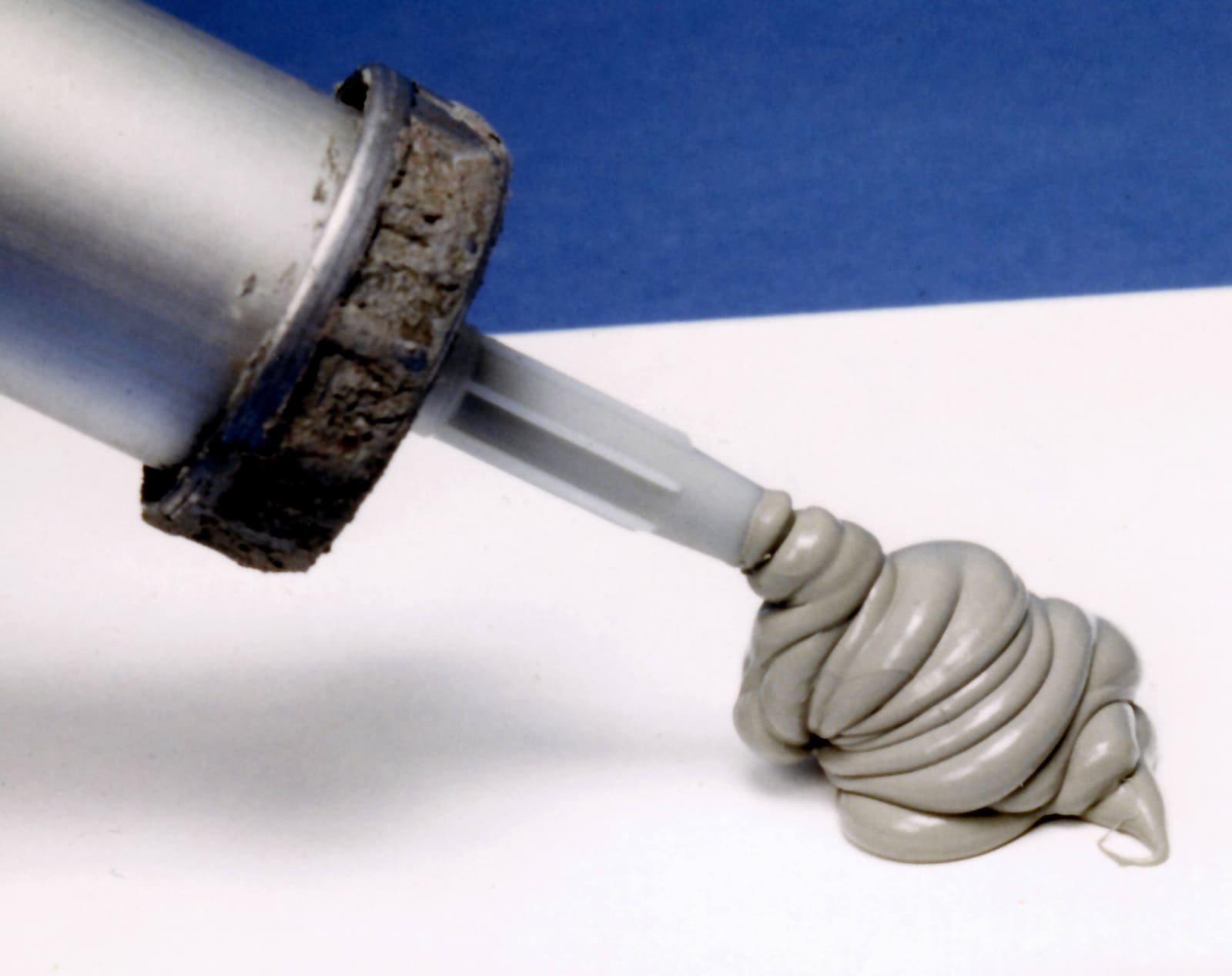
Marine Sealants Explained: 5200, 4200, 4000UV, Polysulfide, Silicone and Butyl Tape
Pick the right sealant before you bed a cleat, a through-hull, a window or a transducer. The wrong goo either leaks in a year or glues a part on so hard you damage the boat getting it off.
Safety: BoatMend is for information only and does not replace a certified marine technician. You are responsible for your safety and your boat. Read the full disclaimer.