Repair & maintenance guides
Plain-English, step by step, written for owners. Pick your engine to see the guides that apply to it.
38 of 509 guides · page 1 of 2
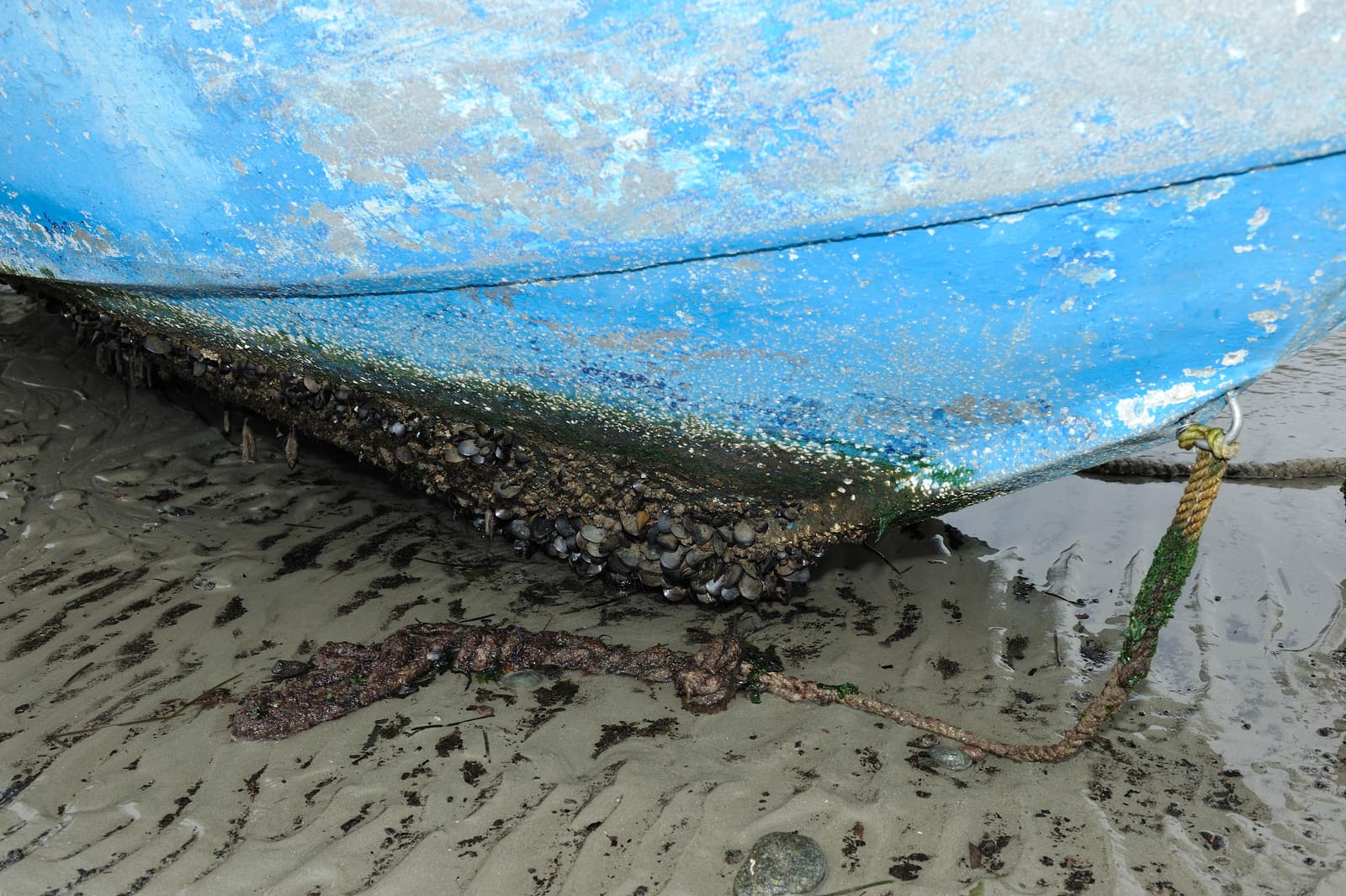
Boat Slower Than It Used to Be? How to Find the Cause
When your boat loses top speed or takes longer to get on plane, the cause is usually something you can check yourself: extra weight, water in the hull, trim, a dinged or fouled prop, or a dirty bottom. This step-by-step diagnosis goes from the cheapest checks to the harder ones and explains what your RPM and GPS speed are telling you.
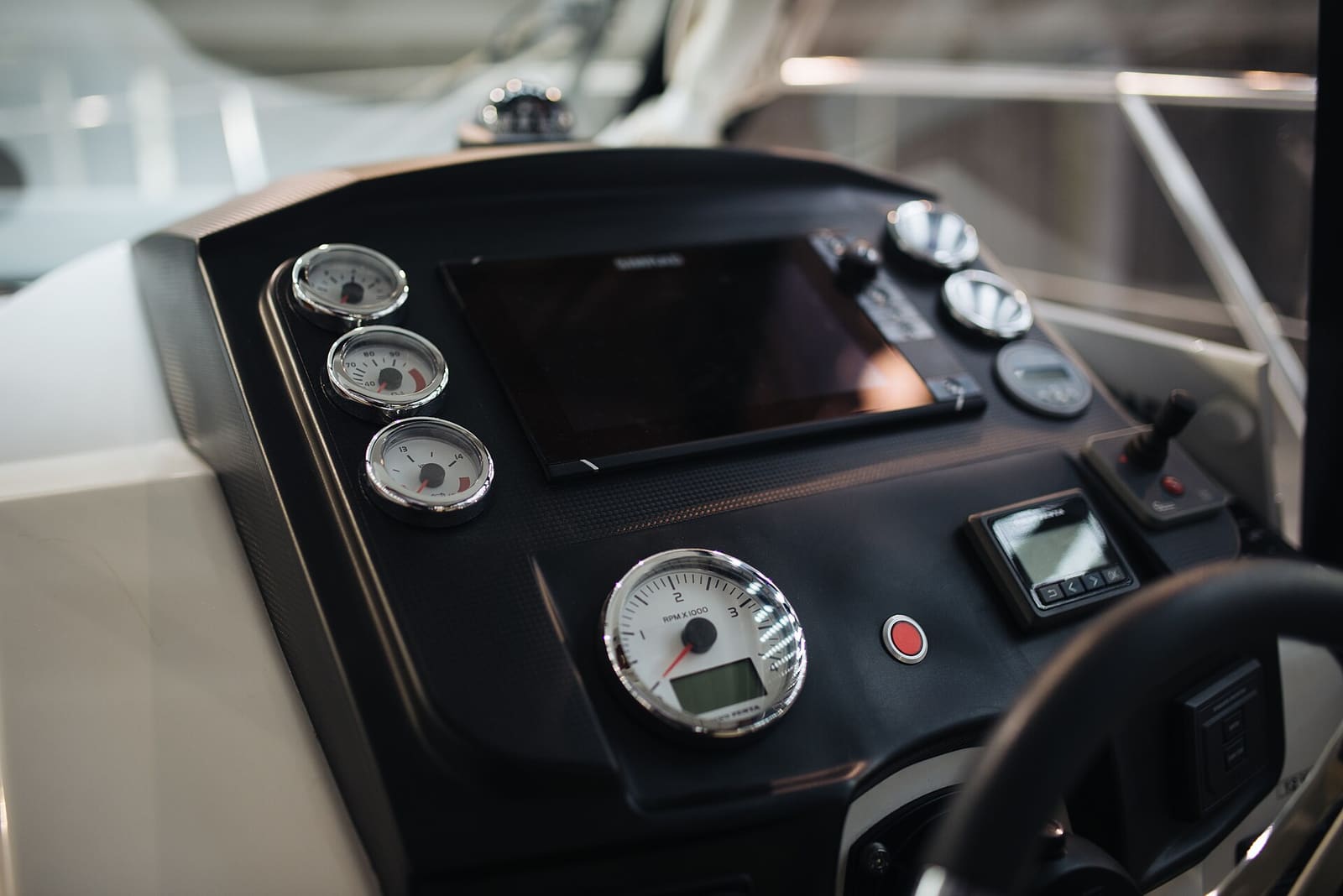
Boat Speedometer Reads Zero or Wrong: Pitot Pickups, Paddlewheels and GPS Speed
Fix a speedometer that reads zero, too low or jumps around. Learn which kind you have, clear a clogged pitot pickup and hose, clean and calibrate a paddlewheel, check the speed source on digital gauges, and decide whether switching to a GPS speedometer makes sense.
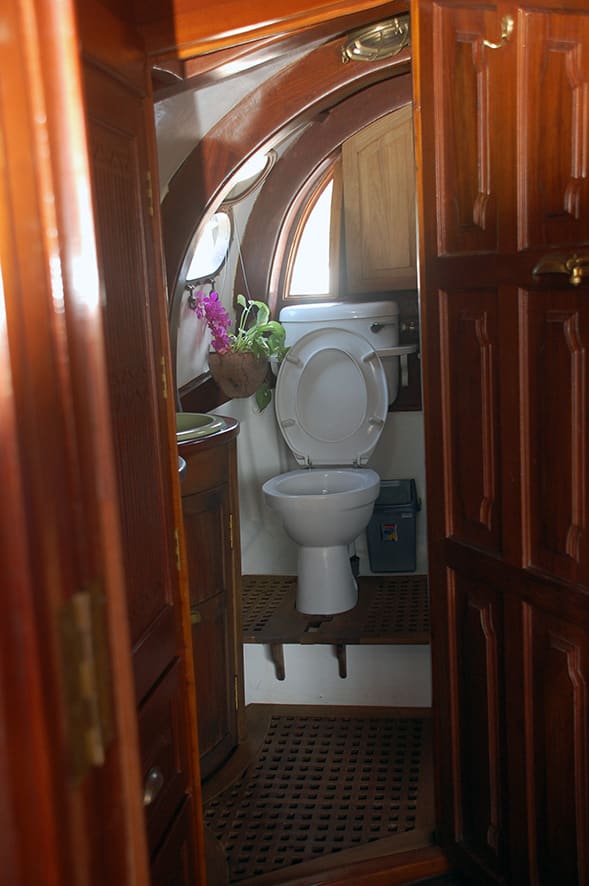
Electric Marine Toilet Troubleshooting: Won't Flush, Weak Flush, Won't Stop Filling
Electric and macerating marine heads fail in a handful of predictable ways. Work from the cheapest checks to the messiest ones to fix a toilet that won't run, flushes weakly, trips its breaker, keeps filling, loses or gains water in the bowl, or backs up, and learn what to keep out of it.
Engine Overheating - Troubleshooting Guide
Work through the most likely causes of a hot engine or overheat alarm, from a blocked water intake to a worn impeller or stuck thermostat. Acting fast and in the right order can save your engine and often gets you home without a tow.
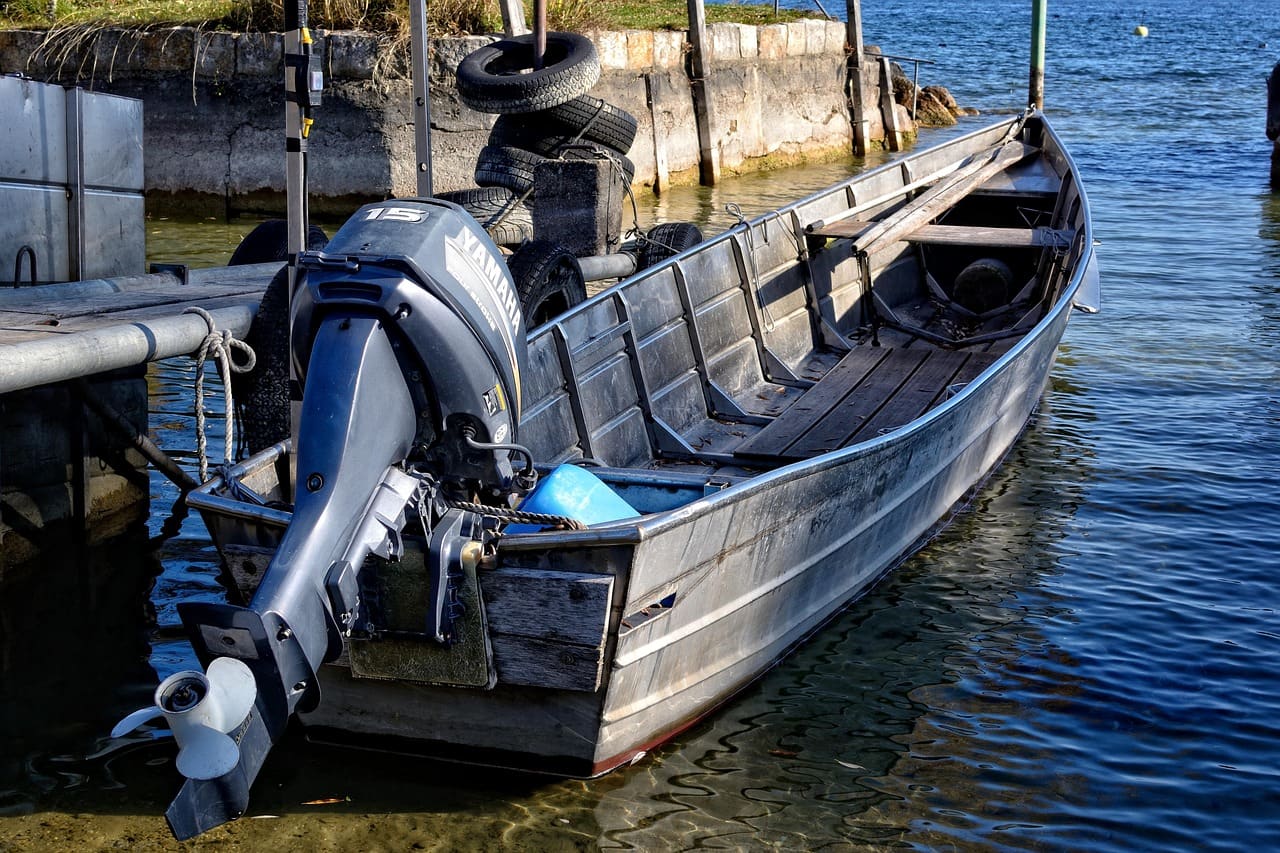
Engine Starts Then Dies - Troubleshooting Guide
Track down why your boat engine fires up and then stalls, whether at idle, when you shift into gear, or after a few minutes of running. Most causes are in the fuel supply and can be checked with no special tools.
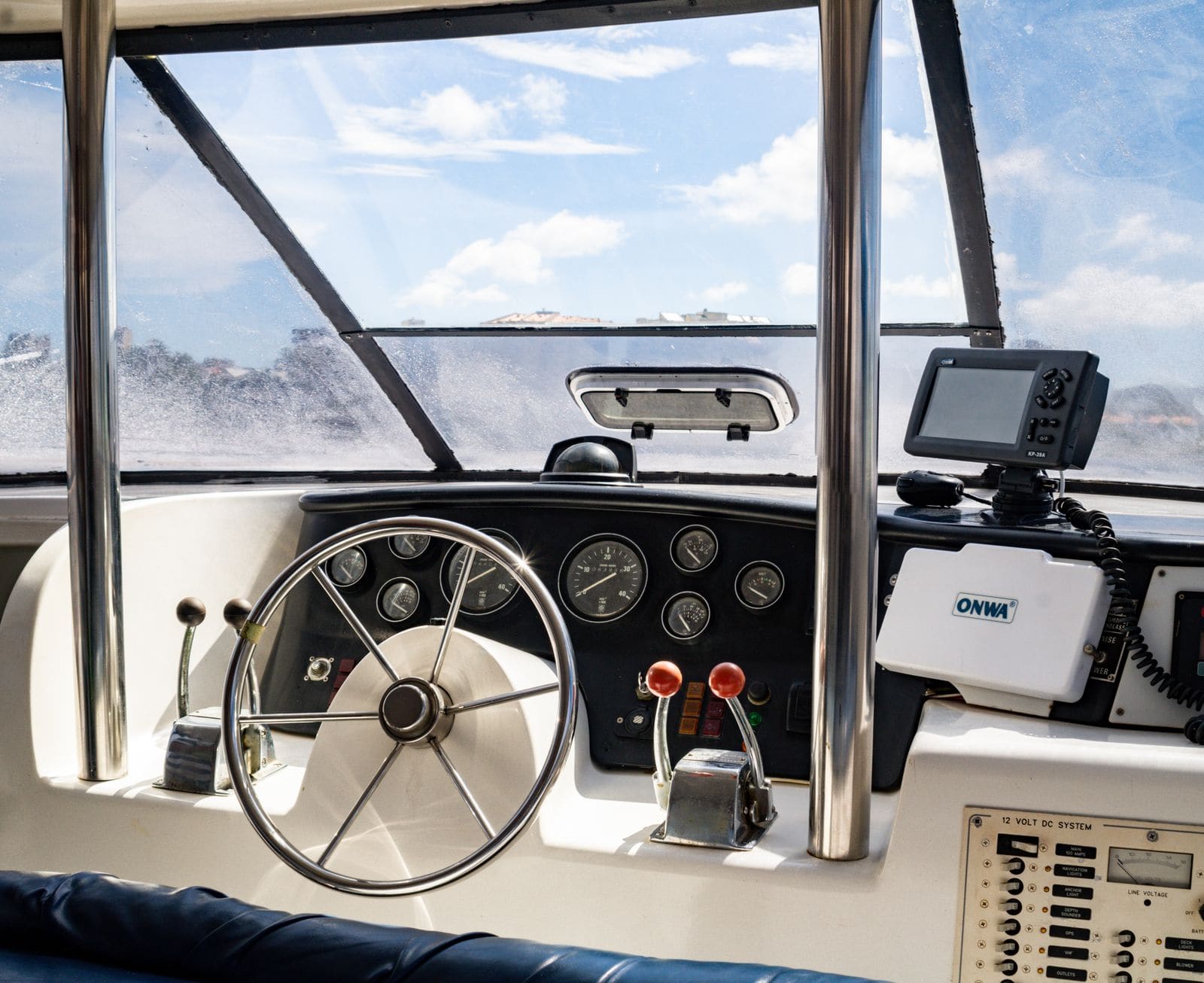
Engine Warning Horn and Dash Lights: What They Usually Mean and What to Do
Learn what a warning horn, beeps or a dash light usually mean on a boat engine, from overheating and low oil pressure to water in the fuel and reduced-power (limp) mode. Find out what to do right away and when to stop the engine. Patterns differ by brand, so match what you hear and see to your owner's manual.
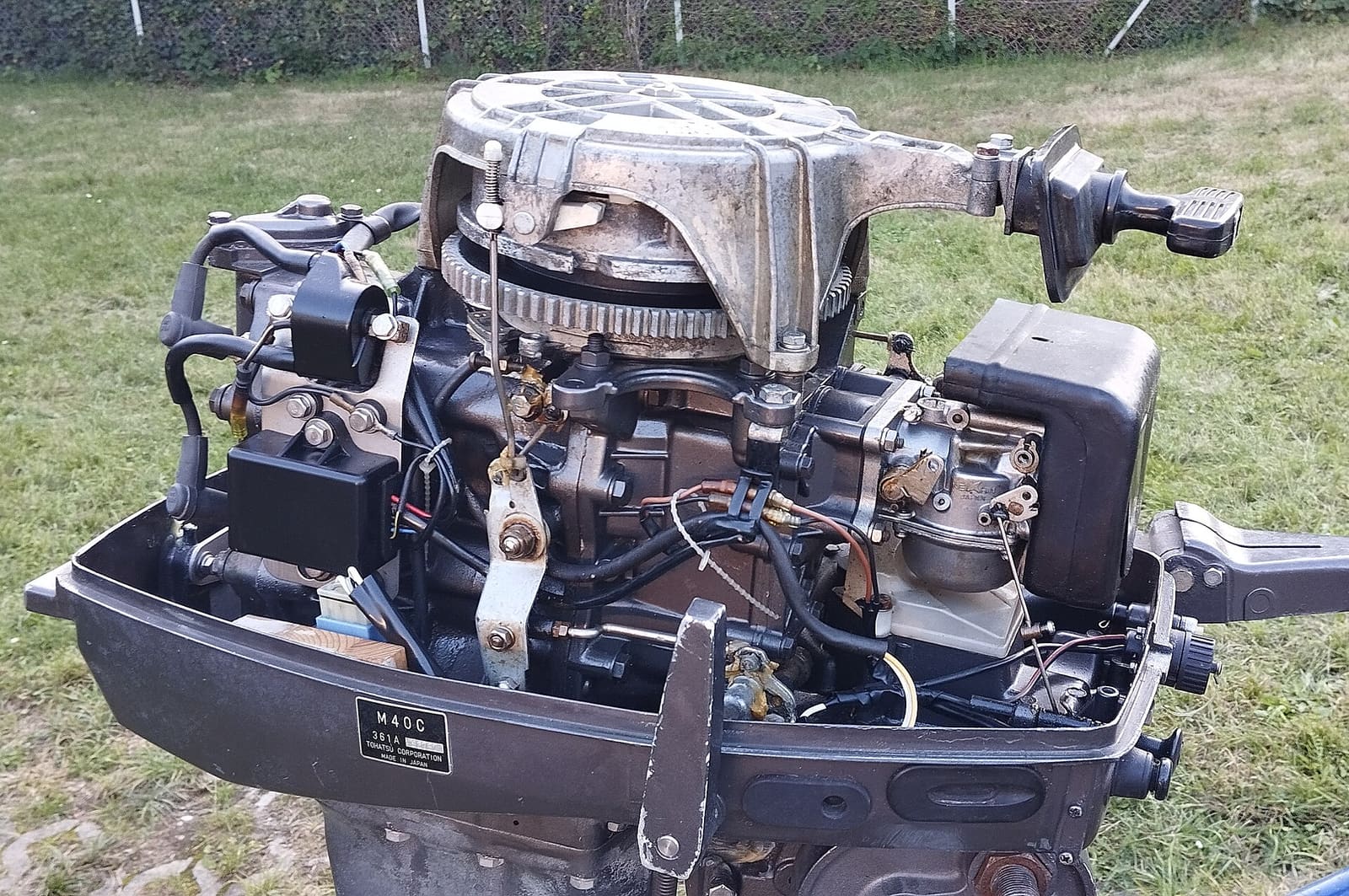
Engine Won't Start or Won't Crank - Troubleshooting Guide
Find out why your boat engine will not turn over or will not fire, starting with the simple things owners miss most, like the kill switch lanyard and battery switch. Many no-starts are fixed at the ramp in minutes without a tow.
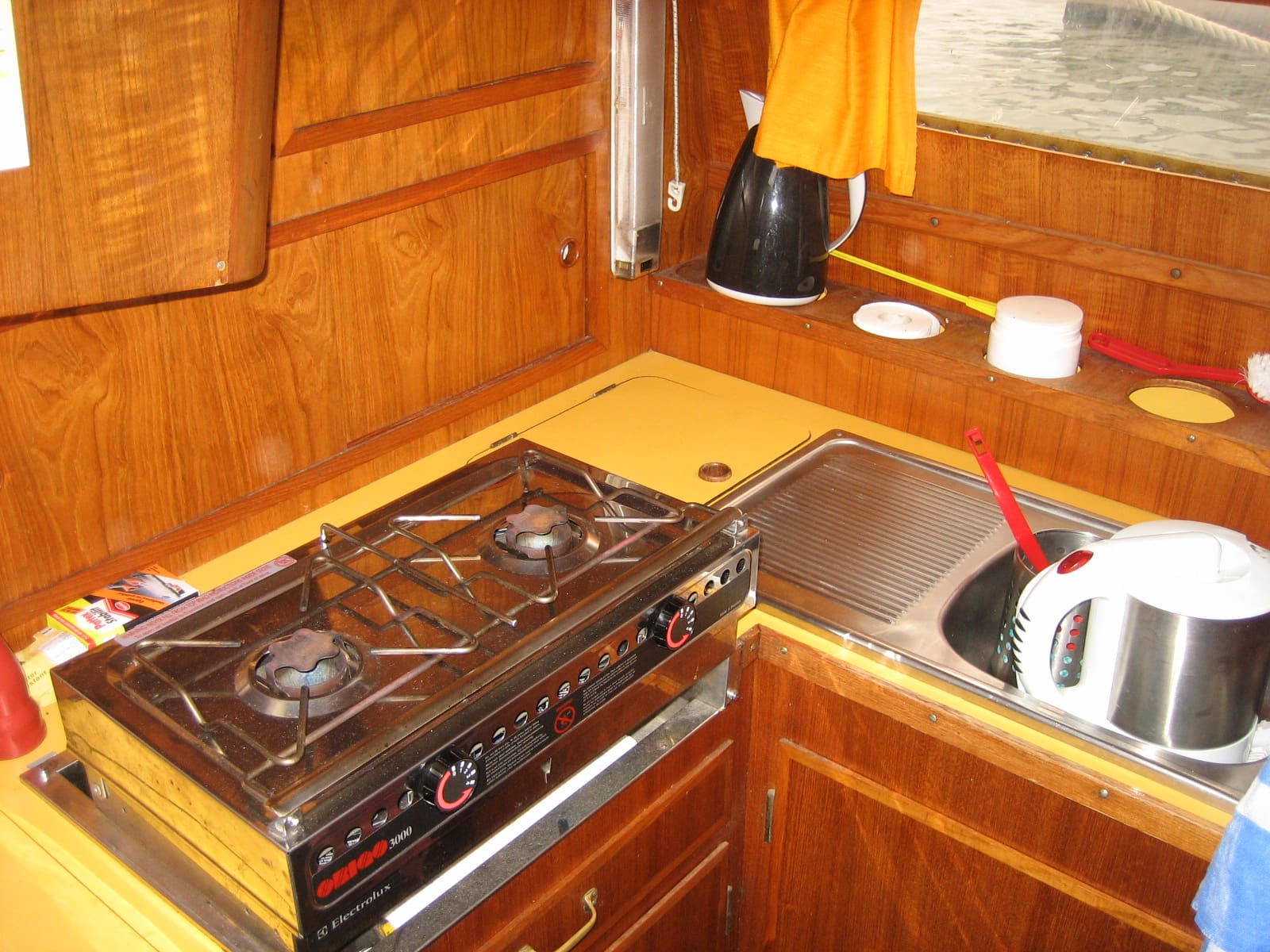
Freshwater Pump Troubleshooting: Cycling, Won't Shut Off or No Water
When the pressure water pump keeps cycling at night, runs nonstop or sputters air, the cause is usually simple: an empty tank, a dripping fixture, a clogged strainer, air in the lines or a tired accumulator. Work from the cheapest checks to the pressure switch and pump, and learn the basics of replacing a pump.
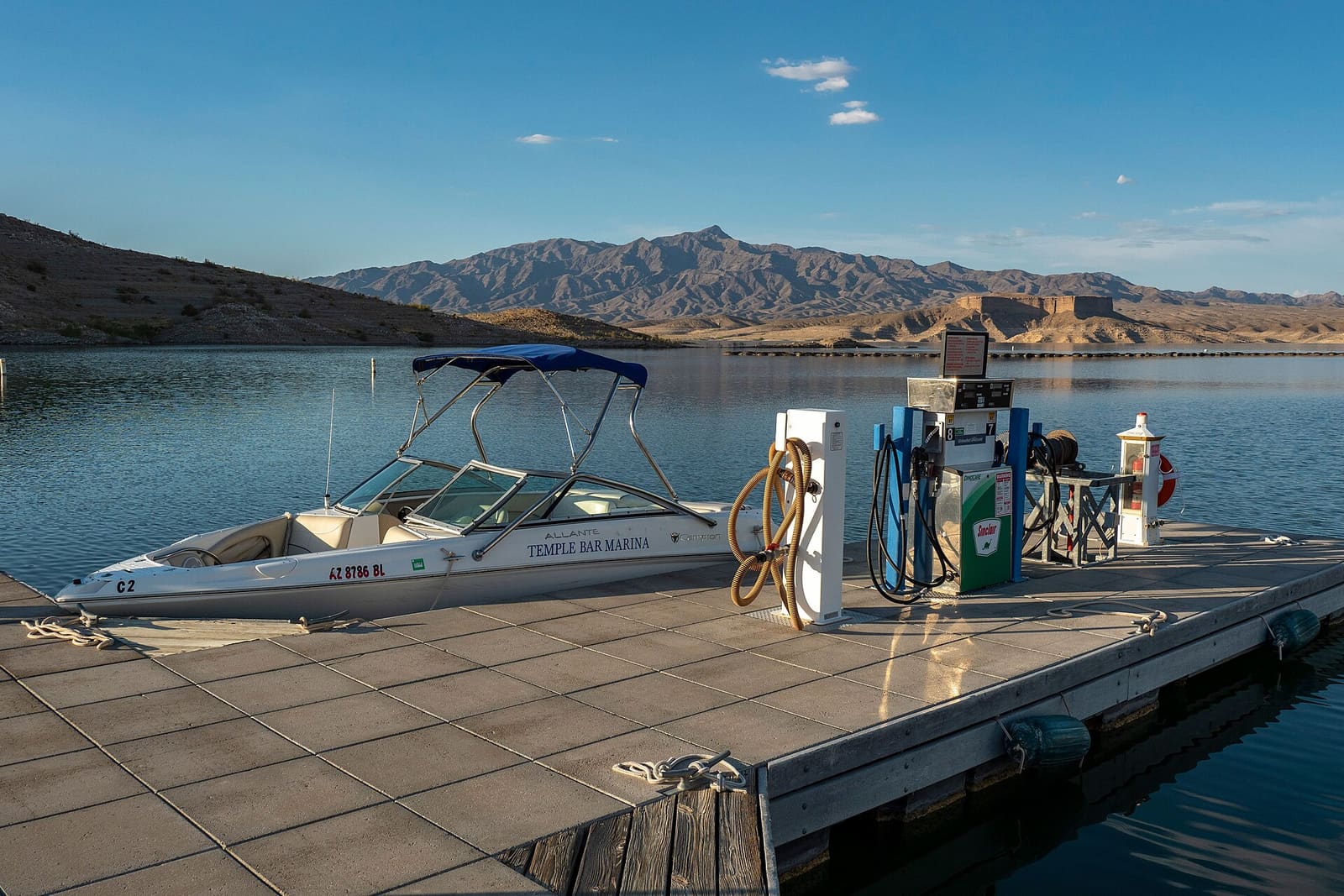
Fuel Anti-Siphon Valve: Diagnosing a Sticking Valve and Replacing It Safely
The anti-siphon valve at your built-in fuel tank stops gasoline from draining into the bilge if a fuel line breaks, but a cheap or sticky one can starve the engine at speed. Learn how to tell a restricted valve from a blocked vent or filter, how to clean or replace it with a quality valve of the right type, and why you should never pull the check ball out.
Fuel Demand Valves: Troubleshooting the Valve That Holds Back a Sealed Tank
Modern EPA-compliant fuel tanks stay sealed and build pressure in the sun, and a fuel demand valve keeps that pressure from pushing gasoline into the engine when it's off. Learn how it differs from an old-style ball anti-siphon valve, the symptoms of one that sticks closed or leaks through, how to rule out cheaper causes first, and why the replacement must be the same type, never a ball valve.
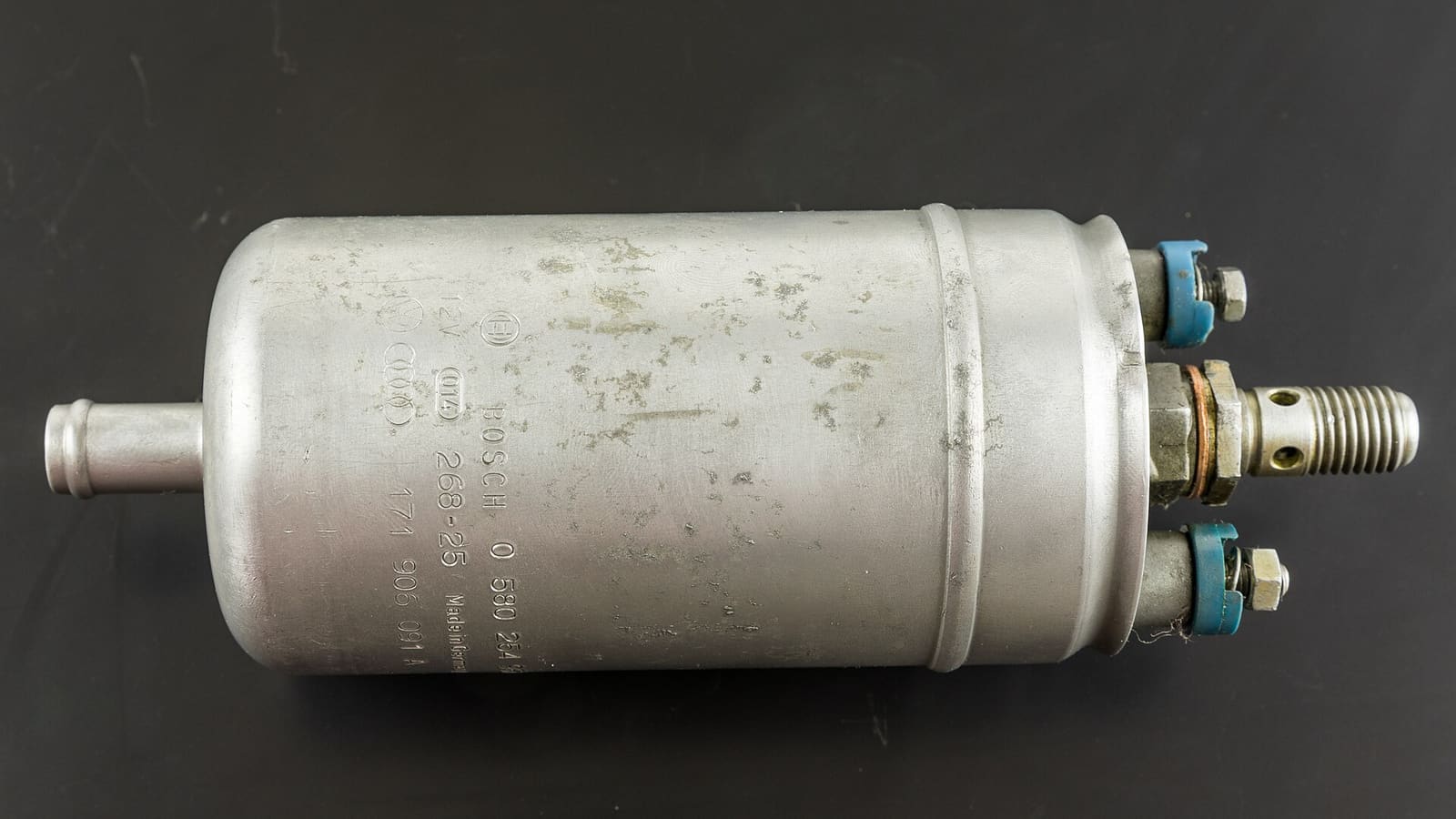
Fuel Pump Checks - Is It the Pump or Something Starving It?
Bogging at speed, surging or dying after a few minutes is often blamed on the fuel pump, but vents, filters, primer bulbs and anti-siphon valves cause the same symptoms. Learn how mechanical, pulse and electric pumps work, the safe checks you can do, what the primer bulb is telling you, and why a real pressure test needs the right gauge and the factory spec.
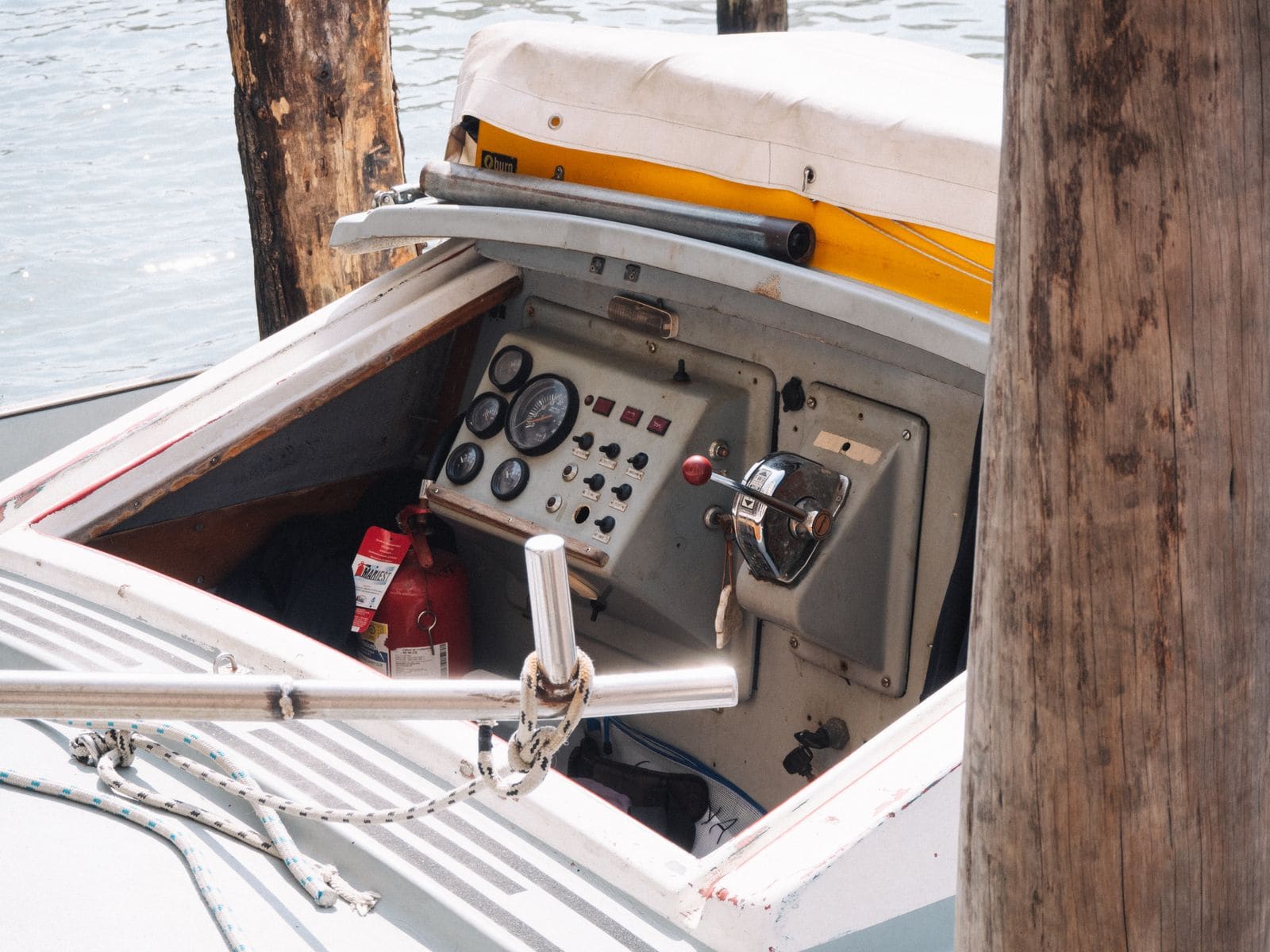
Guardian, Limp Home and Reduced Power Modes: Why Your Engine Cut Power and What to Do
Modern outboards and inboards cut power on their own when a sensor reports trouble. Learn what usually triggers Mercury's Engine Guardian, Yamaha's RPM reduction and other brands' limp-home modes, how to read the warning, and how to decide between idling home and stopping to call for help.
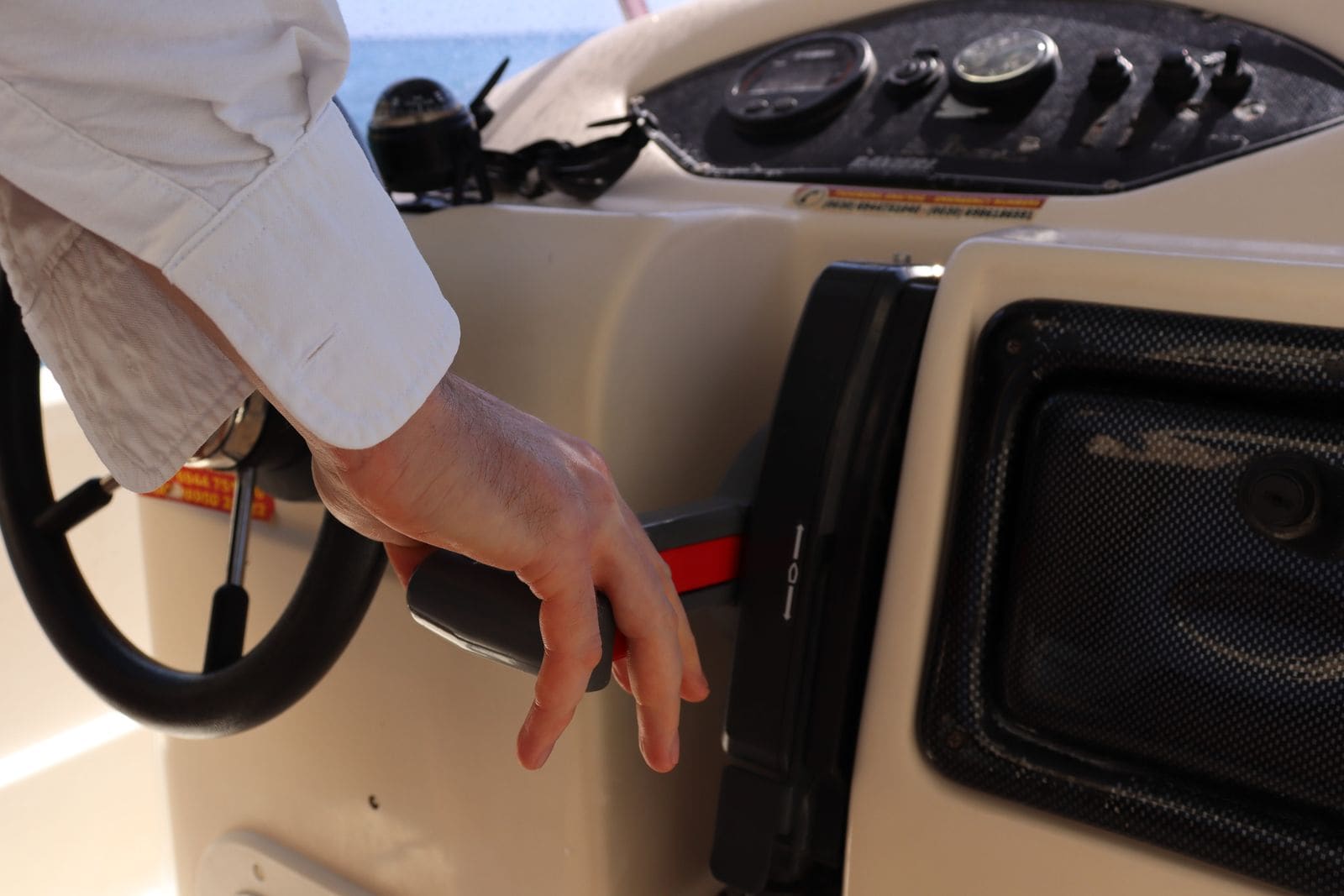
How to Check and Adjust Boat Shift and Throttle Cables
Hard shifting, a lever that will not go fully into gear, or a gear that lands in a different spot every time usually point to the control cables. Learn how to find out whether the problem is the cable, the control box or the engine, how to adjust the cable ends, and when it is time to replace both cables.
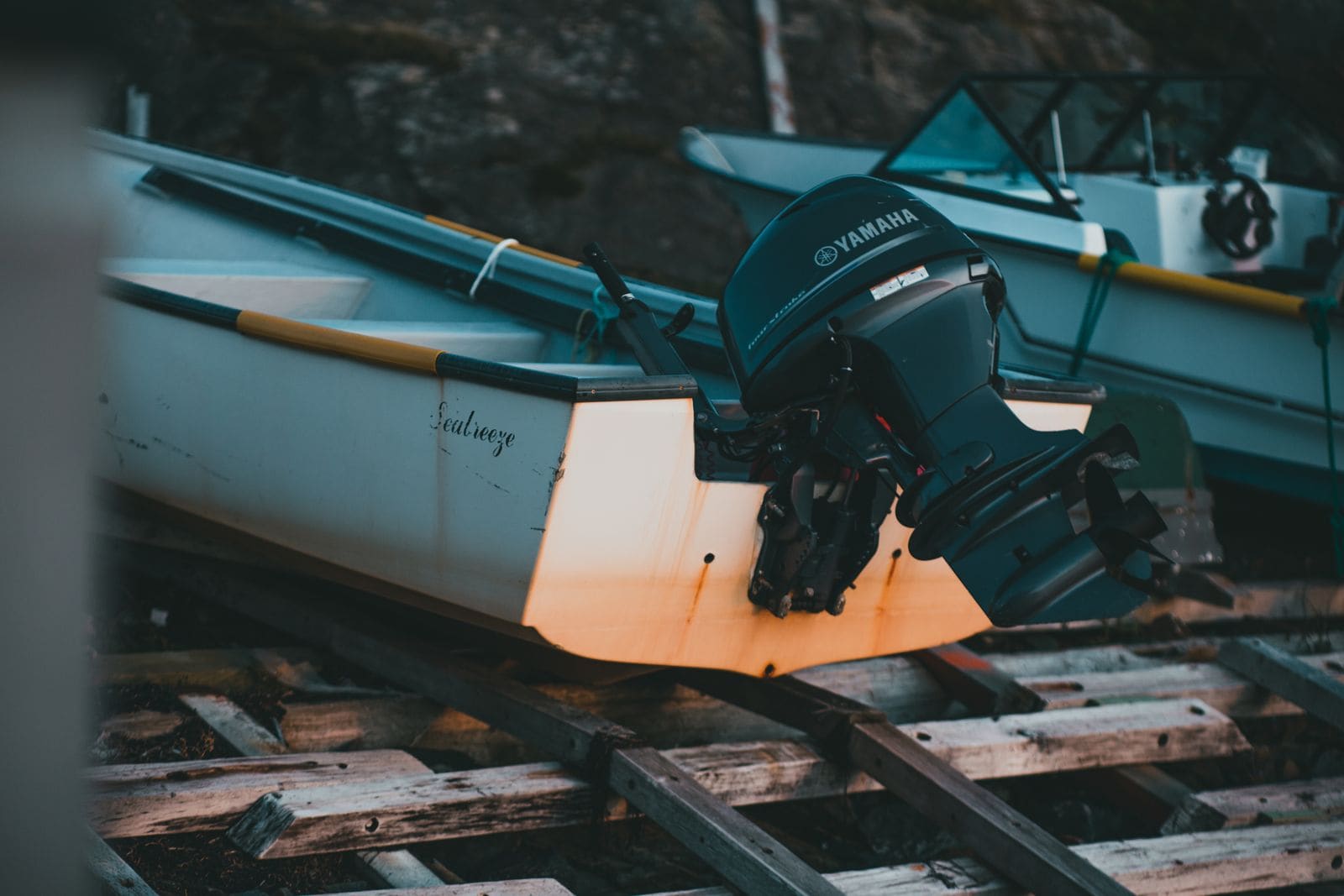
How to Check and Top Up Power Trim and Tilt Fluid
Check and top up the hydraulic fluid in your power trim and tilt unit, then work through the simple checks when the motor won't go up, won't go down or slowly sinks. Most trim problems are a dead battery, a bad relay, low fluid or a release valve left open, and you can find those yourself.
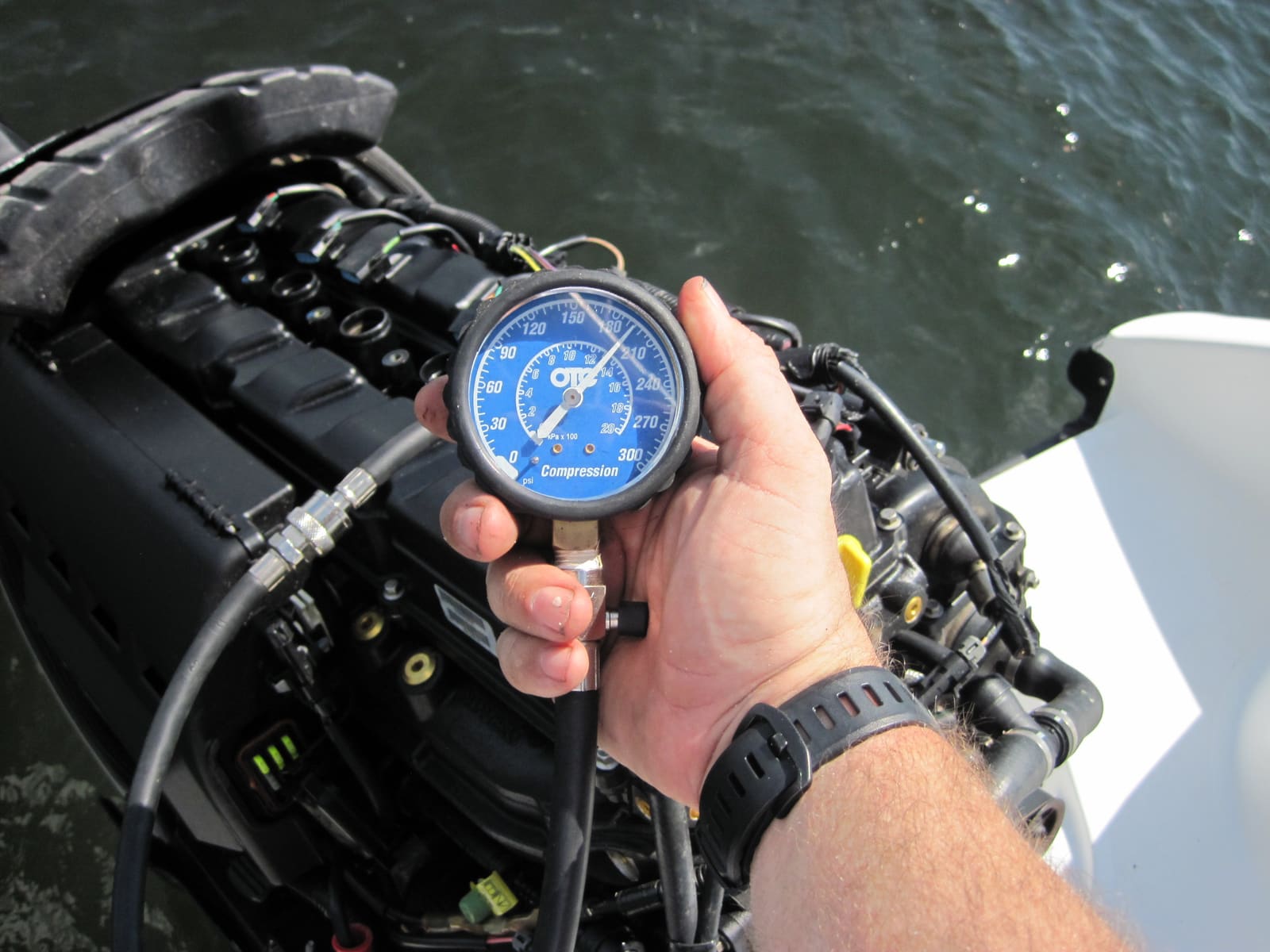
How to Do a Compression Test on an Outboard, Sterndrive, Inboard or PWC
A compression test tells you whether the pistons, rings, valves and head gasket in each cylinder are sealing. Learn when to do one, how to do it safely, how to read the numbers by comparing cylinders, and what a wet test and a leak-down test add.
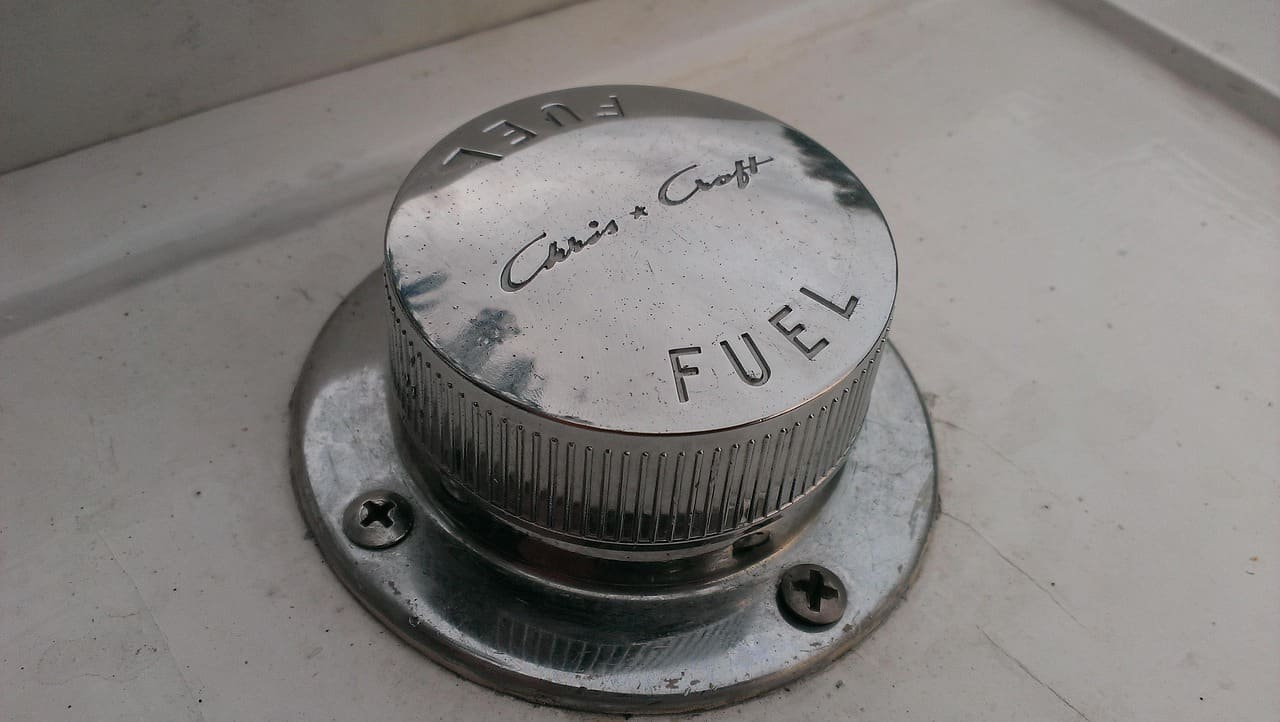
How Water Gets Into Boat Fuel (and How to Stop It)
Water in the fuel is one of the top causes of rough running and dead engines, and it almost always has an entry point you can find. Work from the jar test through the fill cap O-ring, a recessed deck fill, the tank vent, the sending unit gasket and your washdown habits, and learn how much condensation really matters.
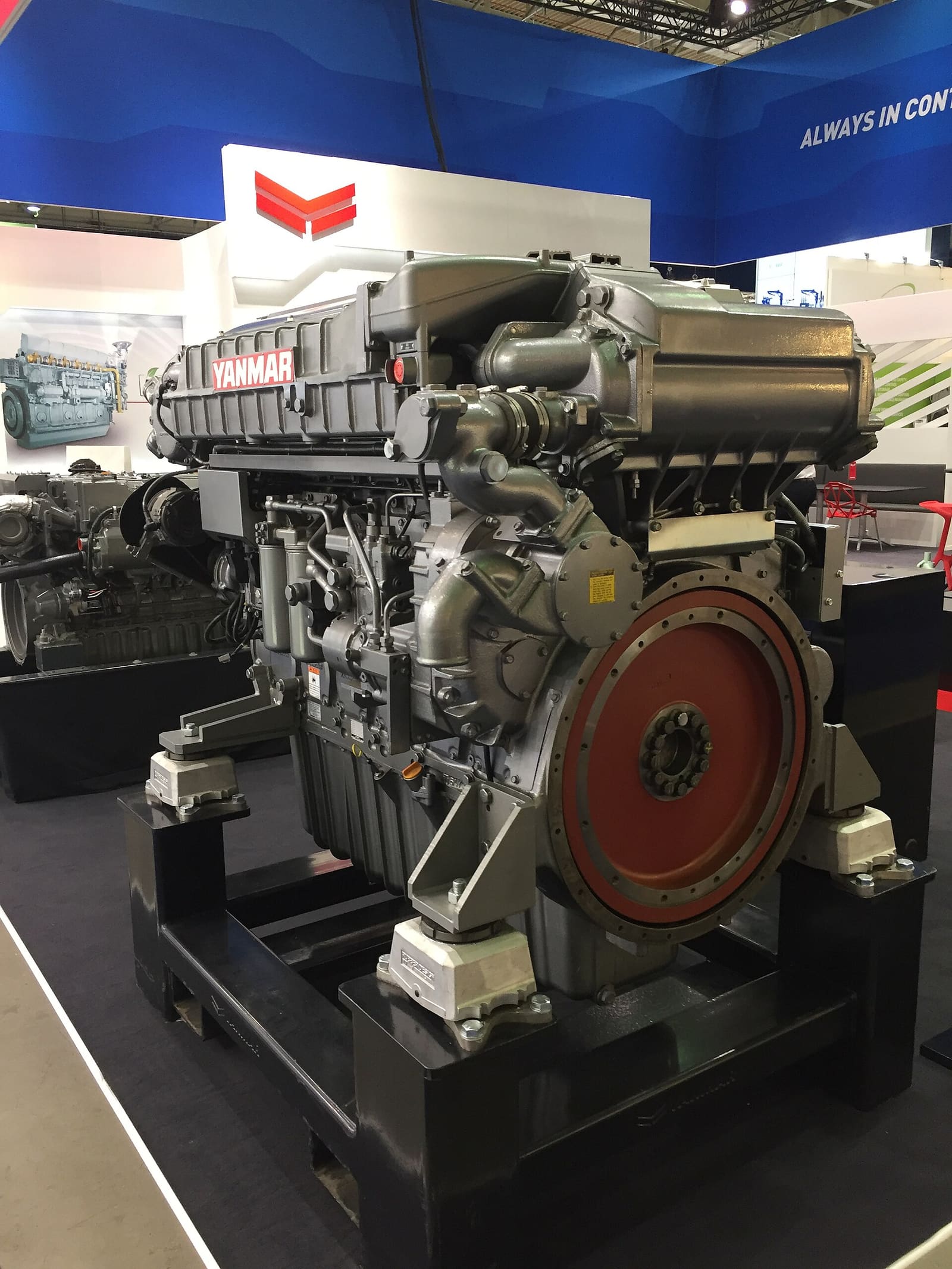
Losing Coolant With No Visible Leak? How to Pressure Test a Closed Cooling System and Its Cap
When the coolant level keeps dropping and you can't find a drip, a simple hand-pump pressure tester can show where it's going. Learn how to test the system and the pressure cap safely on a cold engine, isolate the heat exchanger and coolant-heated appliances, and recognize the signs of a head gasket or internal leak that need a mechanic.
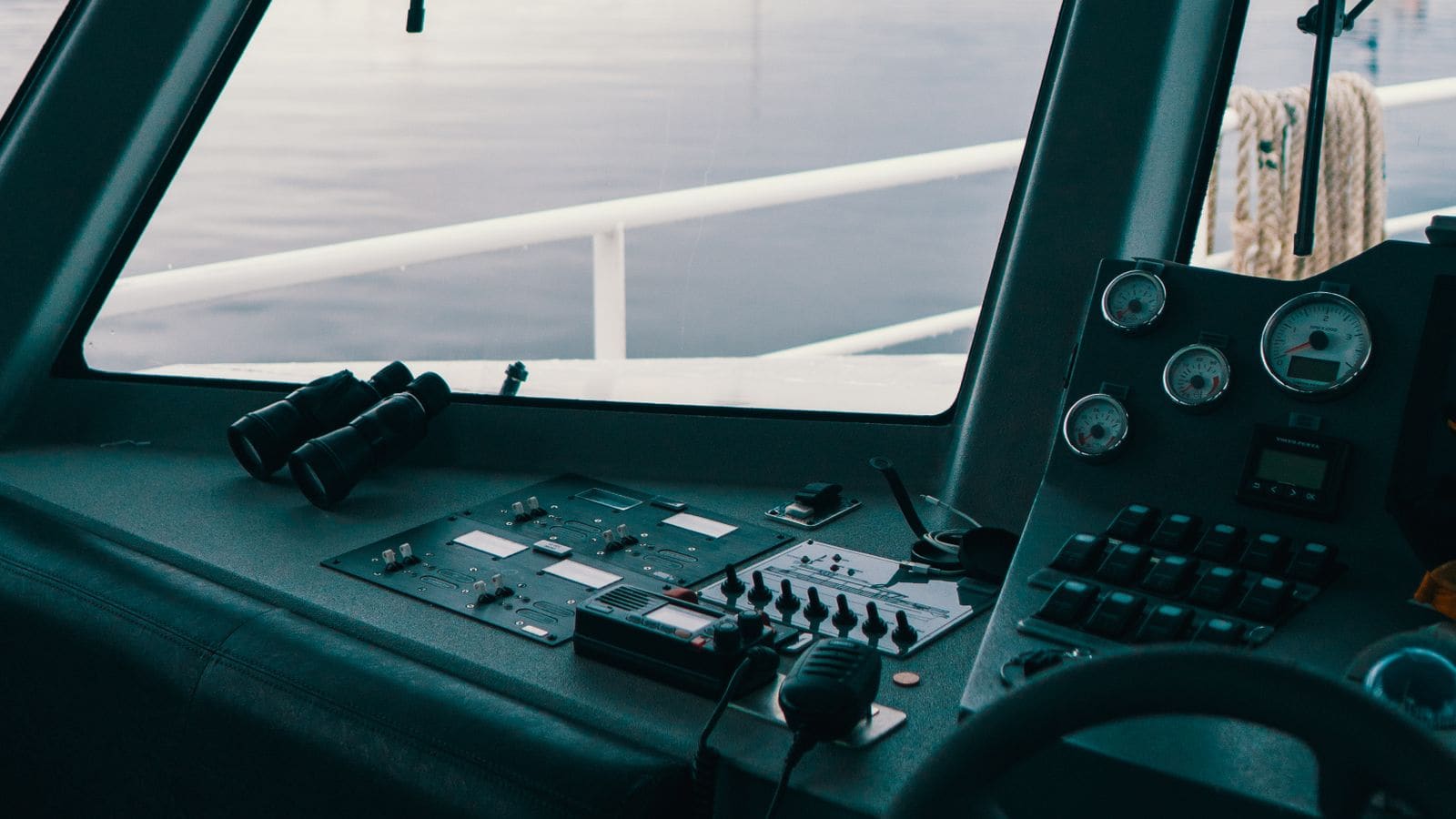
Loss of Power, Hesitation or Misfire - Troubleshooting Guide
Figure out why your engine bogs down, stumbles, will not reach full rpm or runs rough. Work from simple checks like trim, prop and fuel filter to ignition and engine protection modes before paying for diagnostics.
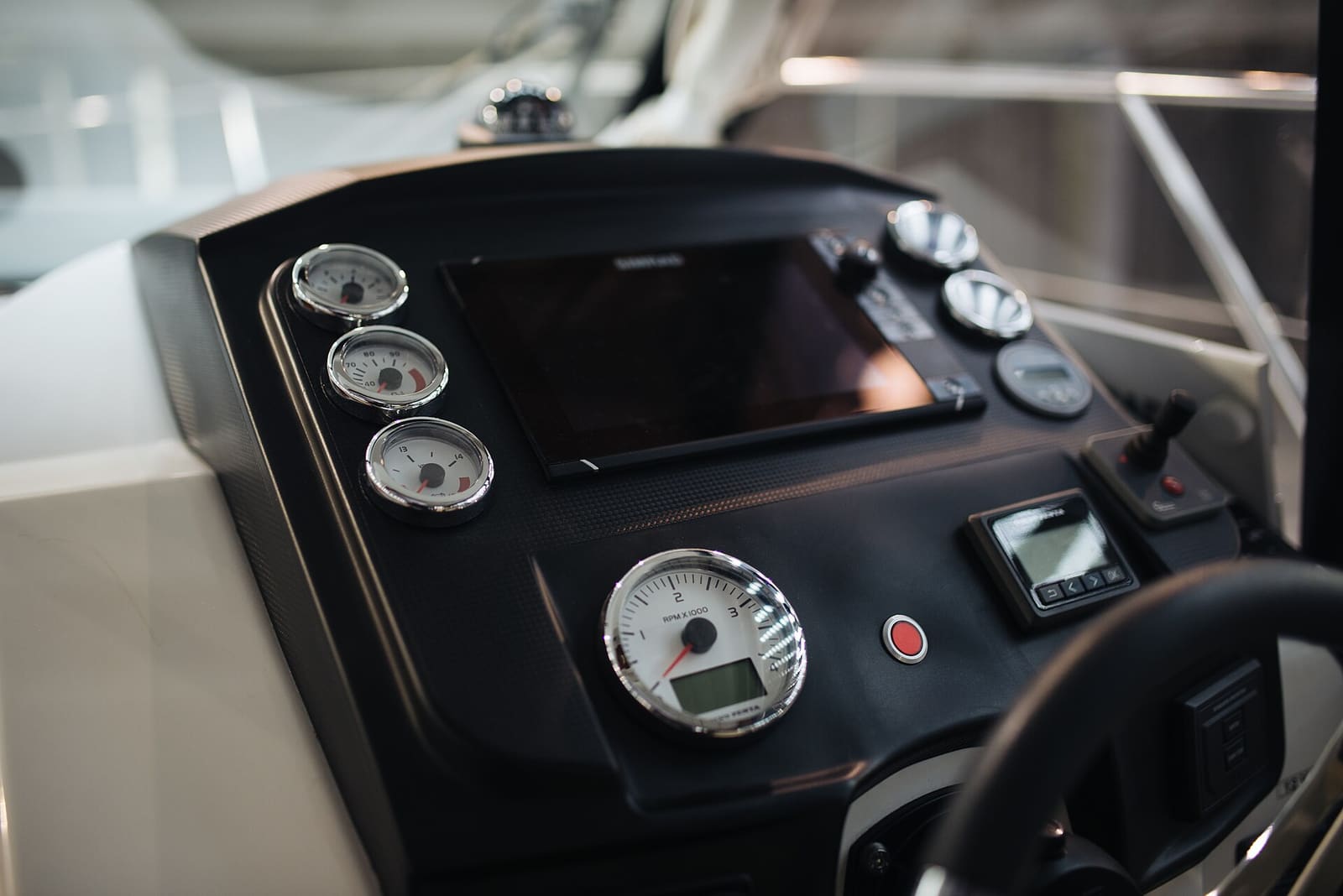
Low Oil Pressure Warning: What to Do on a Sterndrive, Inboard or Diesel
A low oil pressure alarm or a gauge that drops toward zero means the engine may be running without proper lubrication. Learn what to do in the first minute, the simple checks you can make yourself, how to tell a bad sender from a real pressure problem, and why you should never keep running on the alarm.
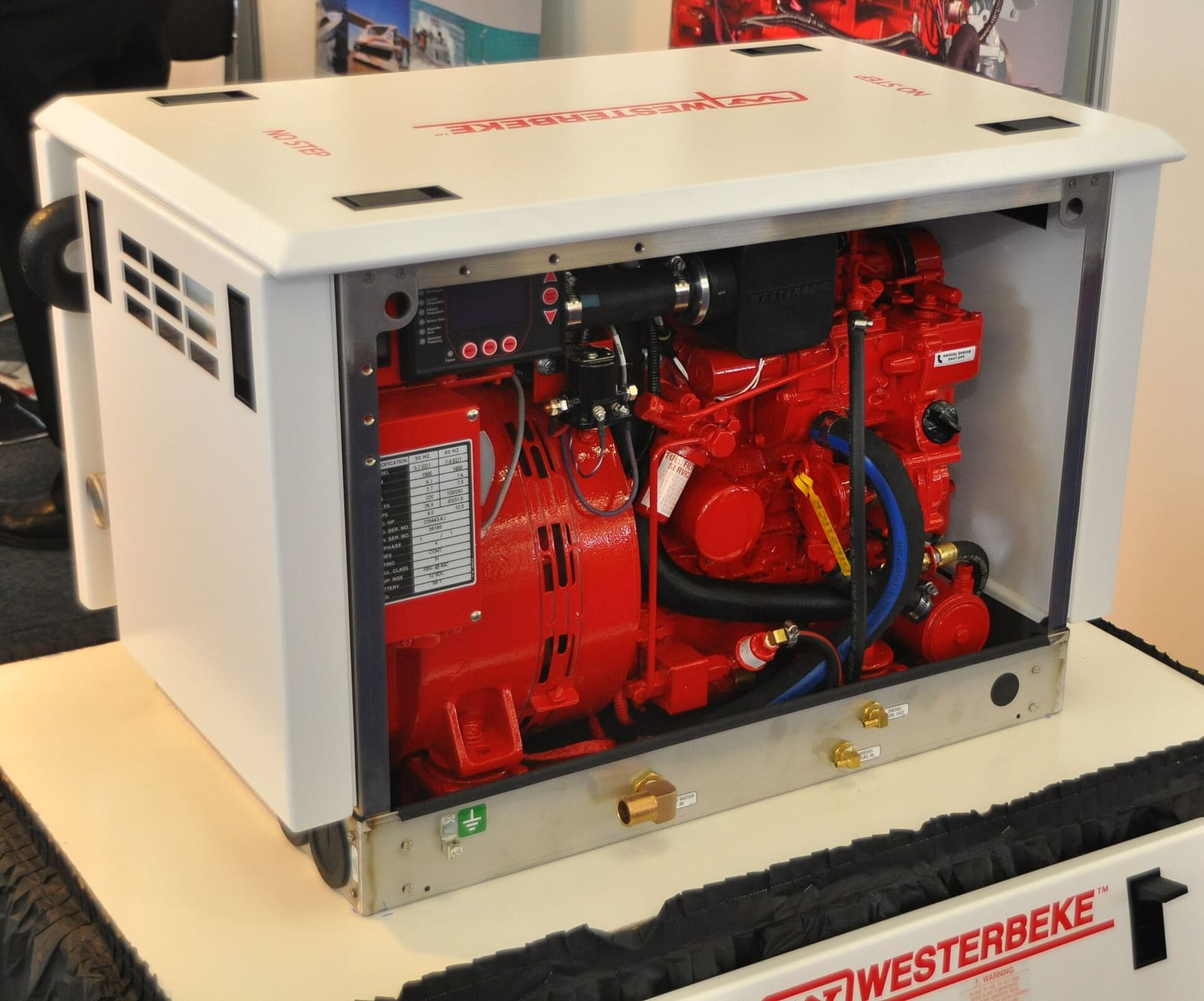
Marine Generator Won't Start or Keeps Shutting Down
A step-by-step troubleshooting guide for a boat generator (genset) that won't crank, cranks but won't start, starts and then dies, or runs without making power. Work from switches, battery and fuel to the safety shutdowns for low oil, high temperature and lost raw-water flow, without flooding the engine or risking carbon monoxide.
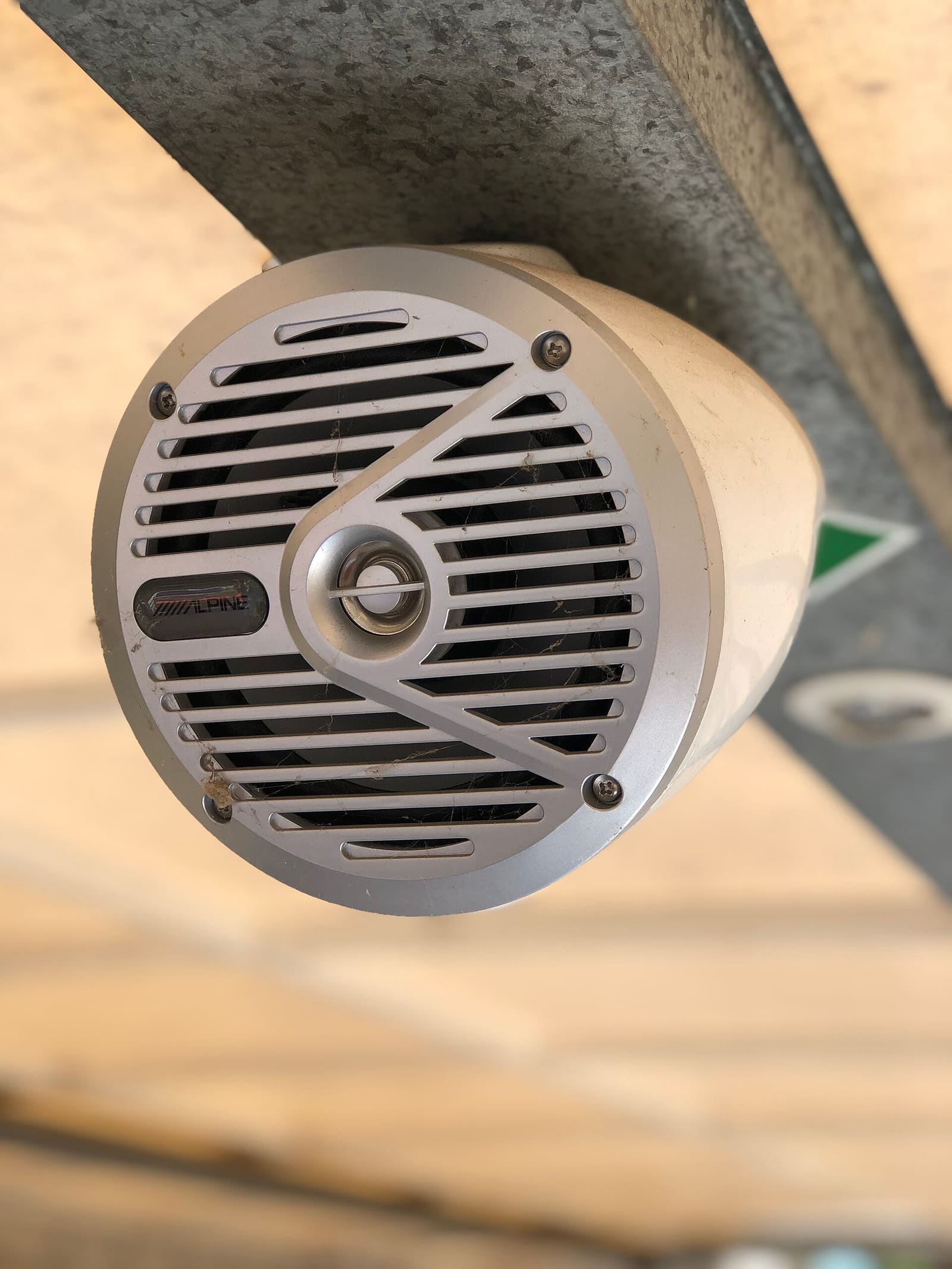
Marine Stereo Troubleshooting: No Power, Lost Settings, No Sound or Bluetooth Trouble
Track down a boat stereo that won't turn on, forgets its presets, resets when the engine cranks, plays no sound or won't keep a Bluetooth connection. Work from the free checks (switches, resets, fuses) to voltage tests, speaker wiring, water damage and software updates before you buy a new unit.
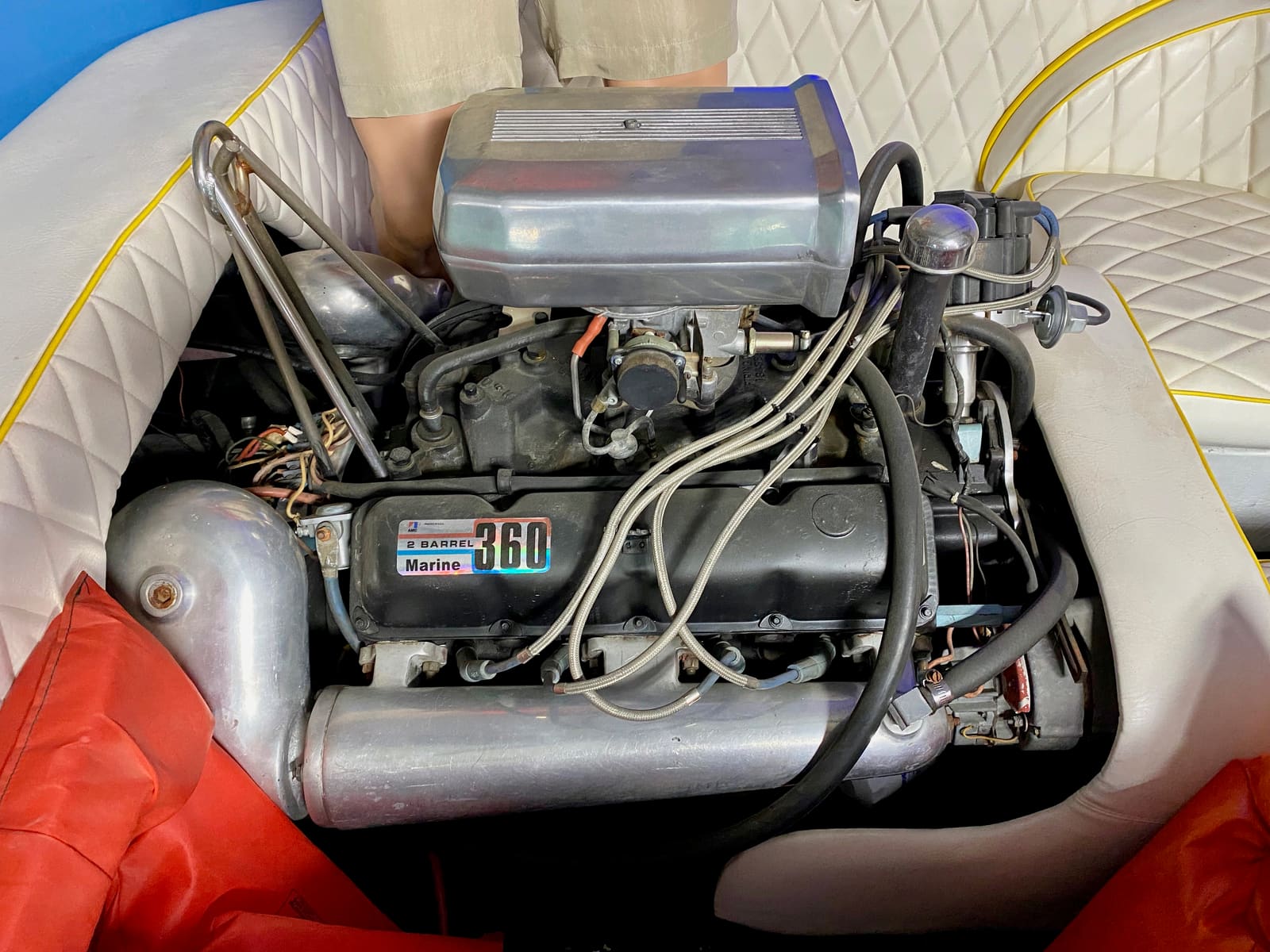
Milky Engine Oil or Water in the Oil - What It Means and What to Do
Milky, creamy or rising engine oil usually means water is getting into the engine. Learn why you should stop running it right away, how to tell harmless condensation from a real leak, and which parts are the usual suspects: head gaskets, exhaust risers and manifolds, intake manifold gaskets, oil coolers and freeze cracks.
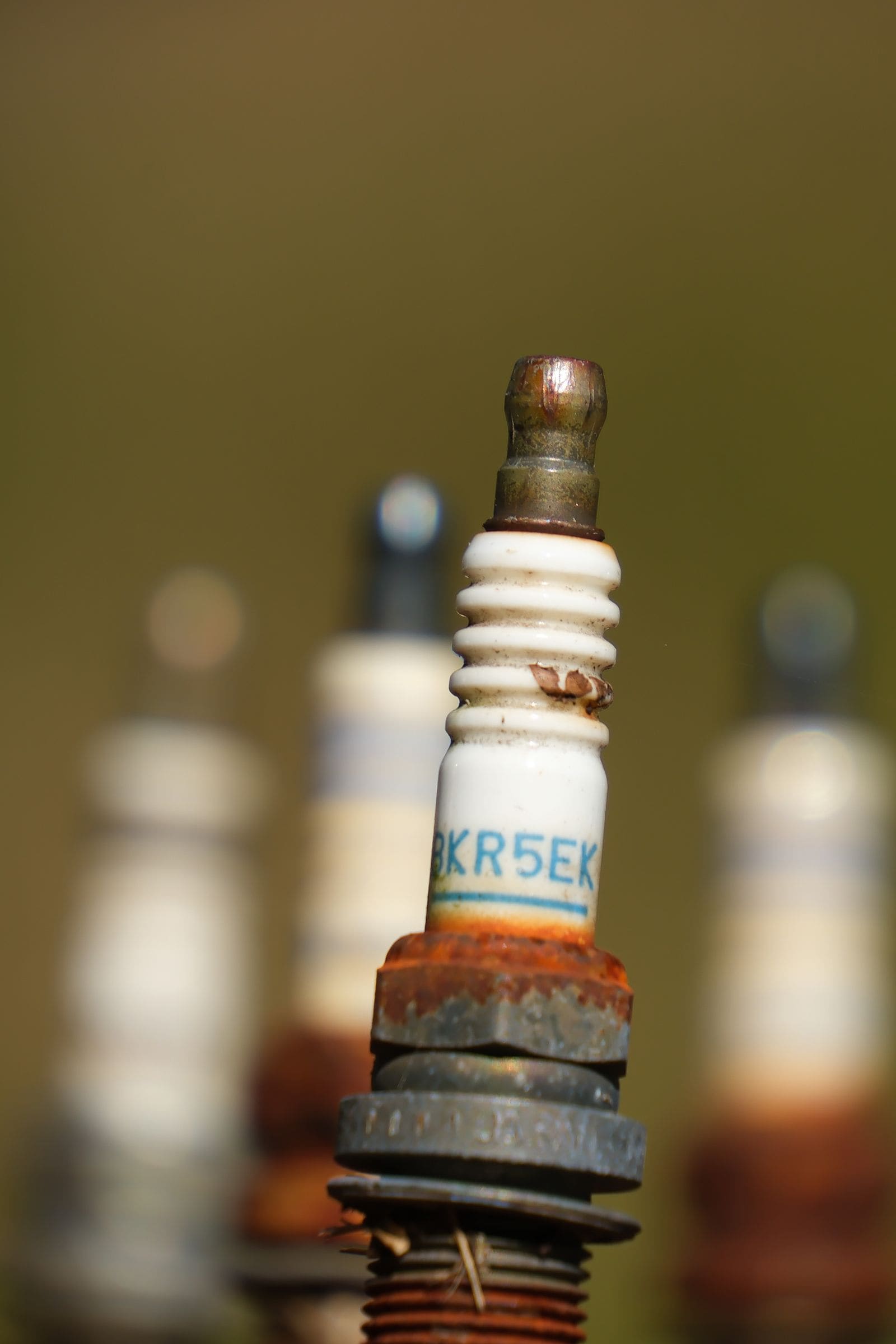
No Spark - Safe Ignition Checks for Outboards, Sterndrives, Inboards and PWCs
Engine cranks but never fires, and you suspect the ignition? Work from the cheap, common causes (kill switch lanyard, key switch, plug wires and caps, plugs, battery) to a proper spark test, and learn what the stator, CDI and coils do and when it is time for a dealer.
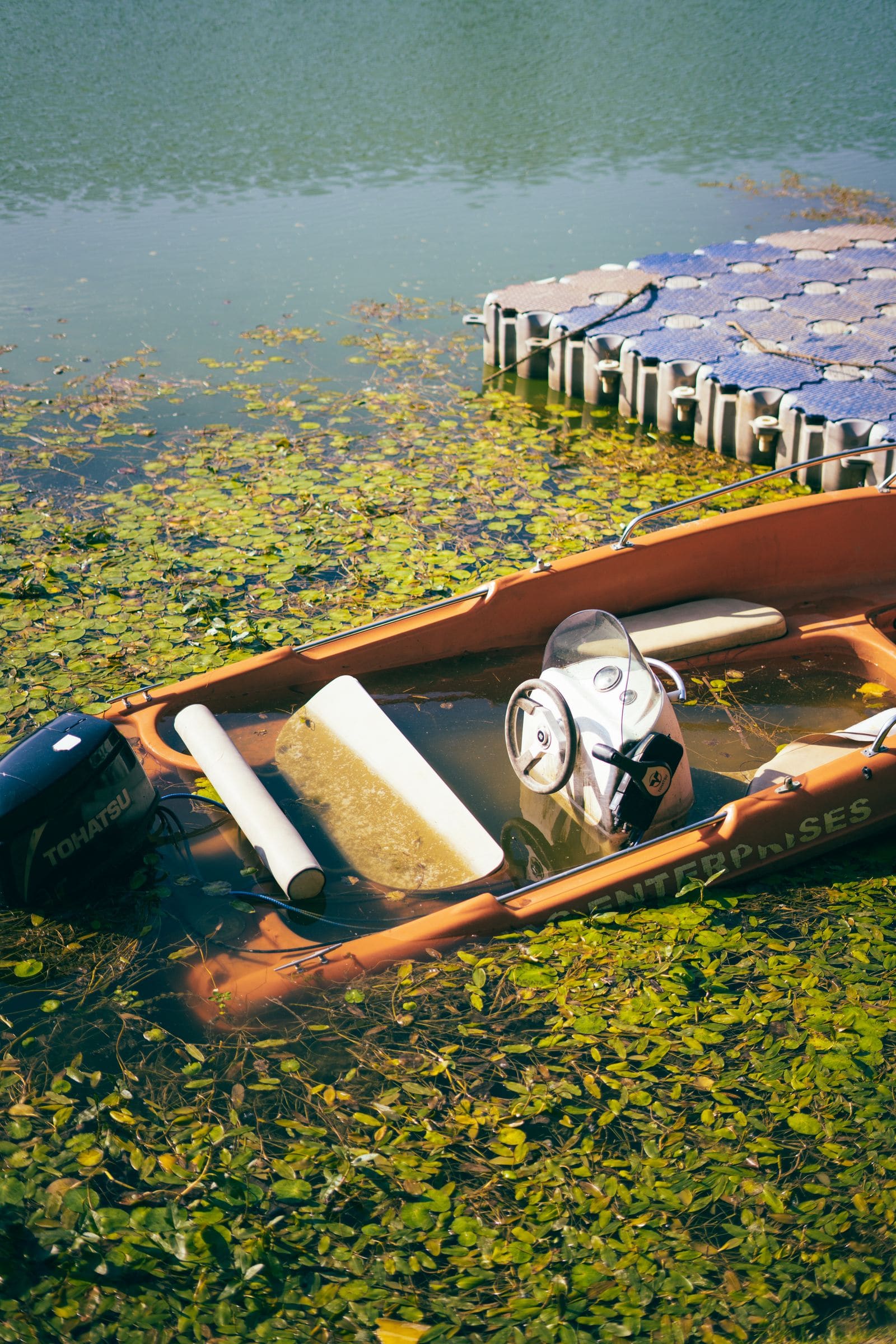
Outboard Fell Overboard or Engine Got Submerged: What to Do in the First Hours
A dunked engine can often be saved, but only if you act fast and in the right order. Learn what to do (and what never to do) in the first hours after an outboard goes overboard or a boat swamps, how to buy time until a shop can take it, and when it is a loss.
Safety: BoatMend is for information only and does not replace a certified marine technician. You are responsible for your safety and your boat. Read the full disclaimer.