Repair & maintenance guides
Plain-English, step by step, written for owners. Pick your engine to see the guides that apply to it.
44 of 509 guides · page 1 of 2
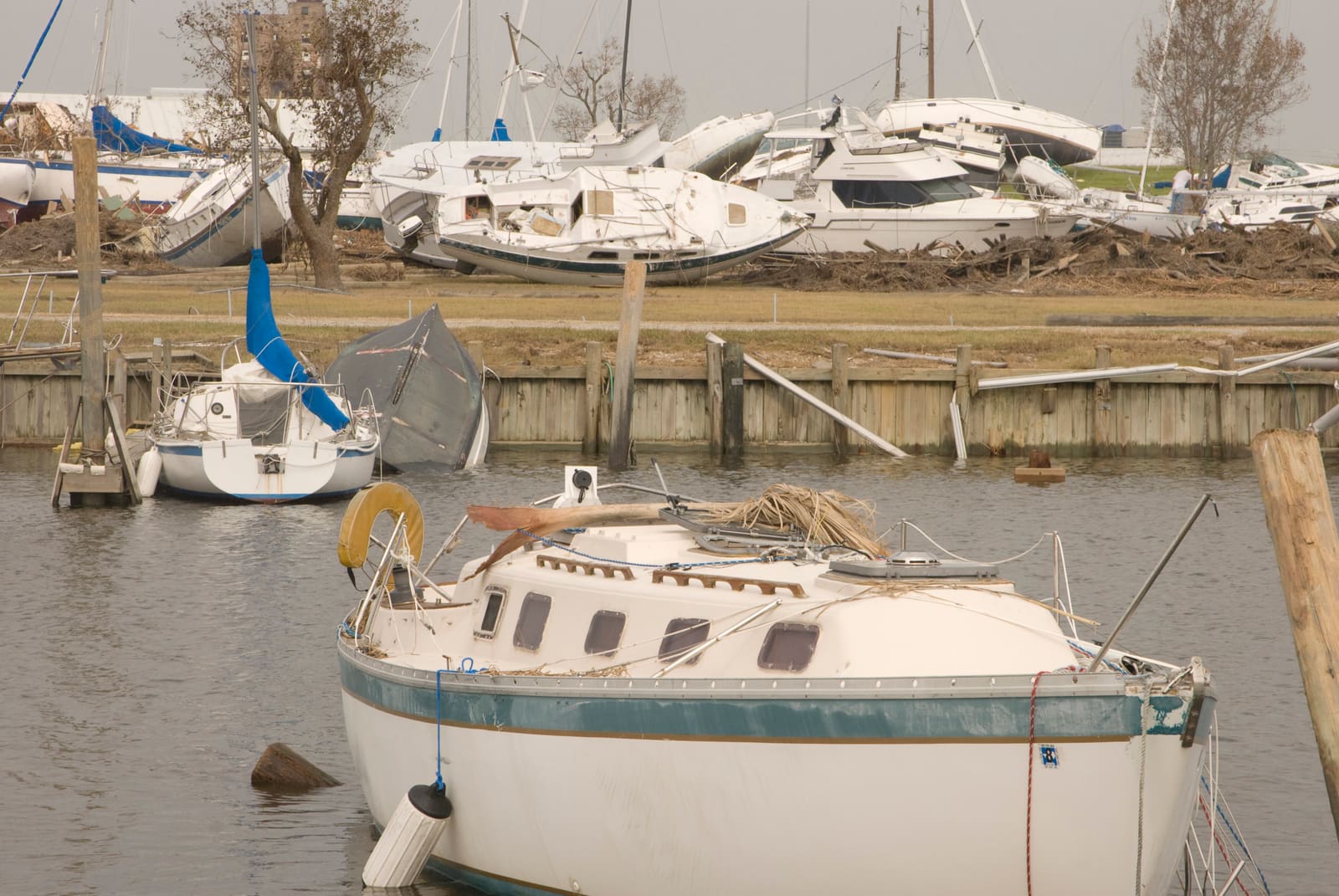
After the Storm: How to Safely Inspect Your Boat and Document Damage
Go back to your boat only when it is safe, check for fuel, live power and sinking risk before you step aboard, photograph everything for your insurer, then work through bilge, lines, canvas, electrical, engine, trailer and mold in a set order. Do not run the engine or leave the dock until it has been checked.
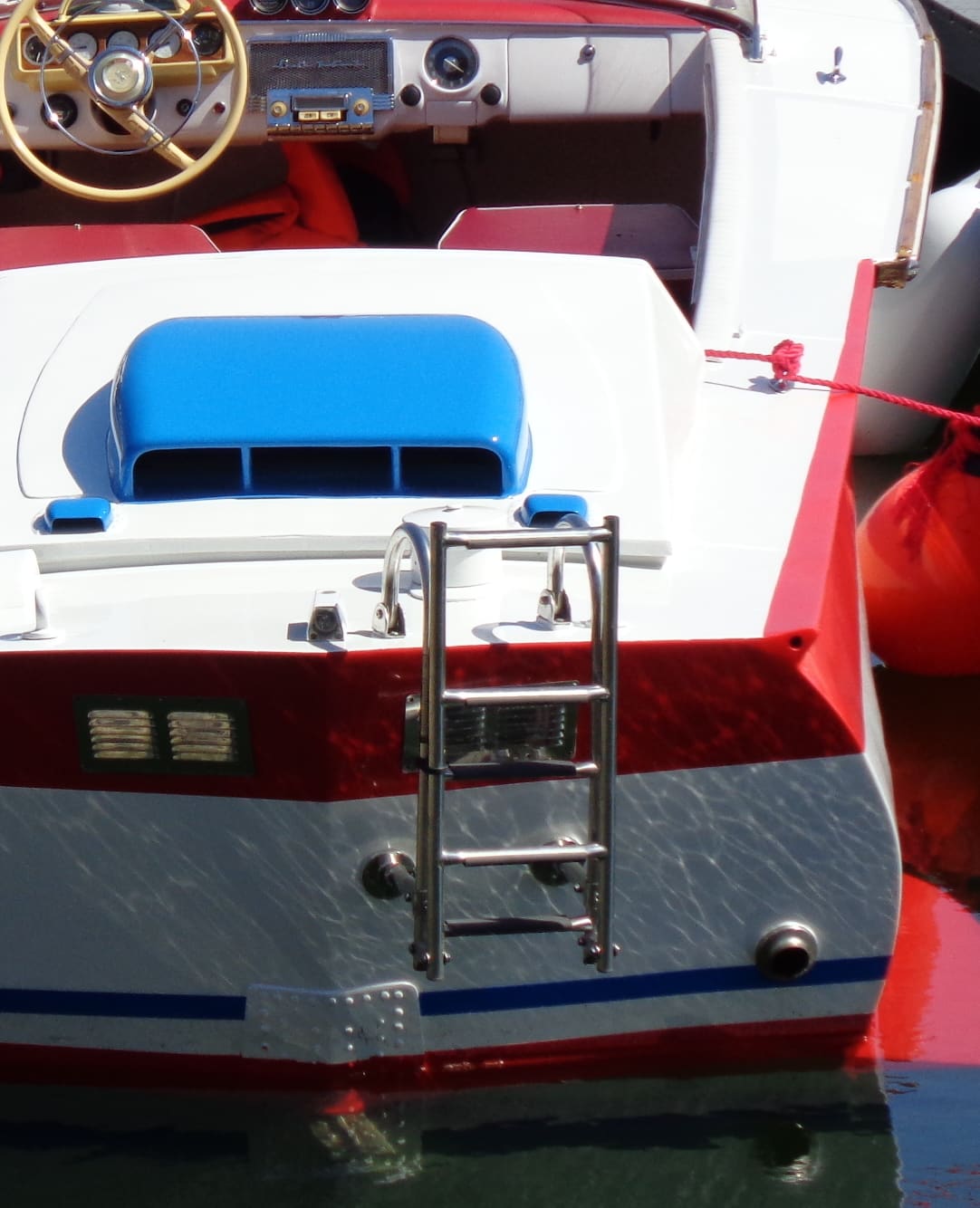
Boarding Ladder Upgrade: A Ladder You Can Reach and Use From the Water
Make sure anyone who ends up in the water - including you, alone - can pull down a ladder and climb back aboard. Compare ladder types, check how deep it reaches, mount it away from the propeller with proper backing, and test it from the water before you need it.
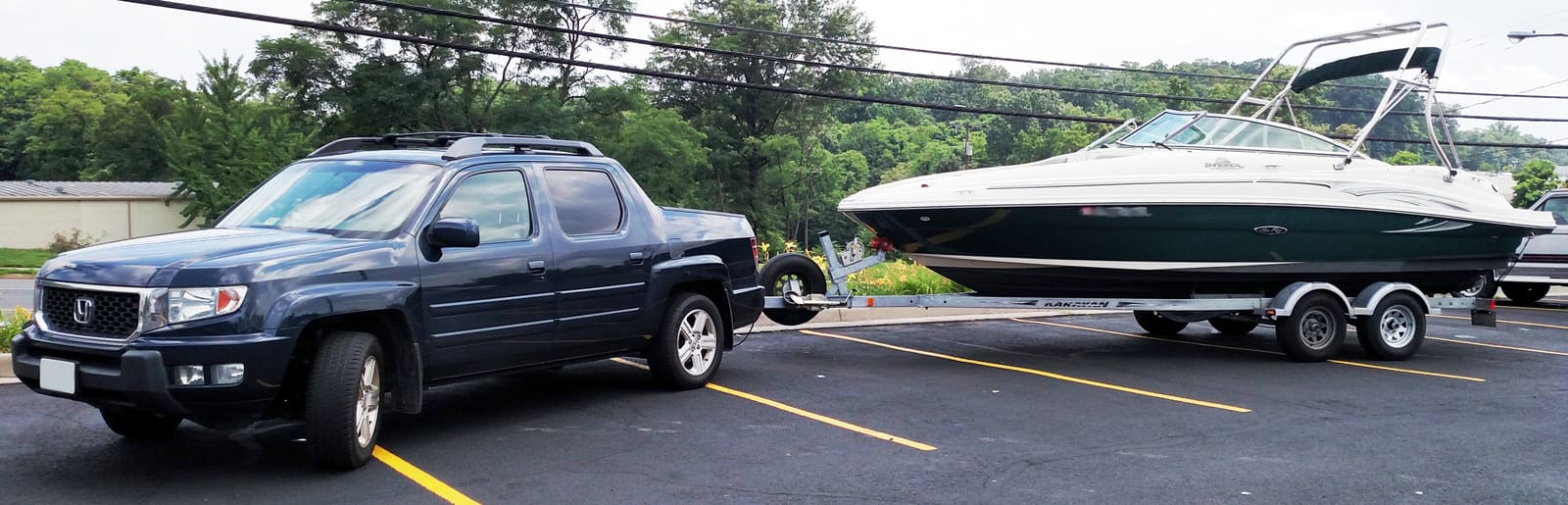
Boat Damaged While Trailering: What to Do on the Road or at the Ramp, Insurance, and Hidden Damage Checks
Step-by-step help after a crash, blowout, sway accident or ramp mishap with your boat on the trailer: making the scene safe, police reports, photos, which insurance usually pays (your auto policy, your boat policy's trailer coverage, or the other driver's insurer), and how to inspect the trailer, hull, drive and bunks for damage you can't see at first. Policies and state rules vary, so your own policy wording and state law win.
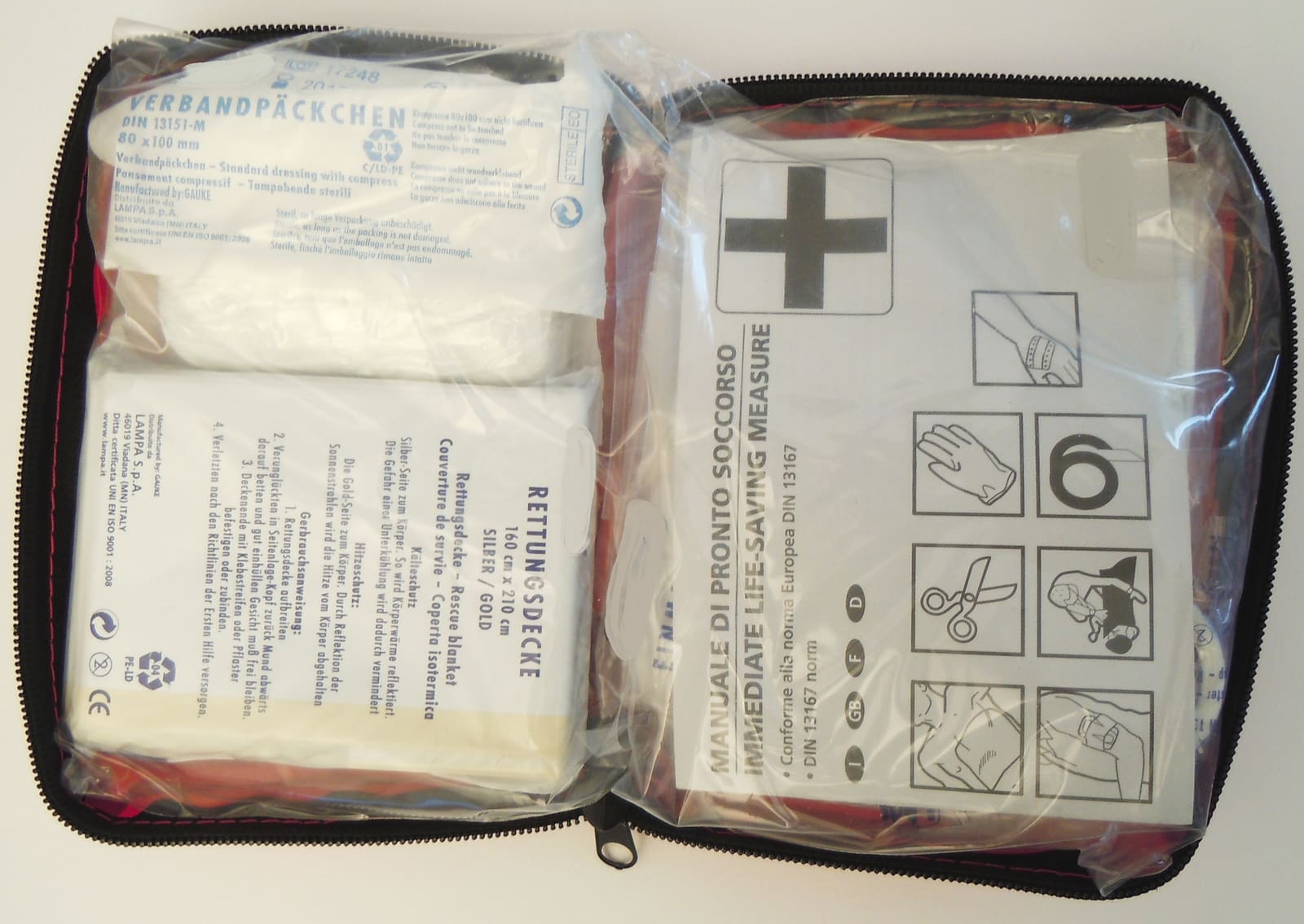
Boat First-Aid Kit and Medical Prep: What to Carry, Day Trips to Offshore
Build and maintain a boat first-aid kit that fits how far from help you go, with the extras boaters actually need for seasickness, fish hooks, cuts, burns, sun, heat and cold, plus a crew briefing, expiration-date checks and training. General preparation only, not medical advice.
Carbon Monoxide on Boats: Where It Comes From, CO Alarms and Warning Signs
Carbon monoxide can build up in cabins, under canvas and around the swim platform, and its first symptoms look like seasickness. Learn the danger zones, where to mount marine CO alarms, how to test and replace them, and exactly what to do if an alarm sounds or someone feels sick.

Carbon Monoxide Outside the Boat: Teak Surfing, Swim Platforms, Generators and Raft-Ups
Carbon monoxide doesn't only build up in cabins. People die in open air behind the boat: teak surfing, sitting on the swim platform with the engine idling, swimming near a running generator, or rafted next to someone else's exhaust. Learn where the gas collects, what the law says in states that ban teak surfing, and the simple rules that keep everyone safe.

Cold-Weather Boating: Cold Water Safety, Gear and Engine Care in Late Fall and Winter
Boating after the crowds leave can be beautiful, but cold water changes the risks. Learn why cold shock is the first danger, why the popular 1-10-1 rule needs caution, what to wear, how to plan, and how to care for the engine, battery and anything that holds water between trips.
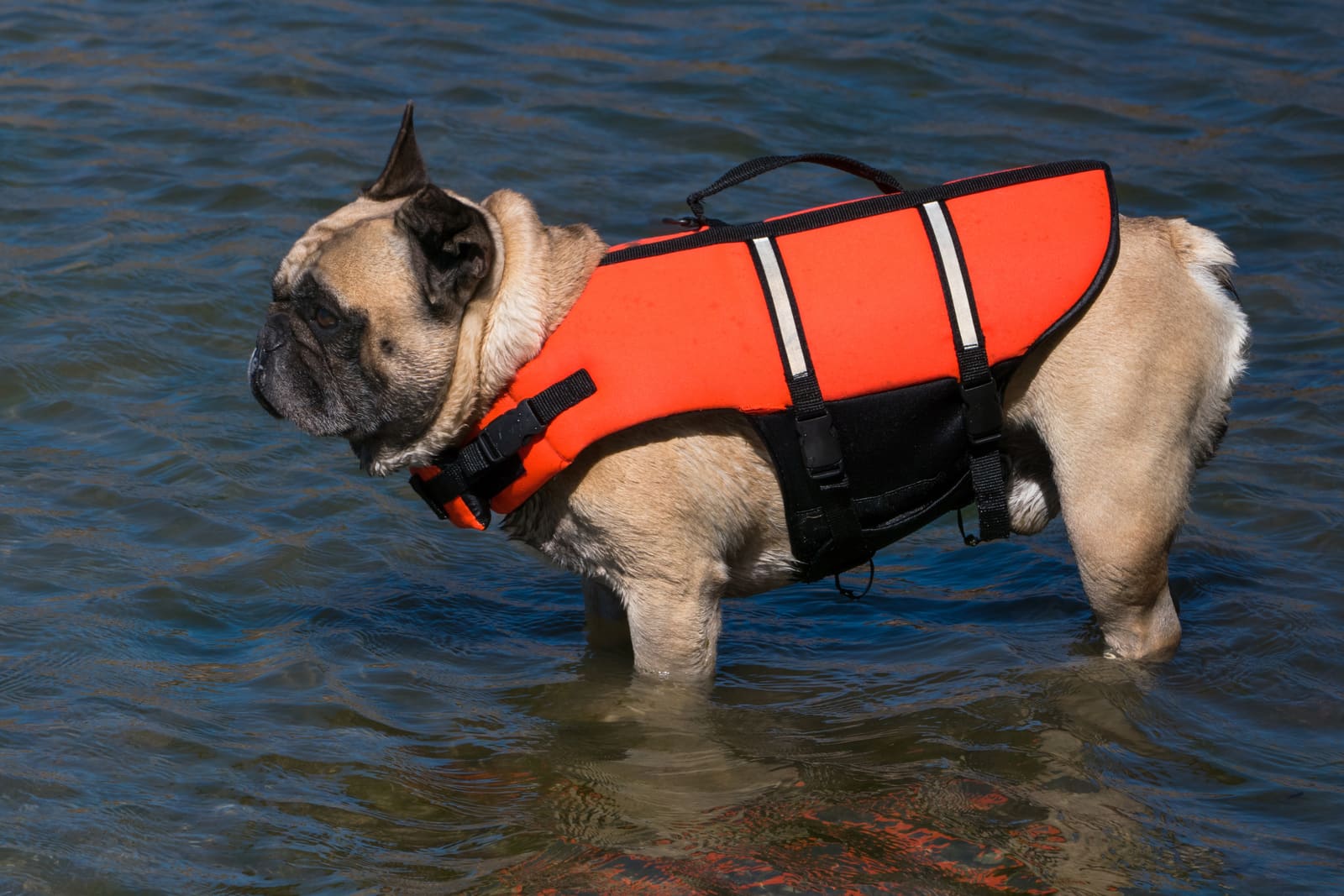
Dogs and Pets Aboard: A Safety Checklist for Boat Owners
Set your boat and your dog up for a safe day on the water, from a well-fitted pet life jacket with a handle to shade, fresh water, safe boarding and a plan for getting a dog back aboard if it goes over the side.
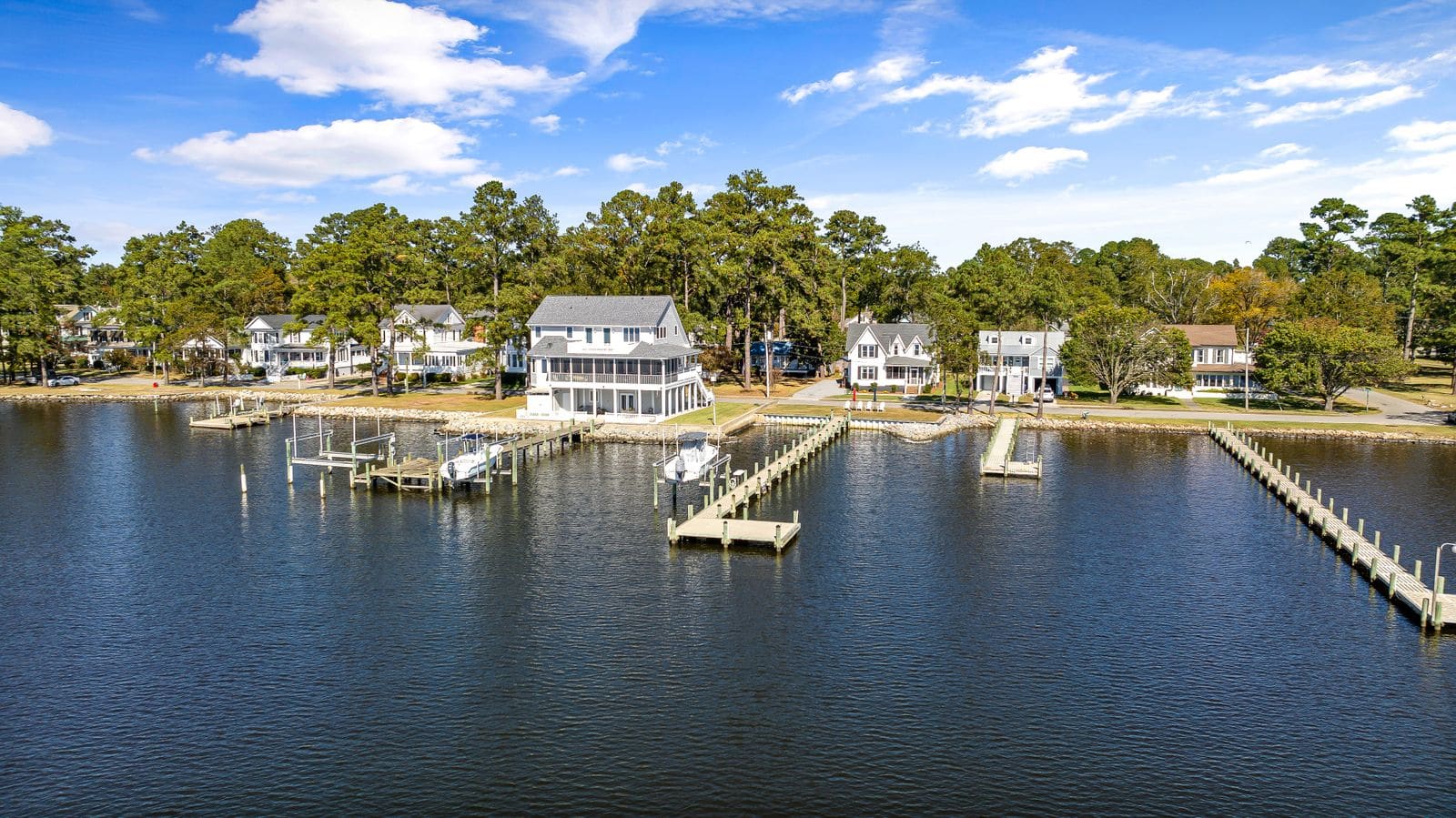
Electrical Safety at Your Private Dock or Boat Lift: GFCI, Shock Drowning and Annual Checks
Lights, outlets, lift motors and de-icers at a home dock put household current right next to the water, and a hidden fault can kill a swimmer without any warning. Learn the owner checks you can do safely, the protection your dock should have, the no-swimming rule, and which jobs must go to a licensed electrician.
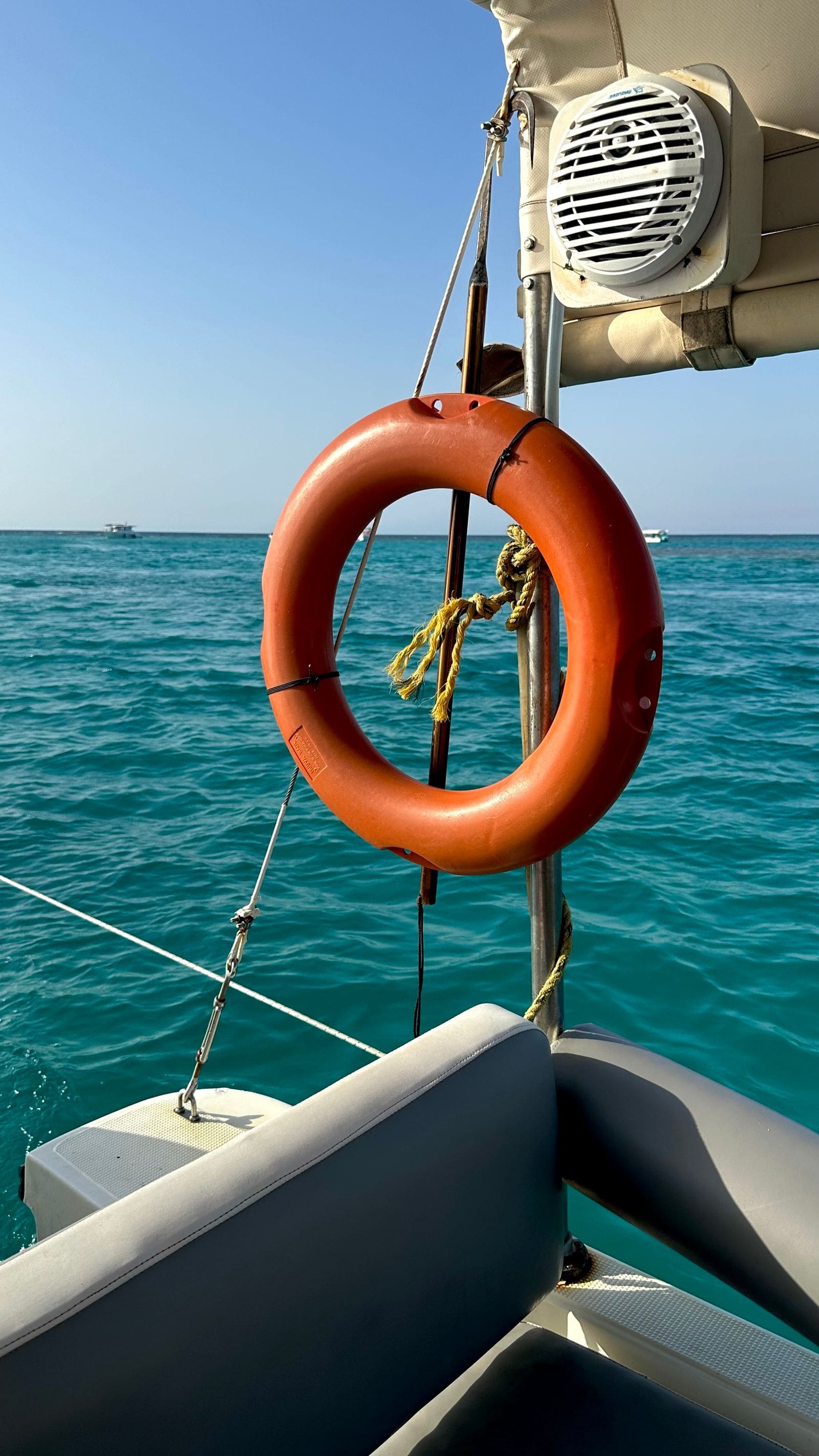
Emergency Drills for Your Crew: Engine Failure, Fire, Steering Loss and Man Overboard
Practice what everyone aboard does when the engine quits, a fire starts, the steering fails or someone falls in. A few short drills each season turn panic into a plan, and teach your crew to anchor, call for help on VHF 16 or DSC, and get a tow.
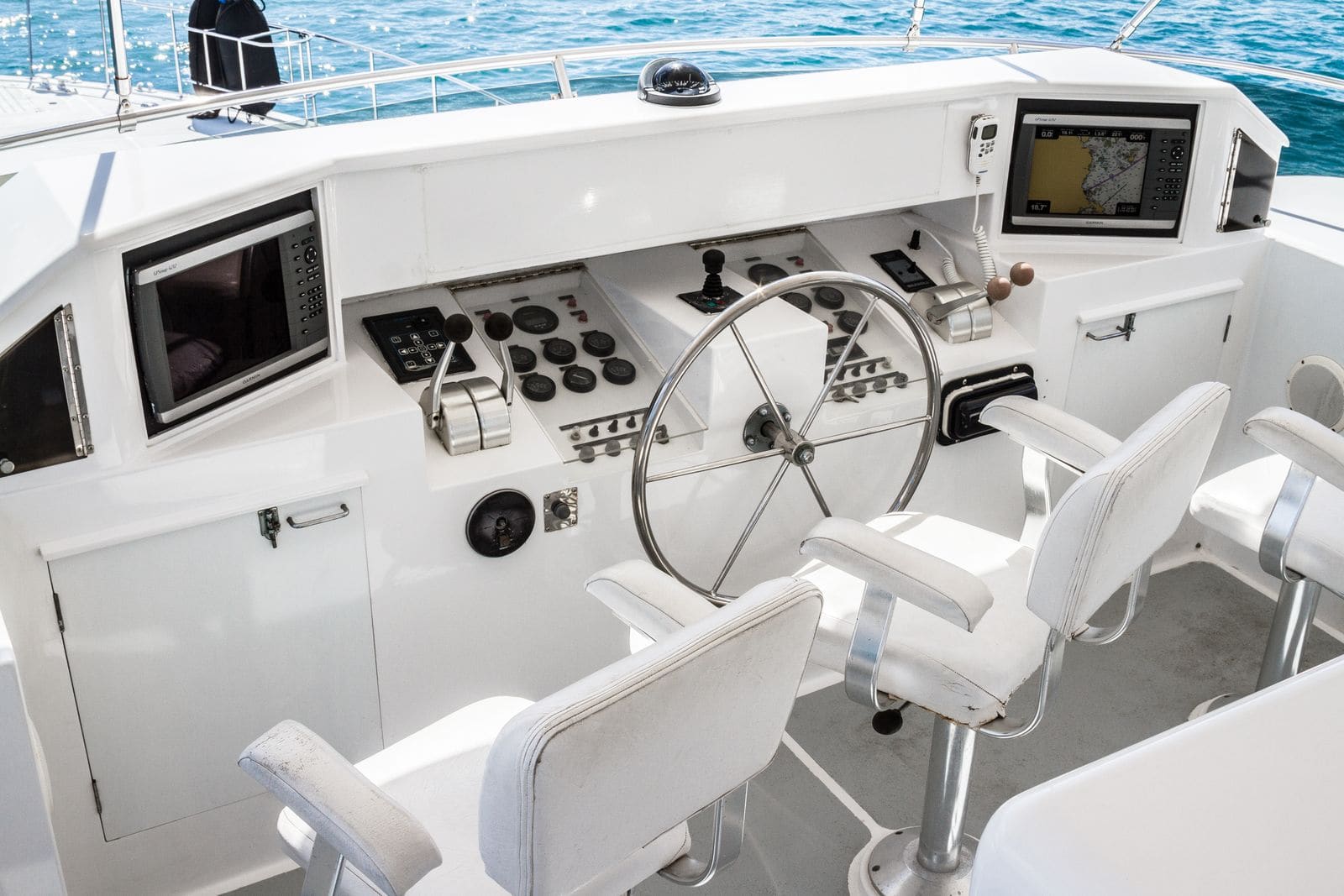
Emergency Steering: What to Do When Your Boat's Steering Fails
A plan for the day the wheel goes slack or locks up - stop safely, find the problem, then steer home with an emergency tiller, twin engines, a drogue or a bridled bucket - plus how to build the gear and practice it before you need it, on outboard, sterndrive and inboard boats.
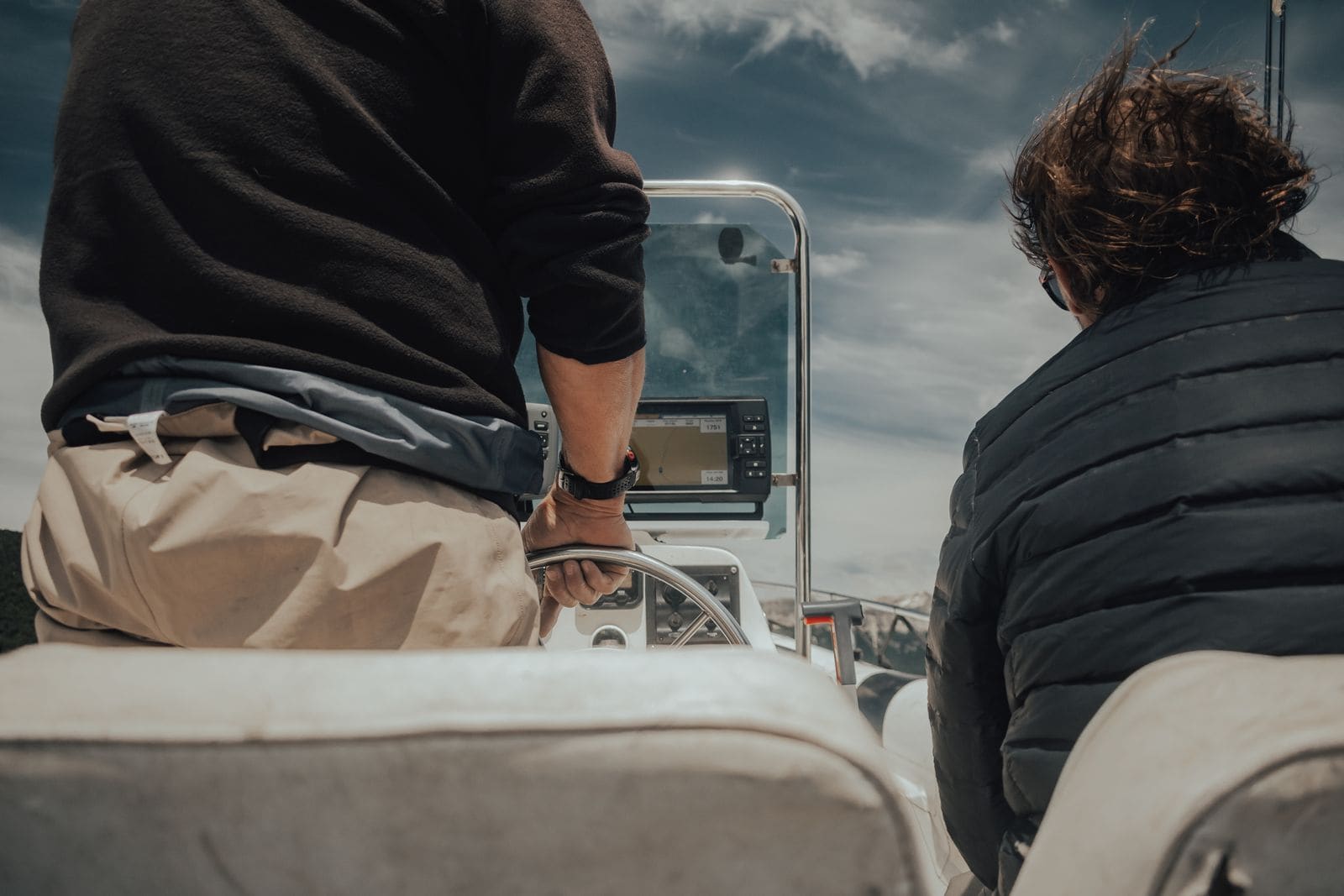
Engine Cut-Off Switch (Kill Switch) and Lanyard: The Law, Testing and Daily Use
How the engine cut-off switch (ECOS) and its lanyard or wireless fob work, when federal law requires you to wear it (boats under 26 feet, 3 hp or more, on plane), how to test it before every trip, and why a spare clip aboard matters.
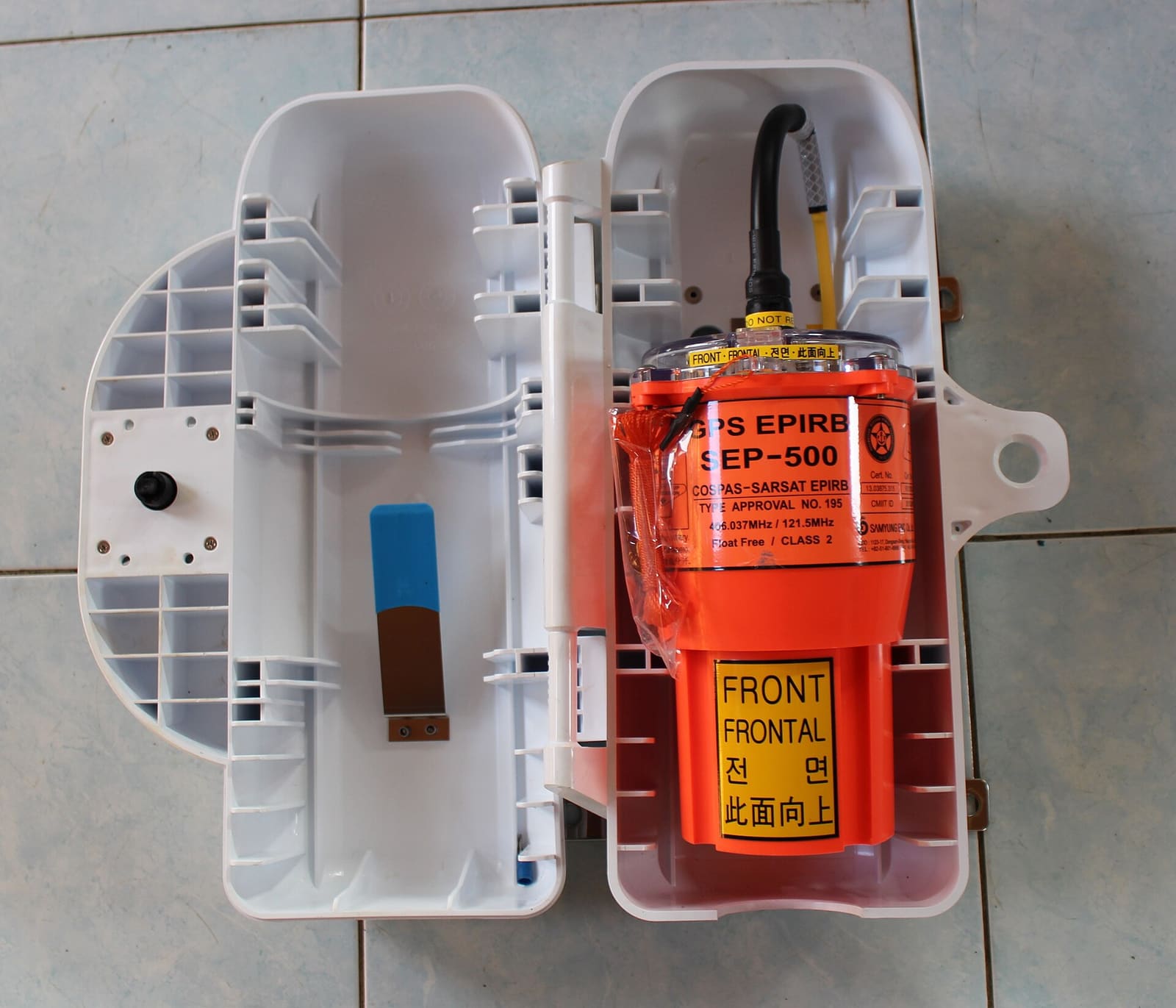
EPIRB and PLB Care: Registration, Batteries, Self-Test and Mounting
Keep your 406 MHz emergency beacon ready to work on the worst day of your life. Register it free with NOAA and renew every two years, track the battery and hydrostatic release dates, run the self-test without triggering a false alert, and know what happens after you press the button.

Epoxy and Two-Part Paint Safety: How to Avoid Becoming Allergic
Epoxy and isocyanate-cured paints can make you allergic for life, sometimes after many jobs with no problem at all. Learn how sensitization happens, which gloves and clothing to wear, how to get epoxy off skin without solvents, when you need a respirator, and how to handle sanding dust and leftovers safely.
Fuel Smell on Board: What to Do and How to Find the Source
A gasoline smell on a boat is a fire and explosion warning. Learn what to do in the first minutes, the most common sources (fill and vent hoses, tank fittings, fuel lines, carburetors and injectors, overfilling), how to look safely, and when to stop and call a pro.
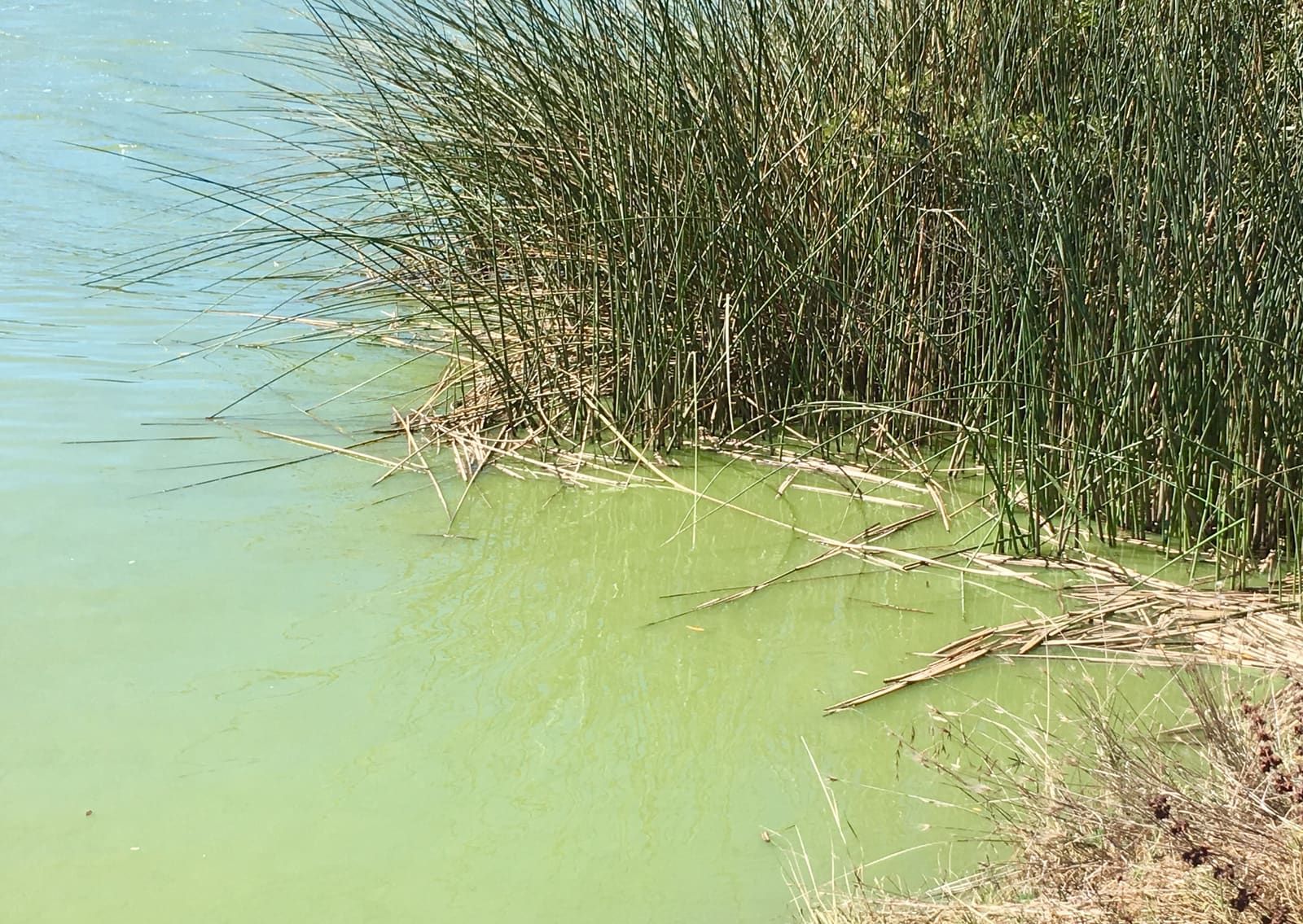
Harmful Algae Blooms: How Boaters Spot Them, Check Advisories and Clean Up Afterward
Blue-green algae and red tide can sicken people and kill dogs within hours. Learn what a bloom looks like, where to check state advisories before you launch, how to run the boat around one, and how to rinse the hull, trailer, gear and your dog afterward. Includes what health agencies say about eating fish from bloom areas.
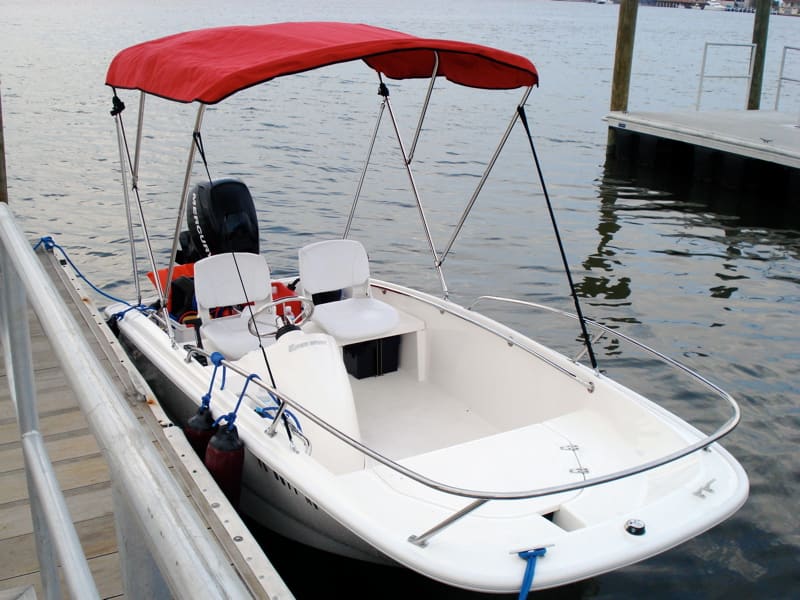
Heat Exhaustion and Heat Stroke on a Boat: Prevention, Warning Signs and What to Do
Sun, reflected glare, little shade and too little water make boats a classic place for heat illness. Learn how to prevent it, how to tell heat exhaustion from heat stroke, how to cool someone down aboard, how to protect kids and pets, and when to call 911 or the Coast Guard. General first-aid information only, not medical advice.
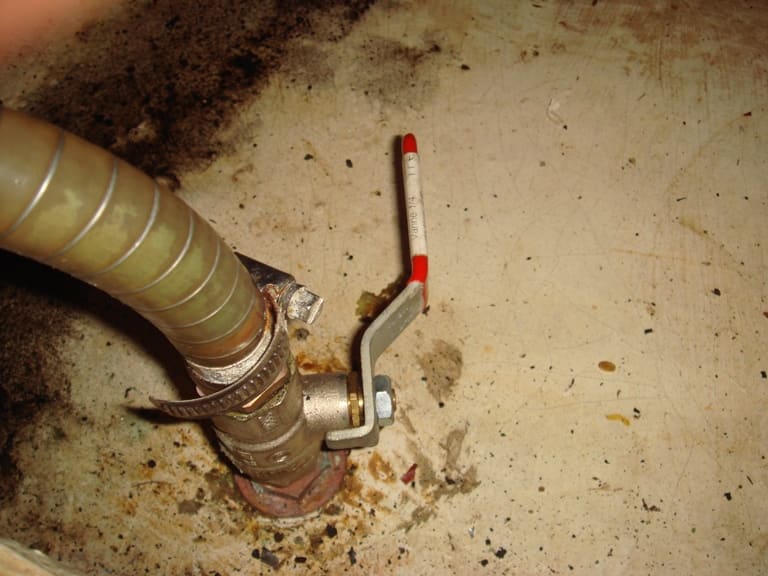
How to Build a Damage-Control Kit: Plugs, Patches and a Plan for Leaks
Put together a labeled kit that can slow or stop water coming into your boat - softwood plugs tied at every through-hull, rescue tape, spare clamps, rubber and plywood patches, plastic sheeting, underwater sealant, a manual pump and the tools to reach a hidden leak - and practice with it so your crew knows where everything is.
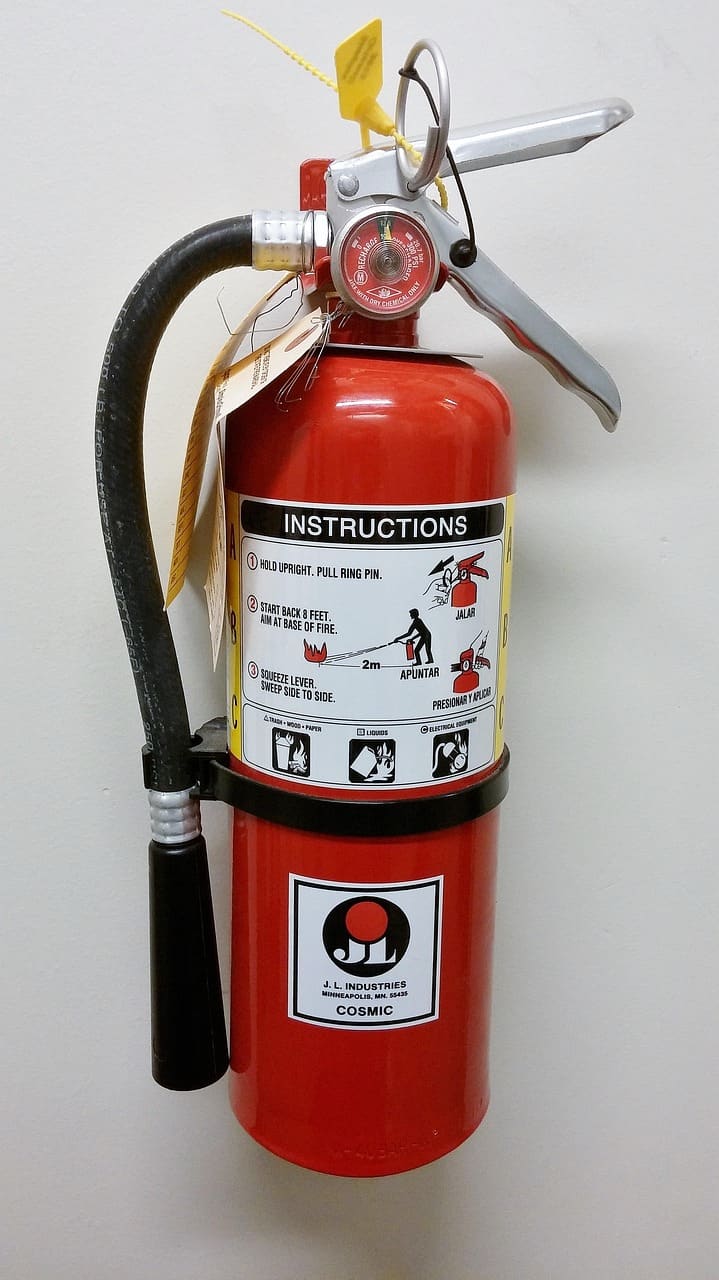
How to Check, Mount and Replace Boat Fire Extinguishers
A monthly five-minute check of every fire extinguisher aboard, plus how the 2022 Coast Guard rule changes affect you, where to mount them, and when to recharge or replace. A boat fire spreads in seconds, and an extinguisher with a dead gauge, missing pin or expired date will not help you or pass a boarding.
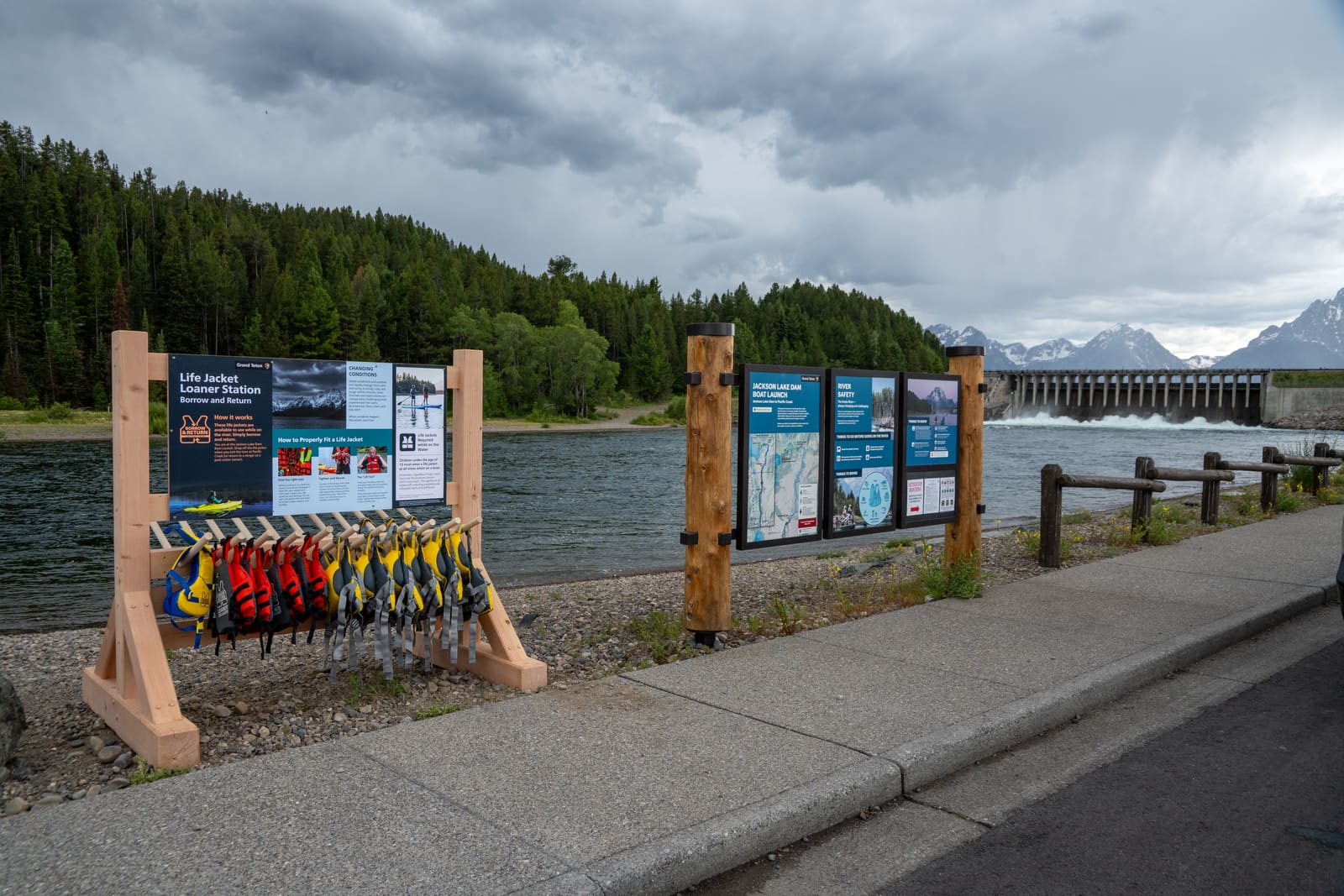
How to Choose and Fit Life Jackets for Children and Babies
Pick the right Coast Guard-approved life jacket for each child by weight, check the fit so it can't slip off, look for head support and a crotch strap on little ones, and learn the federal and state wear rules. Inflatables are not for kids, and a life jacket never replaces an adult watching.
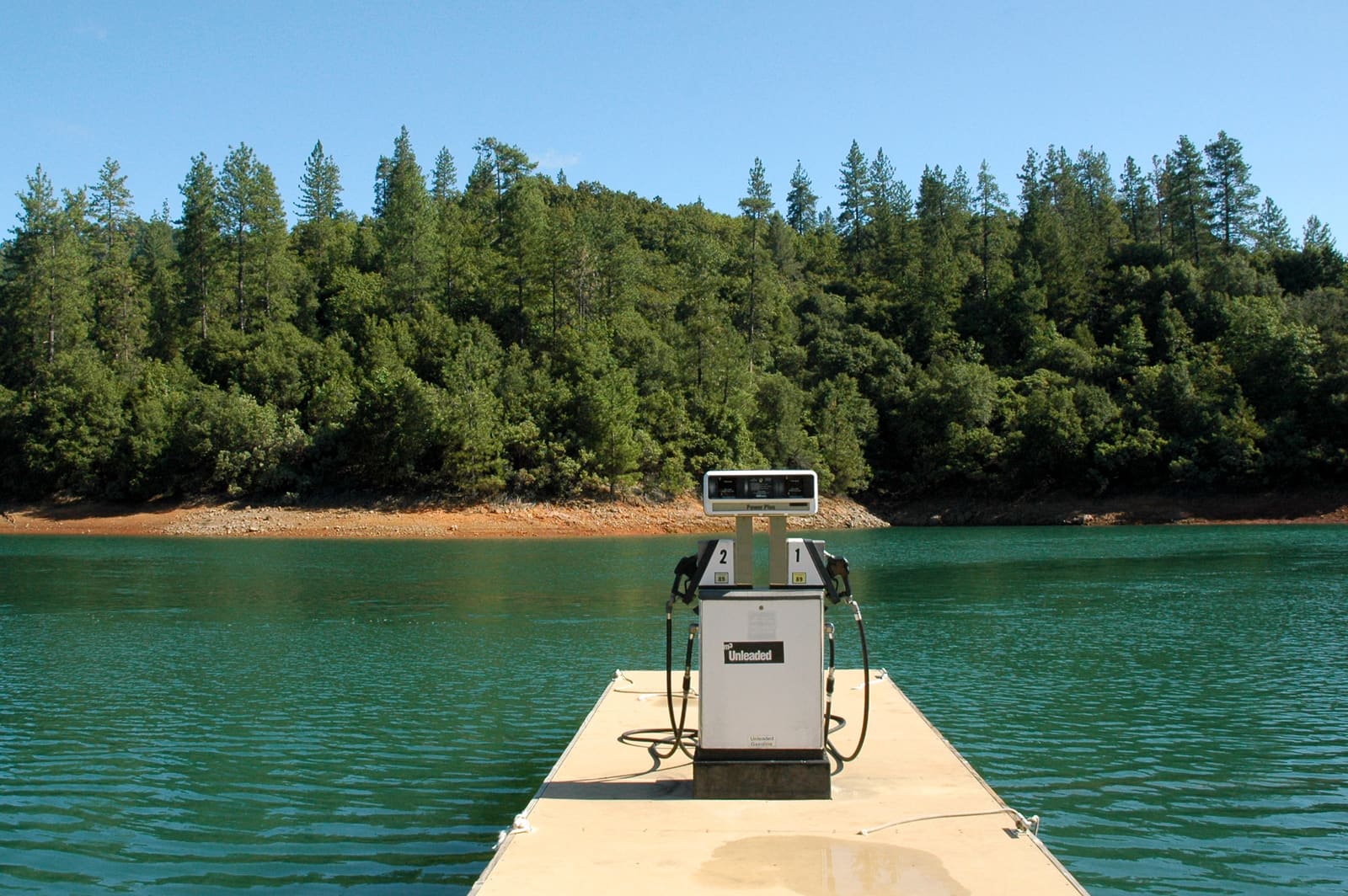
How to Inspect and Replace Boat Fuel Fill and Vent Hoses
Old fill and vent hoses crack, go soft and leak gasoline into the bilge, often where you can't see them. Learn the signs of aging, which USCG hose types (A1, A2, B1, B2) belong on fill and vent lines, why fill hoses need two clamps at each end, how to check the vent fitting, flame arrester and anti-spill devices, and how a careful replacement is done.
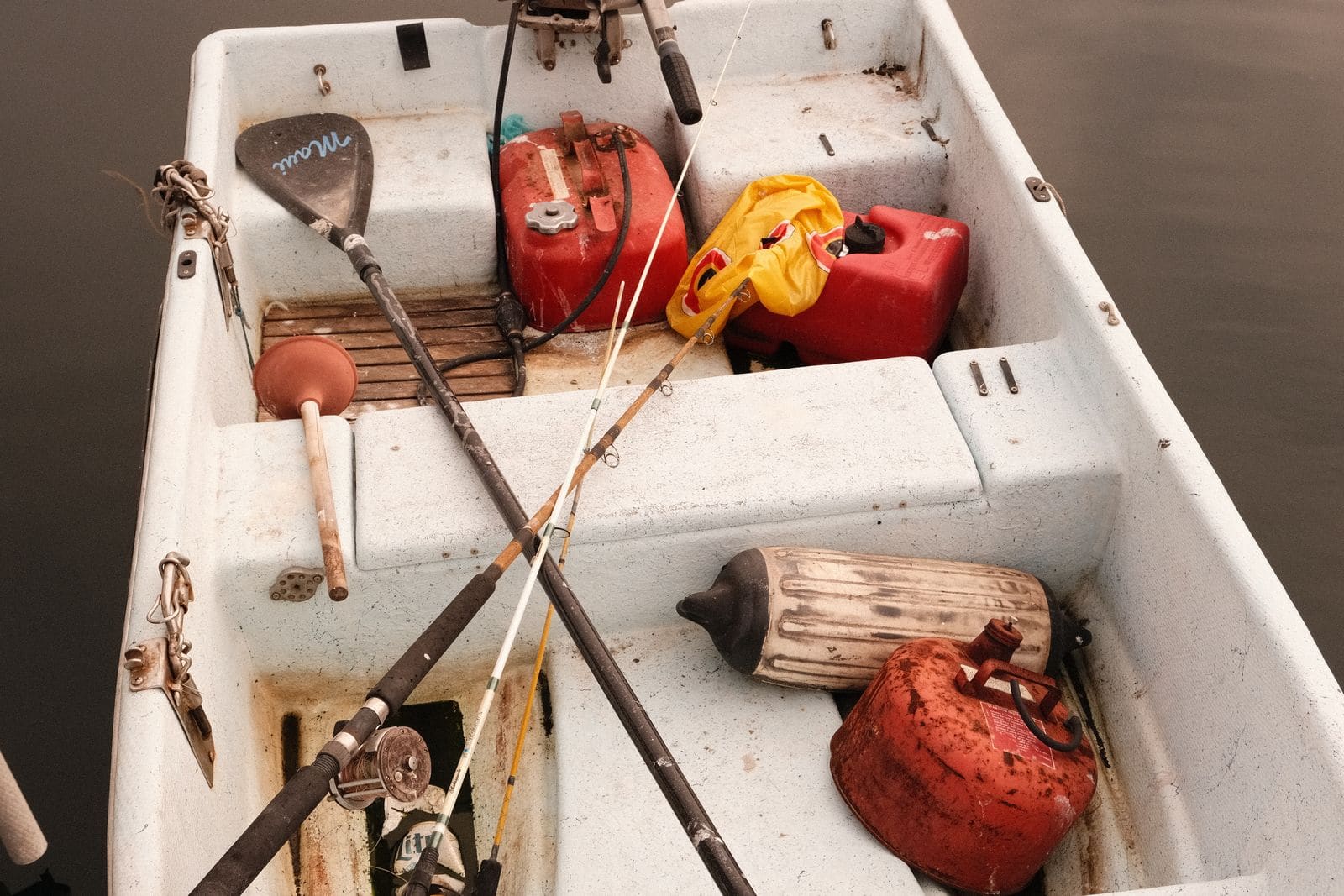
How to Inspect Your Boat's Fuel Tank, Fill, Vent and Hoses
A leaking gas tank is one of the most dangerous problems a boat can have, and it usually starts out of sight. Learn how to inspect portable and built-in tanks, spot aluminum tanks corroding from below, know the ethanol risk for old fiberglass tanks, and check the fill, vent, hoses, clamps and sender, plus why tank replacement is a job for a pro.
How to Install a Backup Bilge Pump and High-Water Alarm
Add a second, larger automatic bilge pump mounted above the primary, with its own overboard discharge and a loud high-water alarm wired so it works even with the battery switch off, then test it every month so it buys you real time if the boat starts taking on water.

How to Load Your Boat Safely: Capacity Plate, Balance and Stability
Too much weight, or the right weight in the wrong place, is behind most small-boat capsizes and swampings. Learn to read the capacity plate (persons, weight and horsepower), add up your real load, balance it side to side and fore and aft, and adjust for rough water, water aboard and towing riders.
Safety: BoatMend is for information only and does not replace a certified marine technician. You are responsible for your safety and your boat. Read the full disclaimer.