Repair & maintenance guides
Plain-English, step by step, written for owners. Pick your engine to see the guides that apply to it.
276 of 509 guides · page 7 of 12
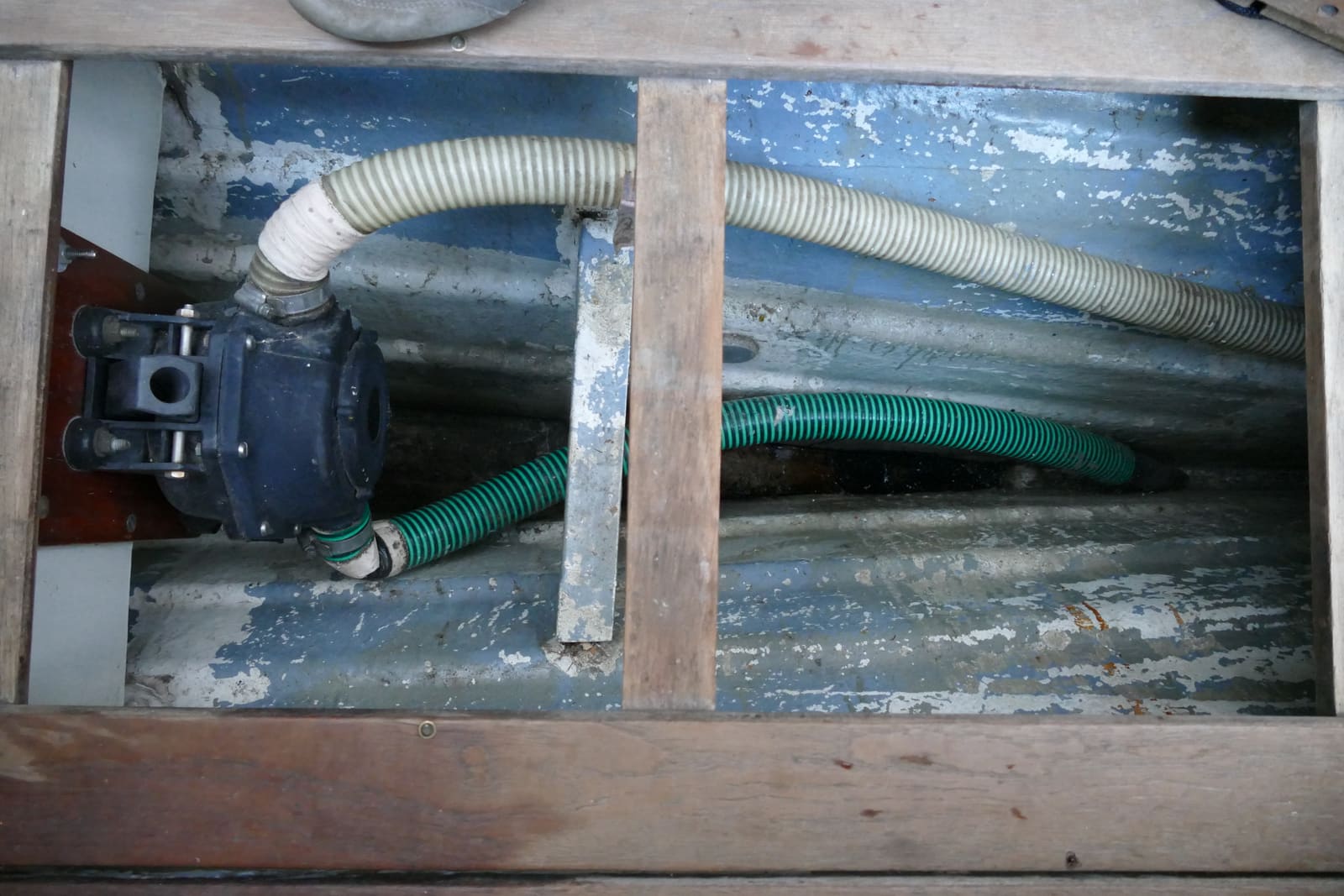
How to Paint a Boat Bilge (Prep, Paint Choice and What to Leave Bare)
A freshly painted bilge is easier to keep clean and makes small fuel, oil, coolant and water leaks easy to spot. Learn how to degrease and sand, pick between alkyd bilge paint and epoxy coatings, ventilate safely, and keep paint off the parts that must stay bare.
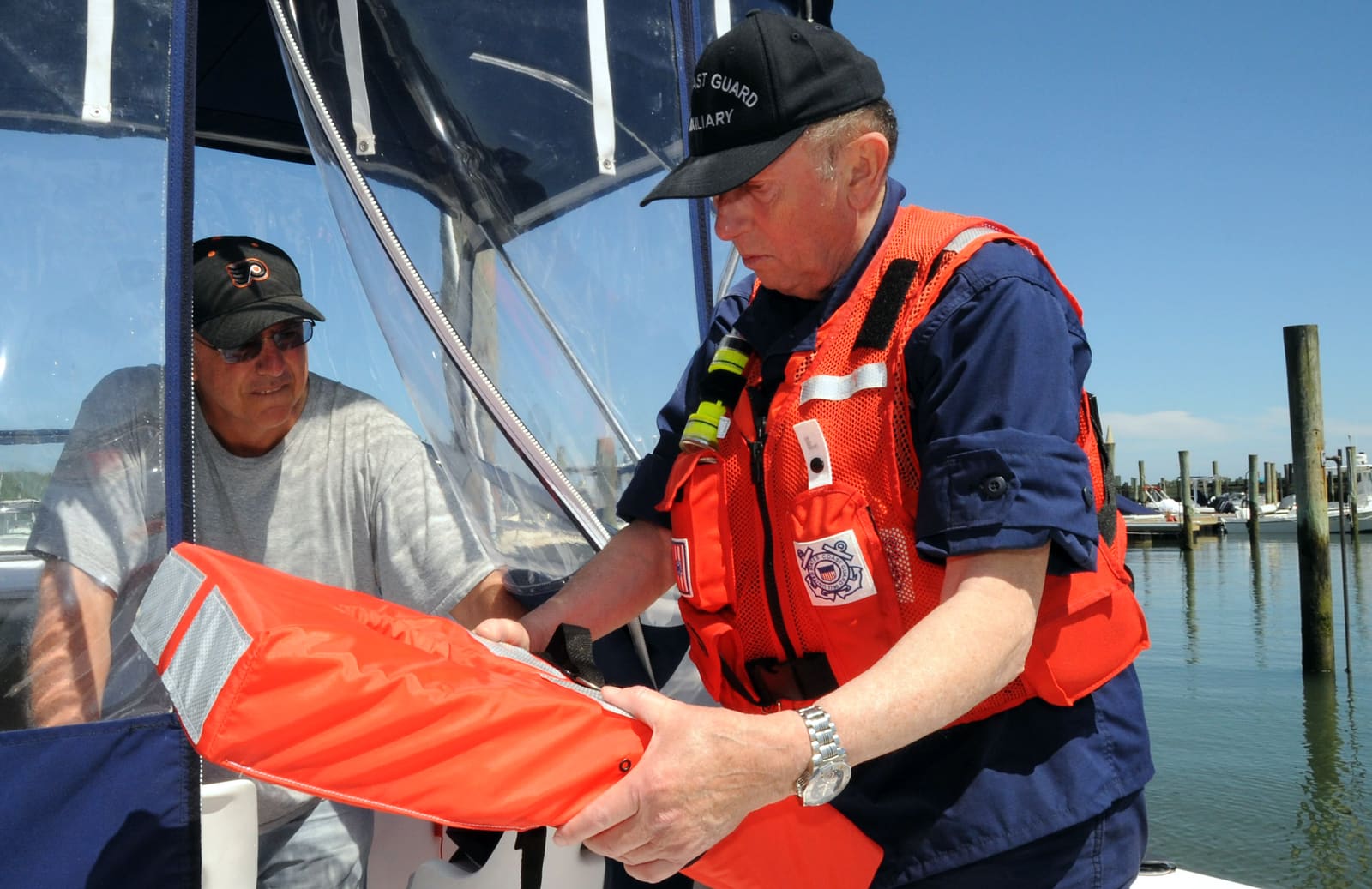
How to Prepare for a Free Vessel Safety Check
Volunteers from the Coast Guard Auxiliary and America's Boating Club will inspect your boat's safety gear for free, with no ticket if something is missing. Learn how to request a Vessel Safety Check, what the examiner looks at, how to get your boat ready and what to do with the fix list.

How to Prepare Your Boat for a Hurricane or Tropical Storm
Make a written storm plan before the season, then haul out or secure the boat with doubled lines and chafe gear, strip off everything that catches wind, and check it safely after the storm. Never ride out a hurricane aboard.
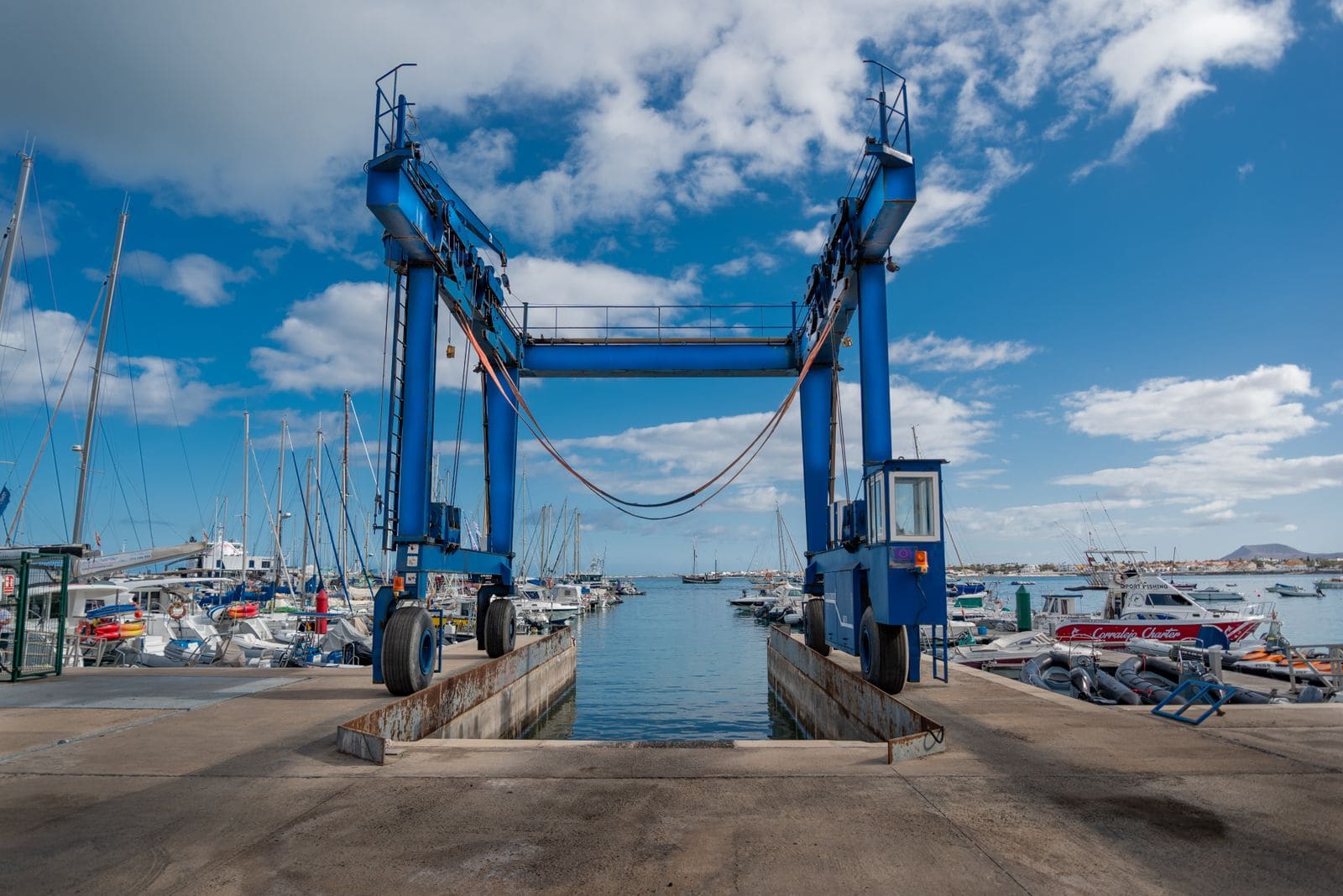
How to Prepare Your Boat for an Insurance or Condition Survey
Get ready for a marine survey your insurer or lender asked for: what a SAMS or NAMS surveyor looks at, the common findings you can fix beforehand (hose clamps, seacocks, bilge, fire extinguishers, wiring), the paperwork to have ready, and how to handle the recommendations afterward.
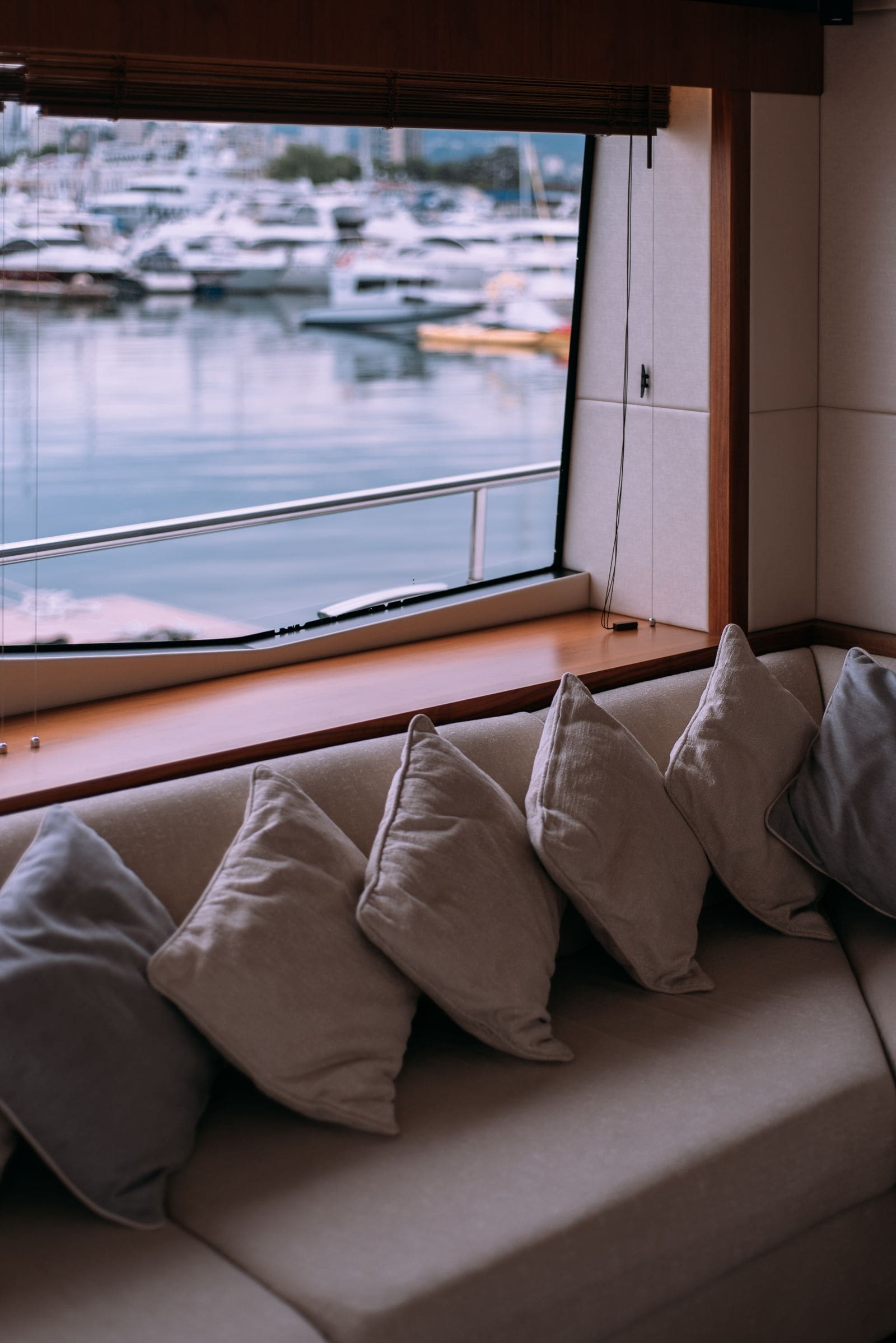
How to Prevent and Remove Mold and Mildew on Your Boat
Stop the musty smell and black spots before they start. Find and fix the water source, keep air moving, control humidity safely, and clean mold off gelcoat, vinyl and cabin surfaces with products that won't damage them.
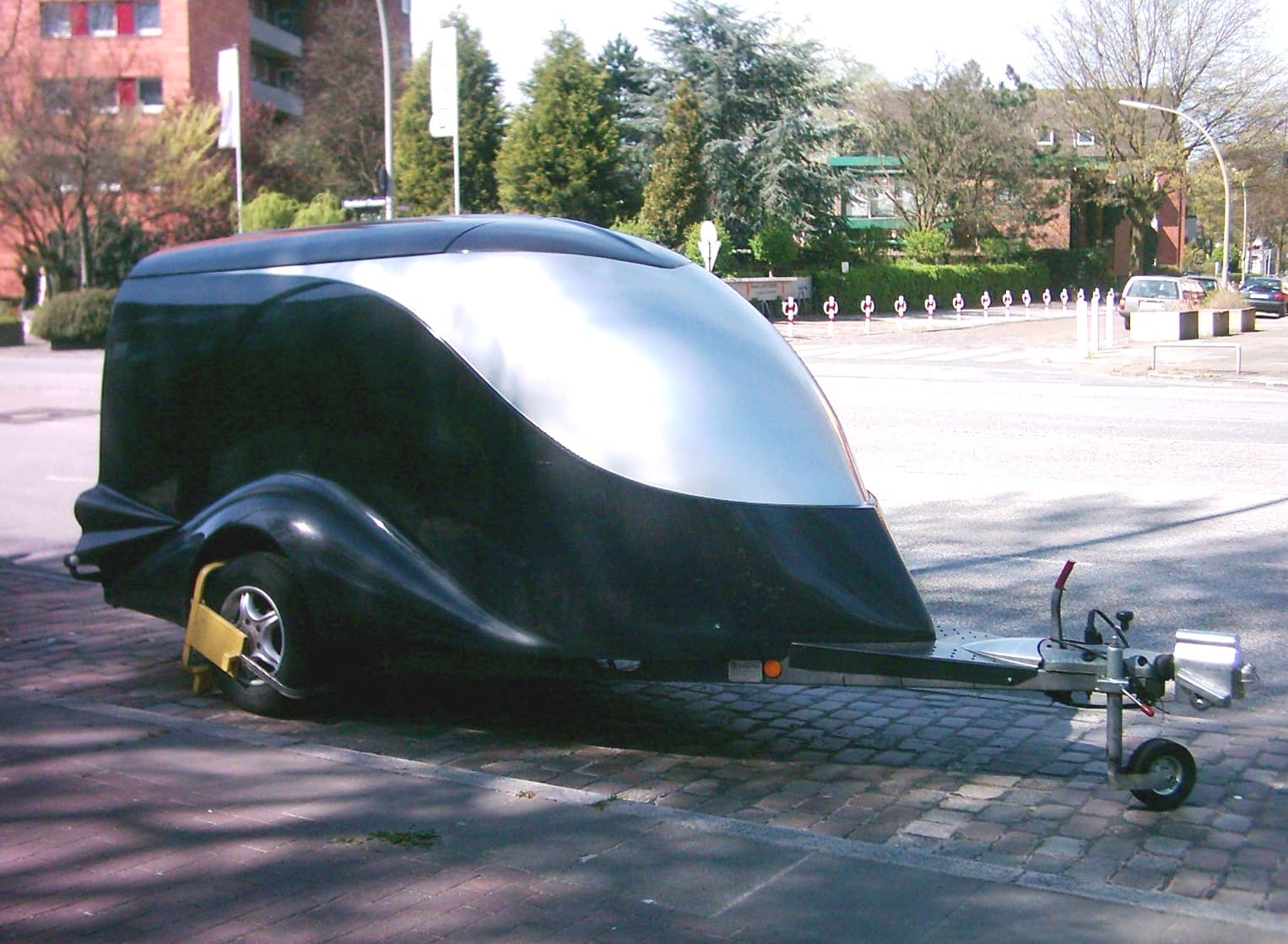
How to Protect Your Boat, Motor and Trailer From Theft
Practical, layered security for boat owners: outboard locks, trailer coupler and wheel locks, disabling the boat, GPS trackers, engraving and marking, photo and serial number records, safer storage, and exactly what to report (HIN and serial numbers) if your boat is stolen.
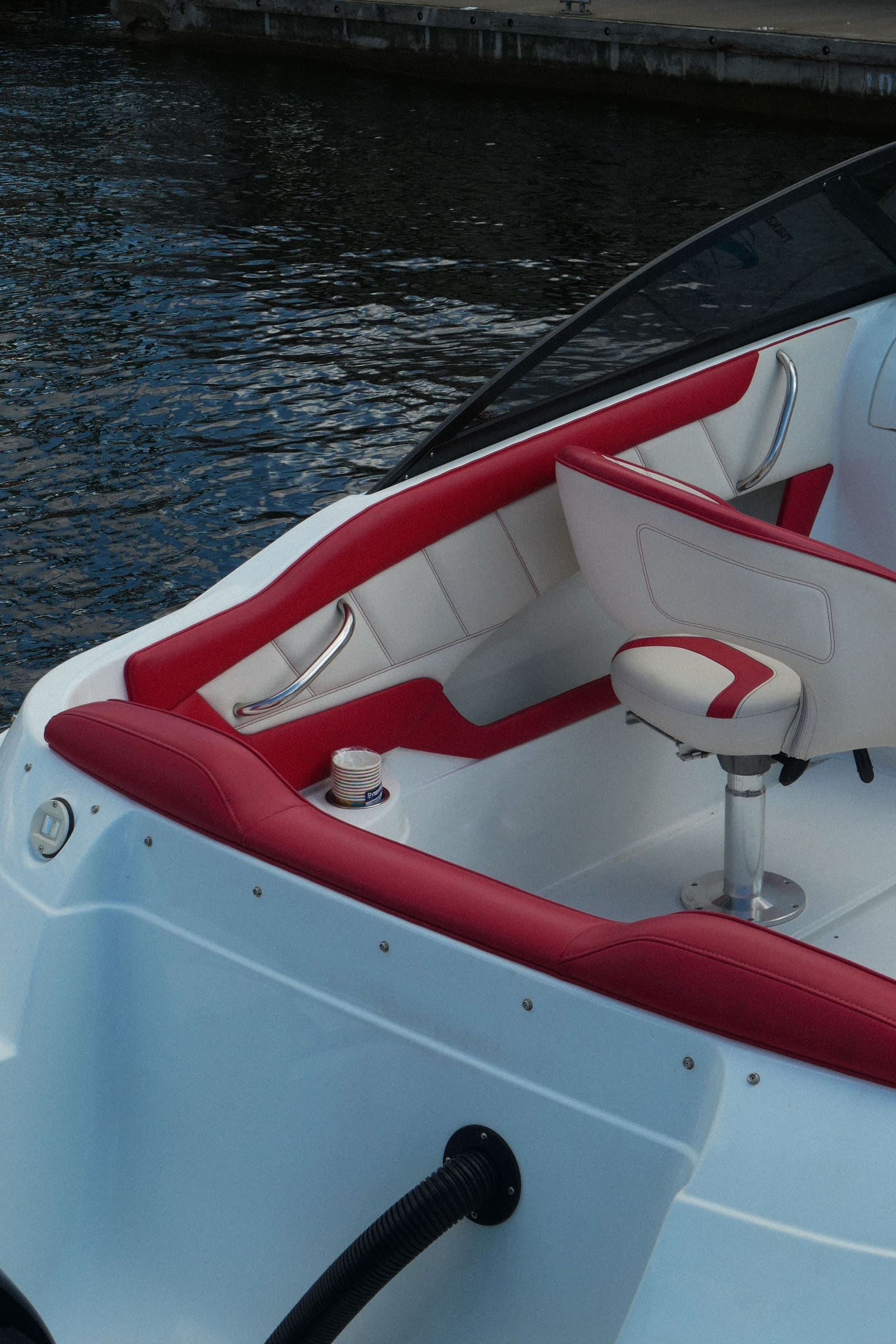
How to Re-Cover Boat Cushions and Seats (DIY Sewing vs. Upholstery Shop)
Cracked, faded or split cushion covers can be replaced without buying new seats. Learn how to choose marine vinyl or acrylic fabric, which thread survives the sun, how to use the old cover as a pattern, where zippers and drain vents go, and when a walking-foot machine at home makes sense versus paying an upholstery shop.
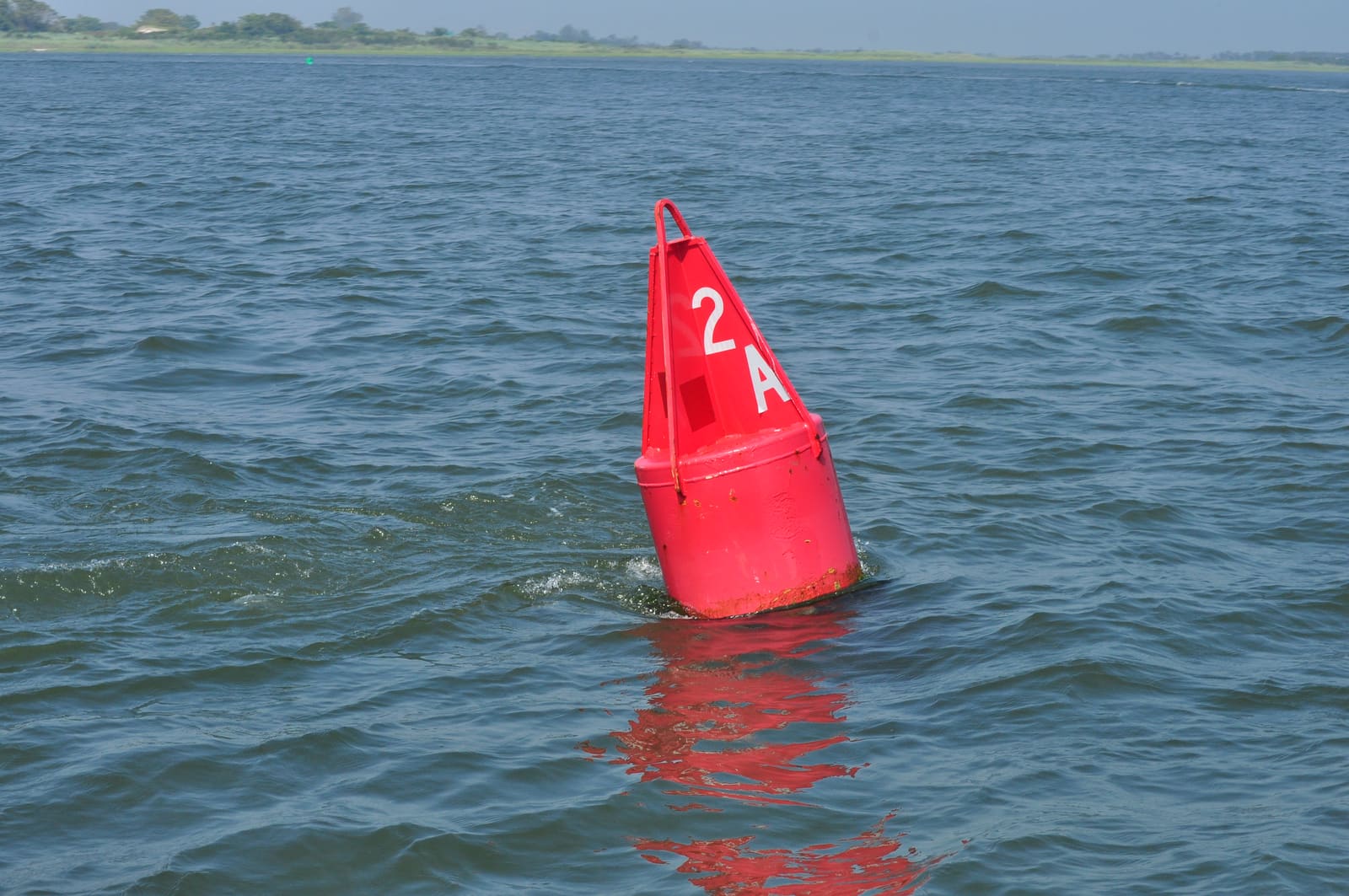
How to Read Buoys and Channel Markers: Red Right Returning and the U.S. Aids to Navigation System
Learn what the red and green buoys, daymarks and lights are telling you: red right returning, nuns and cans, odd and even numbers, preferred channel, safe water, isolated danger, the orange-and-white regulatory and information markers, the yellow symbols on the Intracoastal Waterway and how the Western Rivers system differs. Based on the Coast Guard's U.S. Aids to Navigation System rules (33 CFR Part 62).
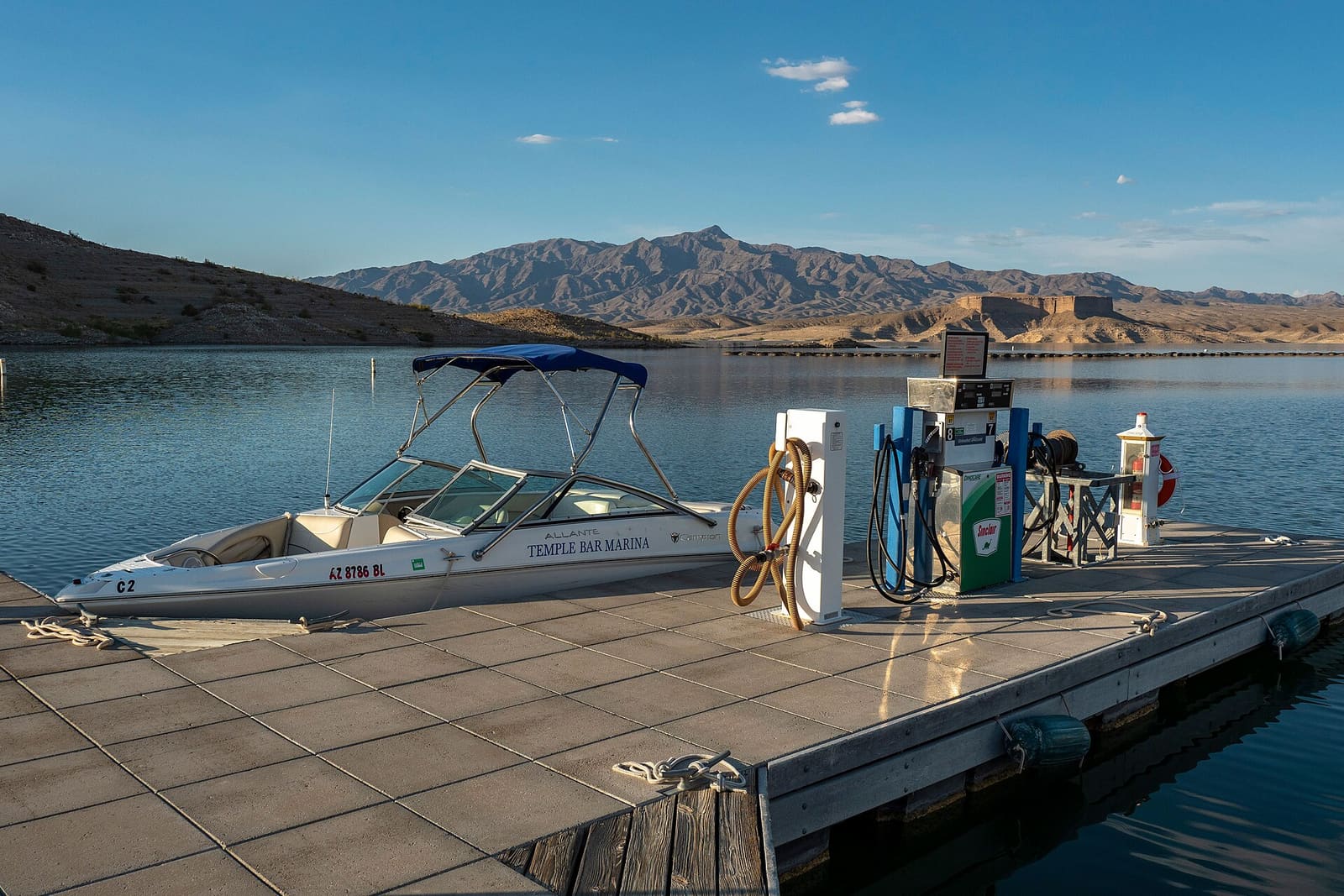
How to Refuel a Boat Safely (Gas Dock, Gas Station and Portable Tanks)
A step-by-step fueling routine that keeps gasoline vapor out of your bilge and fuel out of the water: shut everything down, close up, keep the nozzle in contact, stop short of full, ventilate, run the blower and sniff before you start. Includes portable tanks, personal watercraft and what to do about a spill.
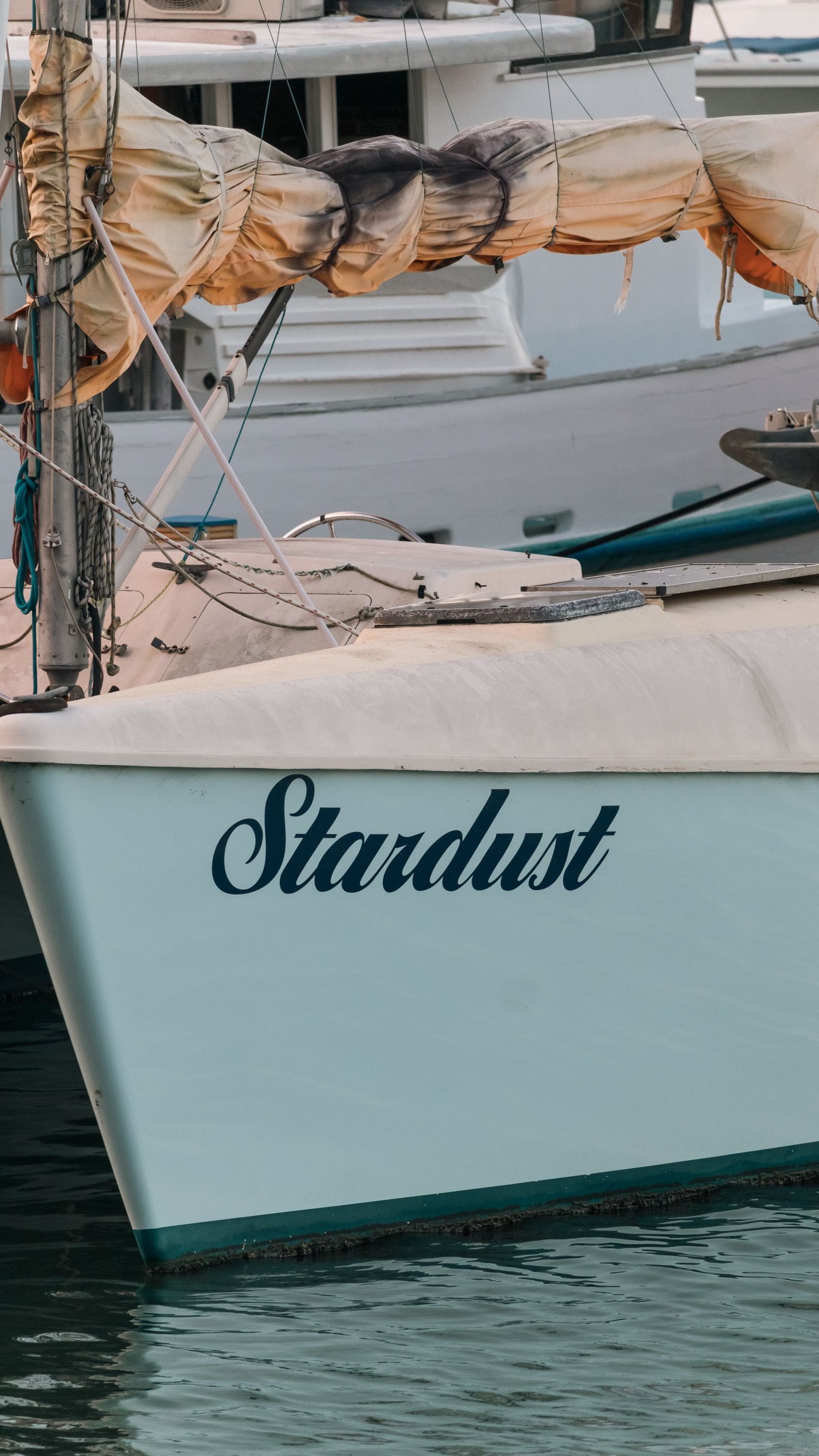
How to Remove and Apply Boat Names, Graphics and Registration Decals
Take off old vinyl names and graphics without scratching the gelcoat, clean up the glue and the "ghost" outline, then apply new lettering straight and bubble-free, and display your registration numbers the way federal rules require.
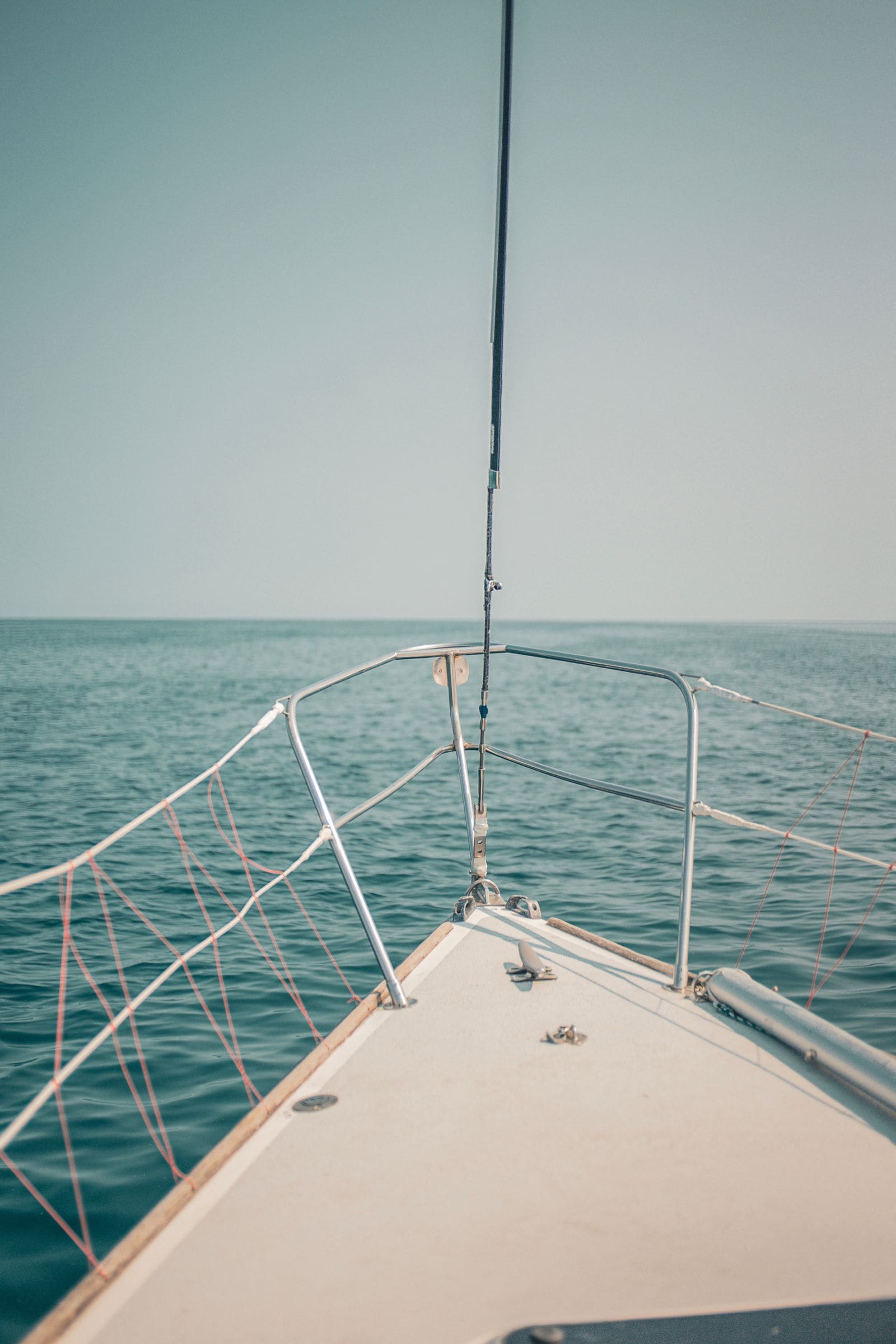
How to Repair or Repaint Worn and Cracked Non-Skid Decks
Bring back grip where the molded non-skid is chipped, cracked, patched or worn smooth. Choose between a molded patch that copies the original pattern, non-skid paint with grit, or textured gelcoat, fix the cracks and soft spots underneath first, and mask for clean, safe edges.
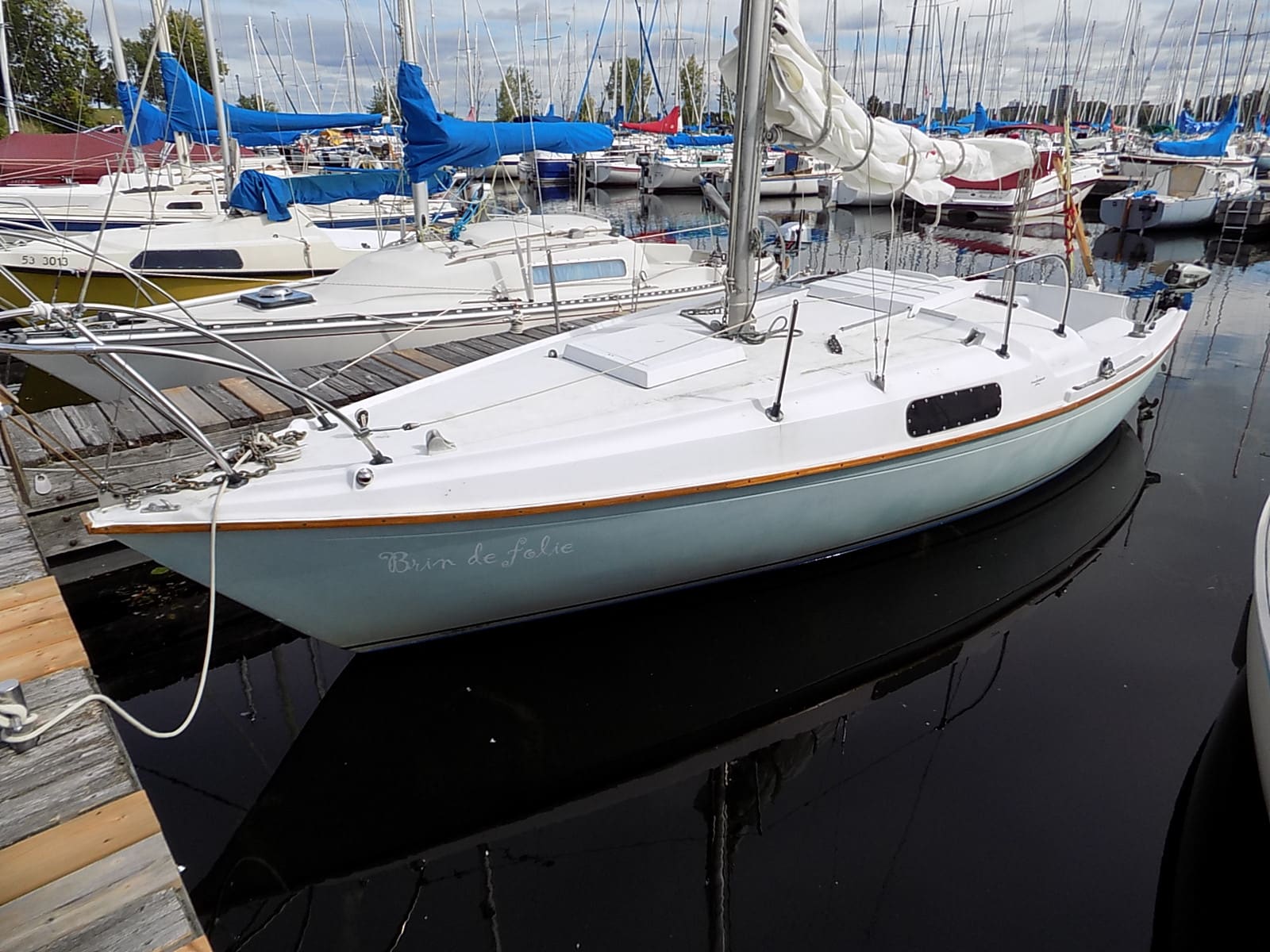
How to Repair or Replace Your Boat's Rub Rail
Replace a torn rub rail insert or the whole rail, reseal the hull-to-deck joint and its fasteners while the rail is off, and stop the deck-joint leaks that often hide behind a worn rail.
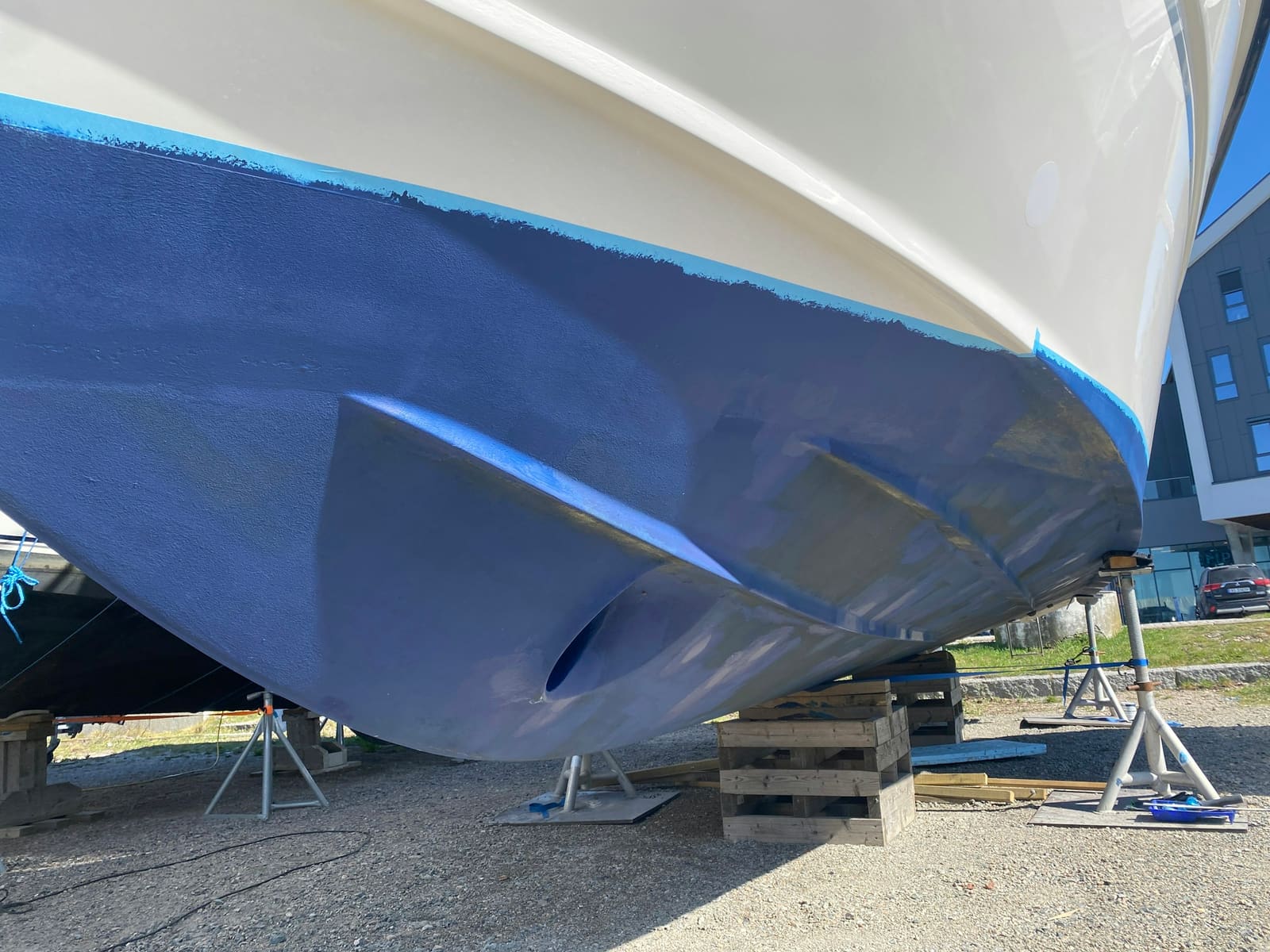
How to Repair Small Gelcoat Chips and Scratches
Fill and blend small chips, dings and scratches in your boat's gelcoat with a repair kit so they stop letting water into the fiberglass and look close to new. Also learn to spot damage that is structural and needs a pro.
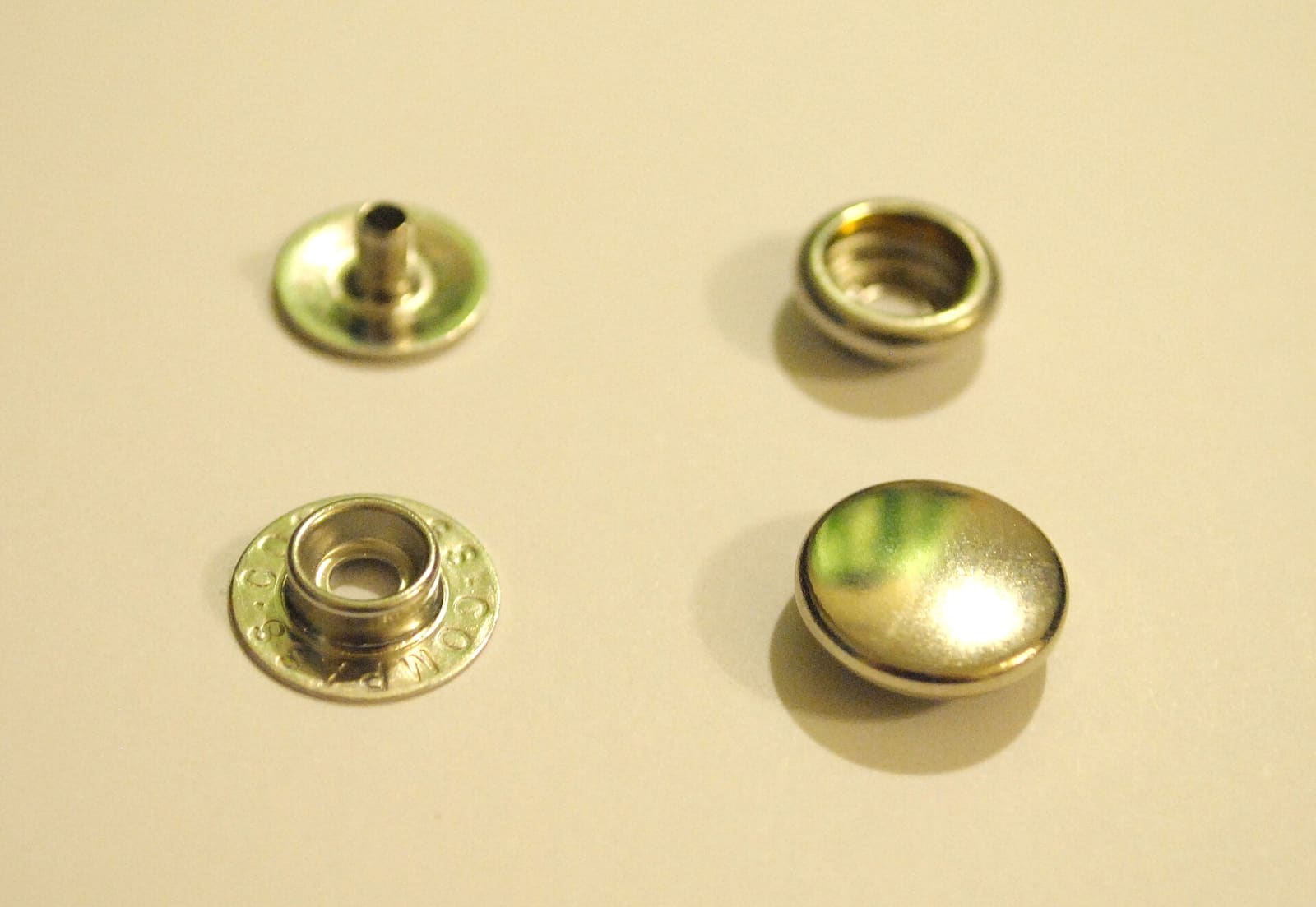
How to Repair Torn-Out Canvas Snaps, Fasteners and Zippers
Fix snaps that have pulled out of your bimini, cover or enclosure, reinforce the torn fabric, choose the right snap metal and setting tool, free stuck snaps, replace Lift-the-Dot and twist fasteners, and swap a worn zipper slider.
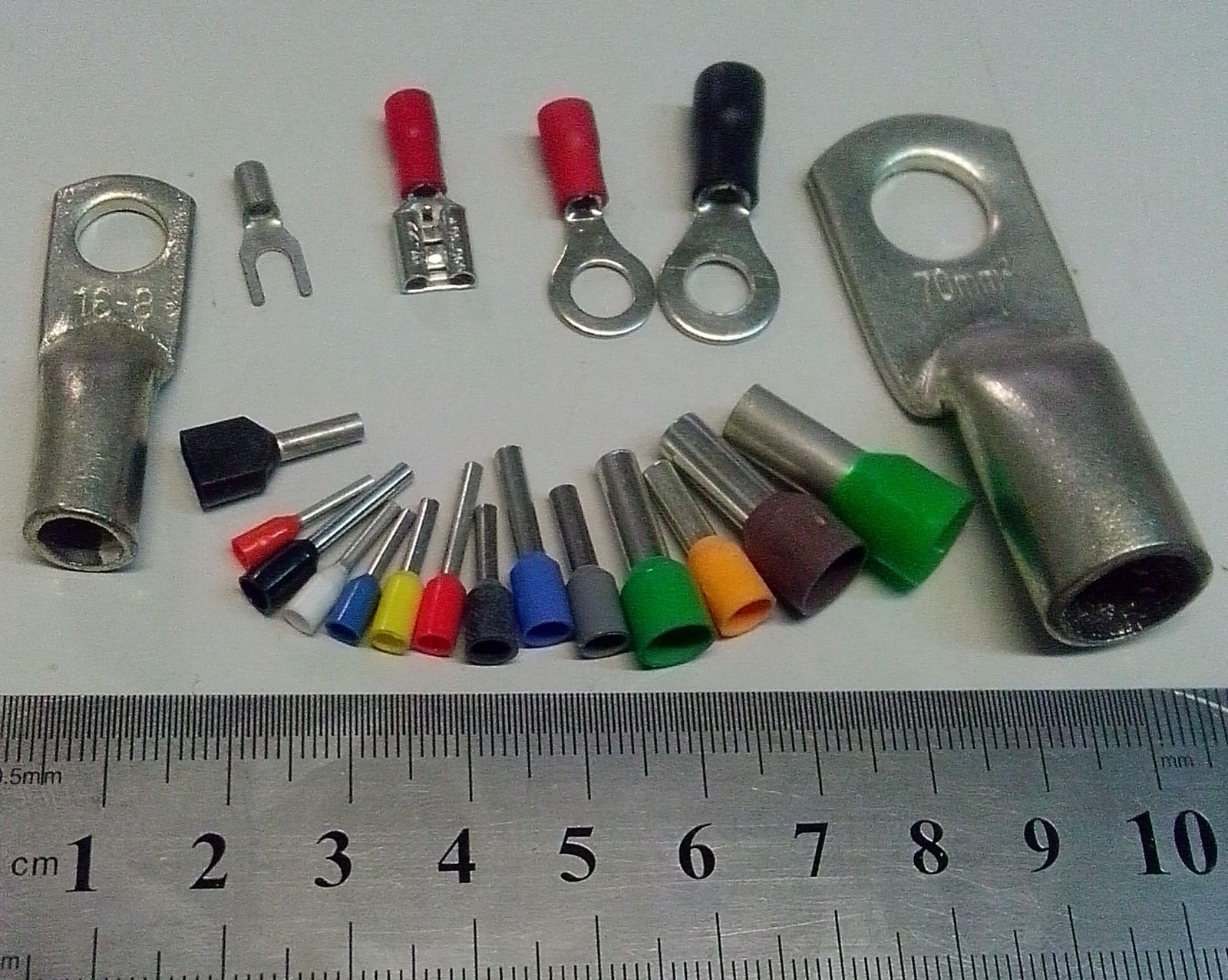
How to Replace Boat Battery Cables the Right Way
Swap corroded, cracked or undersized battery cables for tinned marine cable sized from a chart for its real length and load, with crimped lugs, adhesive heat shrink, terminal boots, solid support and a fuse close to the battery.
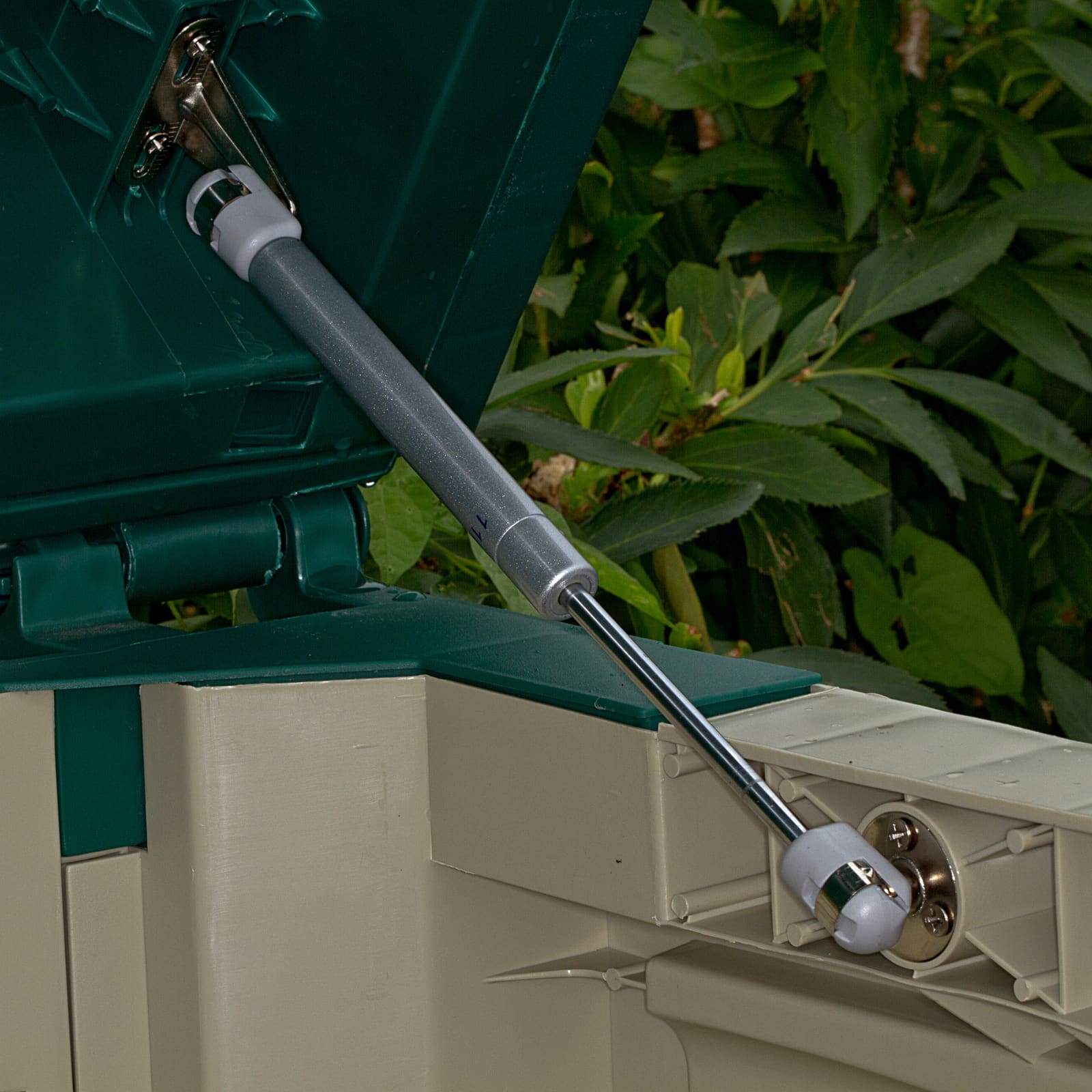
How to Replace Gas Struts on Boat Hatches, Seats and Consoles
Measure, buy and fit the right gas struts (lift supports) so hatches, seat lids and console doors stay open safely instead of dropping on your head or fingers.
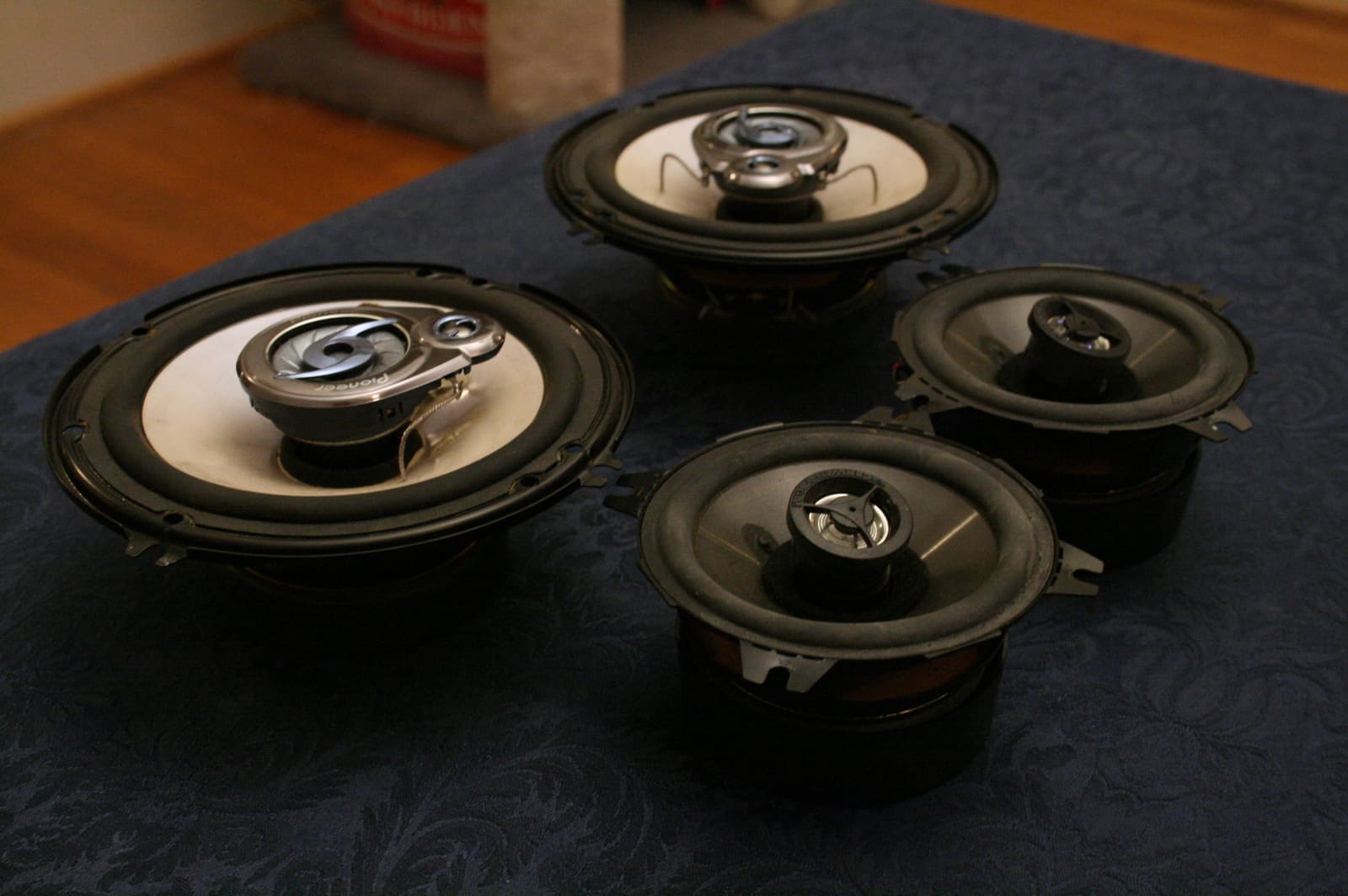
How to Replace Marine Speakers (Including Tower Speakers)
Pick replacement speakers that fit the cutout, match your stereo or amplifier's power and impedance, survive sun and spray, and don't throw off your compass. Then wire them with the right polarity and seal them so water can't reach the back.
How to Replace or Re-Cover a Bimini Top
Decide whether you need new canvas or a whole new top, measure your frame the right way, pick a fabric that will last in the sun, check the frame and hardware, and swap the canvas yourself or brief a canvas shop.
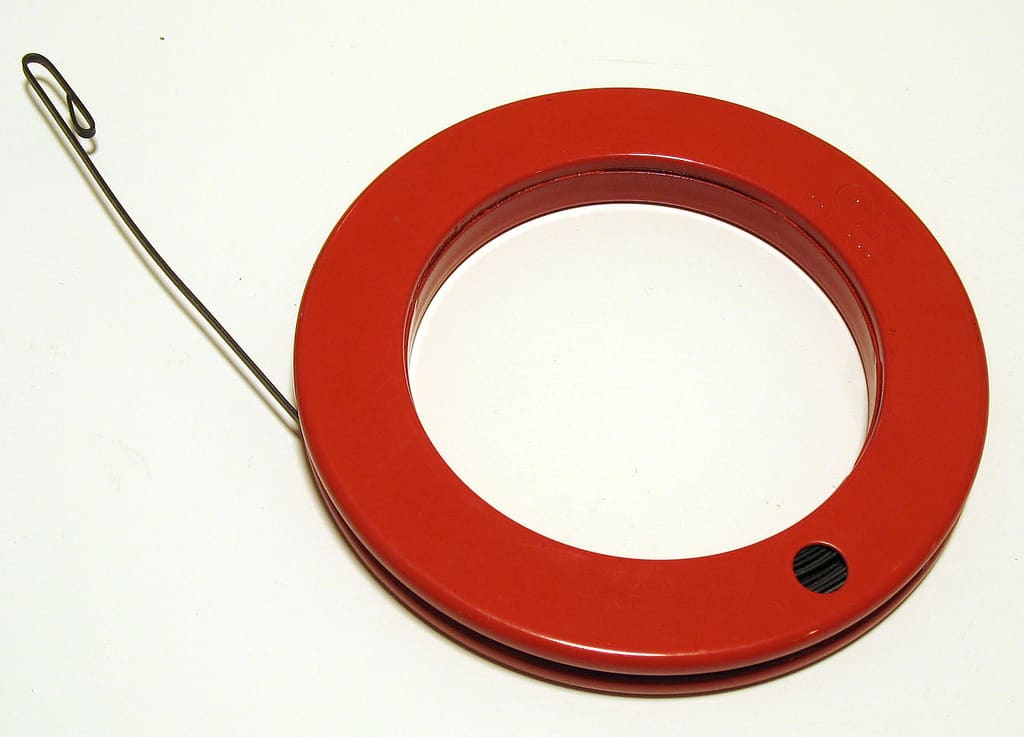
How to Run New Wires Through a Boat (Chase Tubes, Pull Lines and Deck Penetrations)
Get a new transducer cable, light or power wire from the stern to the helm or up through the deck without a fight: use the chase tube and a fish tape or pull string, protect the wire from chafe and heat, support it every 18 inches, seal every penetration and label both ends.
How to Sea Trial Your Boat After Maintenance or Repair
A step-by-step test run after service work: dock checks first (leaks, fluids, steering, kill switch), then a gradual climb through the RPM range while you watch temperature and pressure, a wide-open-throttle check against your engine's spec, shifting and trim tests, and a bilge check afterward. Catch a loose clamp or a missed step at the dock, not miles out.

How to Size a House Battery Bank: Load List, Usable Capacity and Charging
Work out how many amp-hours your boat really uses in a day, how much of a battery's rated capacity you can actually use with lead-acid, AGM or lithium, how much reserve to add, and how your charging sources change the answer, so you buy the right house bank the first time.
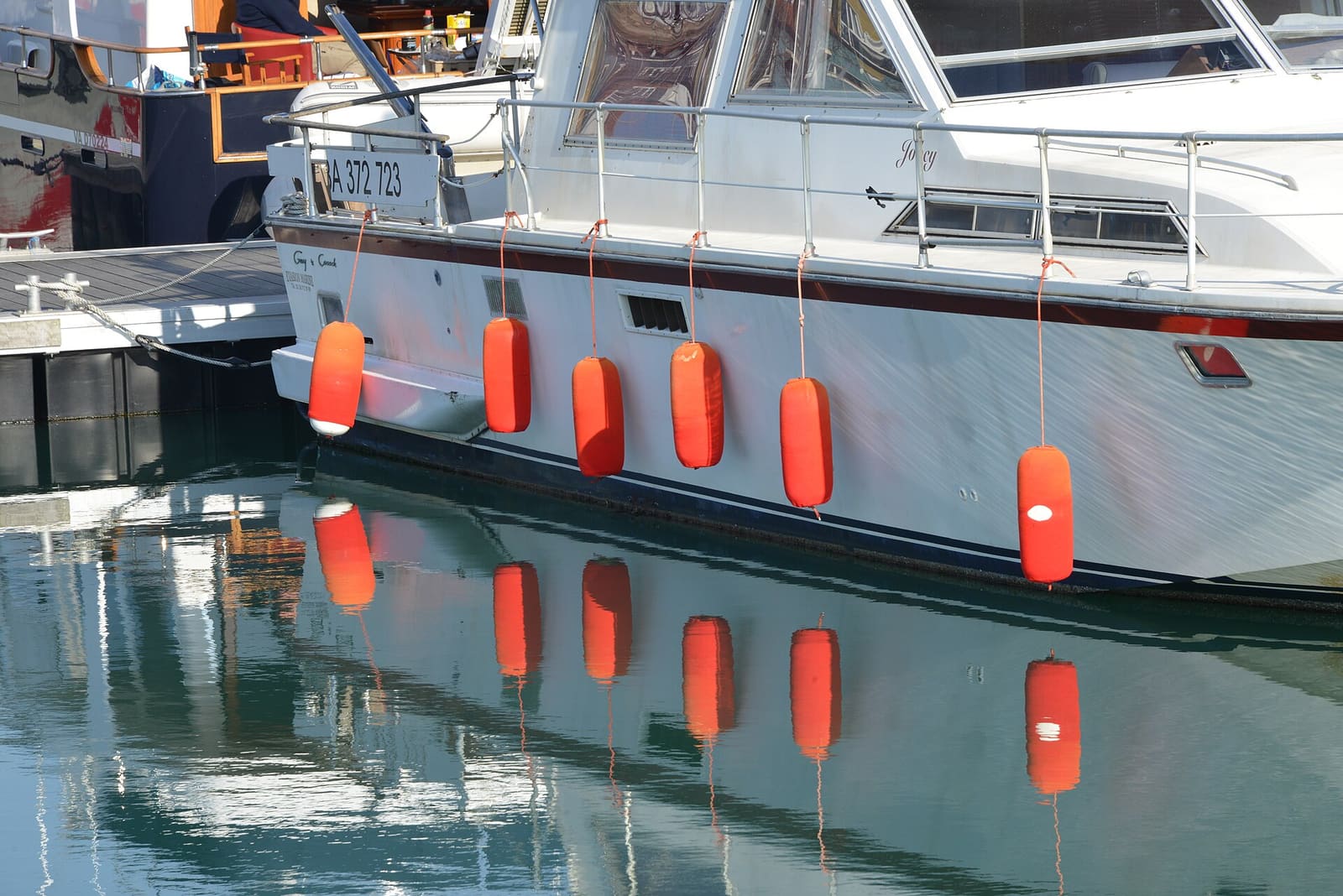
How to Size, Rig and Inspect Dock Lines and Fenders
Pick the right dock line diameter and fender size for your boat, set up bow, stern and spring lines in a slip, add chafe gear, inspect for wear and UV damage, and double everything up before a storm.
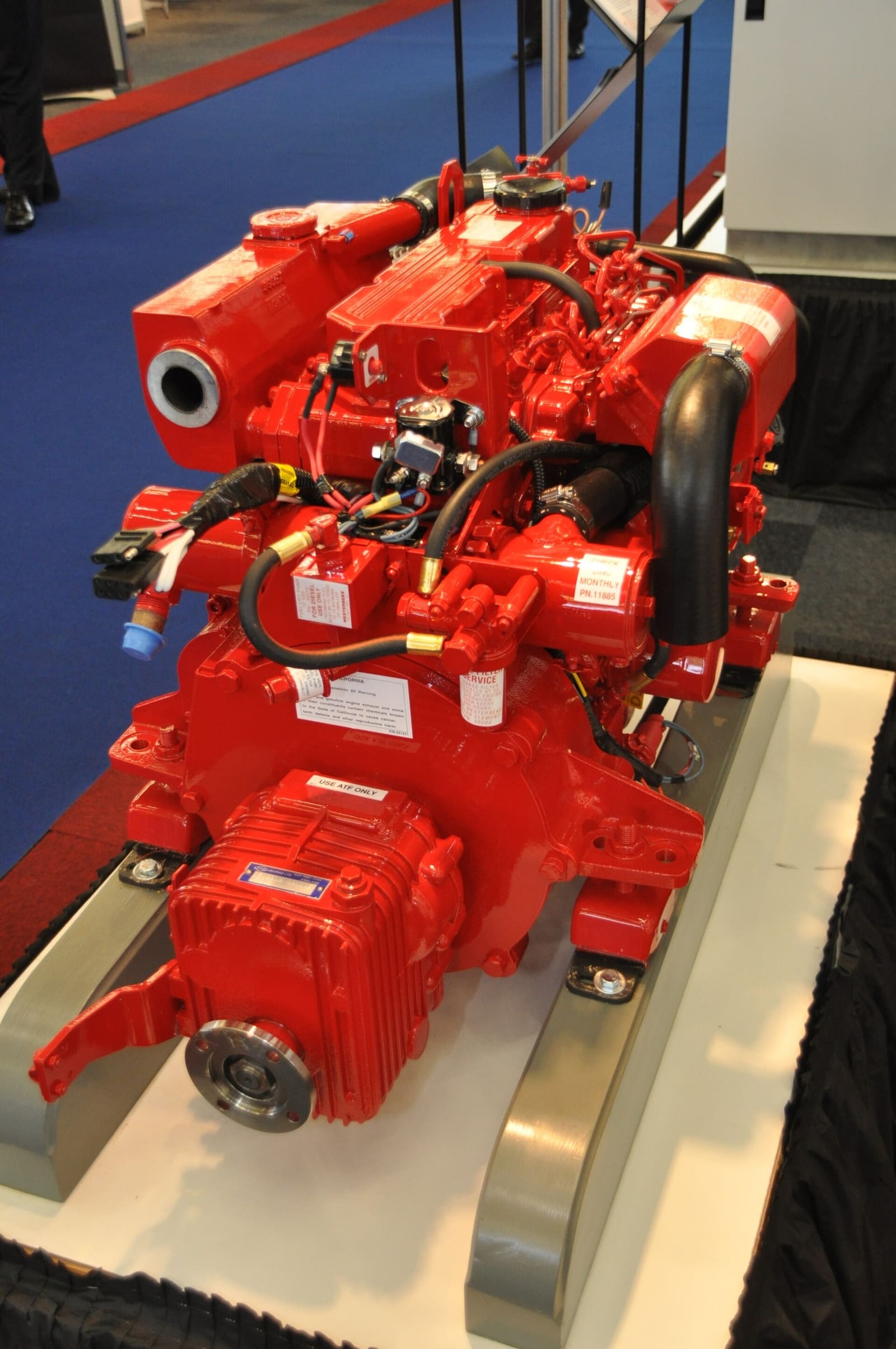
How to Test a Marine Diesel Lift Pump (Feed Pump): Flow Test, Vacuum Gauge and Warning Signs
The lift pump pulls diesel from the tank through the primary filter and feeds the injection pump. When it weakens, the engine starts hard, loses power or dies. Learn how to find it, tell a mechanical pump from an electric one, check it with the priming lever, run a simple flow test into a clear container, read a vacuum gauge on the primary filter, and spot a leaking diaphragm before it fills your oil with fuel.
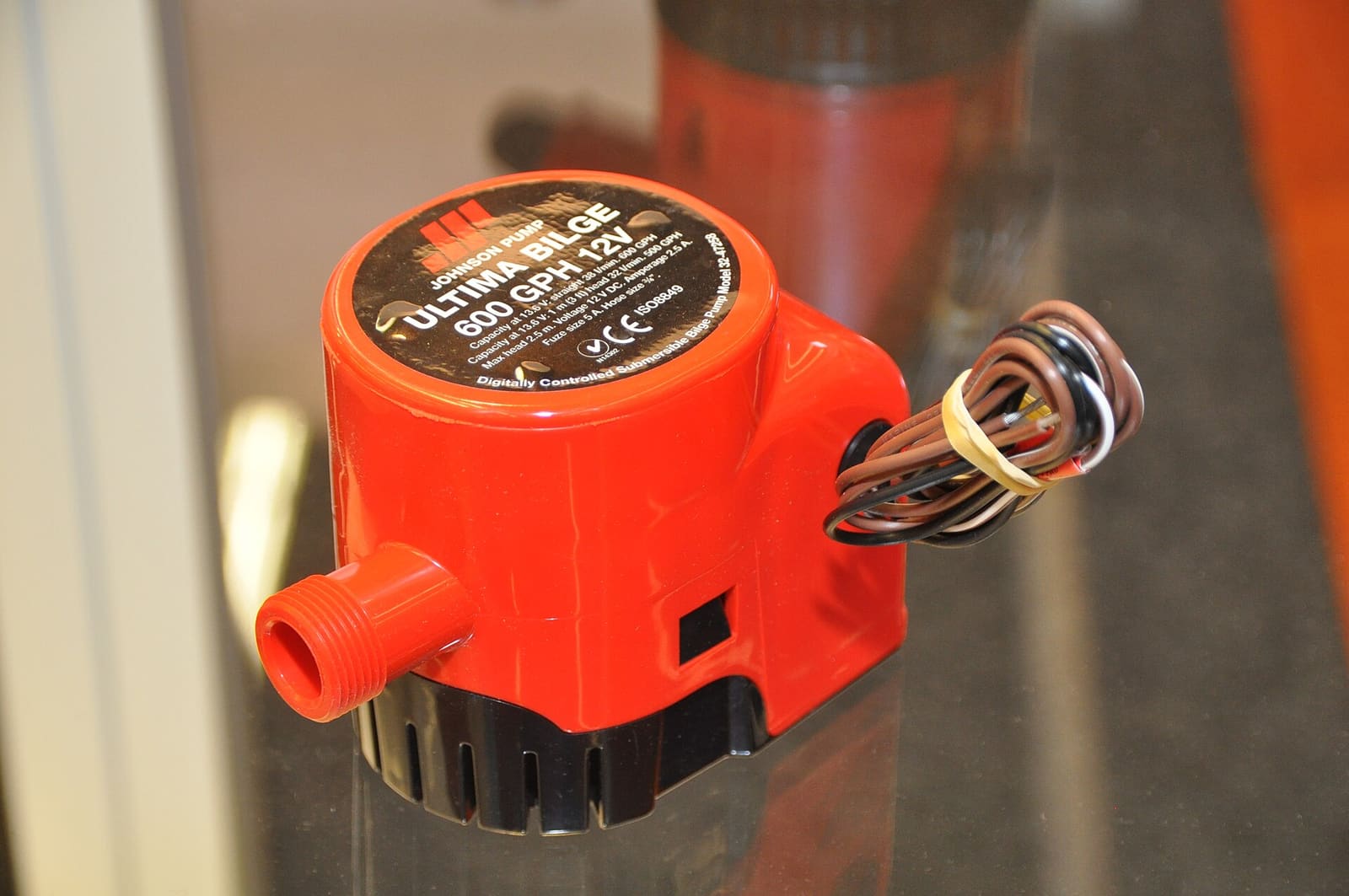
How to Test and Clean Your Bilge Pump and Float Switch
Make sure your bilge pump actually moves water overboard, both on the manual switch and automatically through the float switch. A working bilge pump is one of the most important safety systems on any boat that stays in the water.
Safety: BoatMend is for information only and does not replace a certified marine technician. You are responsible for your safety and your boat. Read the full disclaimer.