Repair & maintenance guides
Plain-English, step by step, written for owners. Pick your engine to see the guides that apply to it.
358 of 509 guides · page 12 of 15
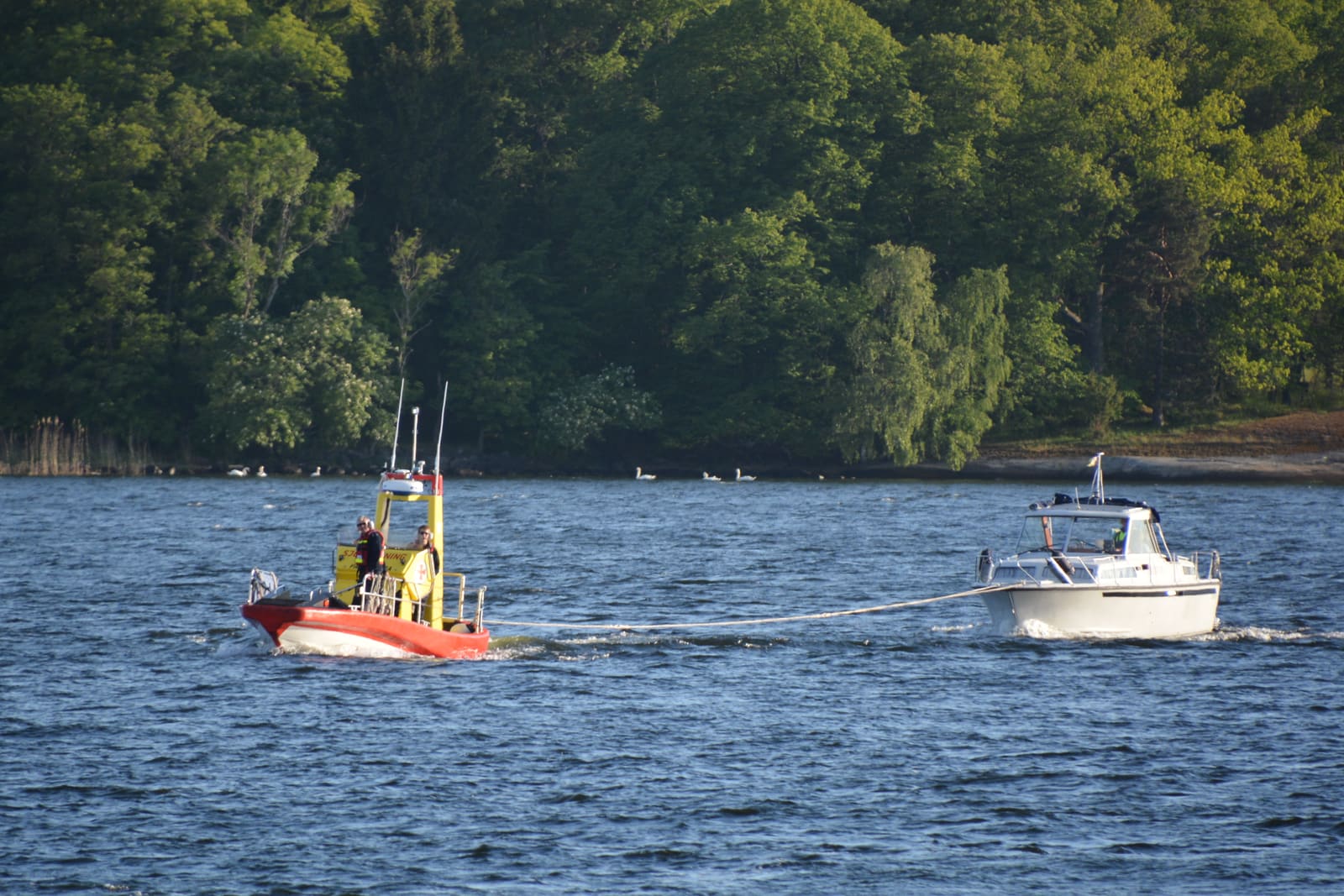
On-Water Towing Plans: BoatUS vs. Sea Tow vs. Your Insurance Towing Coverage
Compare a BoatUS or Sea Tow towing membership with the towing coverage on an insurance policy: what each pays for (tows, soft ungroundings, jump-starts, fuel delivery), why hard groundings and sinkings are salvage that only hull insurance covers, how to call for help, and what to have ready when you do.
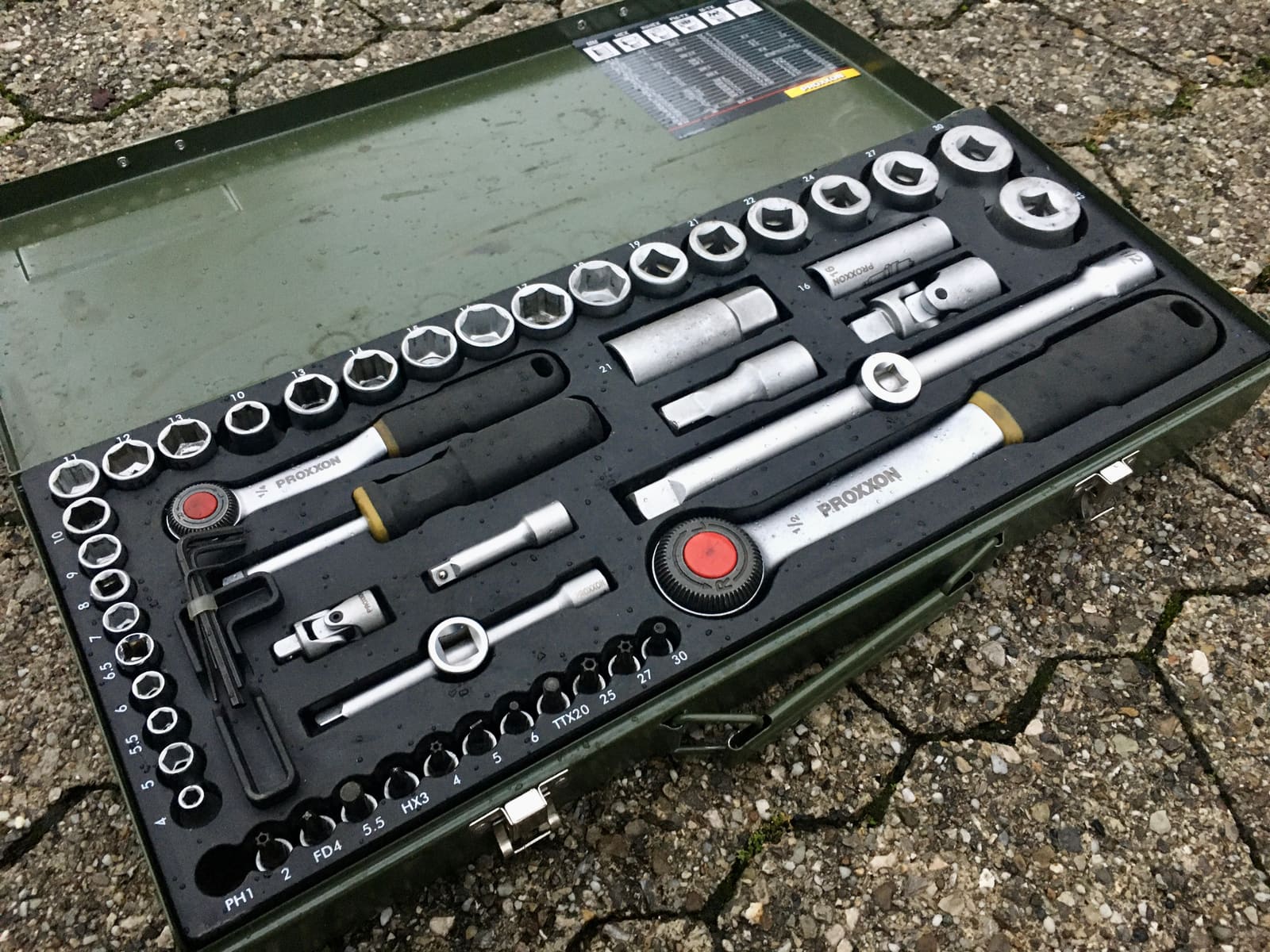
Onboard Tool Kit and Spare Parts: What to Carry on a Day Boat or a Cruiser
Build a tool kit and spares box that fits your boat and how far you go. A blown fuse, a clogged fuel filter or a dinged prop shouldn't end the day or turn into an expensive tow.
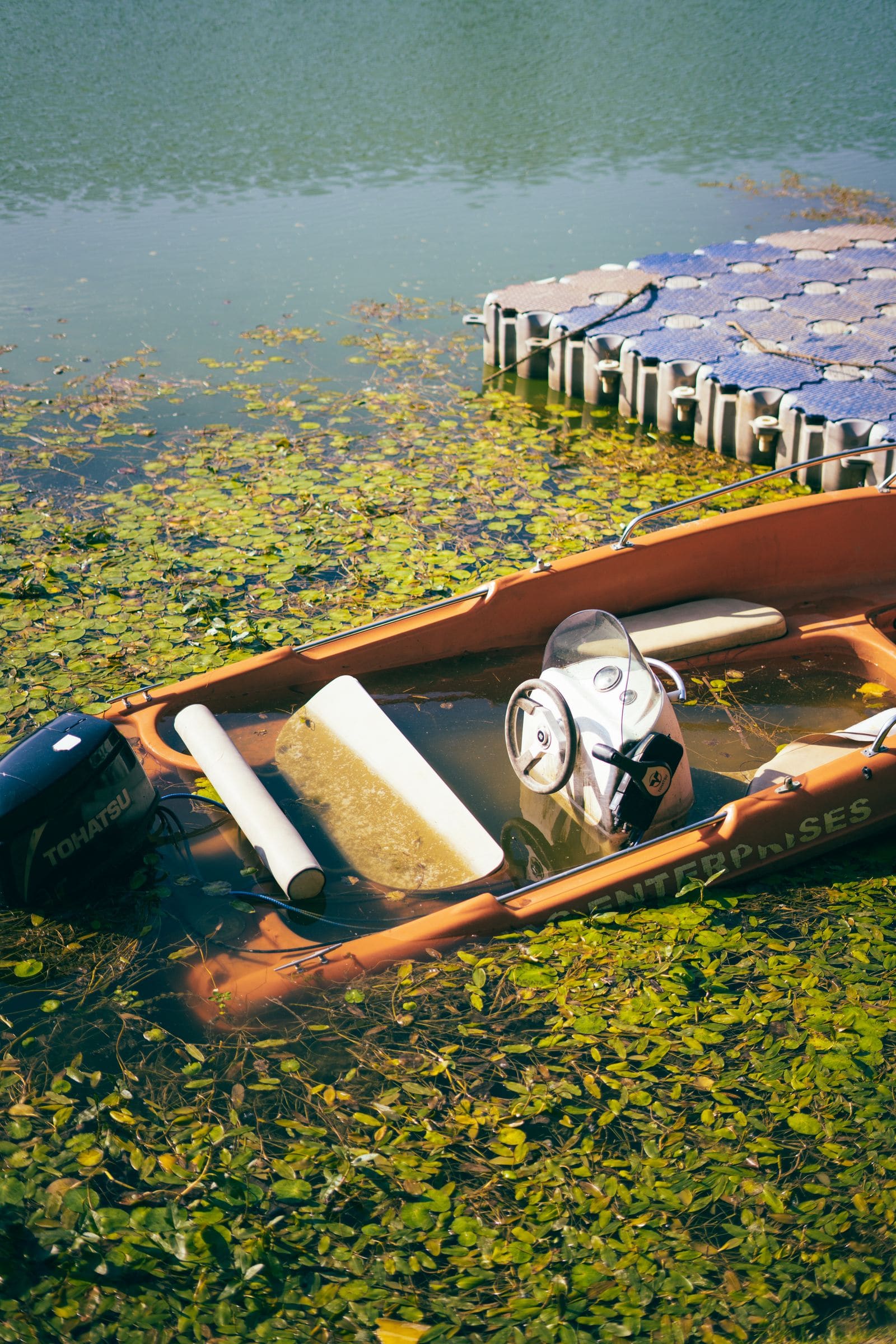
Outboard Fell Overboard or Engine Got Submerged: What to Do in the First Hours
A dunked engine can often be saved, but only if you act fast and in the right order. Learn what to do (and what never to do) in the first hours after an outboard goes overboard or a boat swamps, how to buy time until a shop can take it, and when it is a loss.
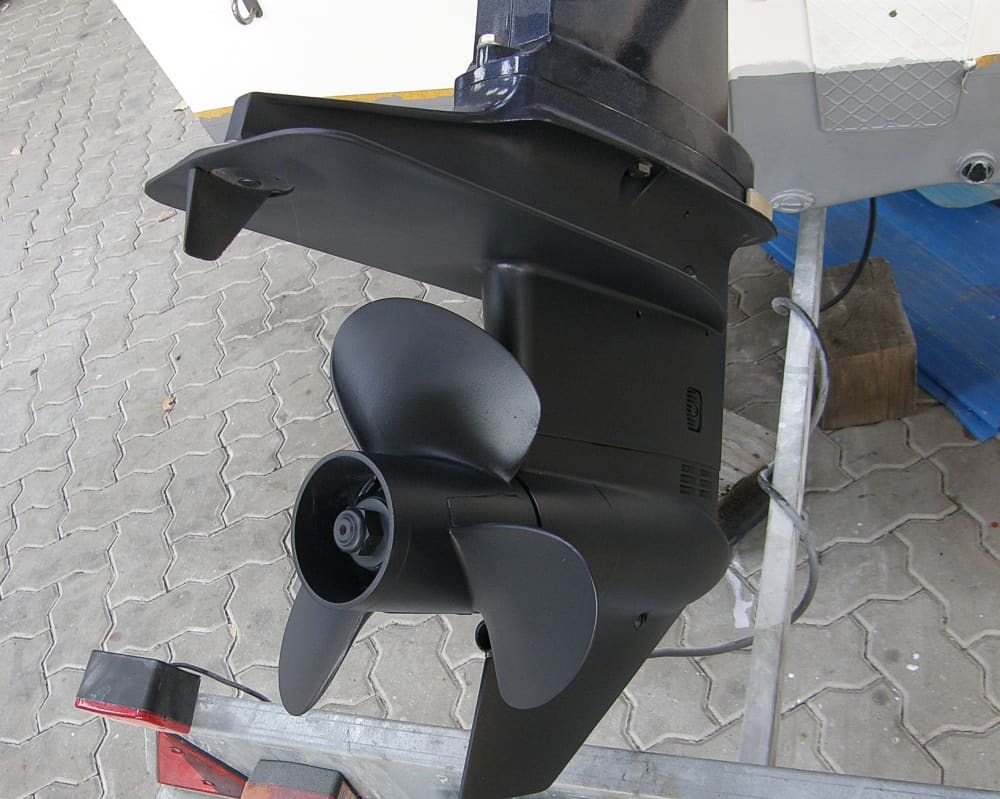
Outboard Hydrofoil Fins: Do They Help, and How to Install One Safely
Learn when a bolt-on hydrofoil (the fin that mounts on the anti-ventilation plate) can help a boat plane sooner or stop porpoising, what it can cost you in top speed and handling, and how to mount one without drilling into an anode, trim tab or speed pickup.
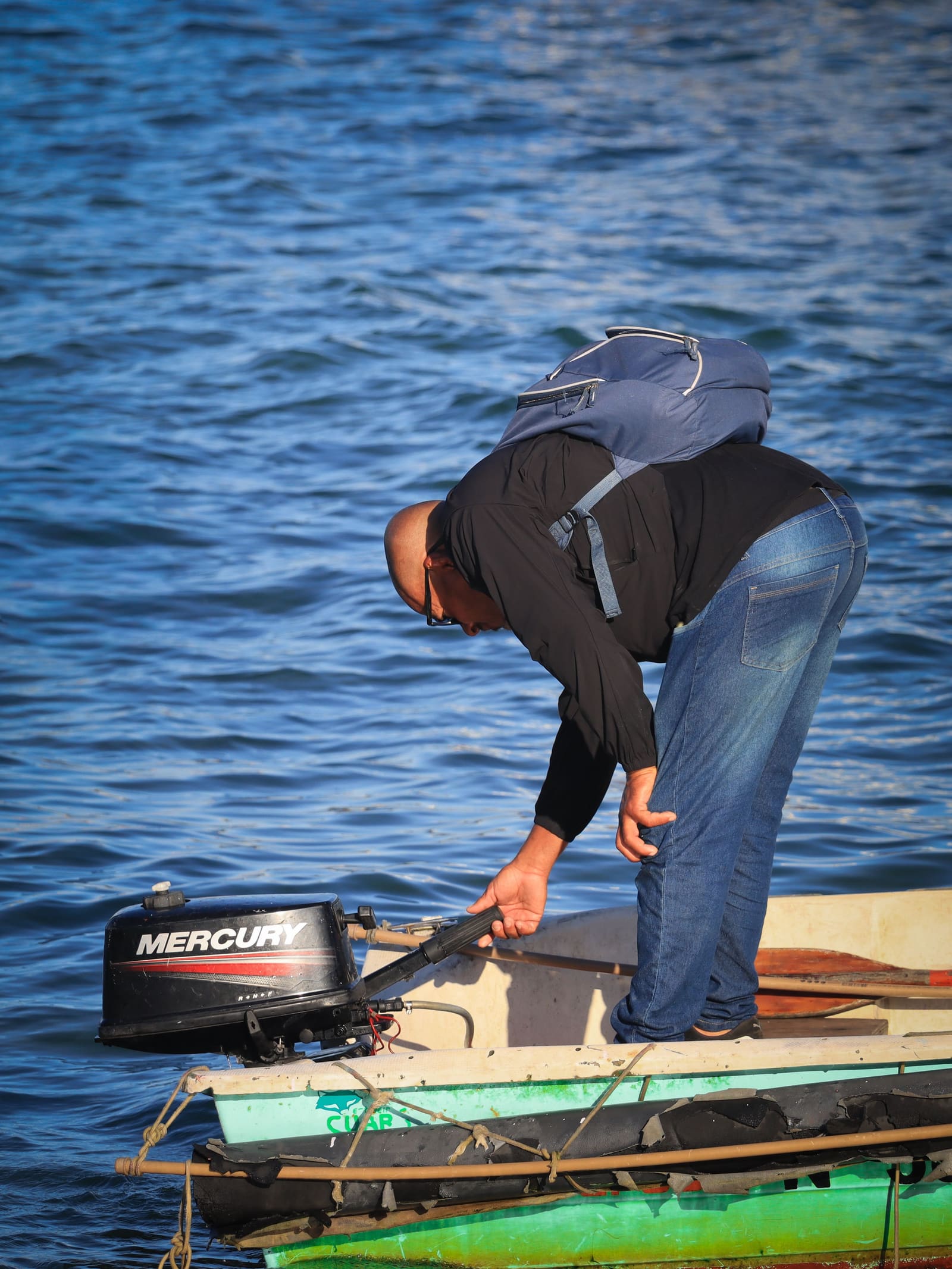
Outboard or Sterndrive Rough or Surging Idle: Find the Cause, Cheapest Check First
An engine that shakes, hunts or surges at idle but runs fine on plane is telling you something specific. Learn how to read the pattern, then work in order from free checks (warm-up, tank vent, primer bulb, fuel) through plugs, air leaks, carburetor idle circuits and the idle air control valve, and know when it's time for a compression test or a dealer scan.
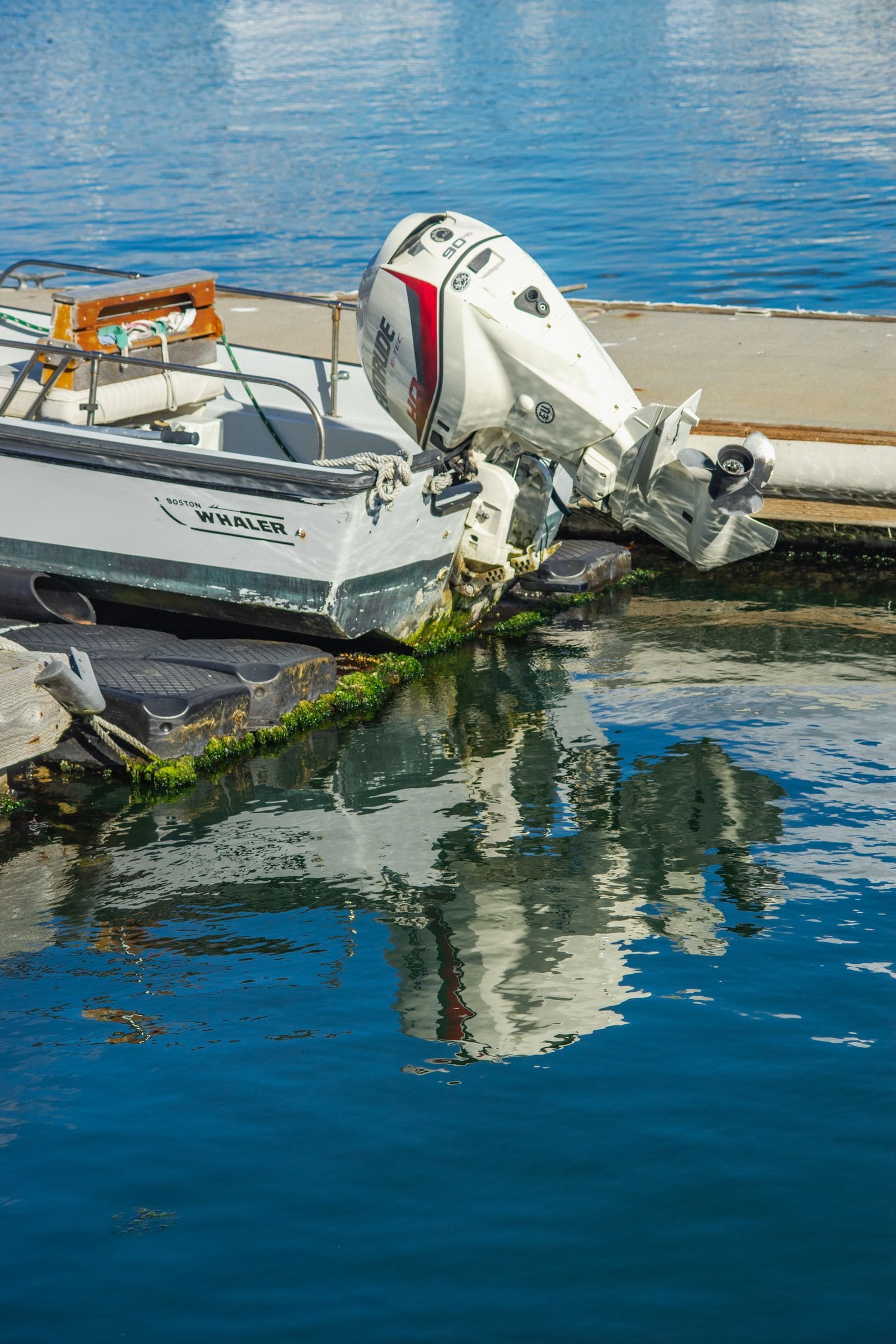
Outboard or Sterndrive Vibration - Troubleshooting Guide
Track down a new shake or buzz by noting when it happens (neutral or in gear, which rpm), then check the prop, hub, shaft, mounting bolts, motor mounts, engine height and misfires in order, from the simplest to the most serious.
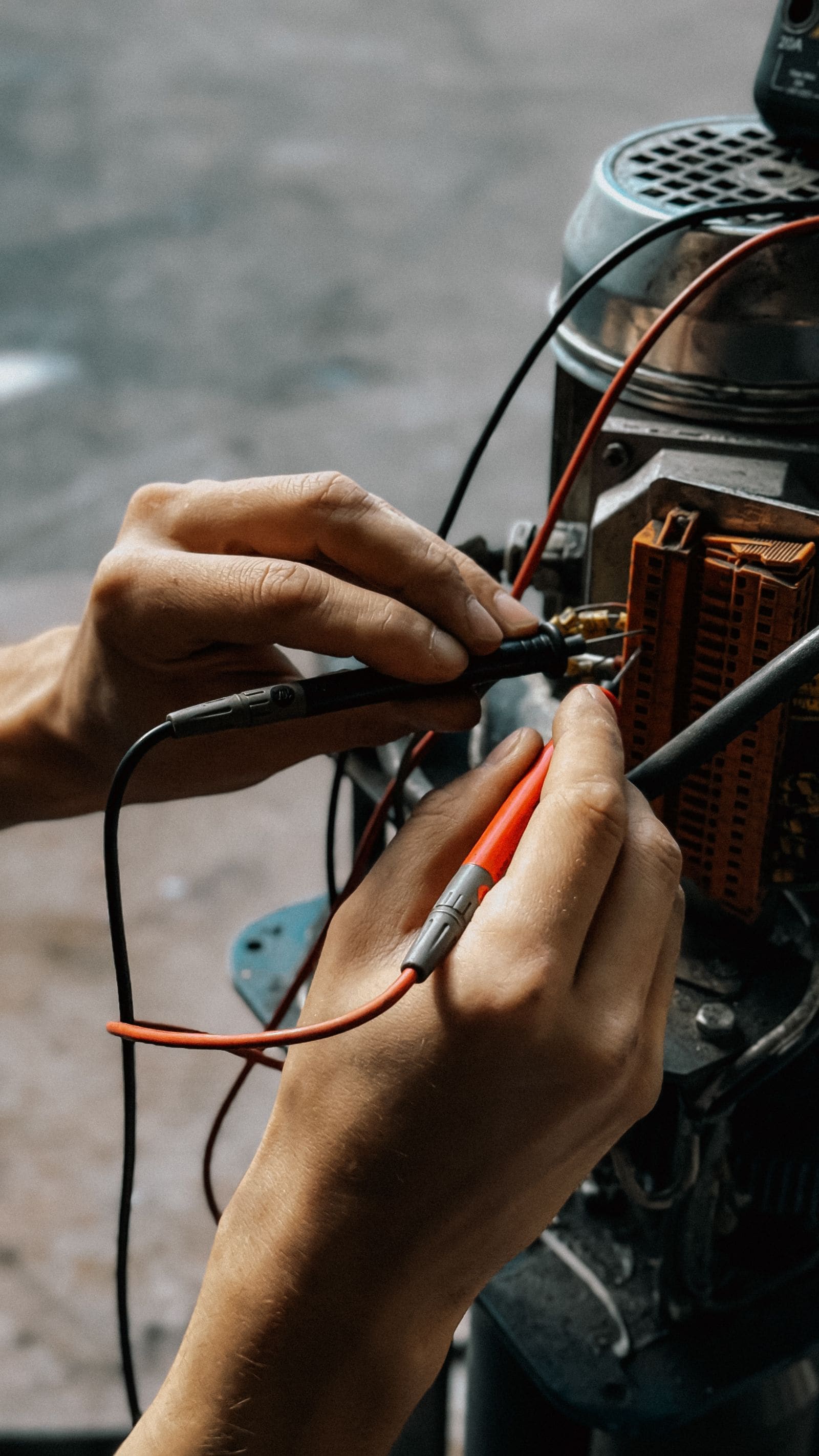
Outboard Stator and Rectifier/Regulator: Symptoms, Safe Owner Checks and When to Hand Off
Most outboards charge the battery with a stator under the flywheel and a rectifier/regulator. Learn how to read the symptoms of undercharging, overcharging and intermittent charging, what voltage checks and inspections an owner can safely do, and which tests and repairs belong to a technician with the service manual.
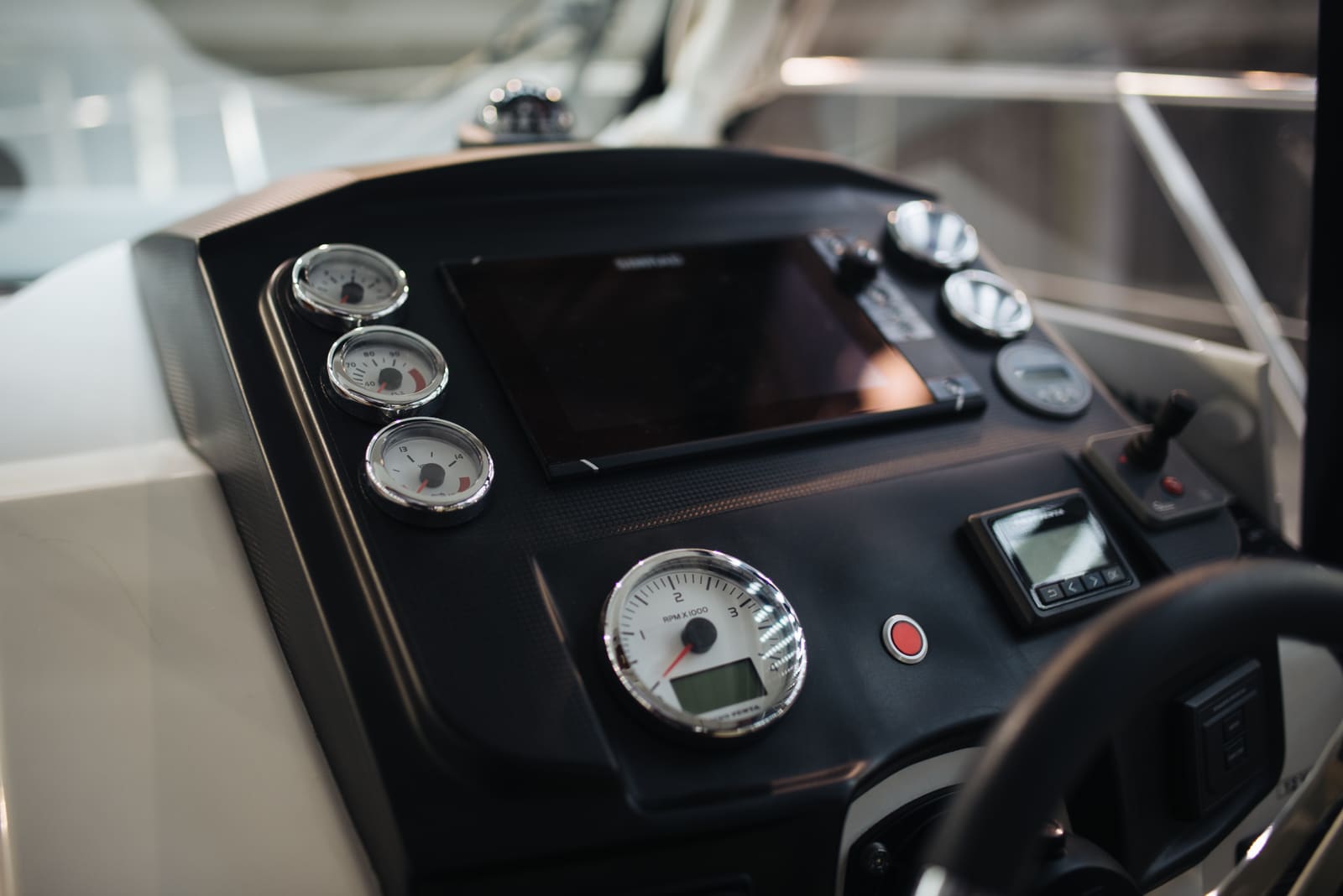
Overheat Alarm: What to Do in the First 60 Seconds
A short, practiced routine for the moment the temperature alarm goes off: take the load off, look for cooling water, shut down if it isn't there, and check every space the exhaust runs through for heat or fire. Based on a June 2026 Coast Guard safety alert about a fatal fire that started with an overheat alarm.
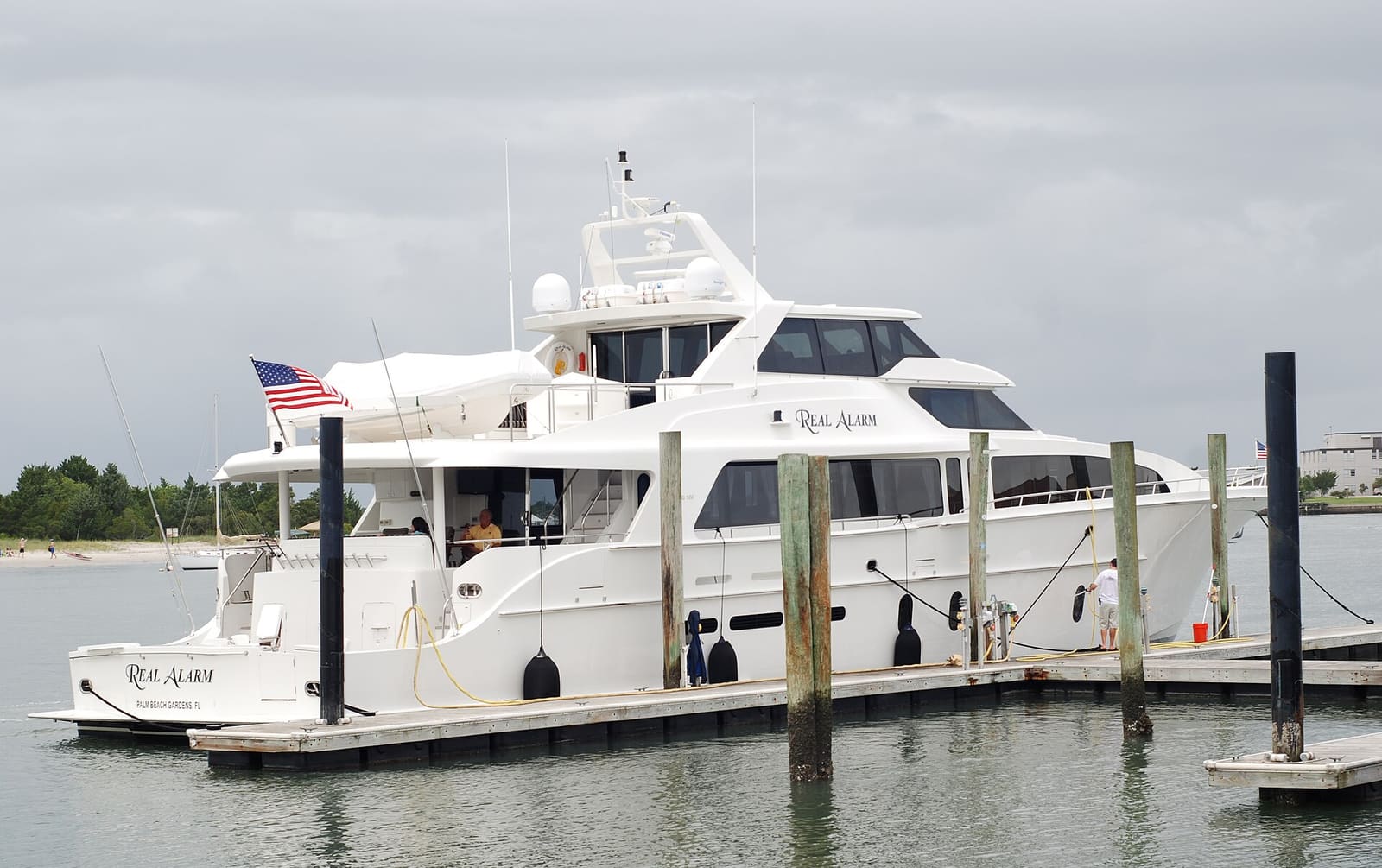
Owning a Boat in an LLC or Trust: Reasons, Registration, Coast Guard Documentation, Taxes and Insurance
Why some owners put a boat in an LLC or a trust, what it does and doesn't do for liability, how it changes state titling and Coast Guard documentation, why states go after out-of-state LLC tax schemes, and how to keep the insurance, loan and paperwork lined up. General information, not legal or tax advice.
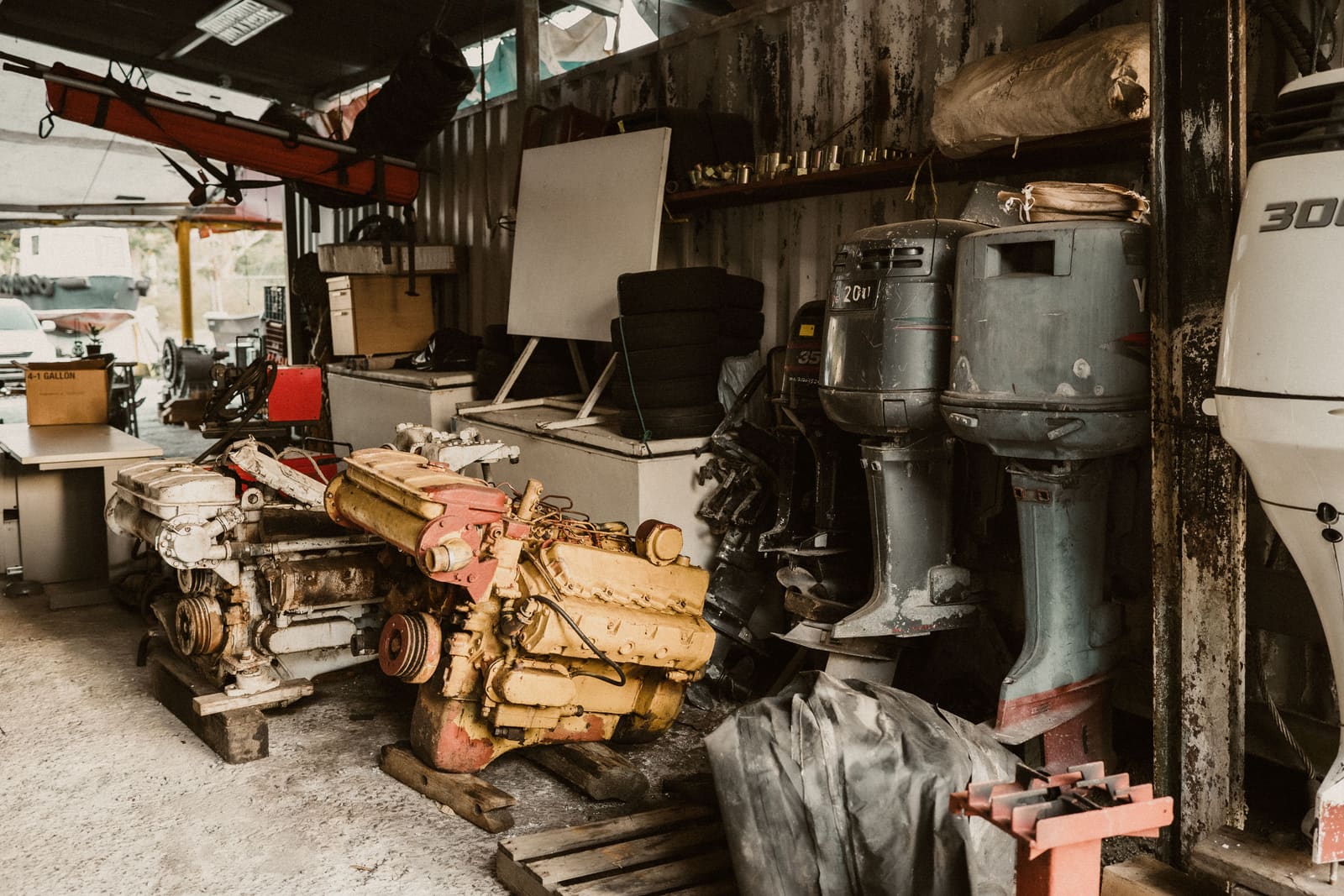
Planning a Repower: Horsepower Limits, Transom, Rigging, Prop and Costs
Putting a new engine on a boat you love can cost far less than a new boat, but only if the plan is right. Learn how to read the capacity plate for maximum horsepower and weight, check the transom, sort out controls, gauges and rigging, budget for the prop and the extras, and decide between a dealer installation and doing it yourself.
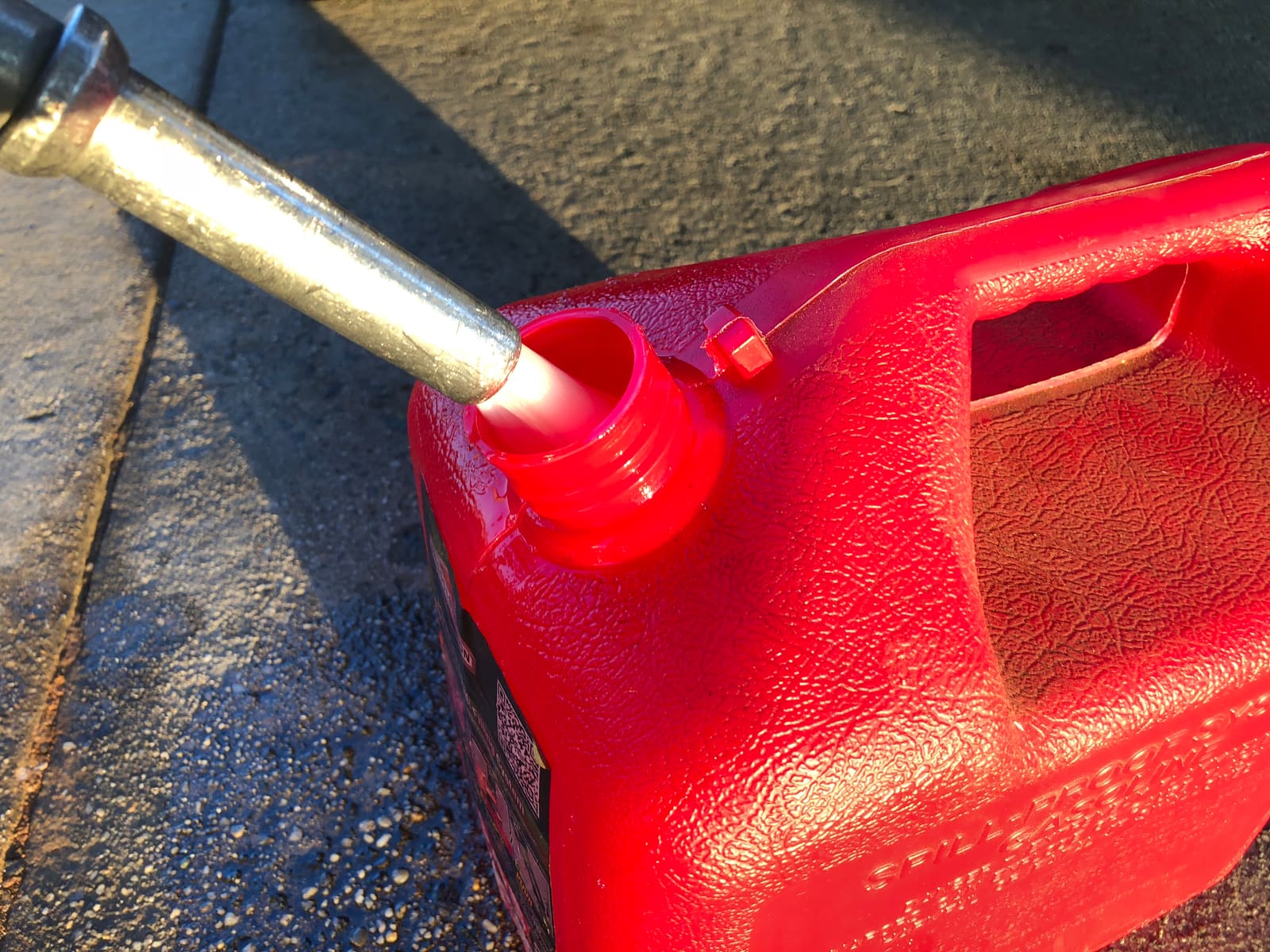
Portable Gas Cans and Fuel Storage: Filling, Storing at Home and Aboard, and Getting Rid of Old Gas
Gas cans and portable boat tanks are handy and dangerous in equal measure. Learn what makes a modern can compliant, why you always fill it on the ground, how to store gasoline at home and on the boat, how long ethanol fuel really lasts, and how to dispose of old gas legally.
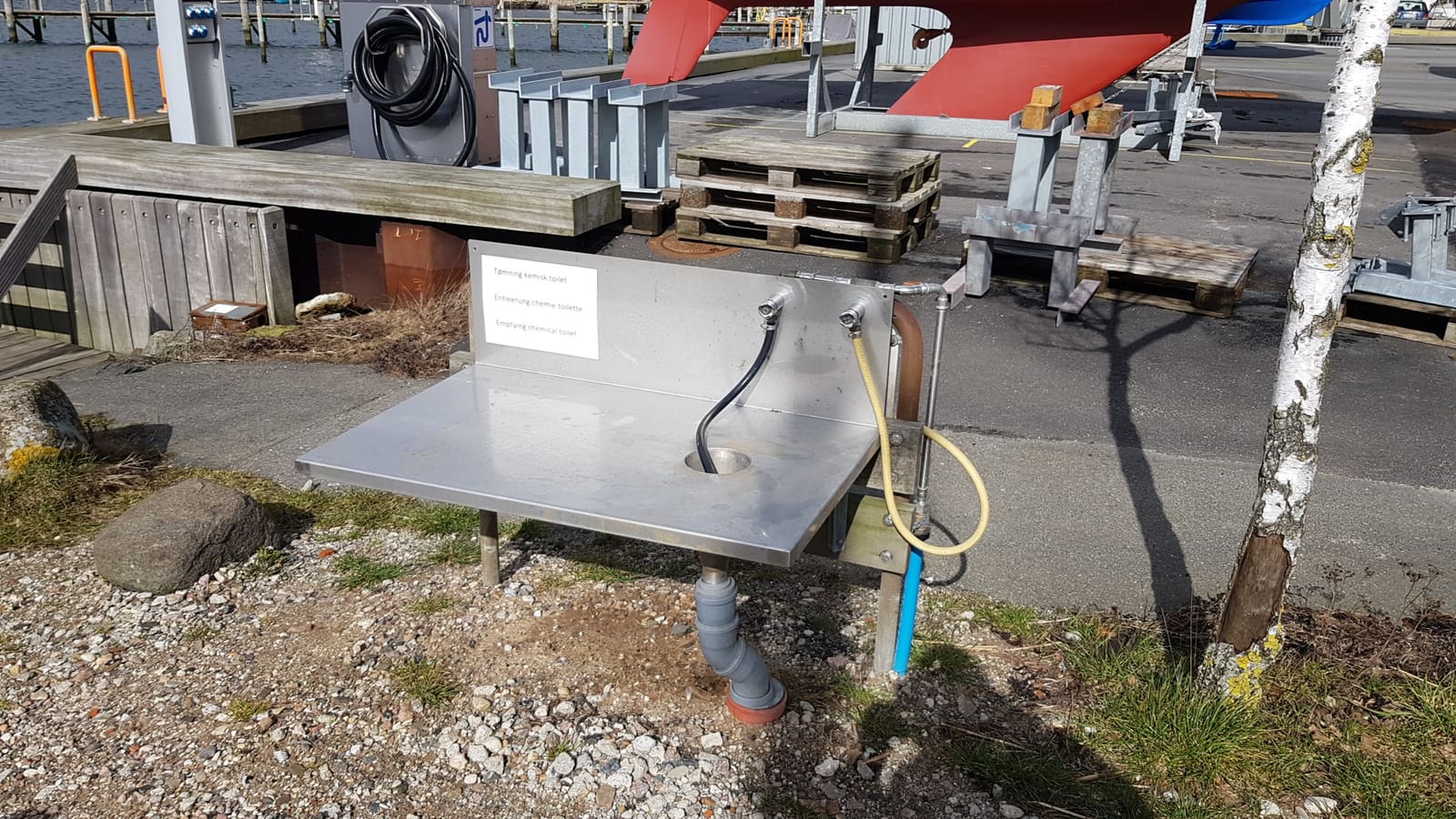
Portable Toilets on Boats: Emptying, Chemicals, Odor, Seals and Winter Storage
A portable toilet (Porta Potti type) is the simplest legal head for a small boat, as long as it is emptied the right way. Learn where to dump it, which chemicals to use, how to stop odor and leaks, how to secure it aboard, and how to store it for winter.
Power Trim Only Goes Up or Only Down: Relays, Switches and Wiring
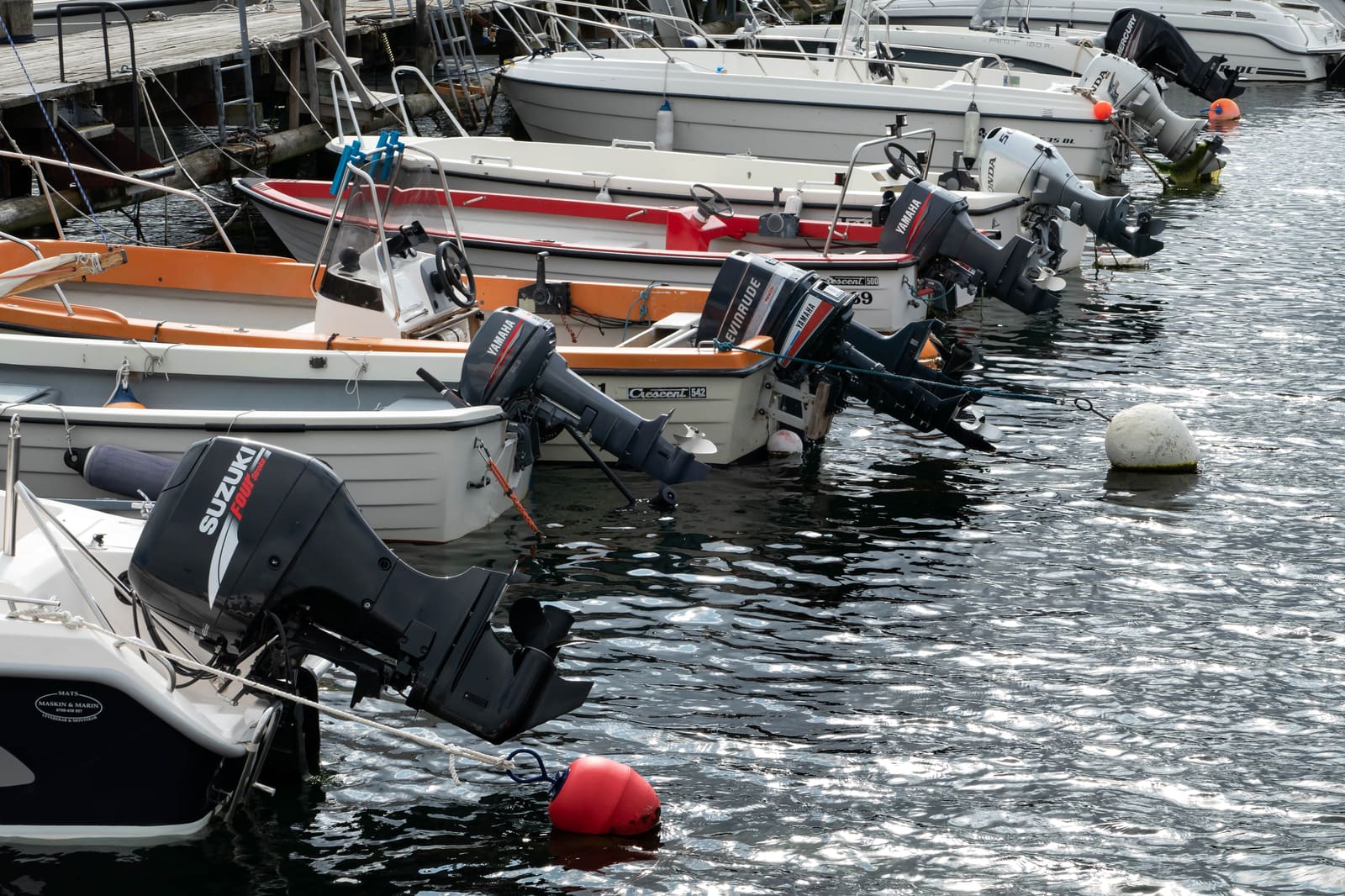
When your outboard or sterndrive trims one way but not the other, the cause is usually electrical: a relay, a switch, a corroded plug or a wire. Learn how the up and down circuits work, how to swap-test the relays, how to tell the helm switch from the cowl switch, and how to tell an electrical fault from a hydraulic one.
Powering a Big Boat Sound System: Amplifier Draw, an Audio Battery and Charging
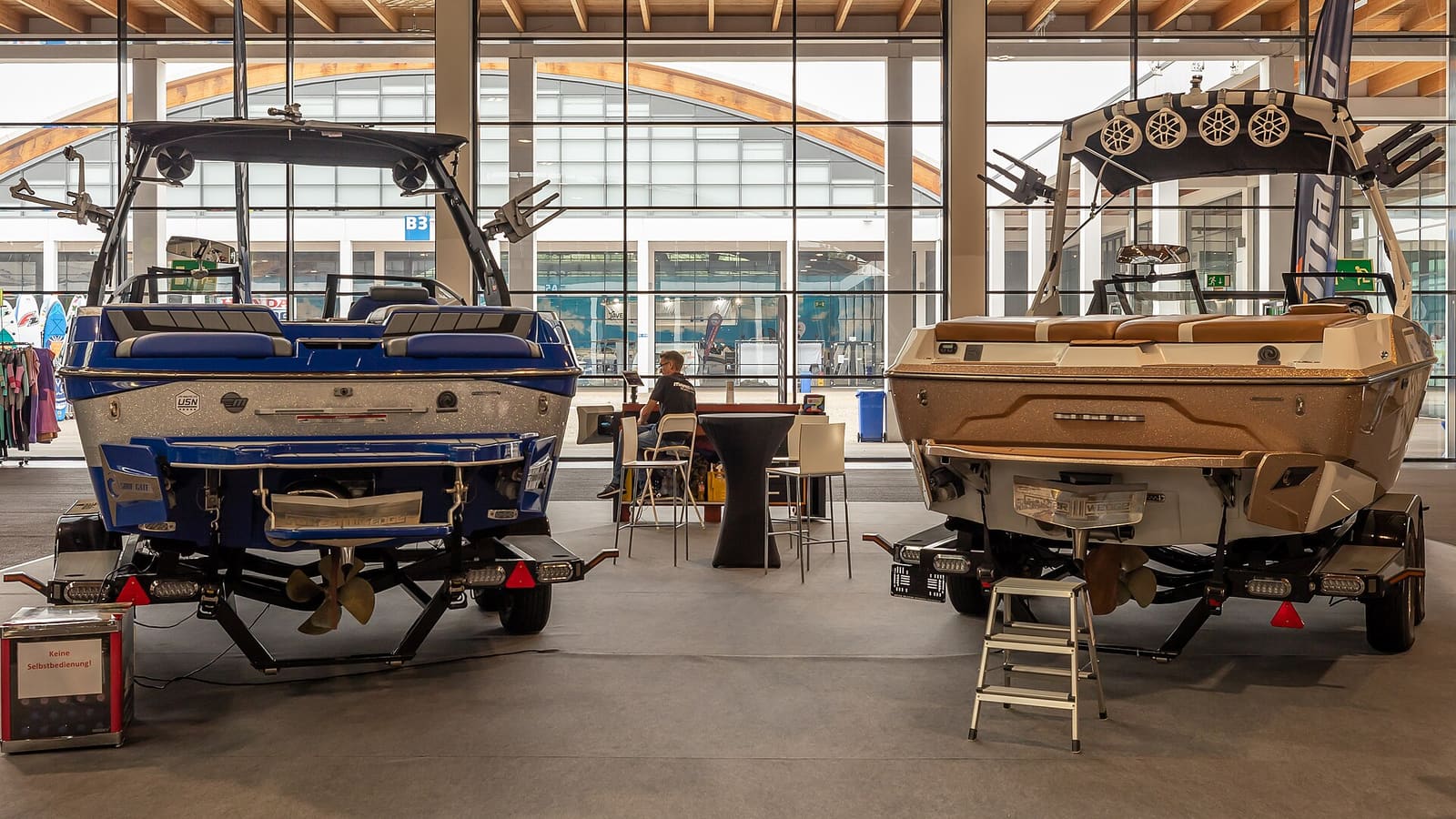
Work out how much current your amplifiers really pull, size a dedicated audio battery, keep it charged with an automatic charging relay or isolator, and fuse and wire it so a long day of music never leaves you unable to start the engine.
Prop Ventilation vs. Cavitation - Why Your Engine Revs Up and the Boat Loses Grip
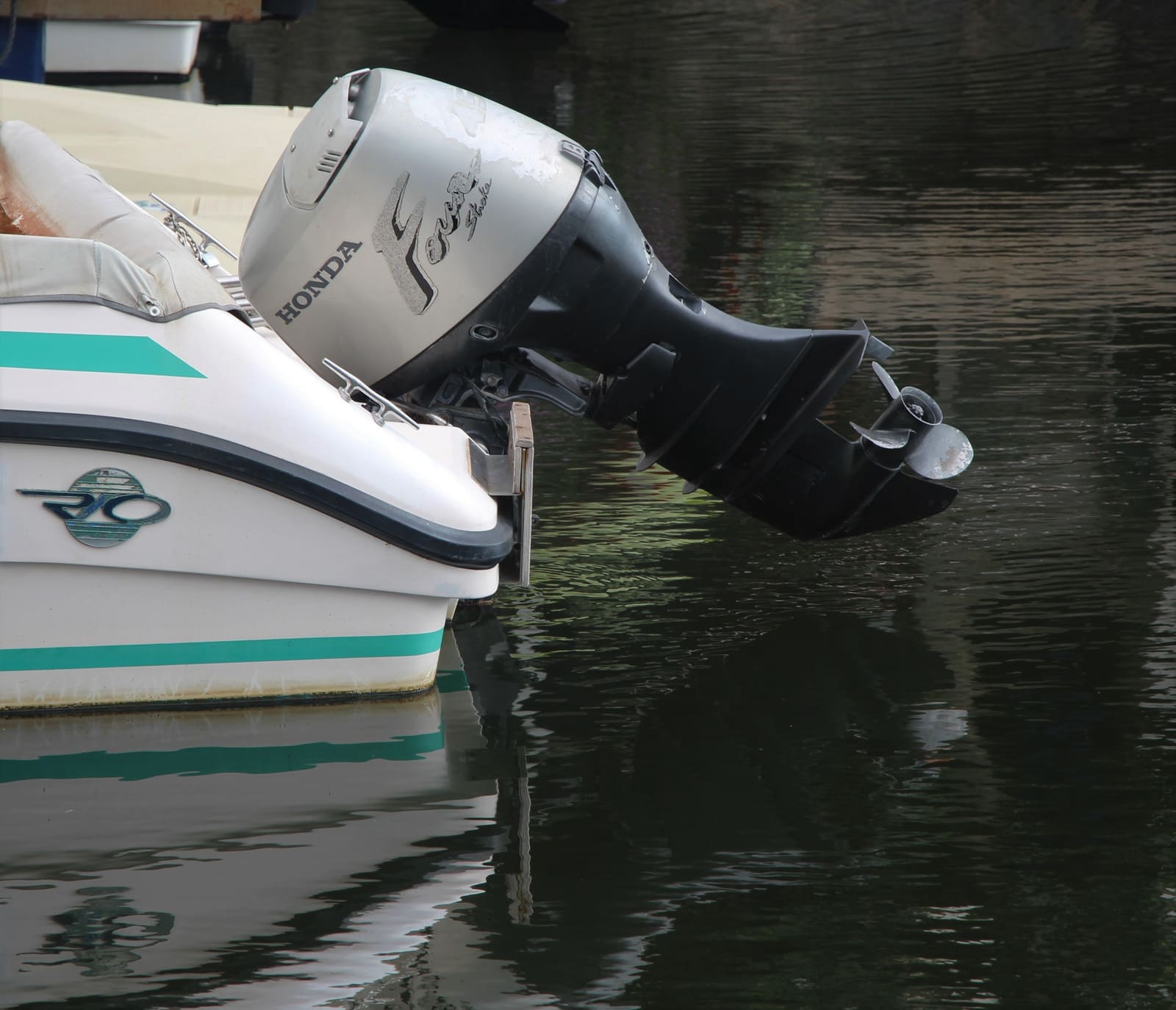
Sudden RPM spikes, blowouts in turns, or a prop that slips when you accelerate are usually ventilation, not cavitation. Learn to tell them apart, then work through the fixes in order: trim, load, prop damage, the hull ahead of the prop, engine height, and finally a different prop.
Propeller Care: Inspect, Remove, Replace and Choose the Right Pitch
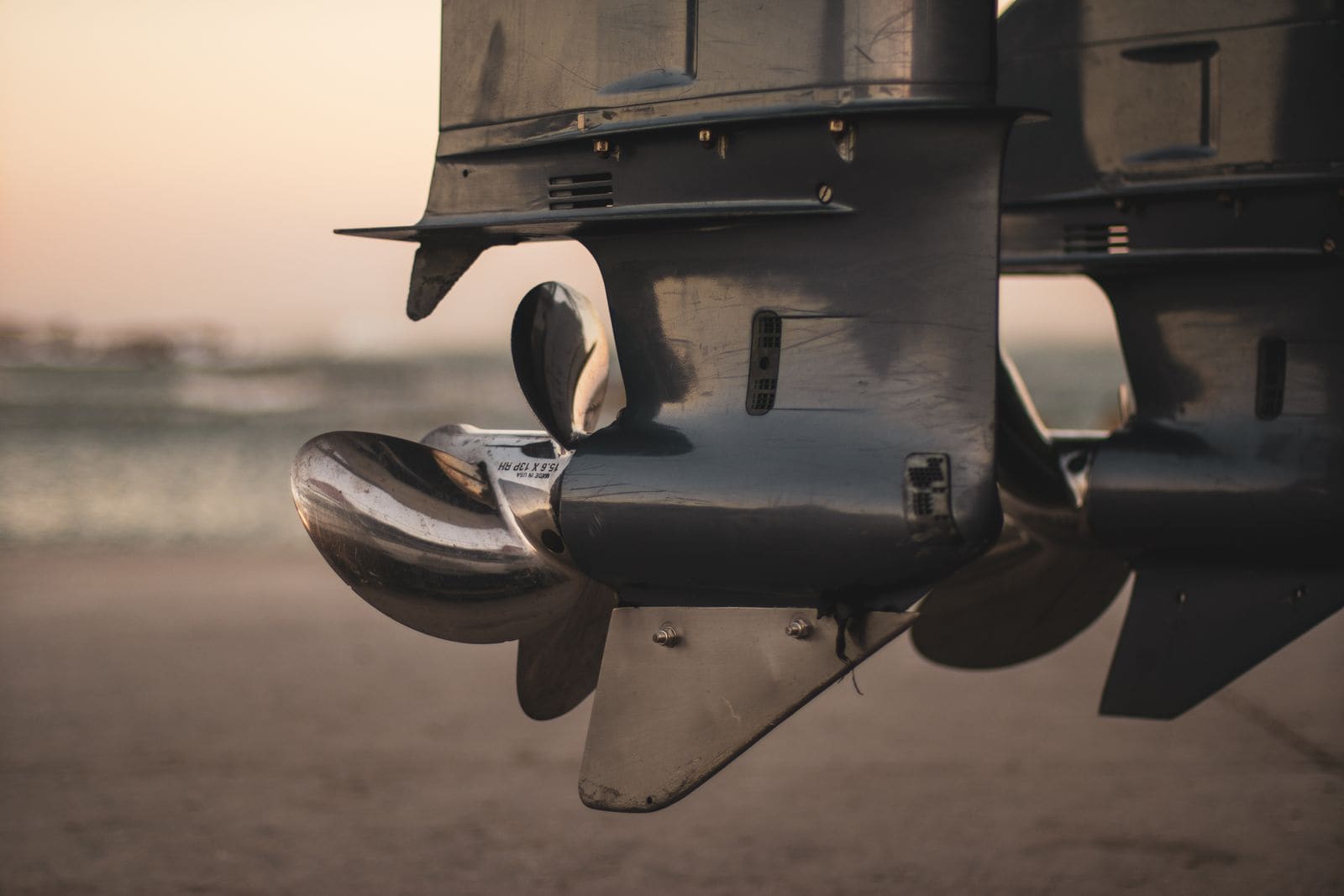
Check your prop for damage, pull it to clear fishing line and grease the shaft, reinstall it correctly, and learn how pitch affects your engine's wide-open-throttle RPM. The right prop in good shape protects your engine and often makes the boat run better and use less fuel.
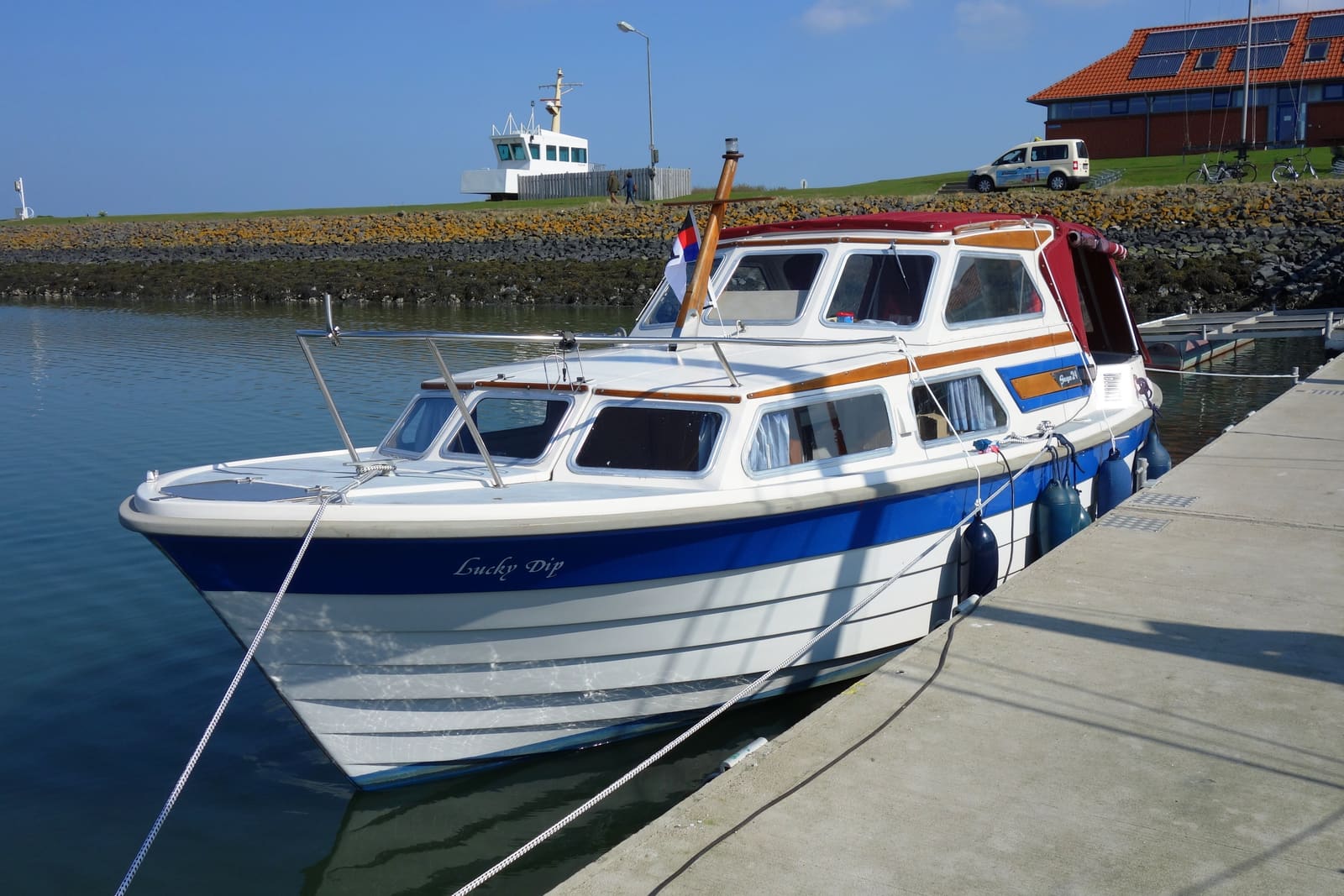
Protecting a Docked Boat: Mooring Whips, Bumpers, Fender Boards and Chafe Gear
Set up your dock or slip so wakes, wind and tides don't grind your hull against it, using mooring whips, dock bumpers, fender boards, spring lines and chafe gear, and know what these can and can't do in a storm.
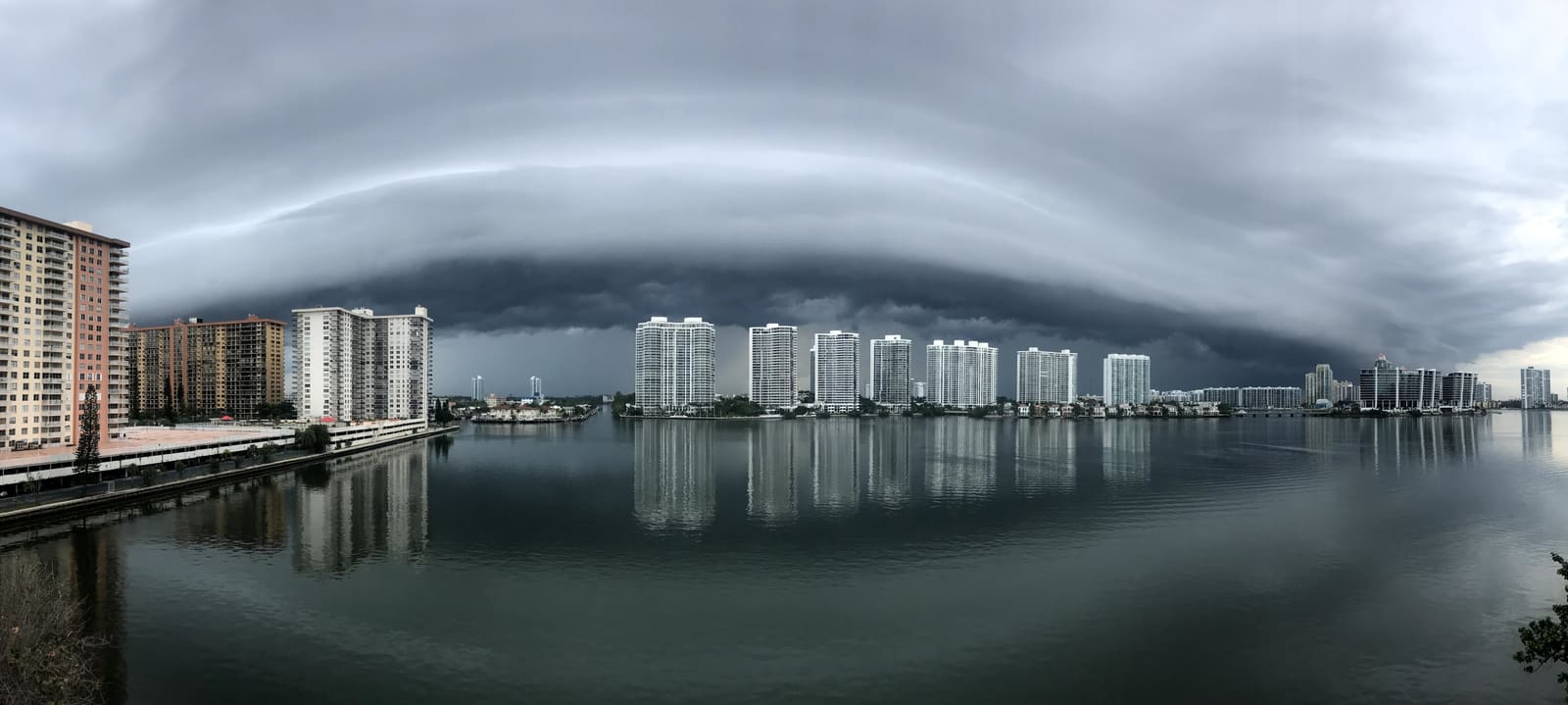
Reading Marine Weather Forecasts: Advisories, Wind, Waves and Go/No-Go
Learn where to get the official NOAA marine forecast for your waters, what small craft advisories and warnings really mean, how to read wind and wave numbers, and how to make a simple go/no-go call before you leave the dock.
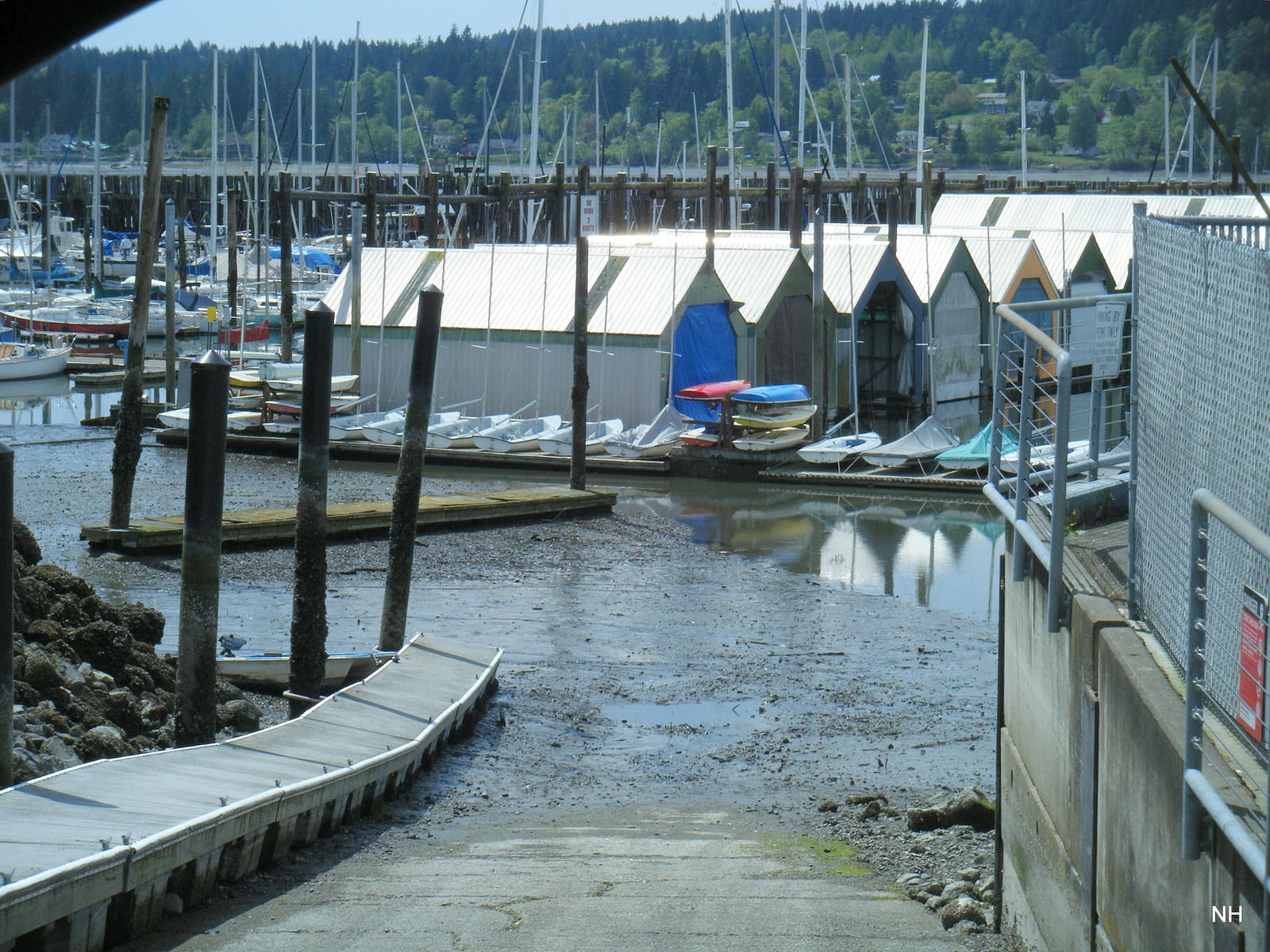
Reading NOAA Tide and Current Predictions for Trip Planning (MLLW, Slack Water and Bridge Clearance)
Tide is the water going up and down; current is the water moving sideways, and their timing doesn't always line up. Learn to find the right NOAA station, read high and low tides against chart datum (MLLW), find slack water and peak current, check bridge clearance against mean high water, and plan launches, anchoring and inlet crossings around them.
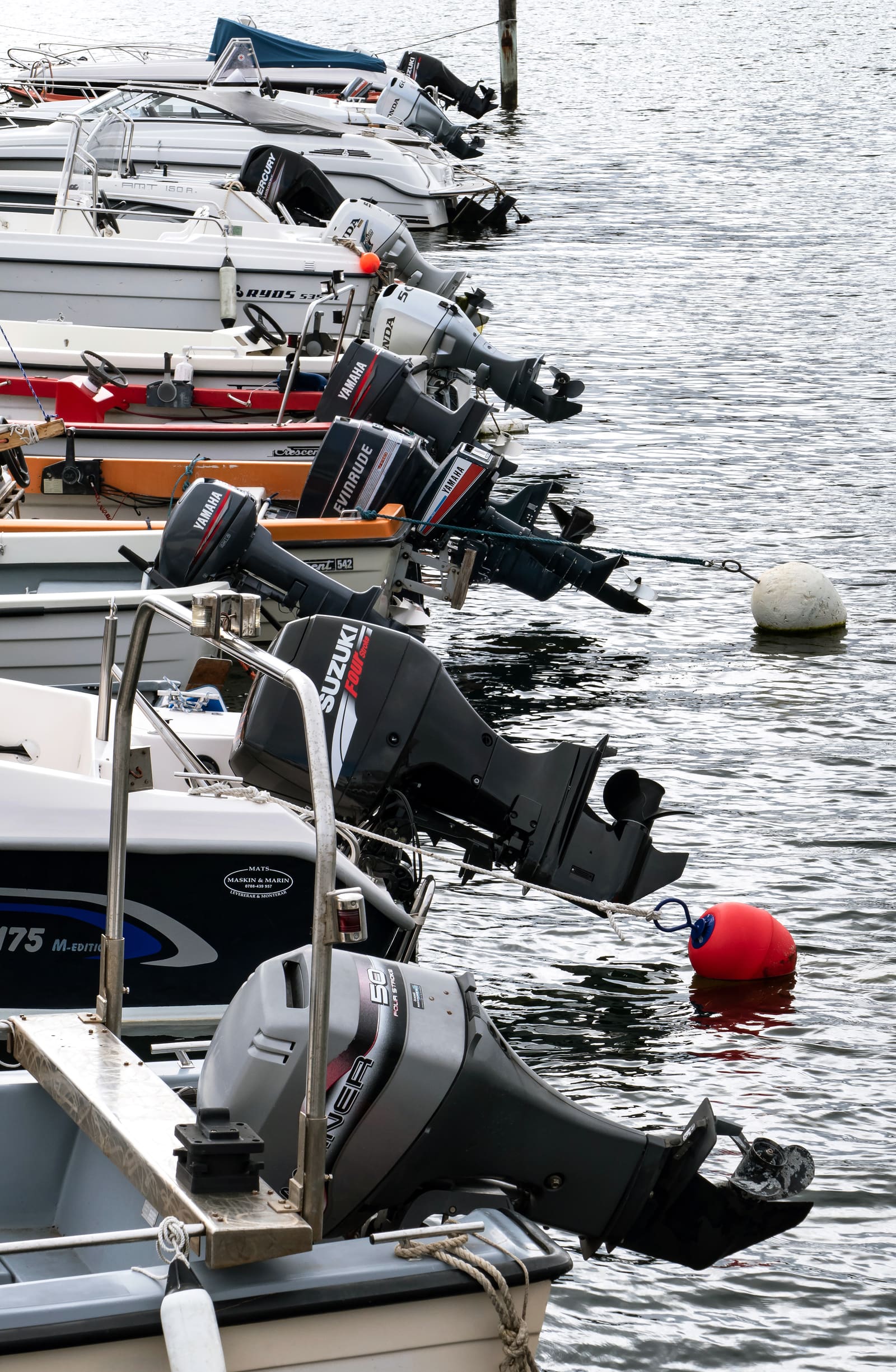
Reading Your Boat's Capacity Label (Old and New 2026 Format) and What It Means for a Repower
Learn to read every line of your boat's capacity plate, including the new ABYC S-7 label the Coast Guard accepted in July 2026 with its maximum outboard motor running weight, and use it to check a load or a repower before you spend money. Practical guidance, not legal advice.
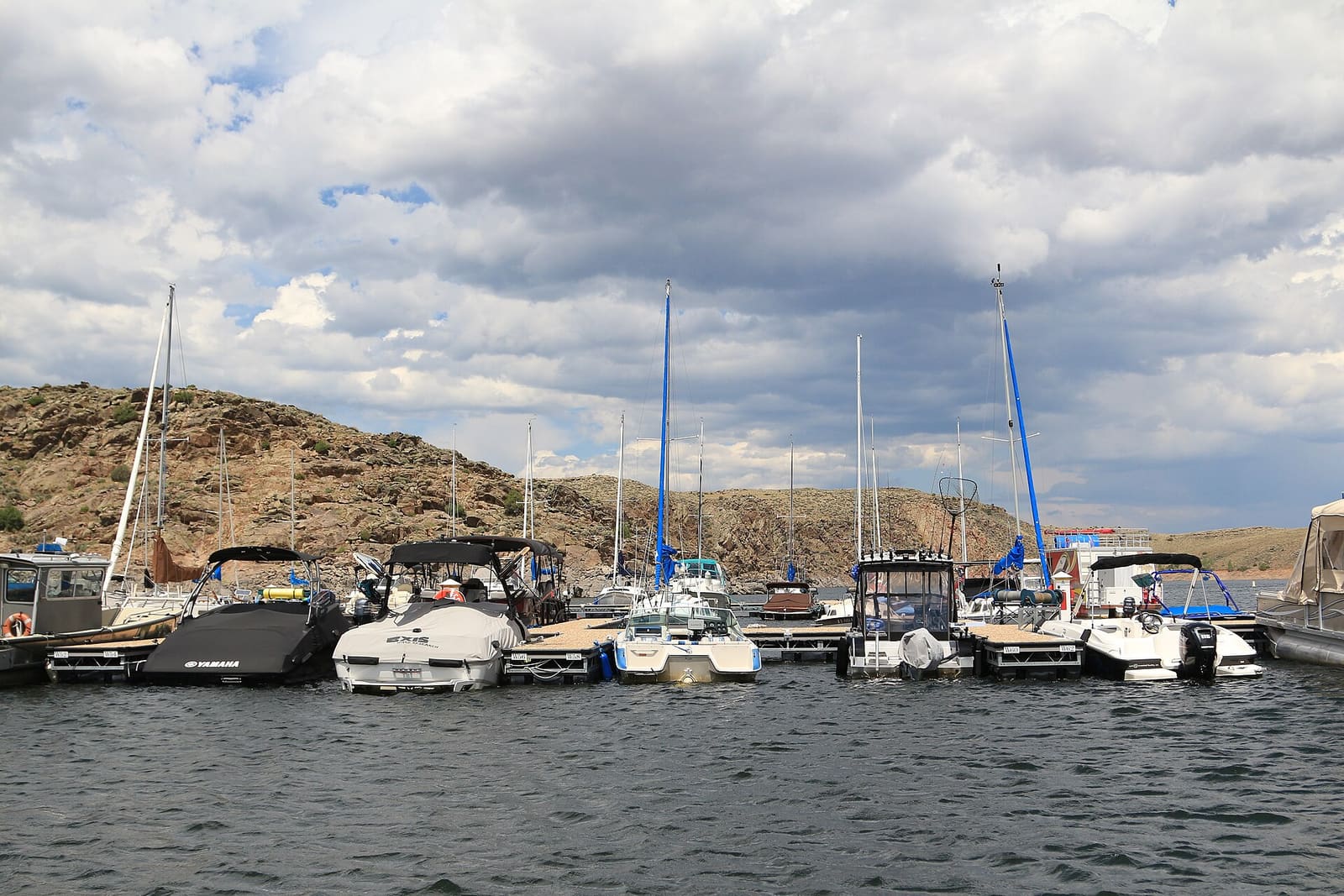
Remote Boat Monitoring: Bilge, Battery, Shore Power and GPS Alerts on Your Phone
Choose, install and set up a system that texts you when your unattended boat is taking on water, losing battery or shore power, or moving without you. Covers cellular versus satellite, what each sensor really tells you, wiring it so it stays on, sensible alert settings and what happens to your location data.
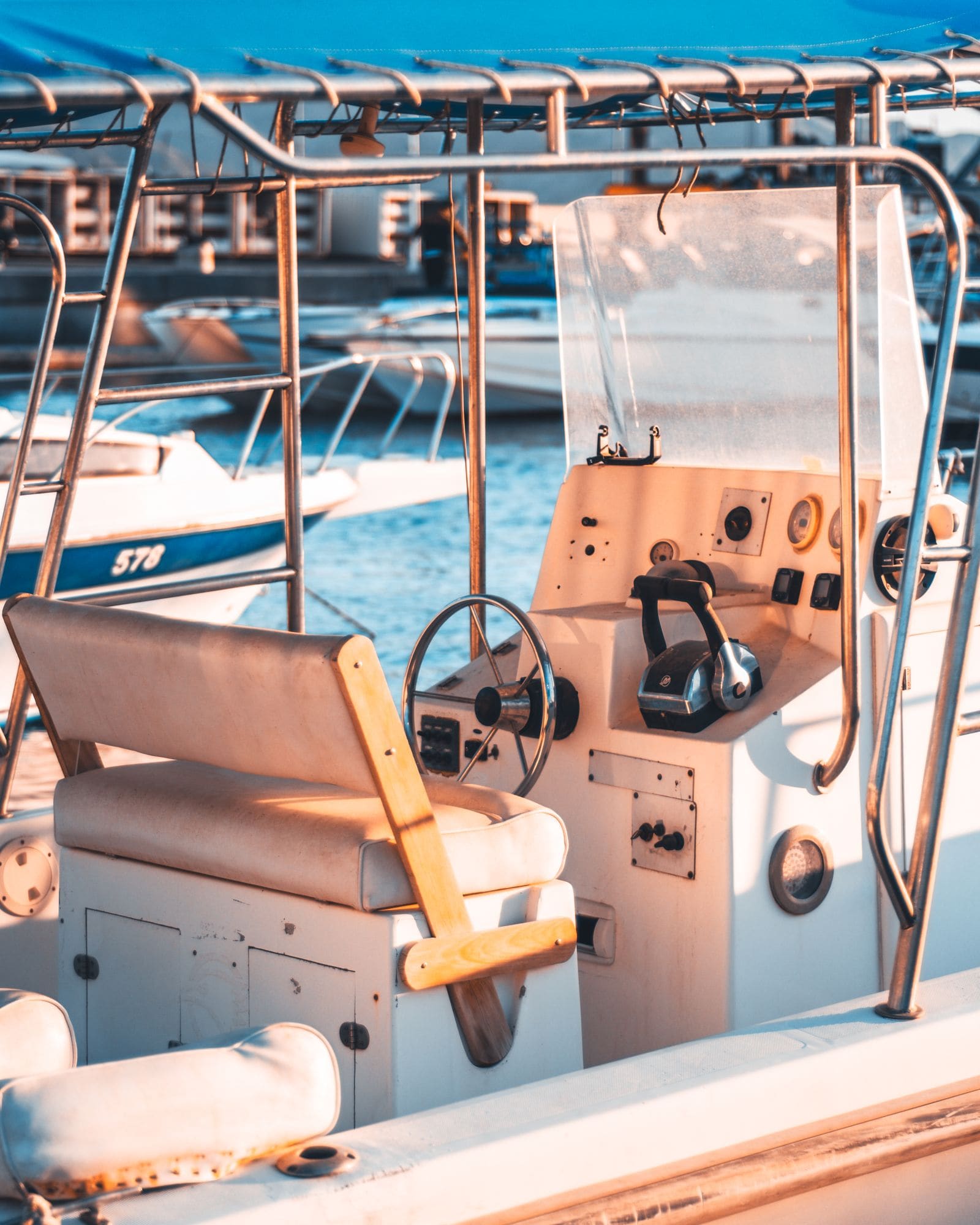
Remote Control Box Troubleshooting: Stiff Lever, Won't Crank, Trim Switch
The throttle and shift control at the helm (side-mount or binnacle) takes a beating. Learn how to find out why the lever is stiff, why the engine will not crank even with a good battery, why the trim button on the handle quit, and when the whole control box should be replaced along with its cables.
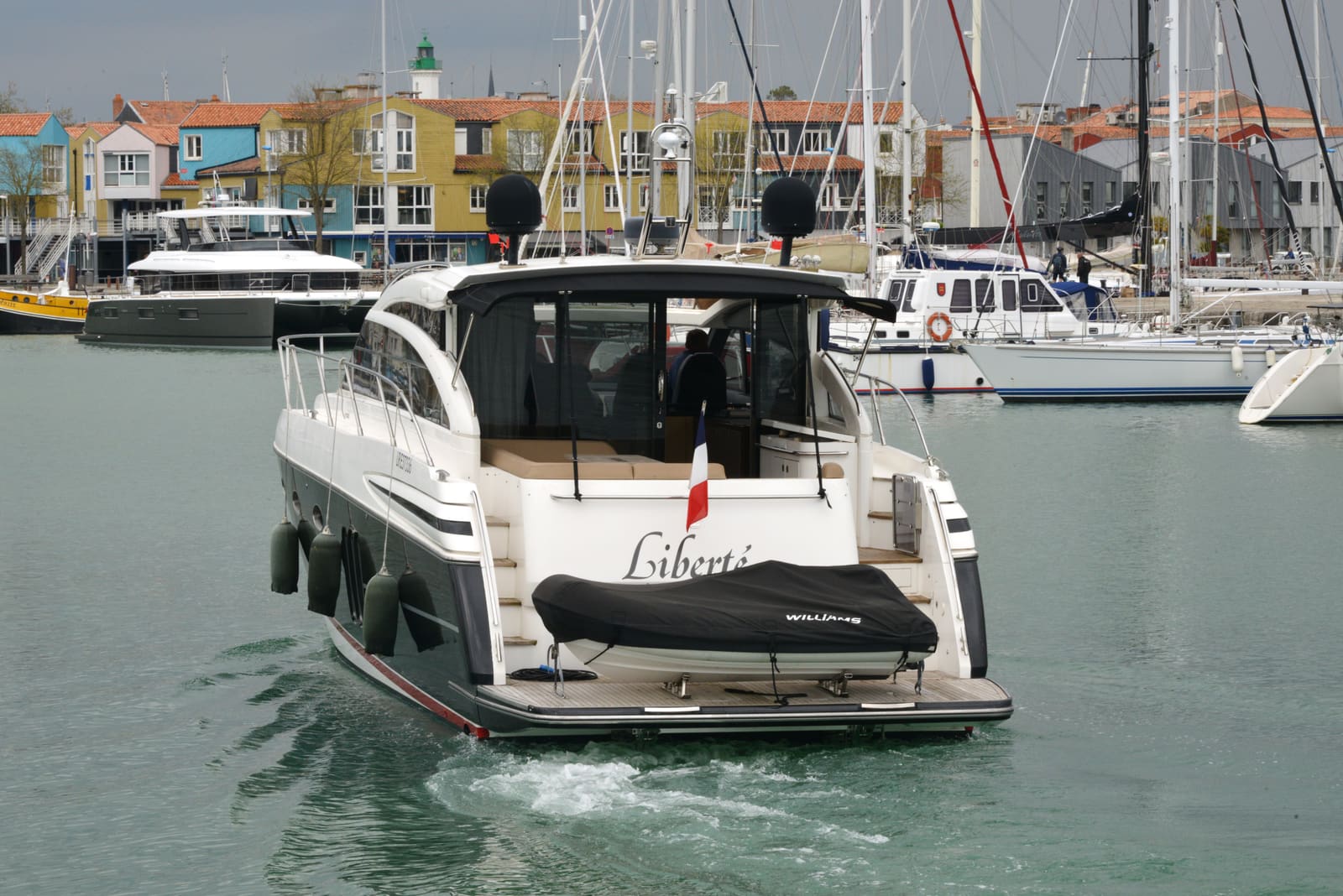
Renaming a Boat: Paperwork, Removing the Old Name and the Optional Ceremony
Change your boat's name the right way: what a state-registered boat needs versus a Coast Guard documented boat (name change and hailing port go through the NVDC before you letter the hull), getting every trace of the old name off, lettering rules for documented boats, who else to tell (insurer, marina, MMSI, EPIRB, AIS), and the traditional renaming ceremony if you want the fun.
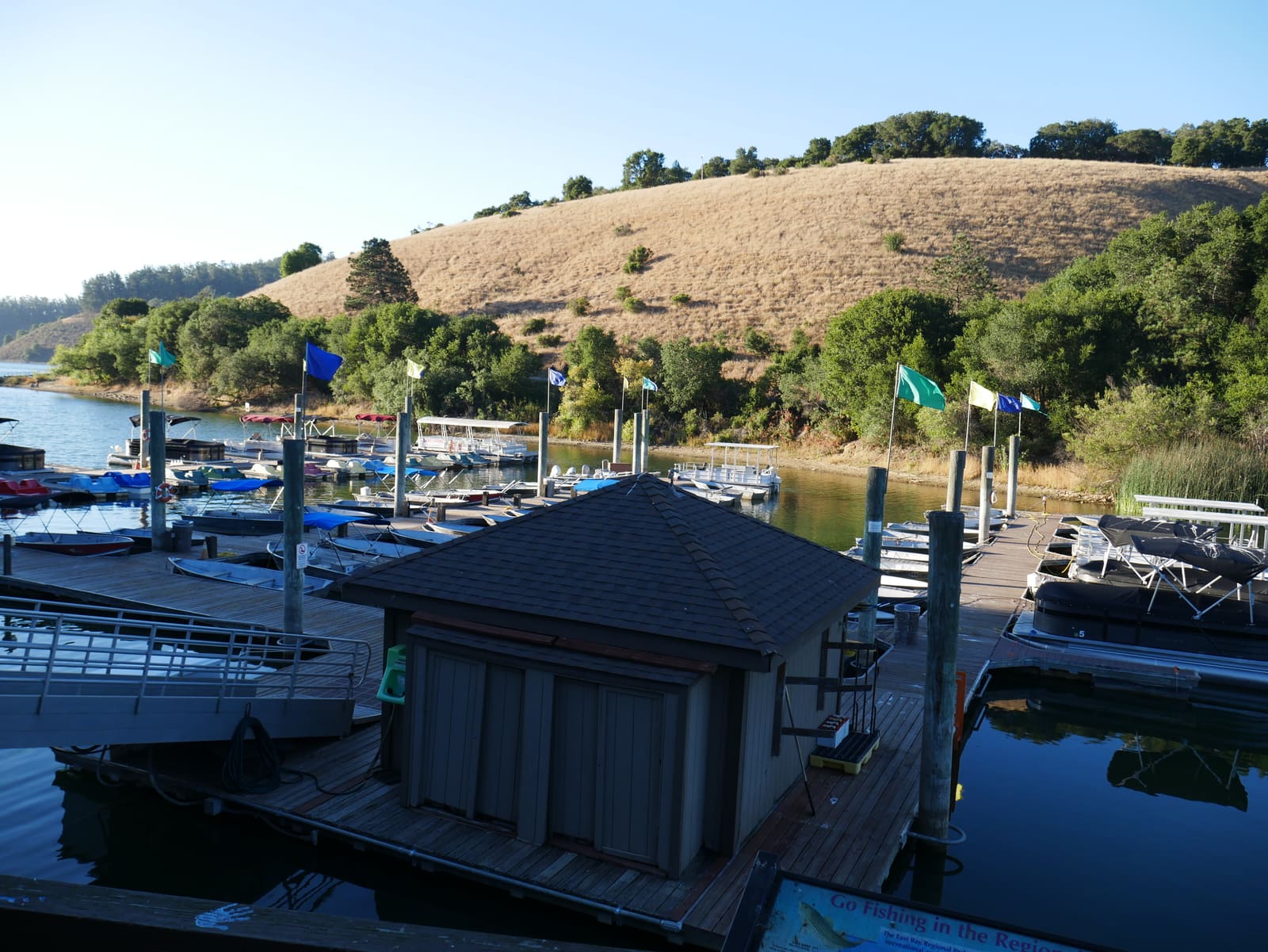
Renting Out Your Boat on Peer-to-Peer Apps: Insurance, Bareboat vs. Captained, State Rental Laws, Taxes and Wear
Thinking of listing your boat on a peer-to-peer rental platform to offset ownership costs? Learn why your personal policy probably won't cover it, what platform insurance does and doesn't do, the legal difference between a bareboat rental and a captained trip, state livery laws like Florida's, how rental income is taxed, and the real cost of extra hours and wear. Practical guidance, not legal, tax or insurance advice.
Safety: BoatMend is for information only and does not replace a certified marine technician. You are responsible for your safety and your boat. Read the full disclaimer.