Repair & maintenance guides
Plain-English, step by step, written for owners. Pick your engine to see the guides that apply to it.
437 of 509 guides · page 3 of 19
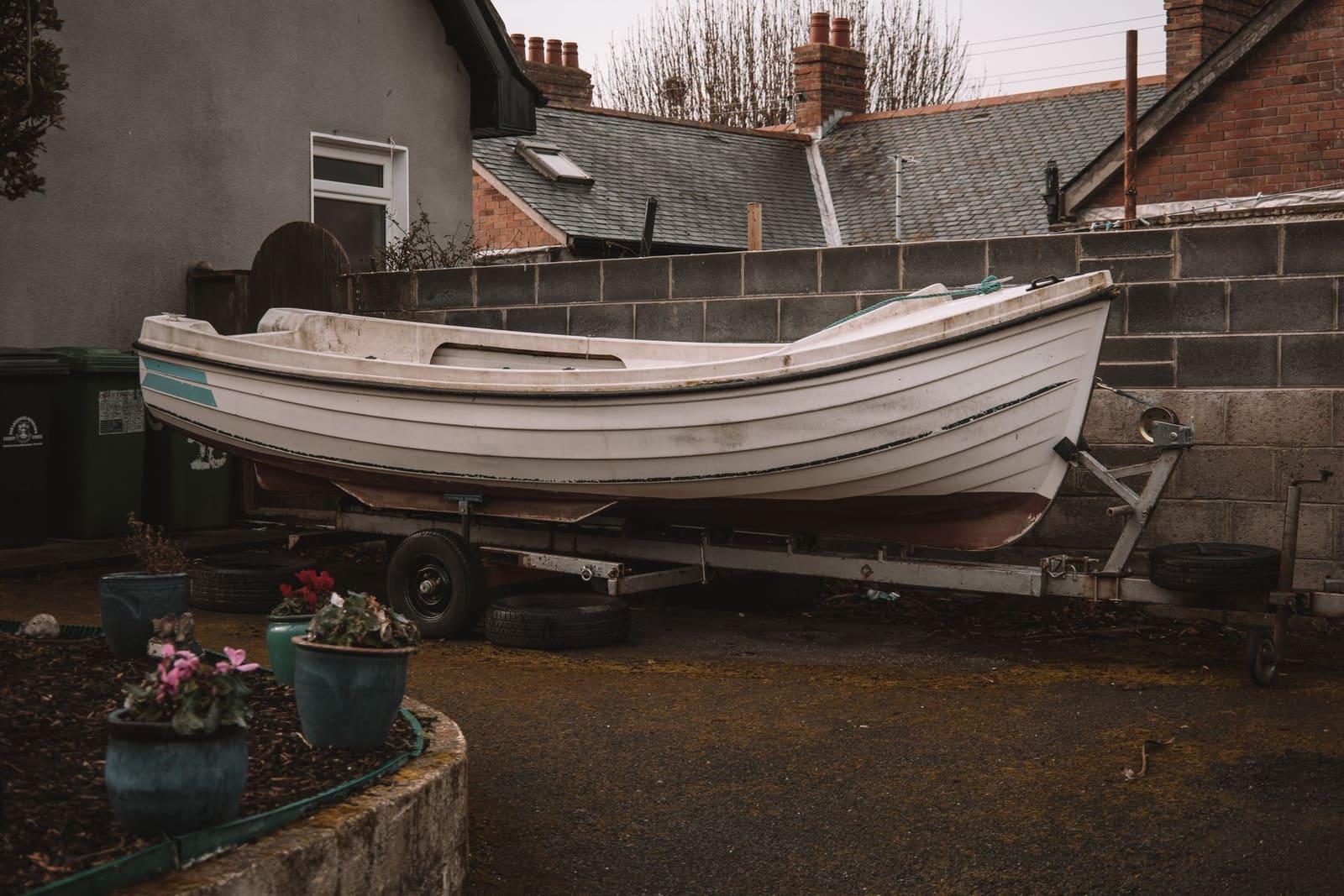
Checking a Used Boat's History by HIN: Decoding, State Records, Coast Guard Search and History Reports
Use the hull identification number to check a used boat before you buy: find and decode the HIN, confirm the builder and model year, look for recalls, check state title and lien records and the Coast Guard documentation database, decide whether a paid history report is worth it, and learn what none of these checks can tell you.
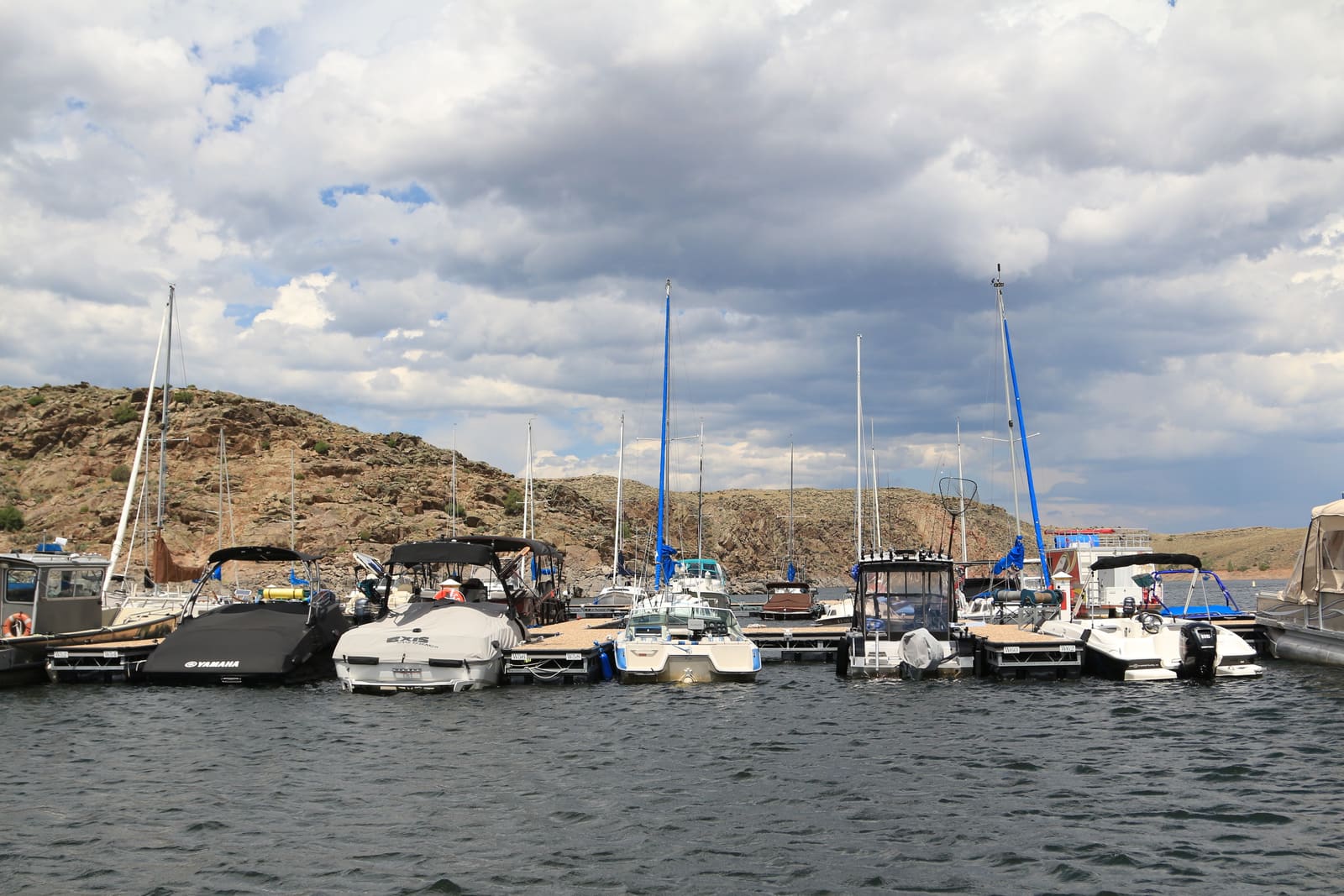
Choosing How to Store Your Boat: Trailer at Home, Dry Stack, Lift, Wet Slip, Mooring or Indoors
Compare the main ways to keep a boat in season and over winter: on a trailer at home or in a lot, in a dry stack, on a lift, in a wet slip, on a mooring or indoors. See what each costs, how it affects growth, corrosion, UV and upkeep, what to check about insurance, HOA rules and security, and how winter changes the choice.
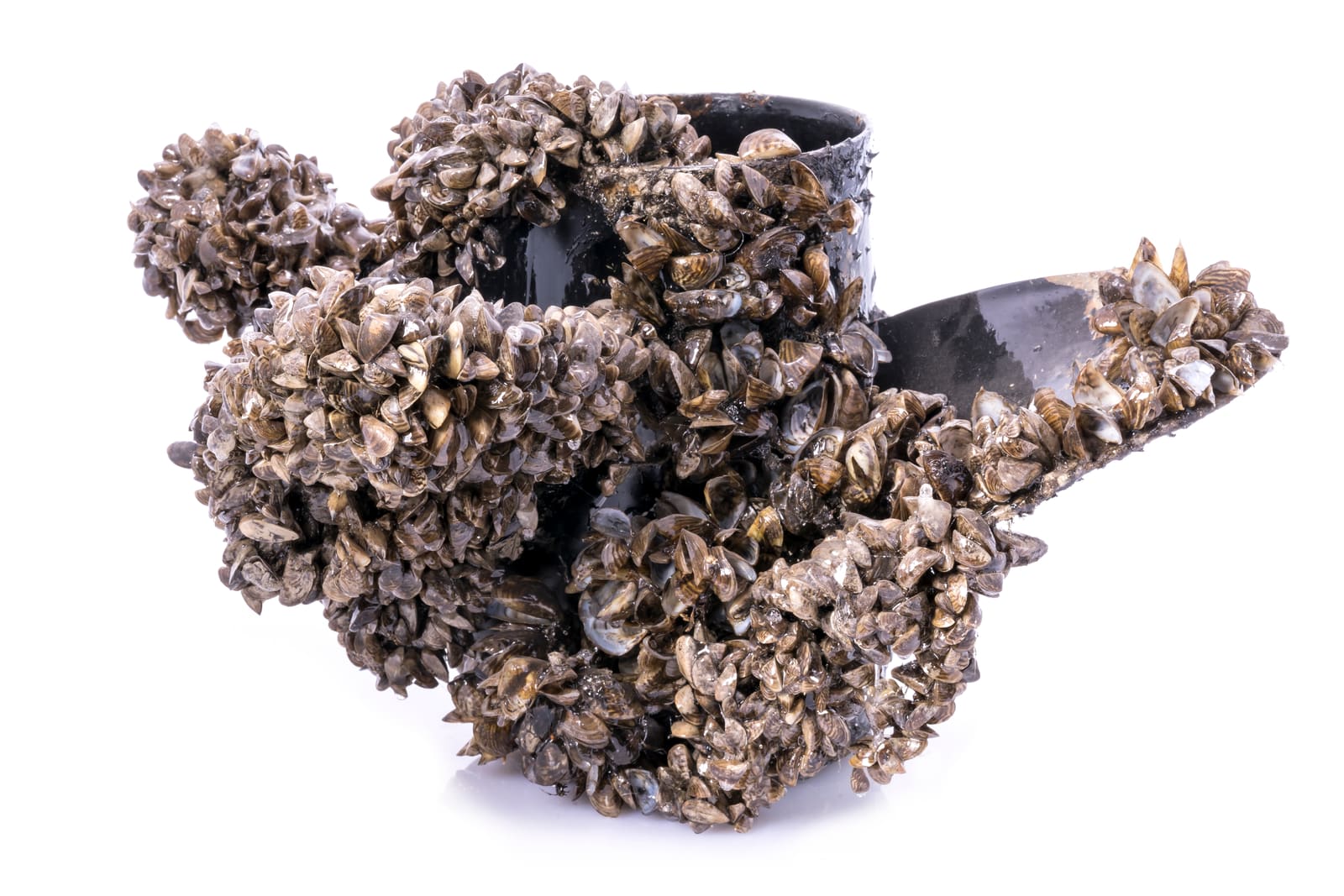
Clean, Drain, Dry: Stopping Zebra and Quagga Mussels and Other Invasive Species
What Clean, Drain, Dry means in practice for your boat, trailer and motor, what to drain before you leave the ramp, what happens at a watercraft inspection or decontamination station, and examples of state rules you may run into when you trailer between lakes.
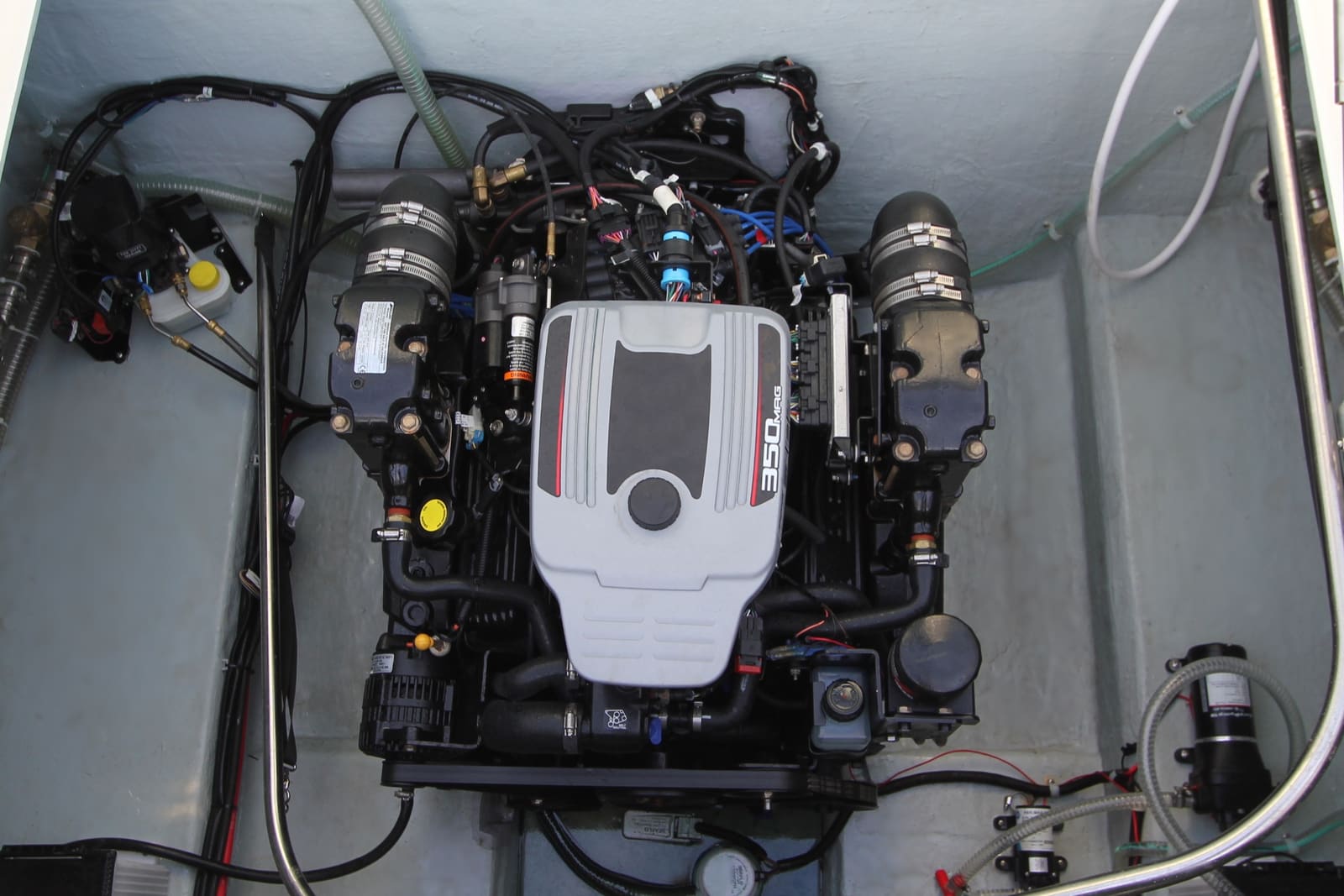
Closed-Cooled Gas Engines: Why the Exhaust Elbows Still Need Checking
Closed (freshwater) cooling protects the block, but on gas sterndrives and inboards the exhaust elbows or risers, and on some systems the manifolds, are still cooled by raw water. Learn which parts still see salt or lake water, the warning signs, what the engine makers and BoatUS say about intervals, and how to inspect and look after them.

Cold-Weather Boating: Cold Water Safety, Gear and Engine Care in Late Fall and Winter
Boating after the crowds leave can be beautiful, but cold water changes the risks. Learn why cold shock is the first danger, why the popular 1-10-1 rule needs caution, what to wear, how to plan, and how to care for the engine, battery and anything that holds water between trips.

Coming Back to the US by Boat: Reporting to CBP with the ROAM App, the User Fee Decal and the Penalties
Every boat returning from a foreign port (the Bahamas, Canada, Mexico or anywhere else) must report its arrival to US Customs and Border Protection right away. Learn who has to report, how to use the free CBP ROAM app or the phone line, when you still have to show up in person, the annual user fee decal for boats 30 feet and longer, and what happens if you skip it. General information, not legal advice.
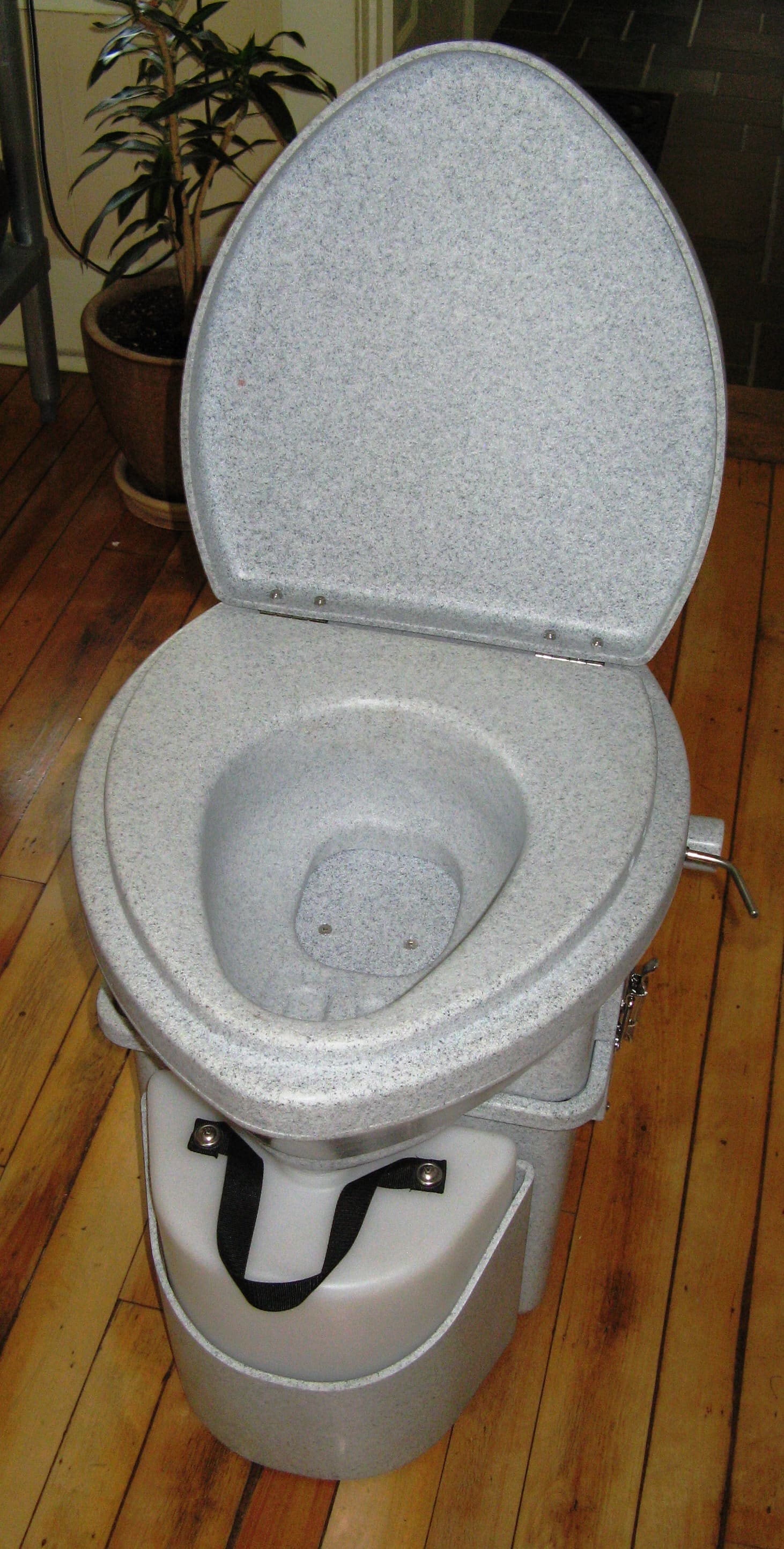
Composting Toilets on Boats: How They Work, the Rules, Emptying and Winter Care
A composting (dry, urine-separating) head can replace a smelly holding tank, but it has its own routine. Learn how these toilets work, how they fit the Coast Guard's sanitation rules, how to prepare the medium, empty the liquids bottle and solids bin legally, keep odors away and handle cold weather and winter layup.
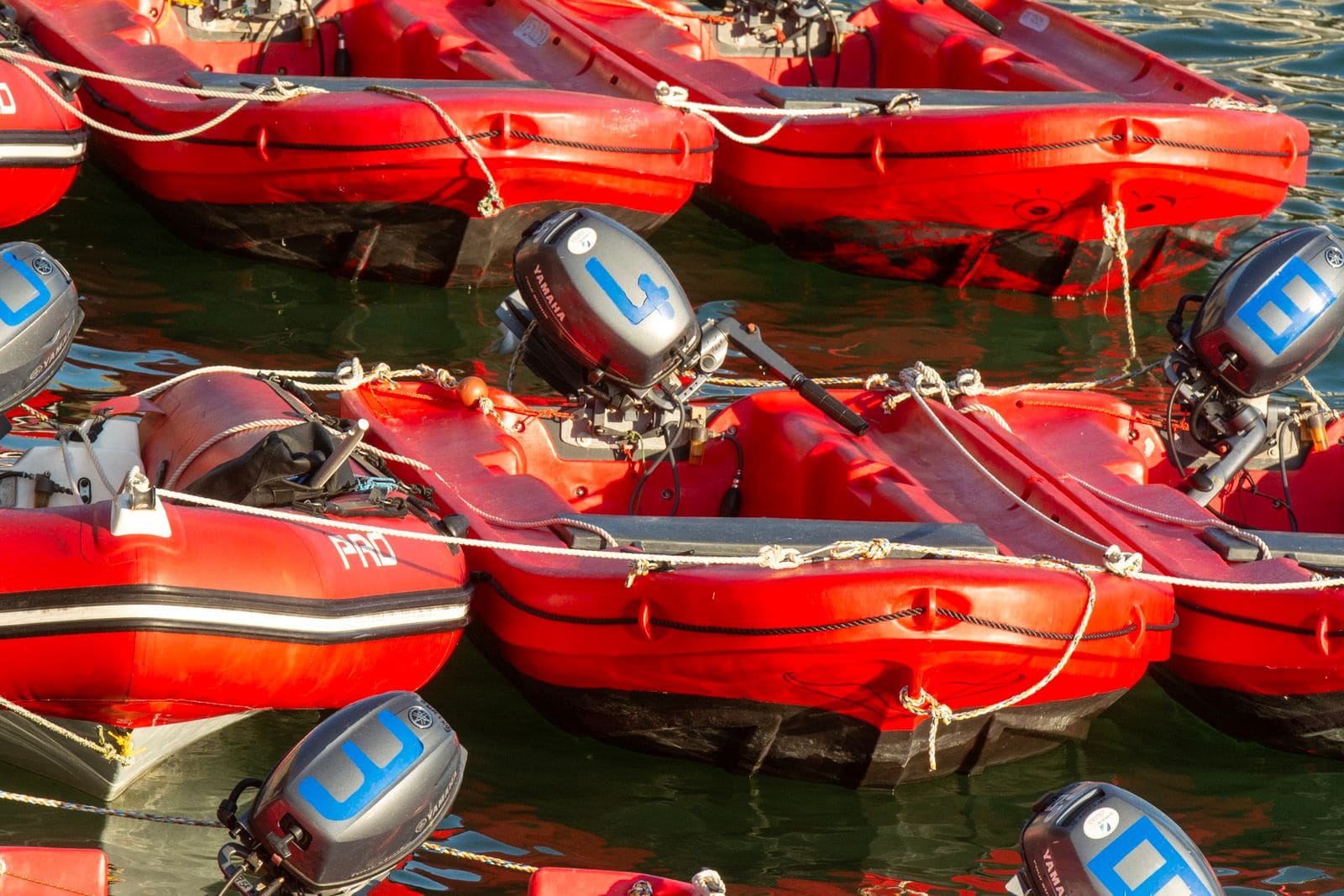
Converting a Pull-Start Outboard to Electric Start: What It Takes
Find out whether your pull-start outboard can take a factory electric start kit, what parts the job really needs (starter, charging coil, rectifier, battery, harness, key or button, neutral safety), and when a dealer install or a newer motor makes more sense.
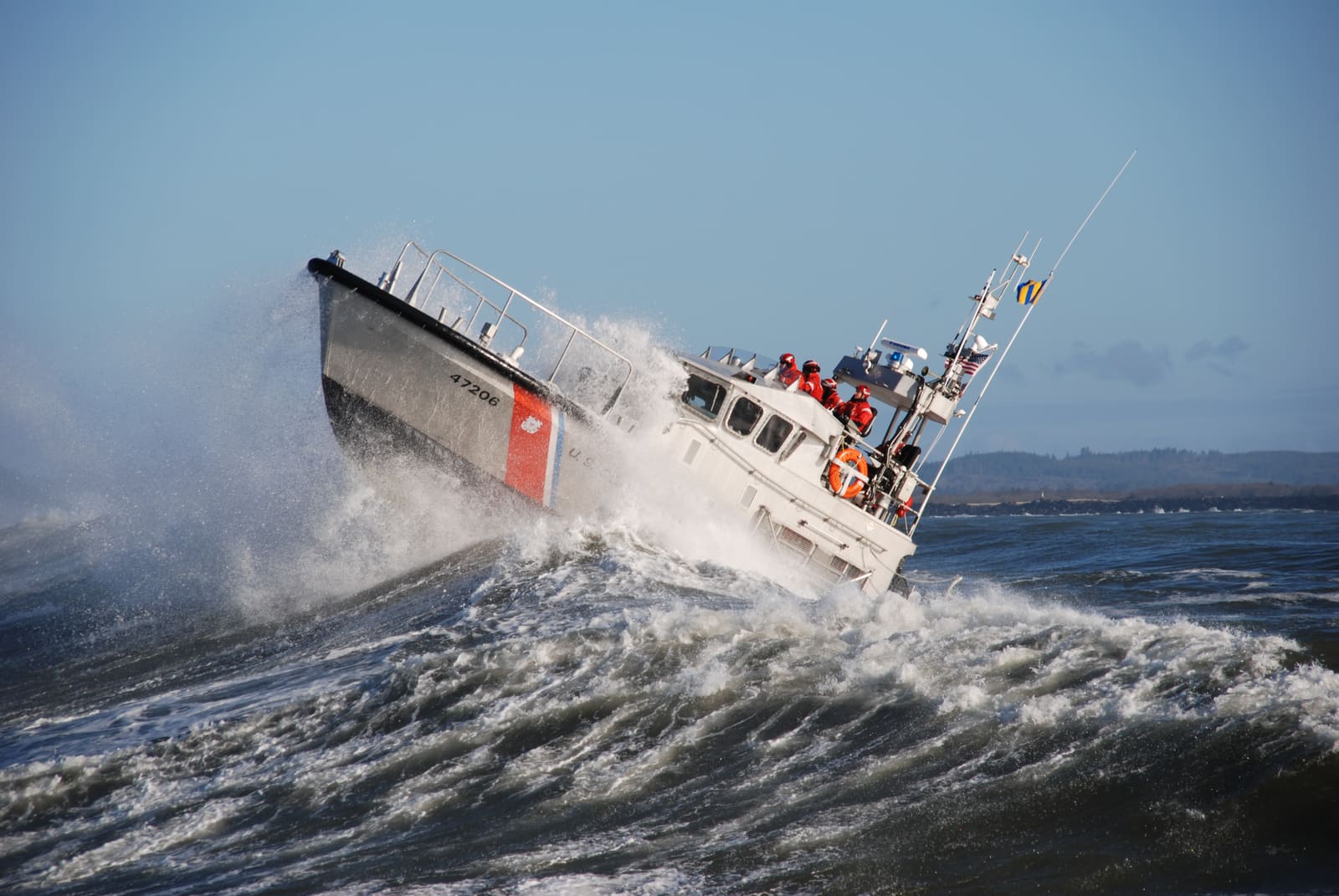
Crossing Inlets and Bars Safely: Tide Timing, Coast Guard Bar Restrictions and When Not to Go
Inlets and river bars are where calm-looking days turn deadly. Learn why an ebb tide against an ocean swell builds breaking waves, how to check bar reports and Coast Guard restrictions, how to read the inlet before you commit, how to run it with life jackets on, and when to wait or go somewhere else.

Damaged Propeller: Repair It or Replace It?
Decide whether a bent, chipped or spun prop is worth sending to a prop shop or should be replaced, what a shop can actually fix on aluminum and stainless props, and how to keep the boat running the same afterward.
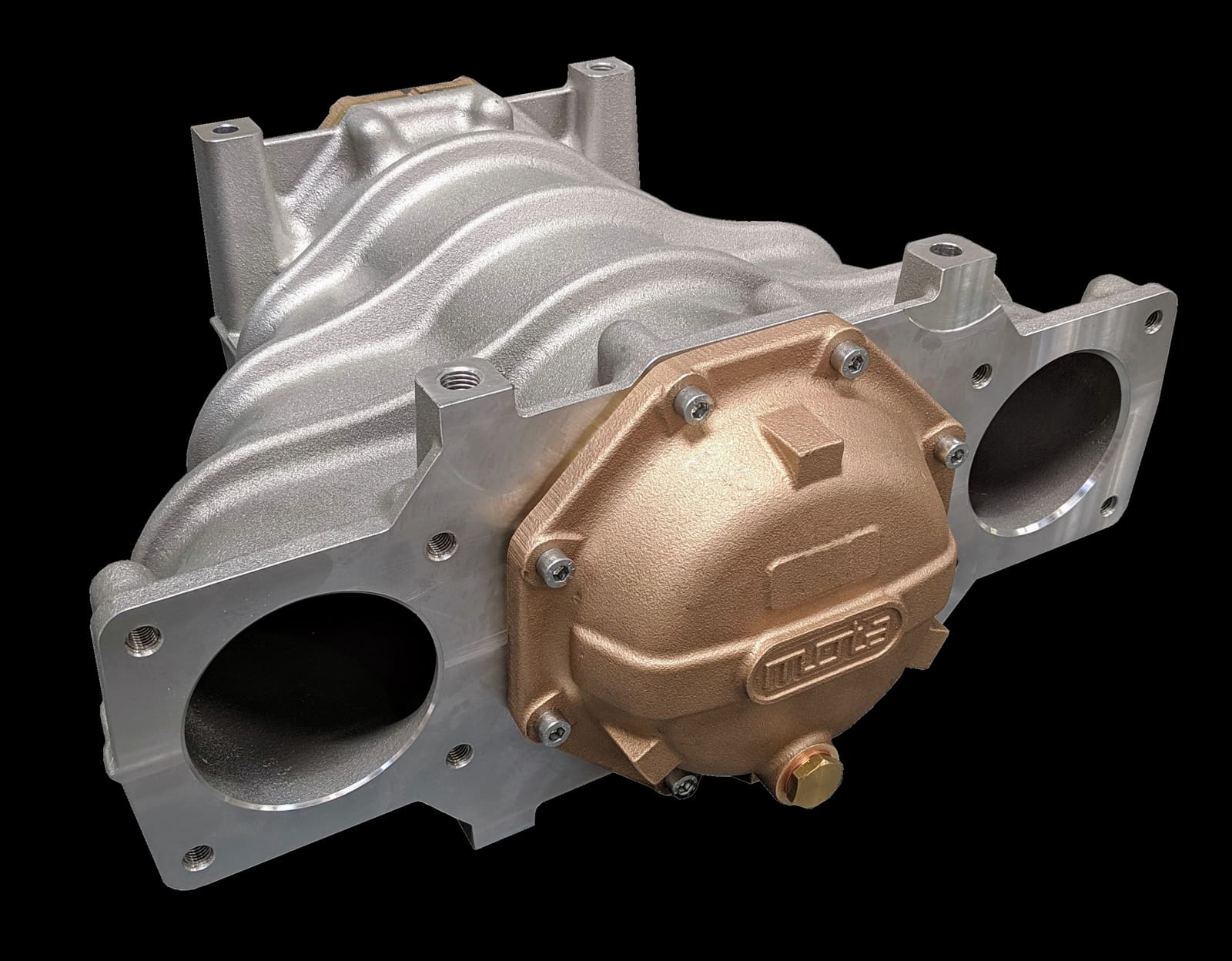
Diesel Aftercooler (Charge-Air Cooler) Care: Why It Needs Service and Warning Signs
Many turbo diesels cool their intake air in an aftercooler with raw seawater running through it. If that cooler corrodes through, seawater can reach the cylinders and wreck the engine. Learn how to tell which type you have, the warning signs, the owner checks, and why the periodic removal and cleaning is a job for a pro.
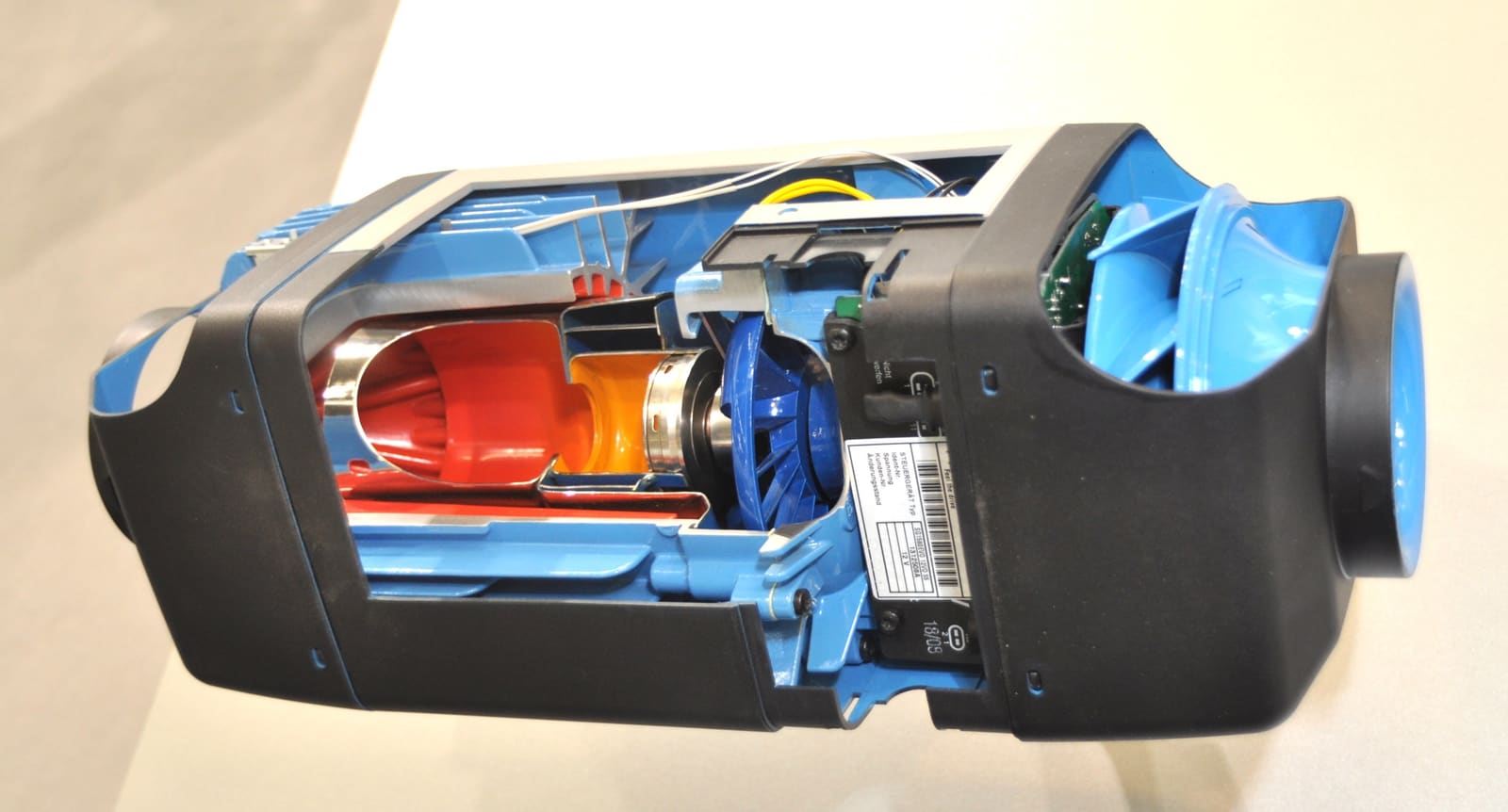
Diesel Cabin Heaters: What a Forced-Air or Bulkhead Heater Install Involves
Understand what goes into installing a diesel cabin heater (fuel pickup, exhaust or chimney, combustion air, ducting, power and CO alarms) so you can plan it with an installer, check the work, and keep the heater safe with monthly runs and regular service.

Diesel Exhaust Smoke: What Black, White and Blue Smoke Mean
Learn to read the color of your marine diesel's exhaust and run the simple checks that go with each color, from a dirty air filter or fouled prop to a worn mixing elbow or head gasket. Catching smoke early can save an engine.
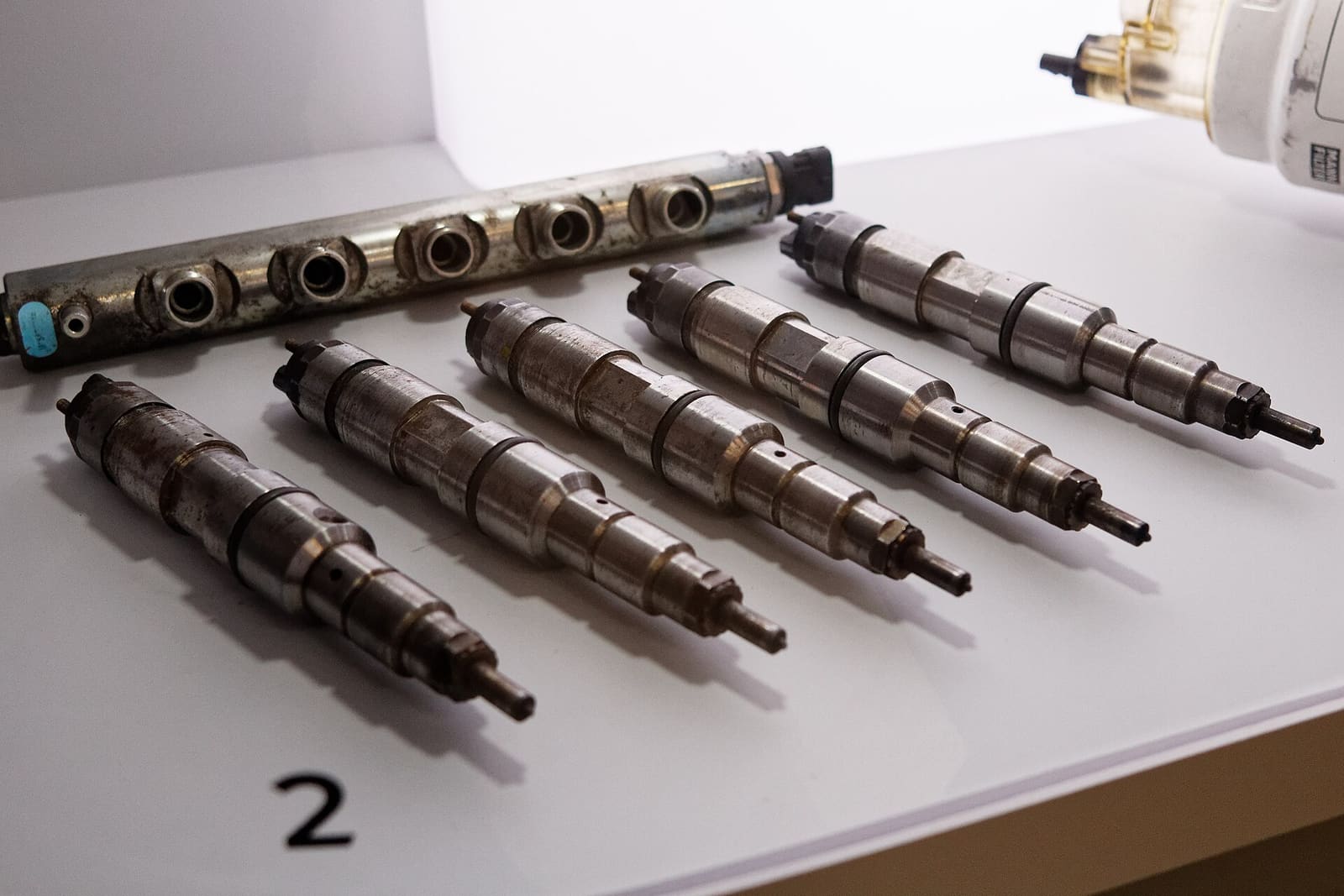
Diesel Fuel Injectors: Symptoms, Checks and When to Send Them Out
Learn the signs of a failing diesel injector (smoke, rough idle, hard starting, knocking), how to rule out the cheaper causes first, why testing and rebuilding injectors is a job for a fuel-injection shop, and how clean, dry, well-filtered fuel keeps them healthy.
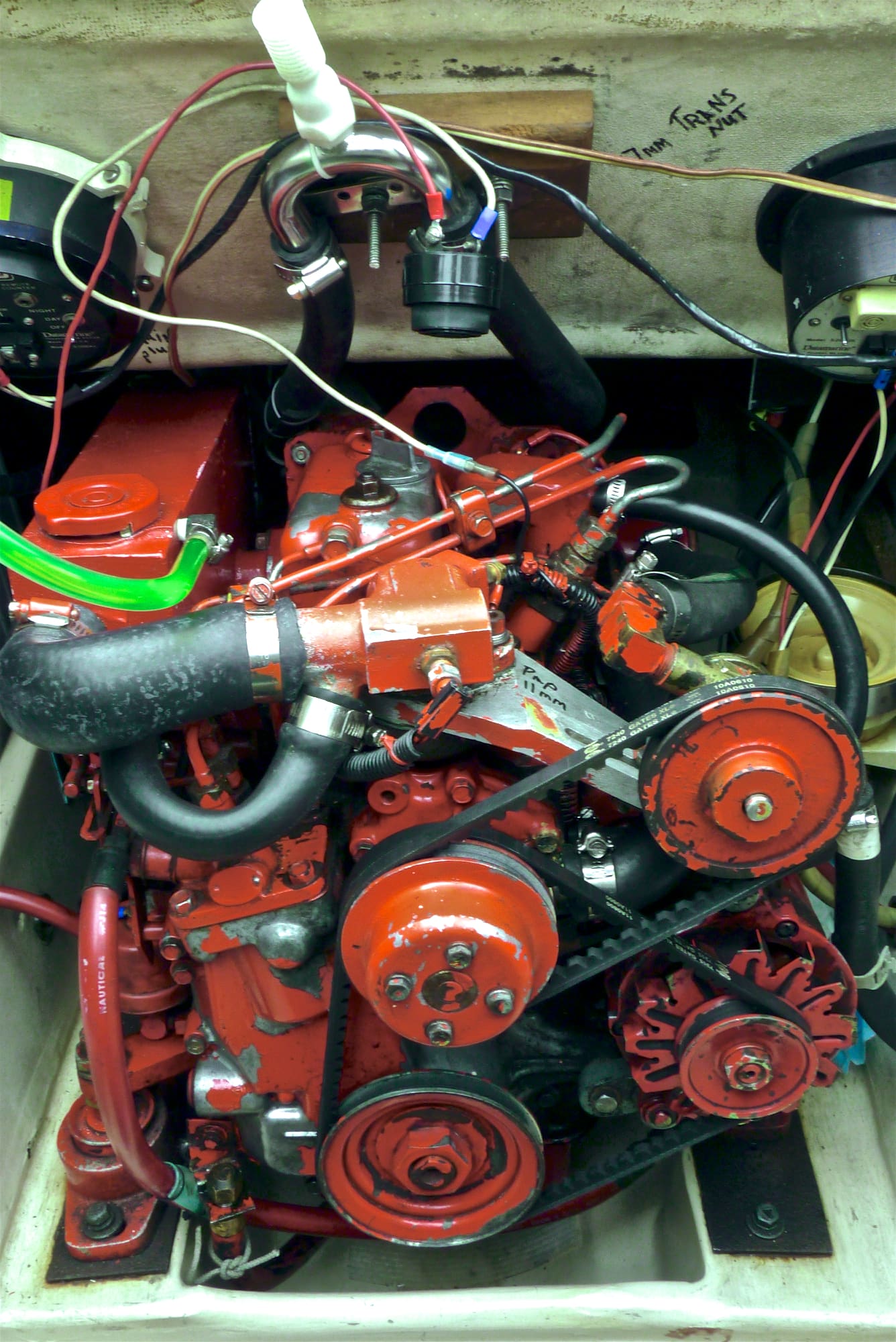
Diesel Heat Exchanger Service: Zincs, End Caps, Tube Cleaning and Pressure Testing
Your diesel's heat exchanger moves engine heat into the seawater, and it slowly fills with scale, broken zinc pencils and impeller pieces. Learn how to check the zincs, open the end caps, clean the tubes safely, and when to have the core removed, descaled and pressure-tested by a shop.
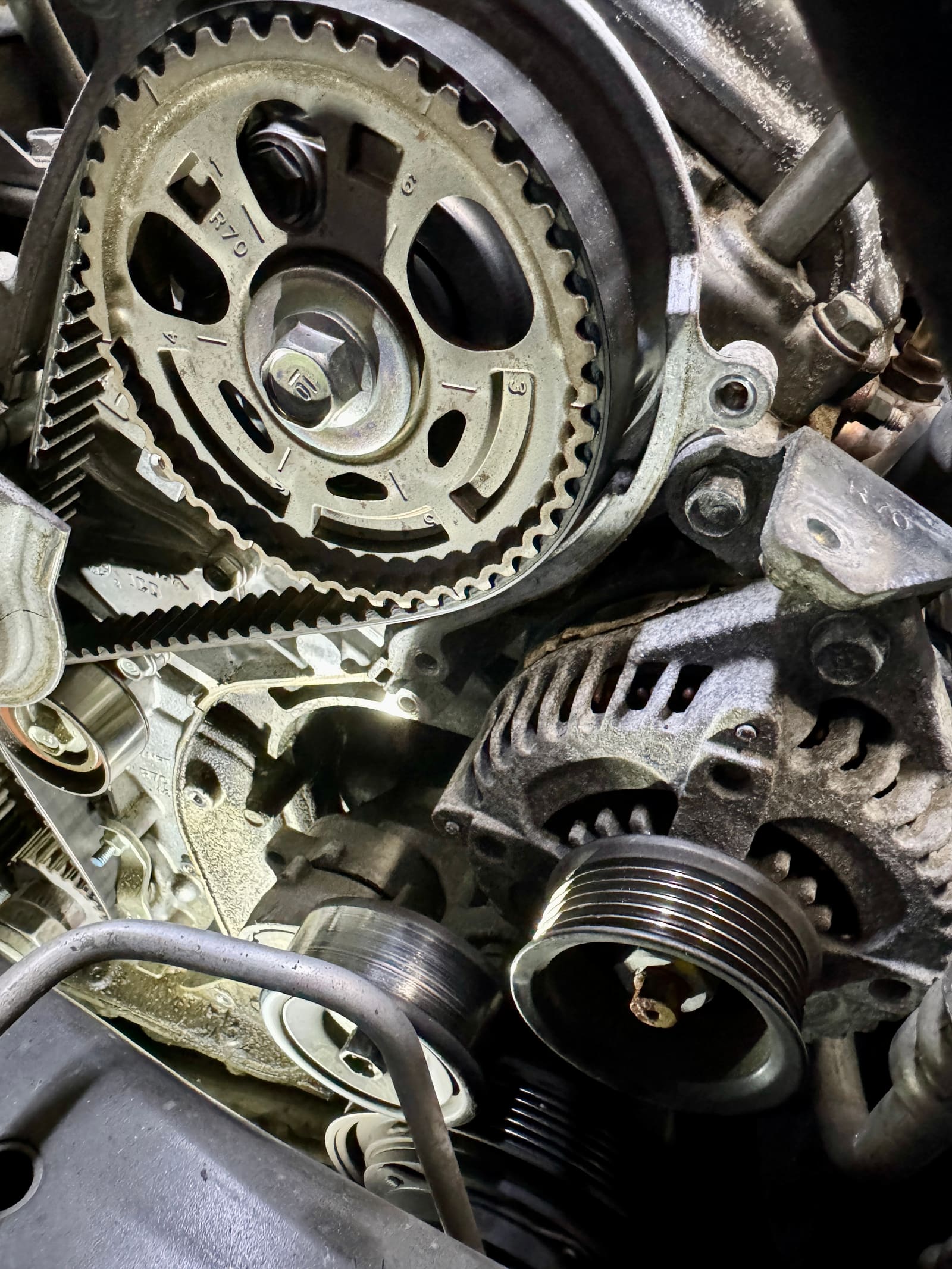
Diesel Timing Belt: Does Your Engine Have One and When to Replace It
Find out whether your marine diesel's camshaft is driven by a rubber timing belt, a chain or gears, and if it is a belt, plan its replacement by hours and by age. A broken timing belt usually wrecks the engine and stops the boat on the spot, so this is one of the few jobs where "it seems fine" is not good enough.
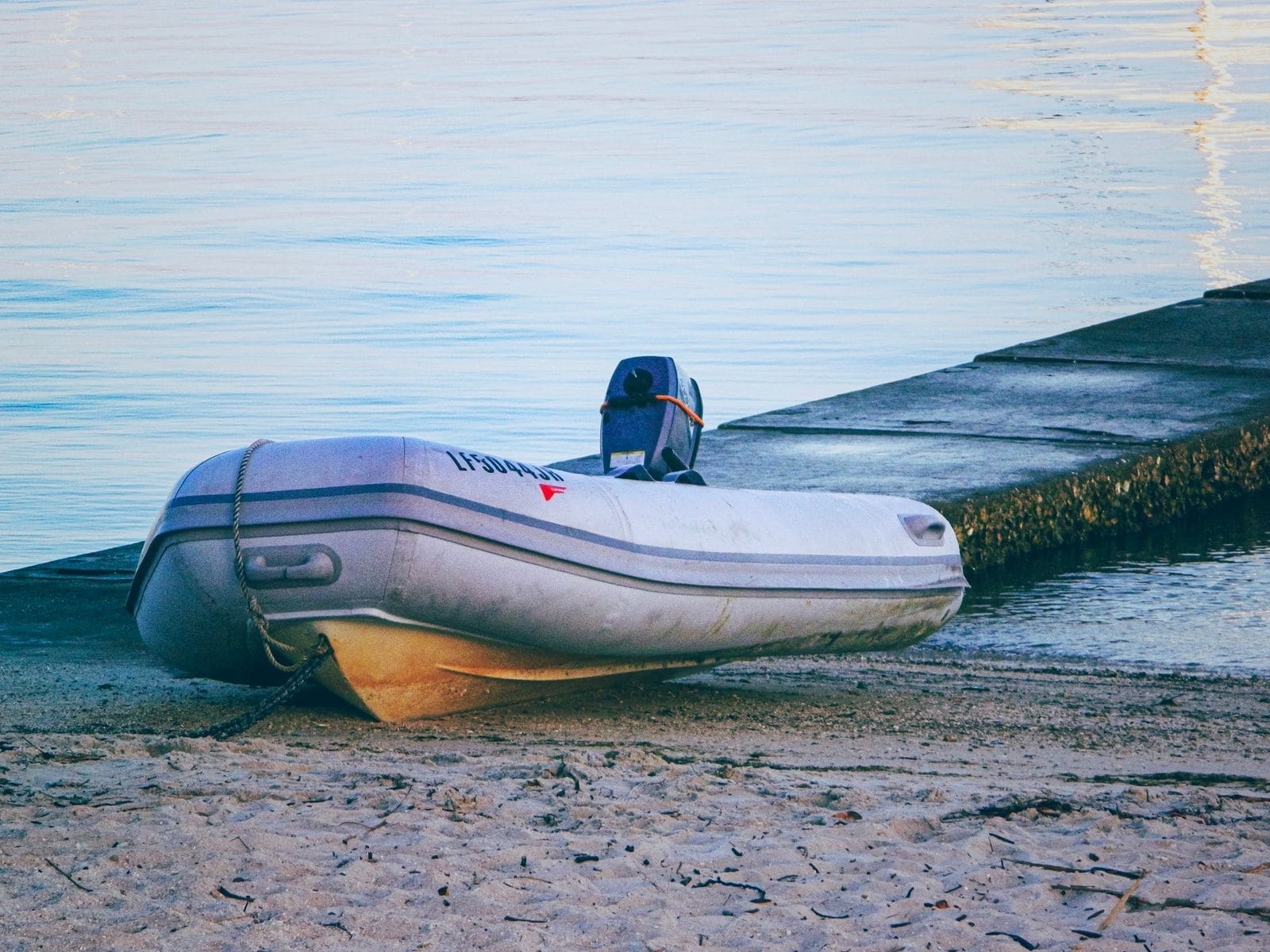
Dinghy and Tender Rules: Lights, Registration, Capacity, Life Jackets and Kill Switch
Your dinghy is a boat in its own right. Learn which navigation lights it needs after dark (rowing or under power), when the outboard means it must be registered, and how capacity plates, life jackets and the kill-switch law apply to a small tender.
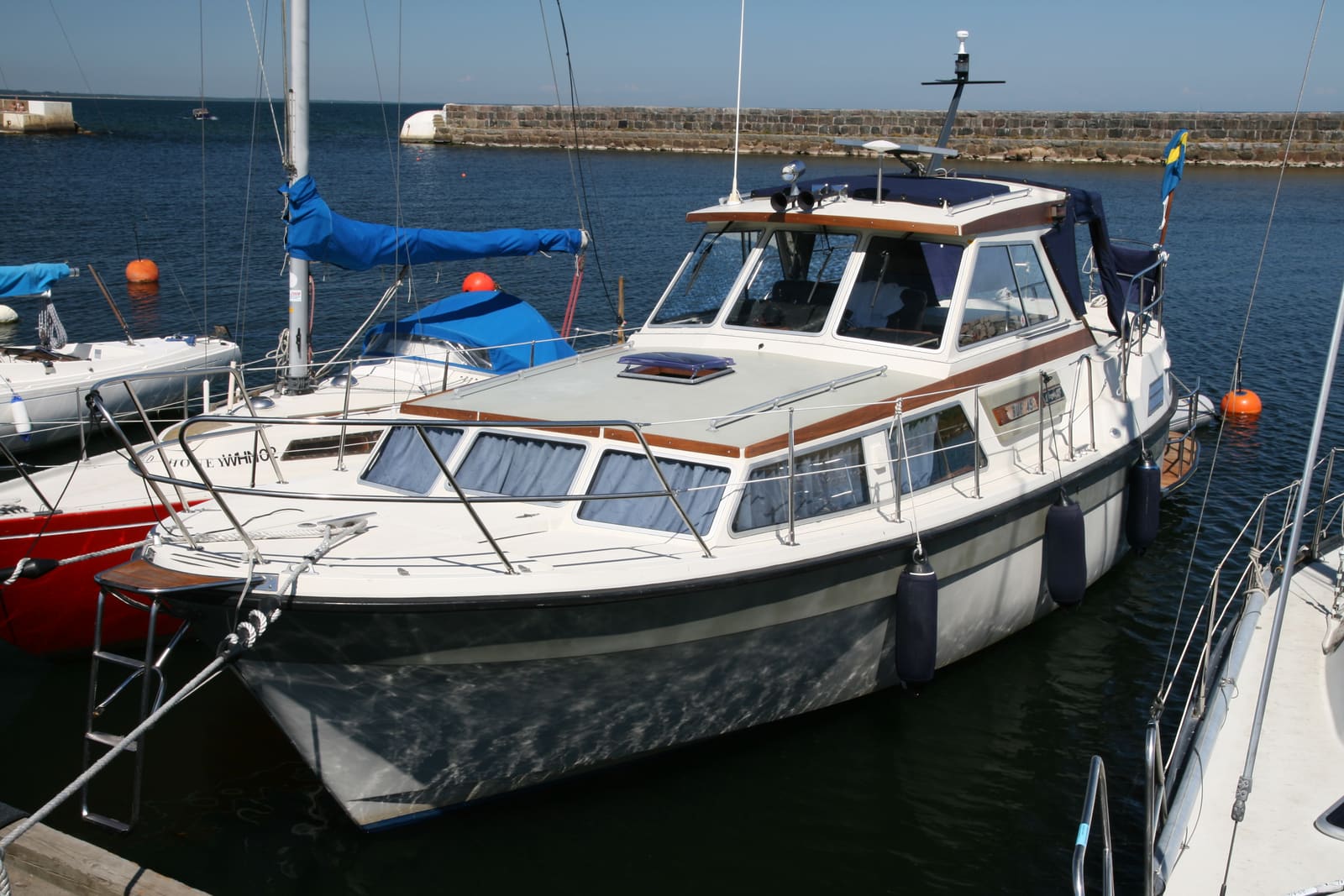
Docking in Wind and Current: Read the Conditions, Use Spring Lines and Know When to Go Around
Wind and current decide most docking jobs. Learn to watch your drift before you commit, approach into the stronger force, set fenders and lines with a clear crew plan, use a spring line to pin the boat to the dock, handle single and twin engines, and back out to try again before it turns into a collision.
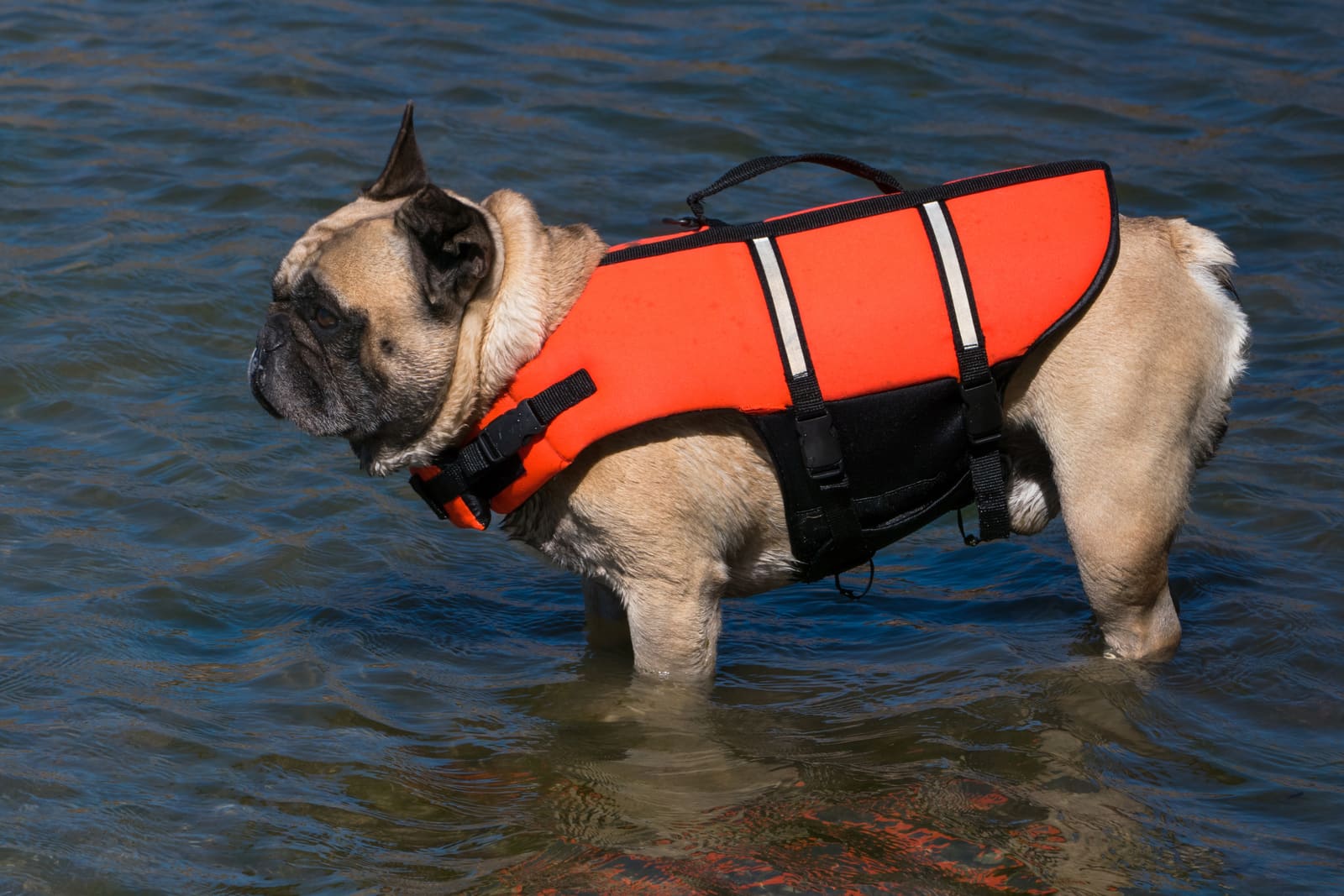
Dogs and Pets Aboard: A Safety Checklist for Boat Owners
Set your boat and your dog up for a safe day on the water, from a well-fitted pet life jacket with a handle to shade, fresh water, safe boarding and a plan for getting a dog back aboard if it goes over the side.
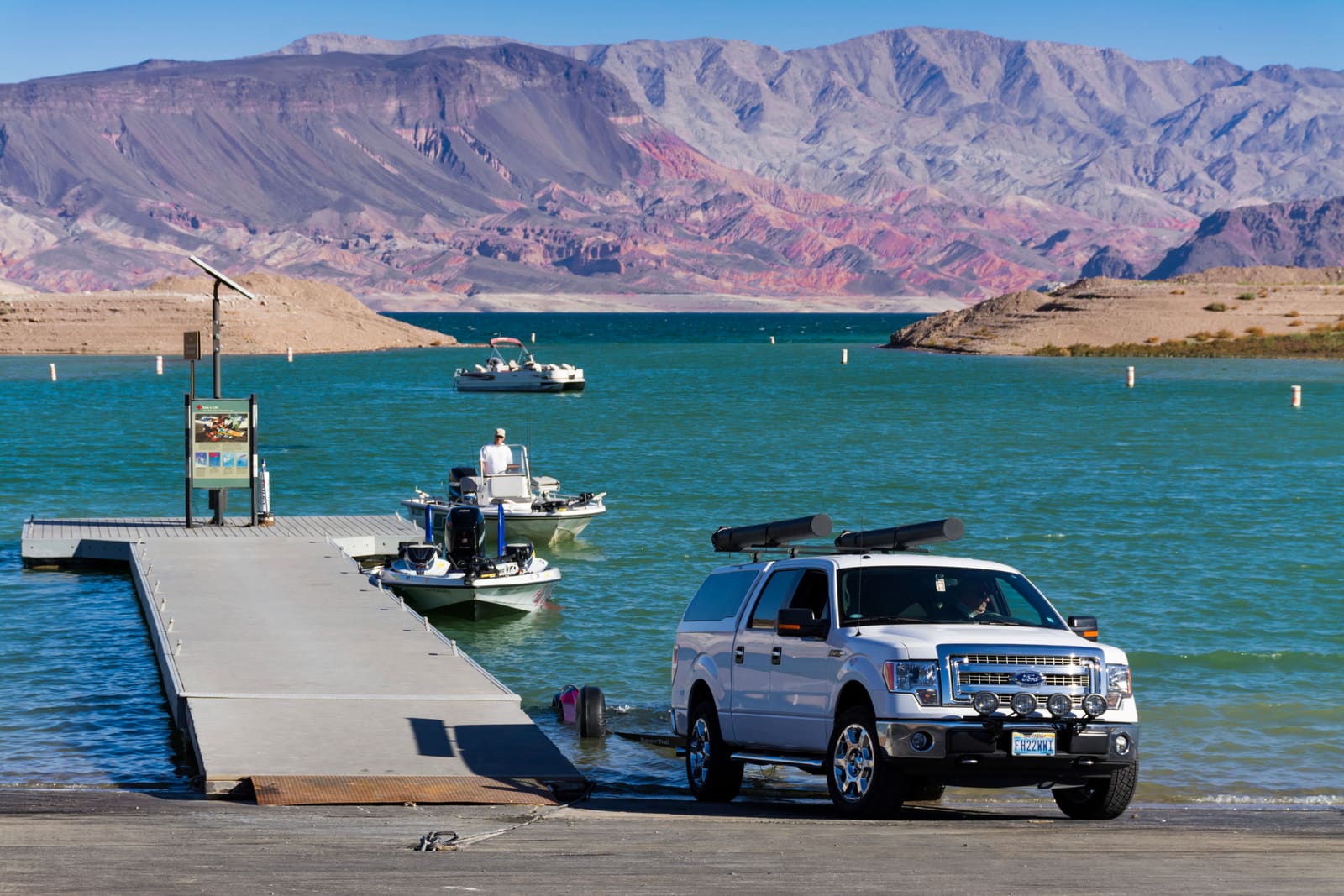
Drain Plugs: Types, Pre-Launch Checks, Spares and Replacing a Garboard Drain
A forgotten or worn drain plug is one of the most common ways a boat floods at the ramp. Learn the plug types, a launch routine that makes it hard to forget, how to look after plugs and fittings, how to replace a garboard drain, and when the plug should come out for storage.
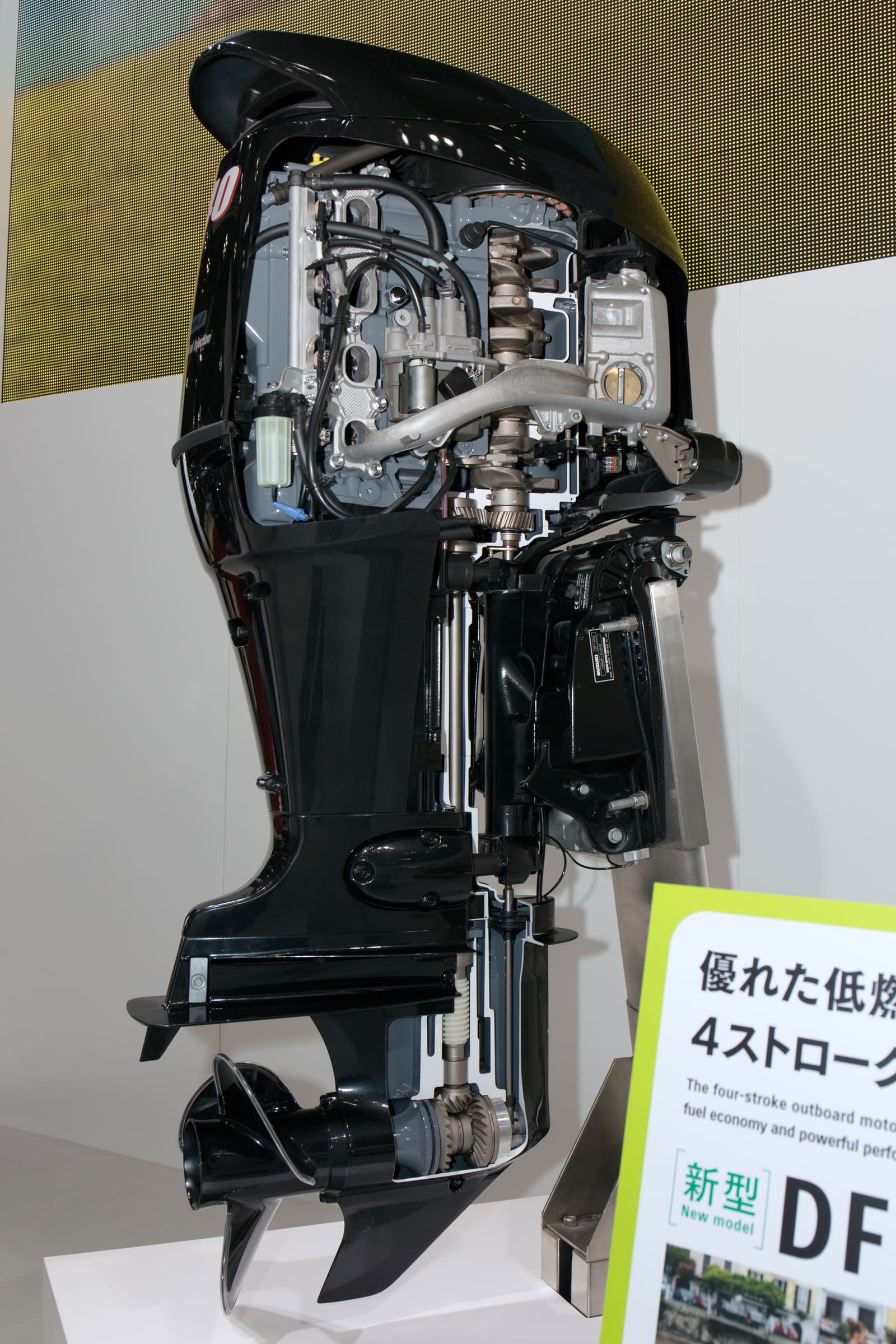
EFI Outboard Cranks but Won't Start, No Key-On Beep or Fuel Pump Hum
When a fuel-injected outboard turns over but stays silent at key-on (no warning-horn chirp, no fuel pump priming), the engine computer usually isn't waking up. Work through the lanyard, battery voltage while cranking, main fuses, relays, harness plugs and grounds before anyone blames the computer.
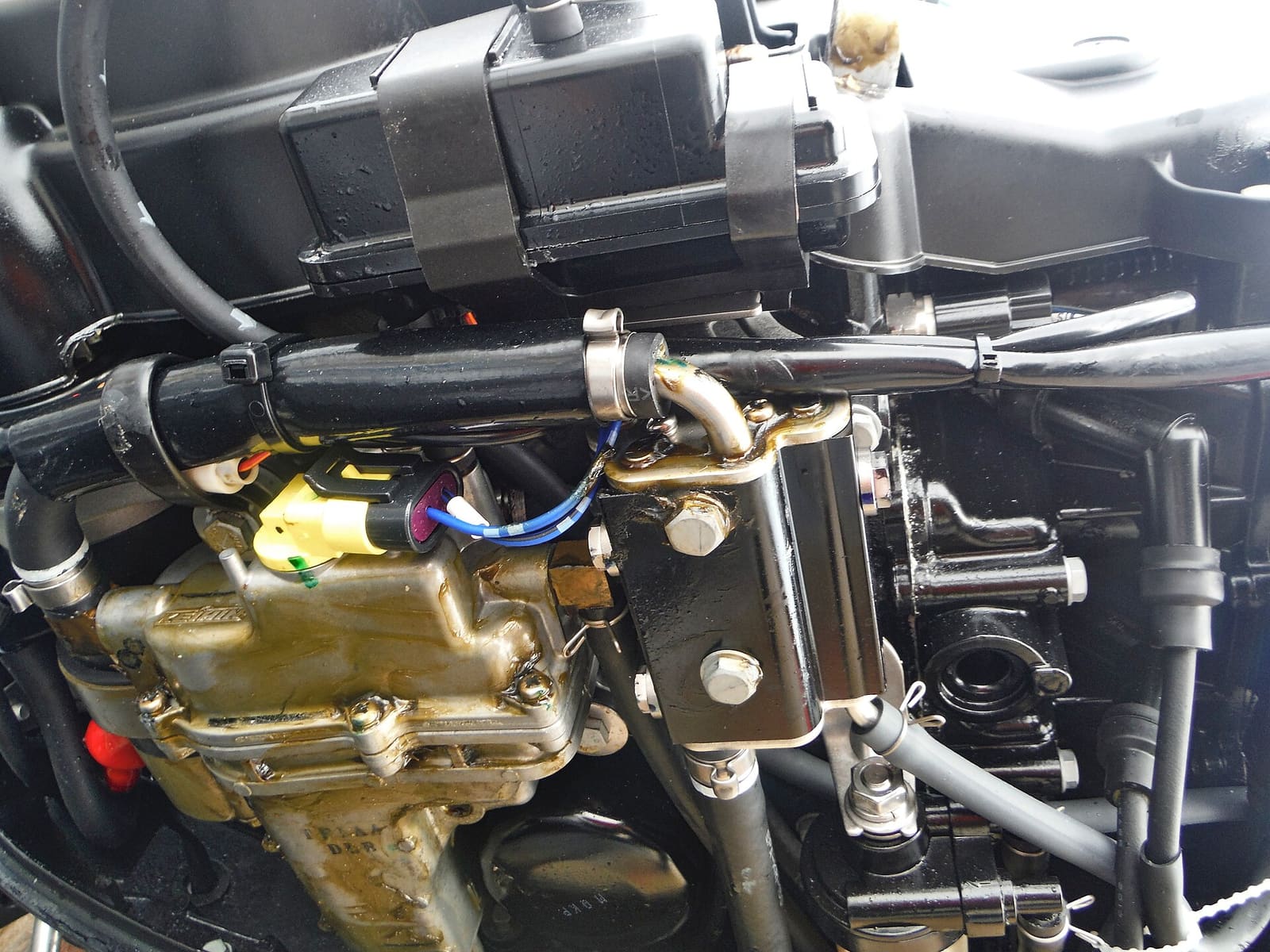
EFI Outboard Vapor Separator Tank (VST) and Injectors - Symptoms, Filters and When It's a Dealer Job
On a fuel-injected outboard, the vapor separator tank holds fuel right at the engine and feeds the high-pressure pump and injectors. Learn why ethanol varnish and debris clog its filter, how a starving VST feels (stalls at speed, won't hold RPM), what you can safely maintain yourself, and when it's time for the dealer.
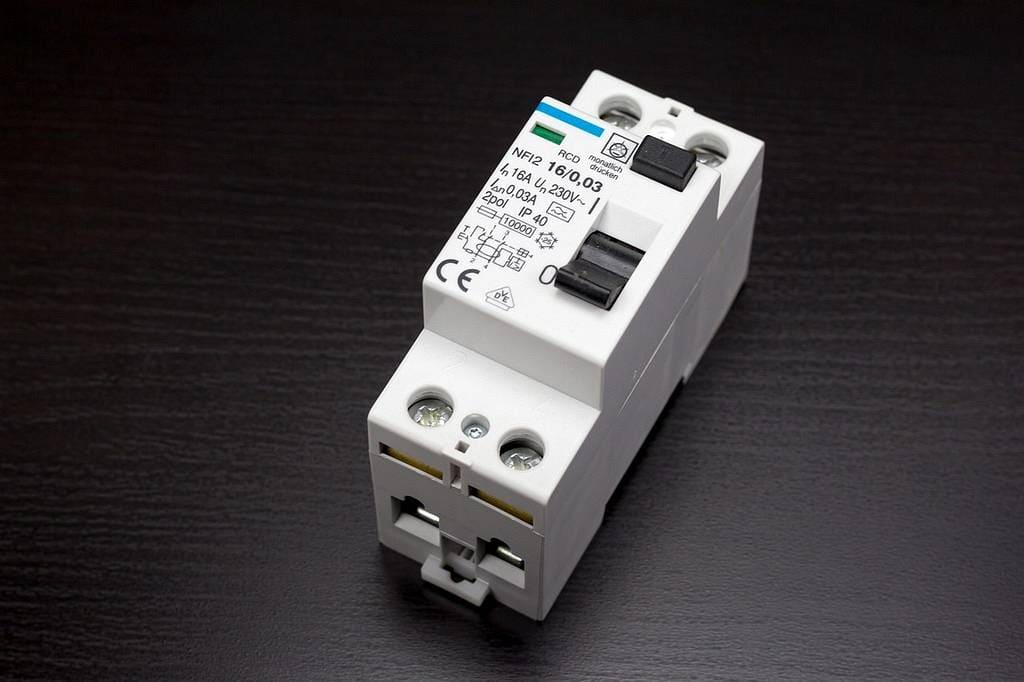
ELCI Retrofit: Adding Whole-Boat Shock Protection to an Older Boat
What an ELCI (equipment leakage circuit interrupter) is, why ABYC now requires one on new boats with shore power, what a retrofit involves and costs, and what to do when one trips. You plan, test and troubleshoot; an ABYC-certified marine electrician does the wiring.
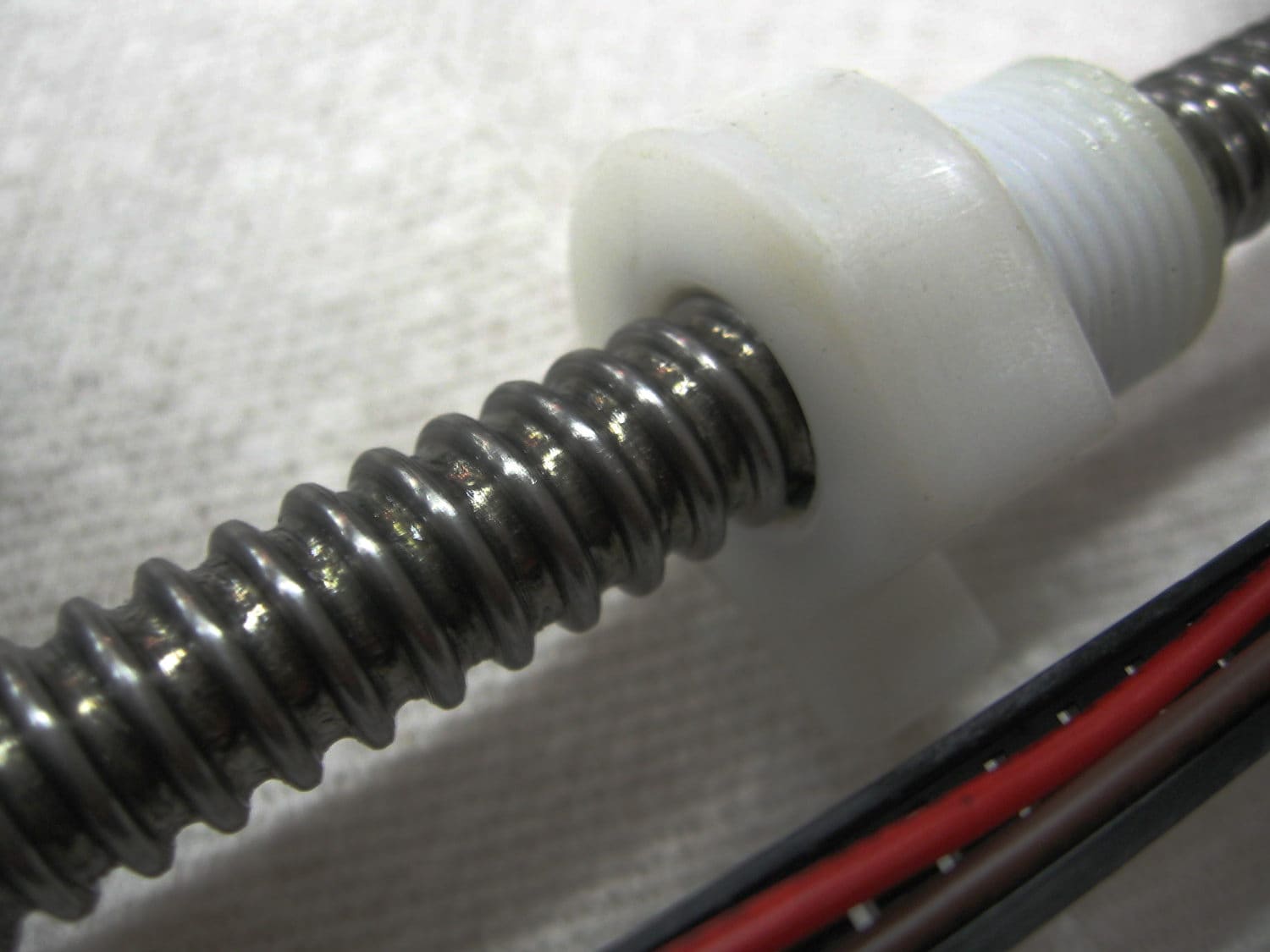
Electric Linear Actuators on Boats: Kicker Lifts, Towers, Hatches, Tables and Seats
Electric actuators raise kicker brackets, fold wake towers, lift engine hatches and move tables and helm seats. Learn how they work, why water and side load kill them, how to fuse and test one directly on 12 volts, and how to replace one safely.
Safety: BoatMend is for information only and does not replace a certified marine technician. You are responsible for your safety and your boat. Read the full disclaimer.