Repair & maintenance guides
Plain-English, step by step, written for owners. Pick your engine to see the guides that apply to it.
253 of 509 guides · page 10 of 11

Smoke and Heat Detectors on a Boat: Where They Make Sense, What to Buy and How to Test
A fire in a closed cabin, engine room or lazarette can grow for minutes before anyone notices. Learn where smoke alarms and heat detectors make sense aboard, why boats are hard on household alarms, how to power and test them, how they fit with CO alarms, and how automatic engine-room extinguishers and engine shutdown tie in.

Spiders, Wasps and Insects on Your Boat: Prevention and Safe Cleanup
Why boats attract spiders, mud daubers, wasps and swarming lake insects, how to clean webs and droppings without harming gelcoat or canvas, and how to keep nests out of the vents, telltales and fittings your boat needs to breathe.
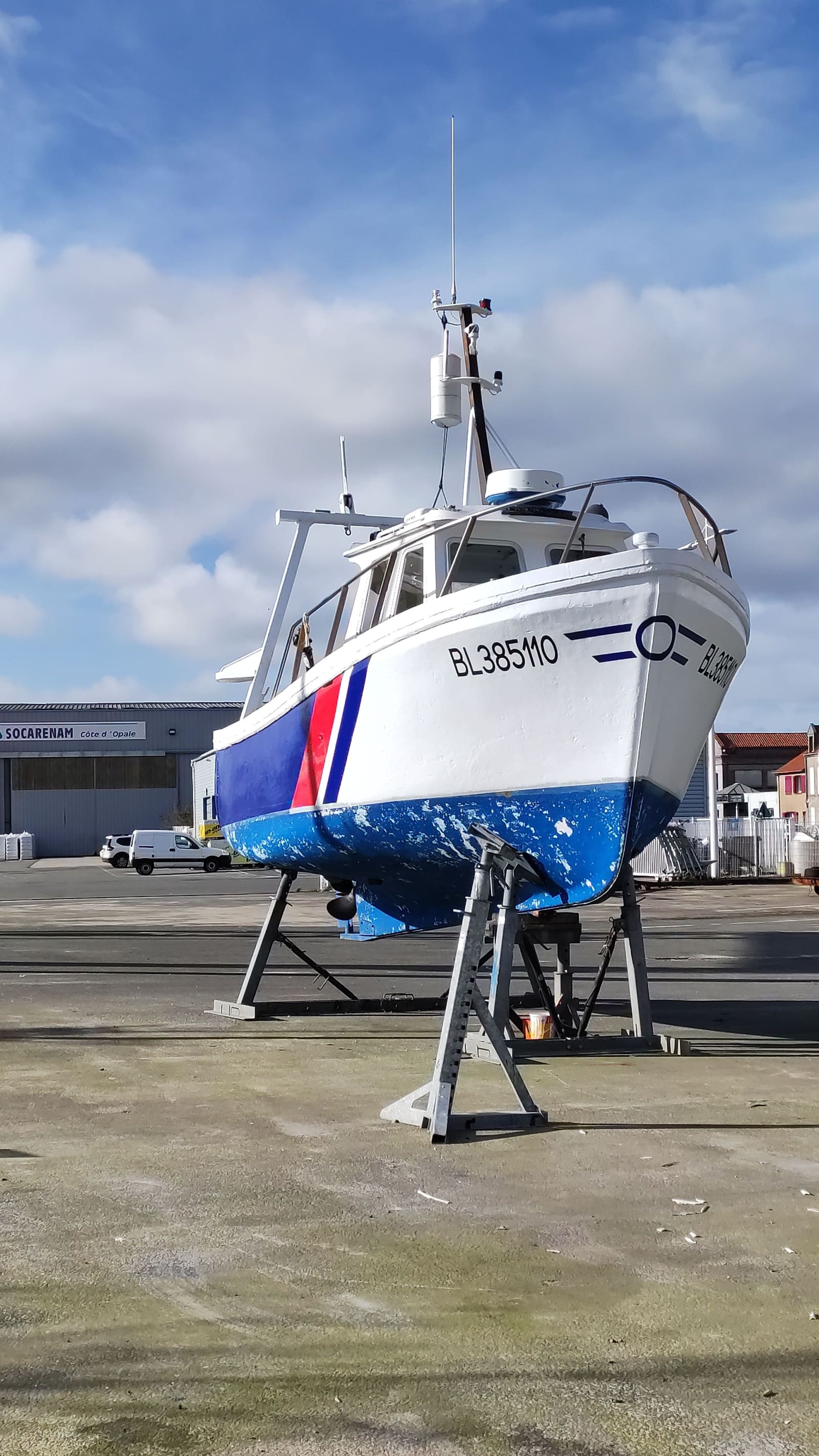
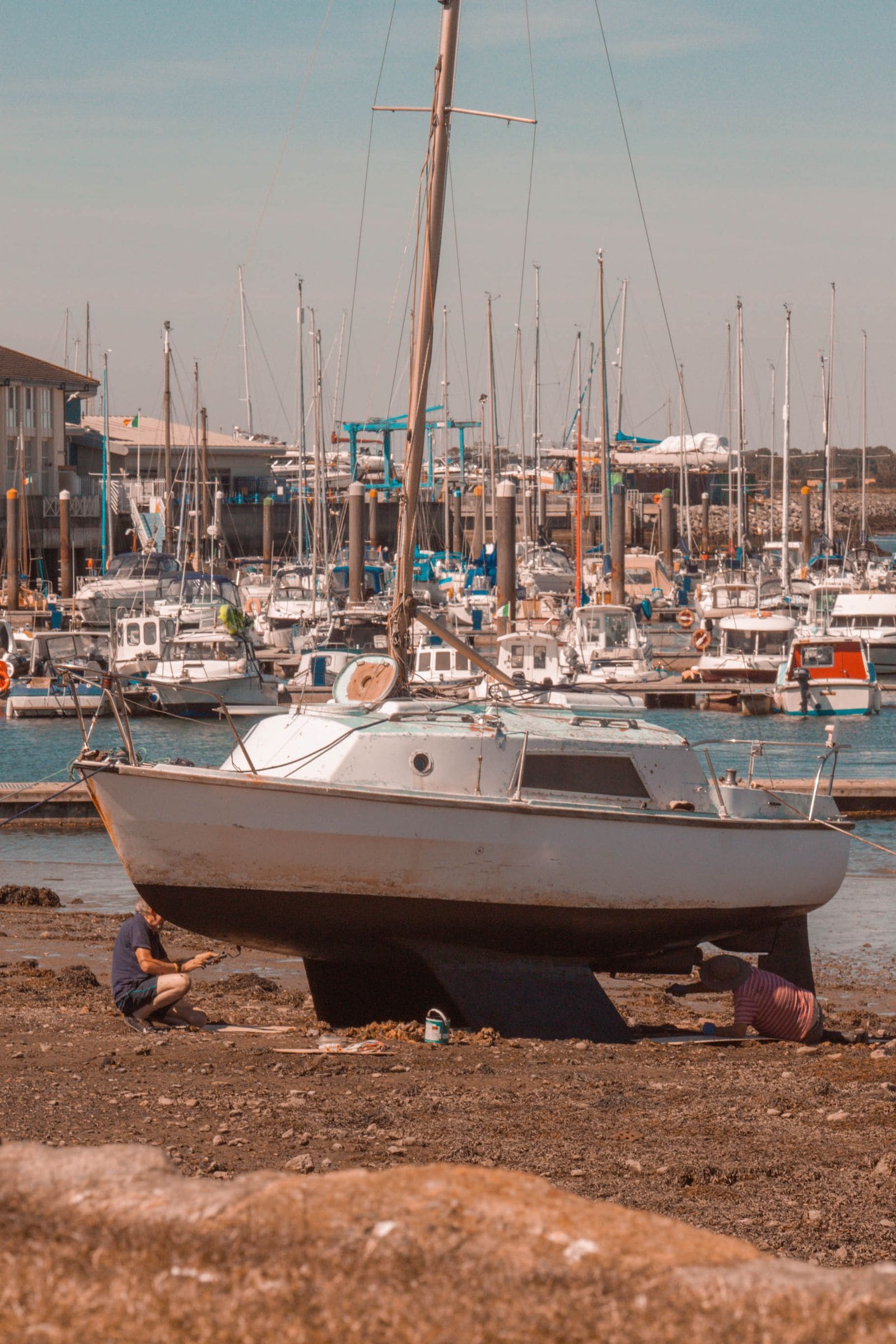
Storing a Boat on Stands and Blocks: Keel Blocking, Stand Placement and Safety Chains
Learn how a boat should sit on keel blocks and boat stands for winter or a haul-out, so you can check the yard's work, spot dangerous setups, and keep your boat from settling, distorting or falling over in wind, rain or a storm.
Stress and Spider Cracks in Fiberglass, Cosmetic or Structural?
Learn what causes spider, stress and hairline cracks in your boat's gelcoat, how to tell cosmetic crazing from a structural problem with a simple tap and flex check, and when a gelcoat repair is enough or a pro is needed.
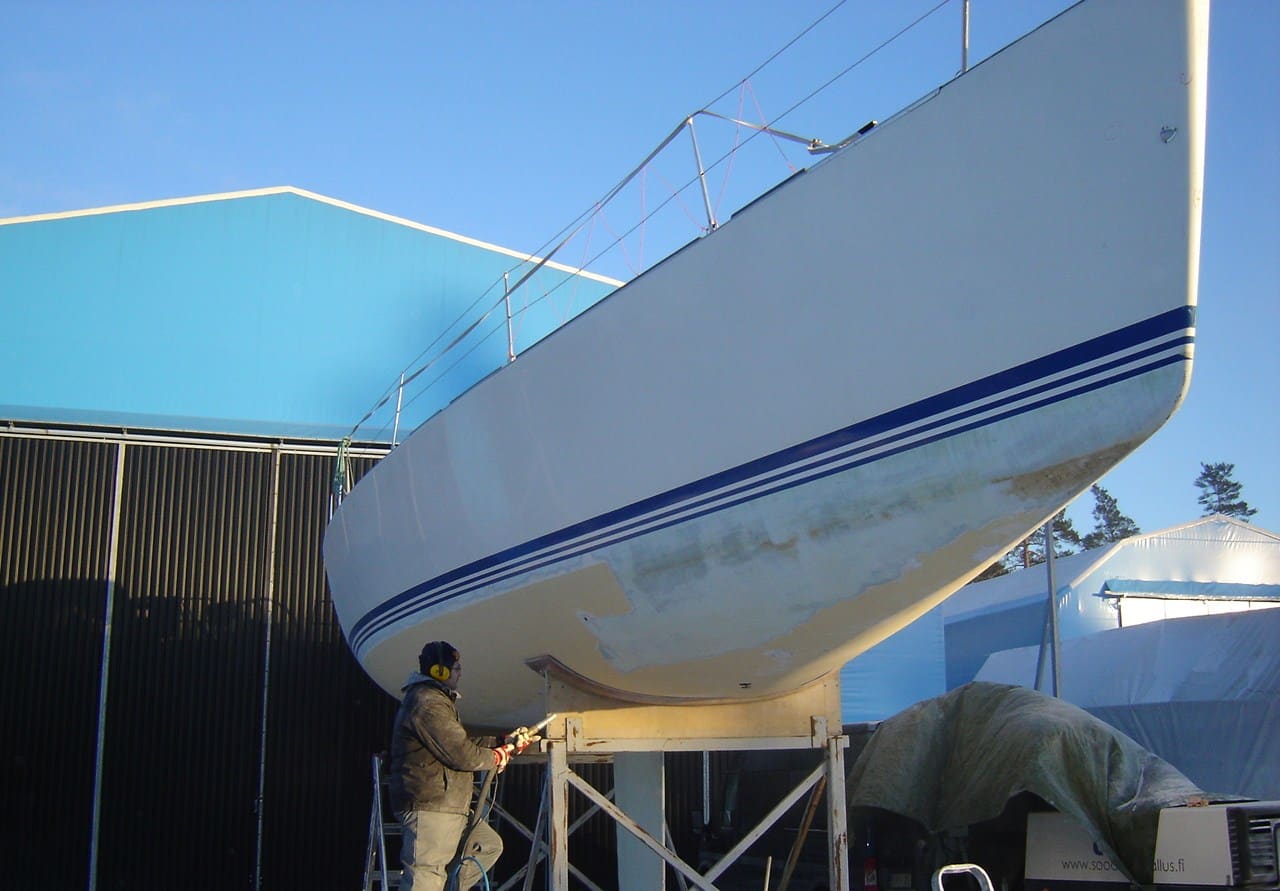
Stripping Old Bottom Paint: Chemical Strippers, Blasting and Sanding
Learn when old bottom paint has to come off, how chemical strippers, soda or media blasting and sanding compare, how to protect yourself and the water from toxic dust, and why a bare hull needs primer or a barrier coat before new antifouling.
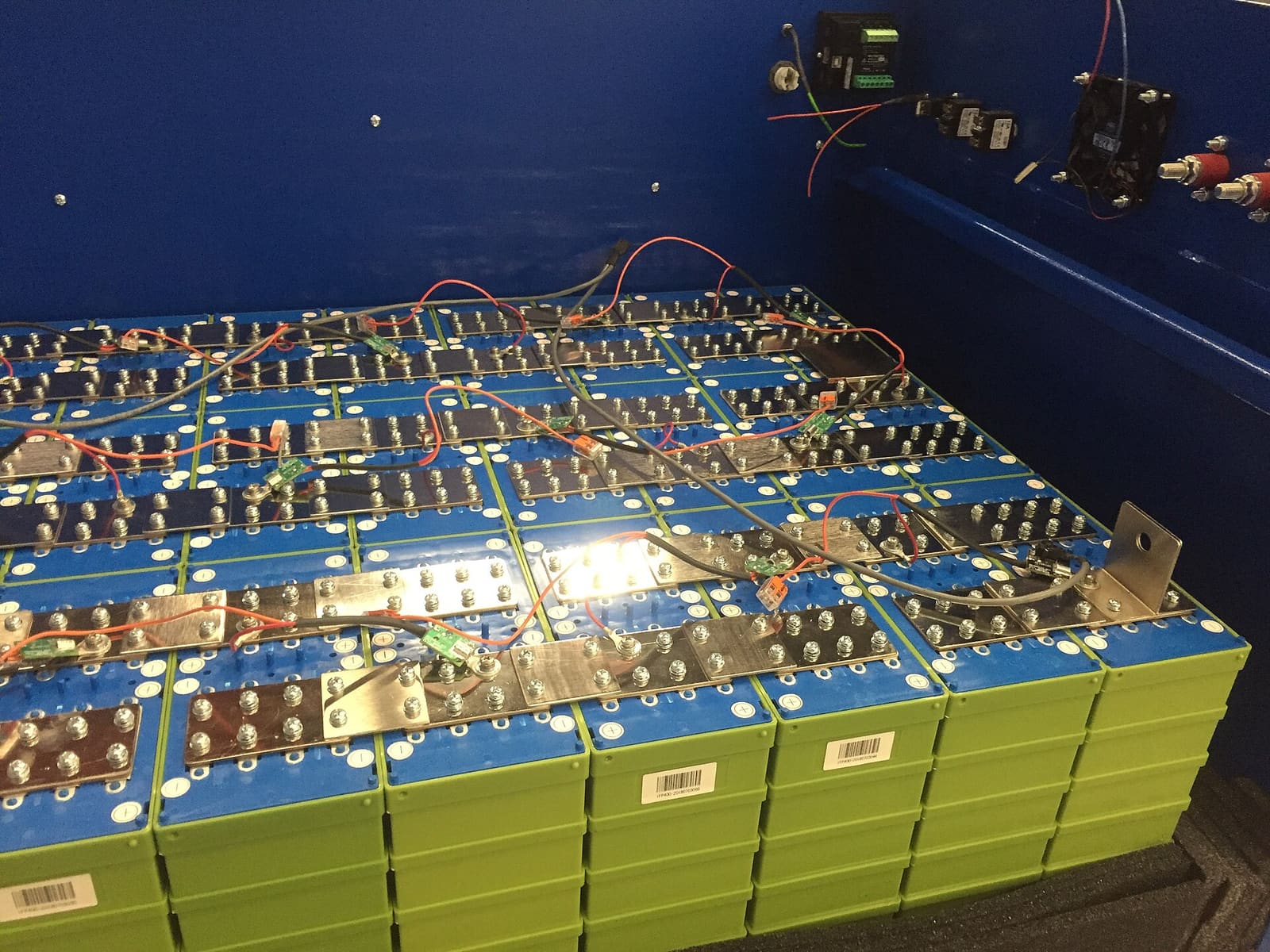
Switching to Lithium (LiFePO4) Boat Batteries: What Changes and When It's Worth It
What really changes when you swap lead-acid for lithium iron phosphate (LiFePO4) batteries on a boat: the battery management system, charger settings, protecting the alternator with a DC-DC charger, not mixing chemistries, cold-weather charging, and which jobs (trolling, house, starting) suit lithium. House-bank conversions should be designed and installed by a qualified marine electrician.
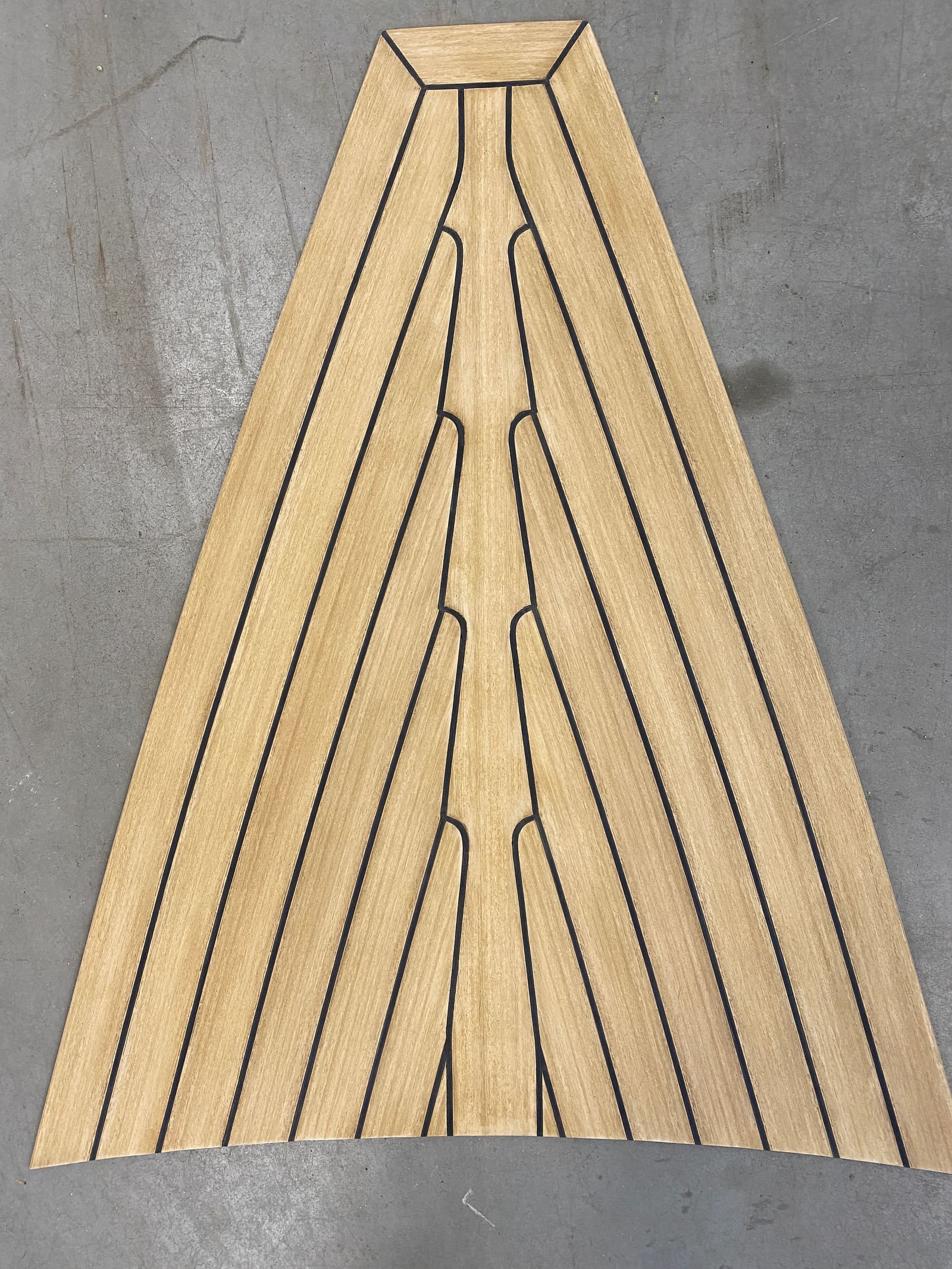
Synthetic Teak Decking: Choosing, Installing and Caring for PVC Teak
PVC "teak" such as Flexiteek, PlasDECK and Permateek gives you the teak look without oiling or recaulking, but it is glued down for good and it gets hot in the sun. Learn how it compares with real teak and foam, what a pro or DIY install involves, and how to clean, repair and keep the warranty valid.
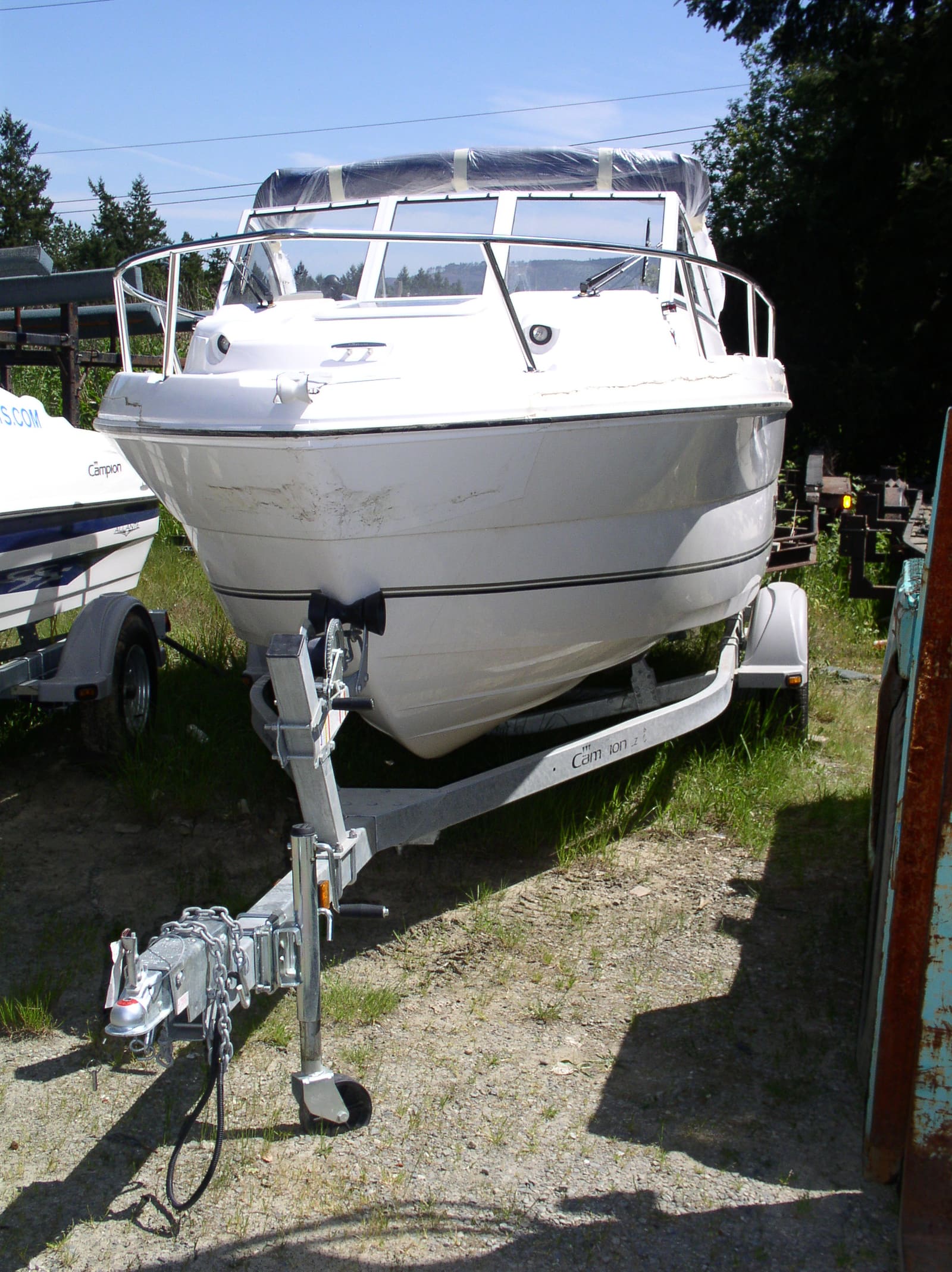
Taking Delivery of a New Boat: Dealer PDI, Paperwork, Sea Trial and First Service
What to check before you sign for a new boat: the dealer's pre-delivery inspection, the HIN and title paperwork, warranty registration, required safety gear, a systems walk-through and a real sea trial. Then break the engine in properly and book the first service so the warranty stays intact.
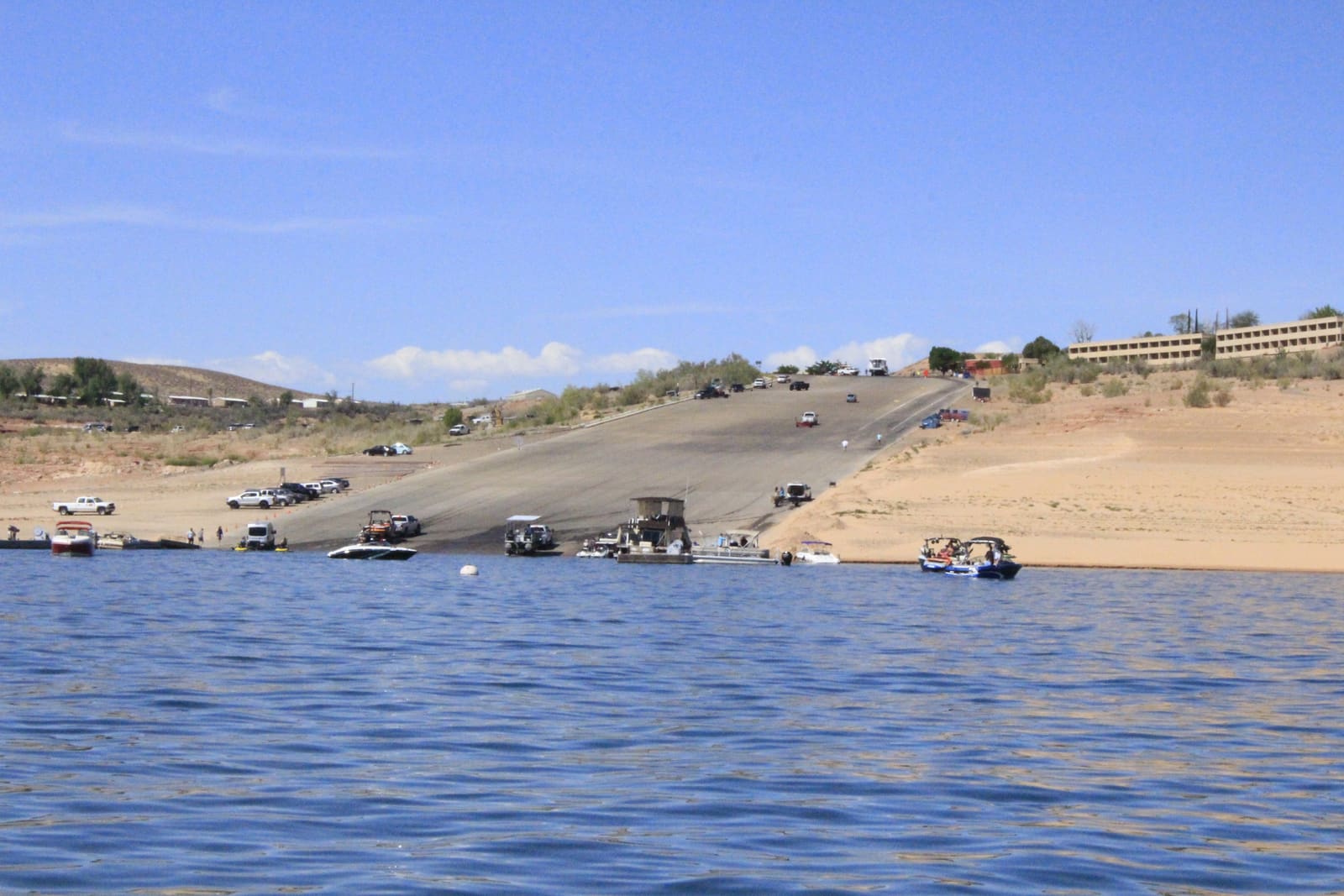
Taking Your Boat to Another State: Registration Reciprocity, Visitor Time Limits and Nonresident Permits
Your home-state registration lets you boat in other states, but only for a while, and some states add their own visitor permits, use-tax permits and invasive species stickers. Learn how federal reciprocity works, real examples from Texas, Florida, Washington and Oregon, and a checklist for a vacation trip or a season away. General information, not legal advice.
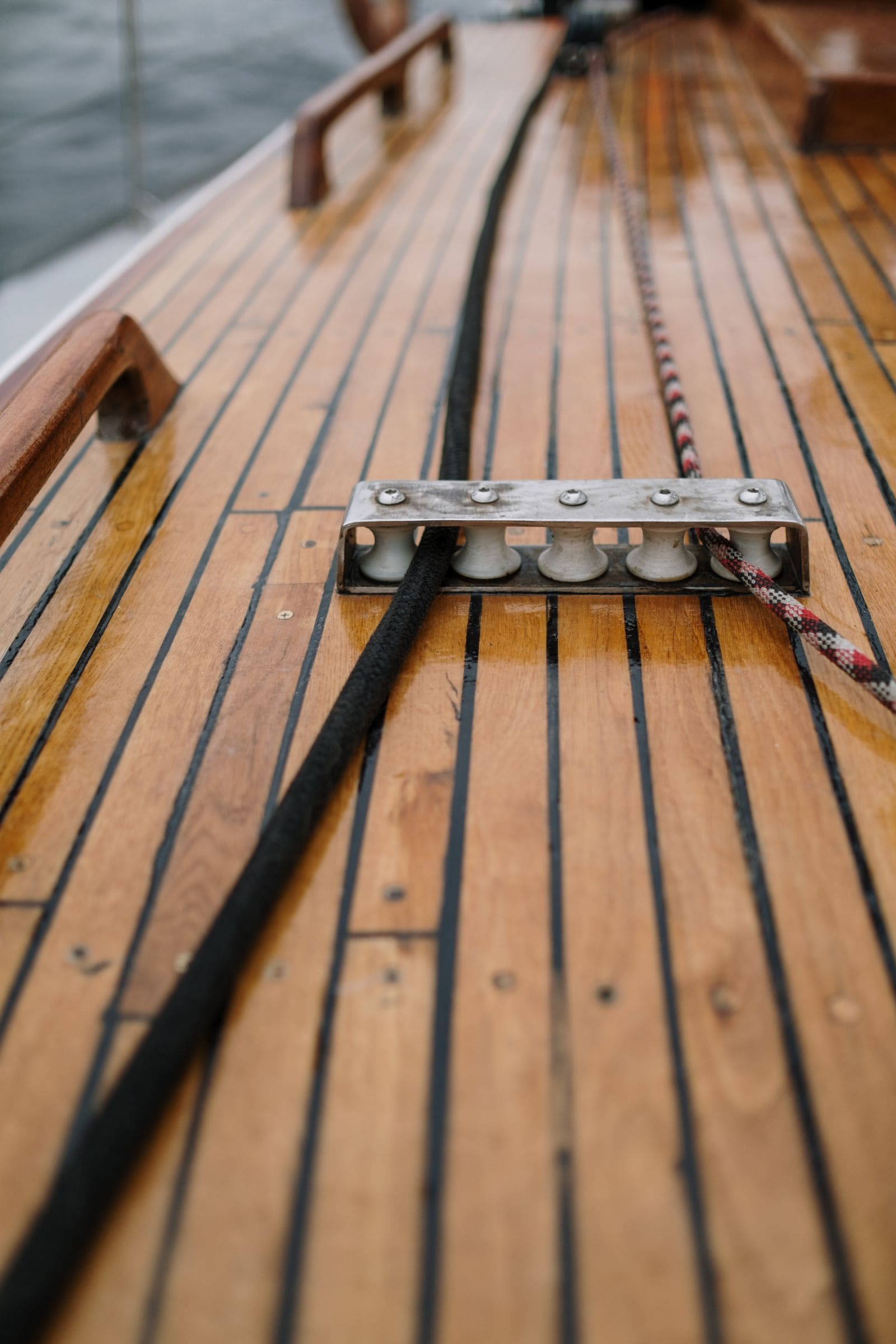
Teak Deck and Trim Care: Clean, Oil, Seal or Leave It Natural
Keep teak decks, rails and trim looking good without wearing them away. Choose between a natural gray look, oil, sealer or varnish, and learn how to clean teak gently so you don't destroy it with harsh cleaners or a pressure washer.

Testing Your VHF Antenna and Coax: Radio Checks, SWR, Connectors and Mounts
Most weak or scratchy VHF radios have nothing wrong with the radio. Learn how to test the whole antenna system, from a proper radio check and a DSC test call to a multimeter and SWR meter, how to find corroded connectors and wet coax, and when to replace the cable, antenna or mount.
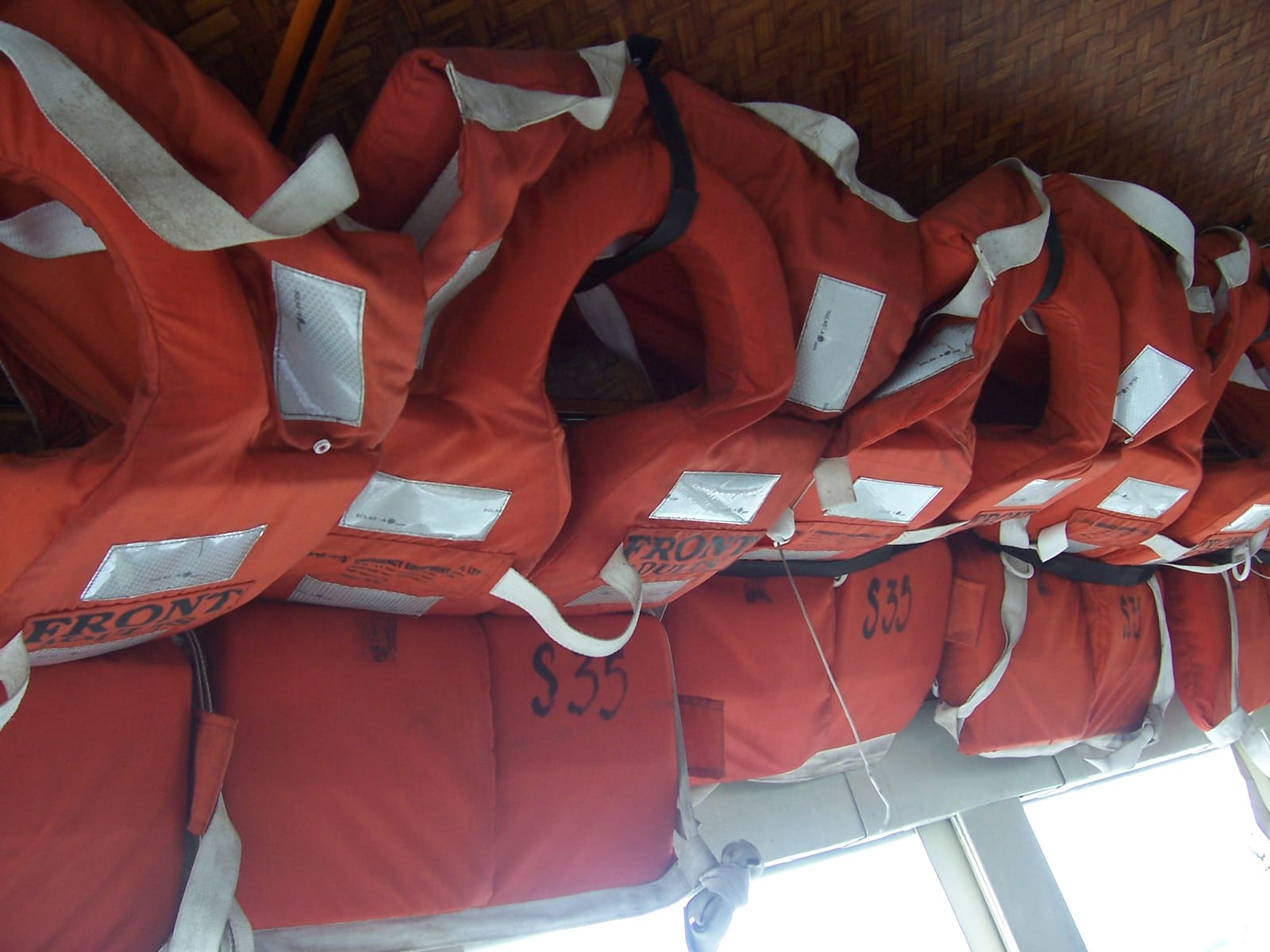
The Pre-Departure Safety Briefing: What to Tell Every Passenger (with a Printable Checklist)
A five-minute talk before you leave the dock turns guests into a crew that can help in an emergency. Cover life jackets, the engine cut-off switch, the fire extinguisher, how to call for help on the VHF, what to do if someone falls overboard, staying seated, seasickness and carbon monoxide near the stern, then use the printable checklist every trip.
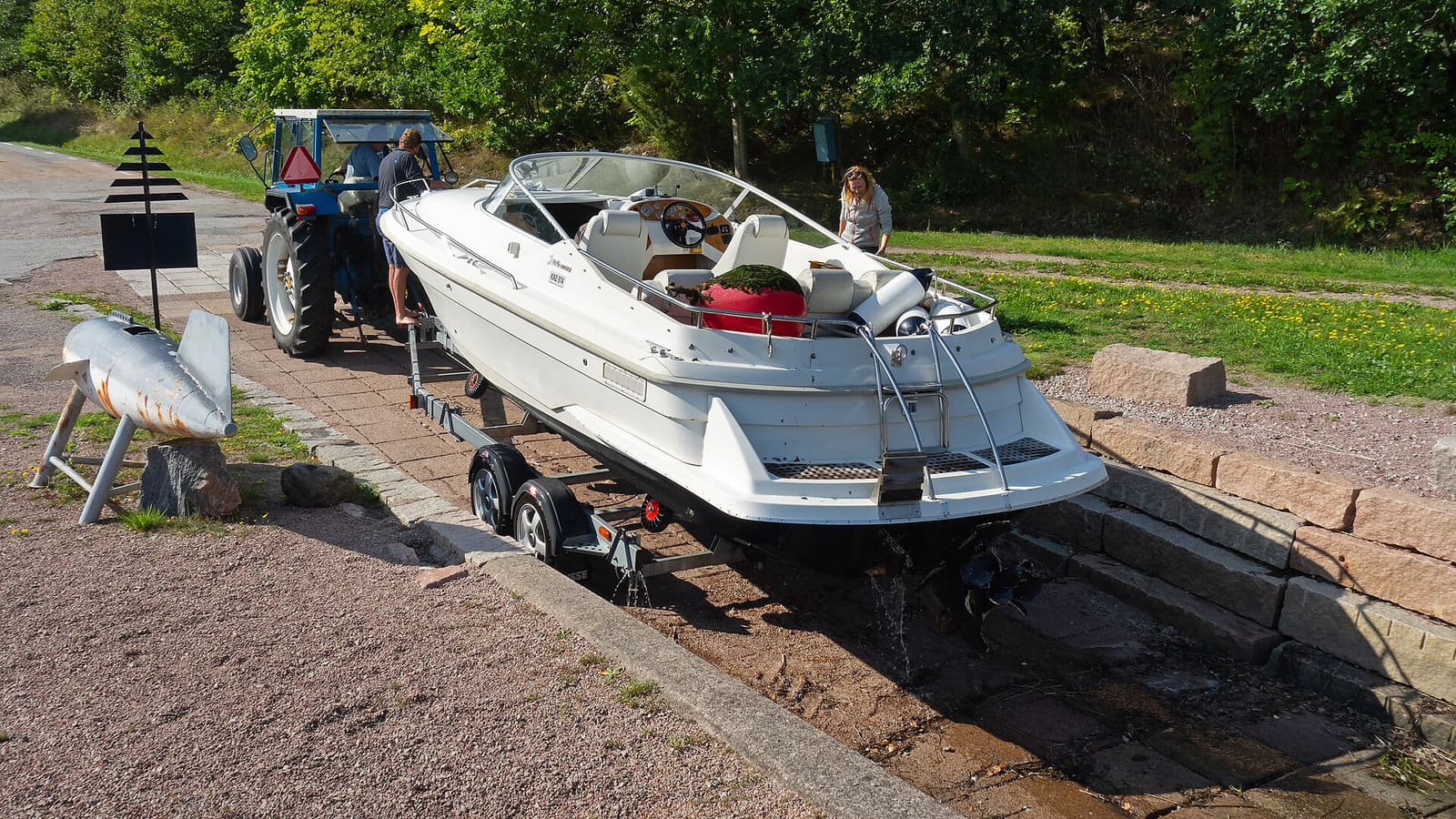
The Real Cost of Owning a Boat: Building a Yearly Budget and Cutting Costs with DIY
Add up what a boat really costs each year (storage, insurance, fuel, maintenance, winterizing, registration, depreciation and the surprise repair), check it against the common rules of thumb, and find the places where do-it-yourself work and smarter choices save real money. Practical planning help, not financial advice.
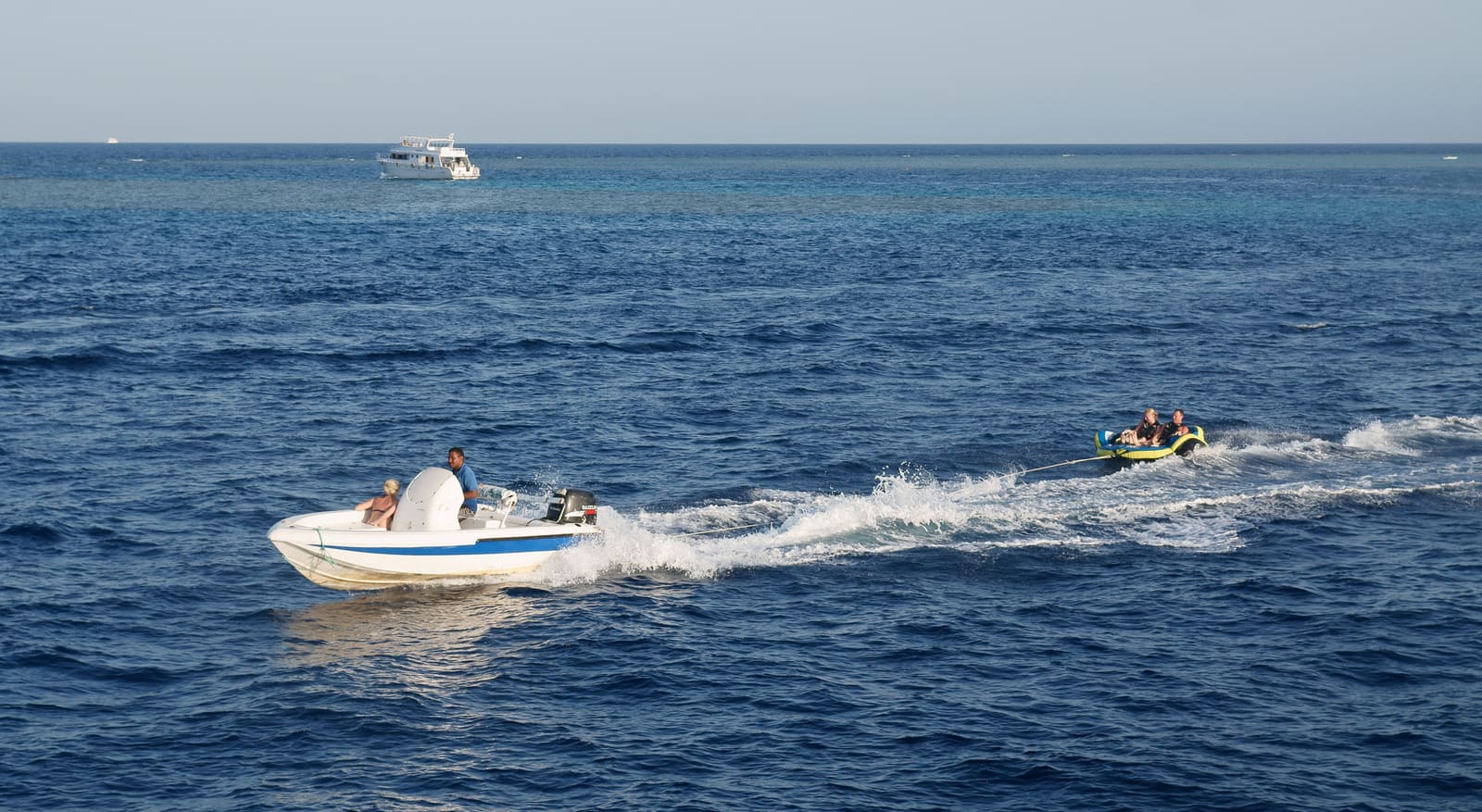
Tow Ropes, Tubes and Watersports Gear: Inspect, Rig and Retire
Check ski, wakeboard and tube ropes, handles, towable tubes and your boat's tow points before every outing, rig them the right way, and know when to throw gear out. Includes the safety basics (spotter, flag, life jackets, prop and carbon monoxide) that vary from state to state.
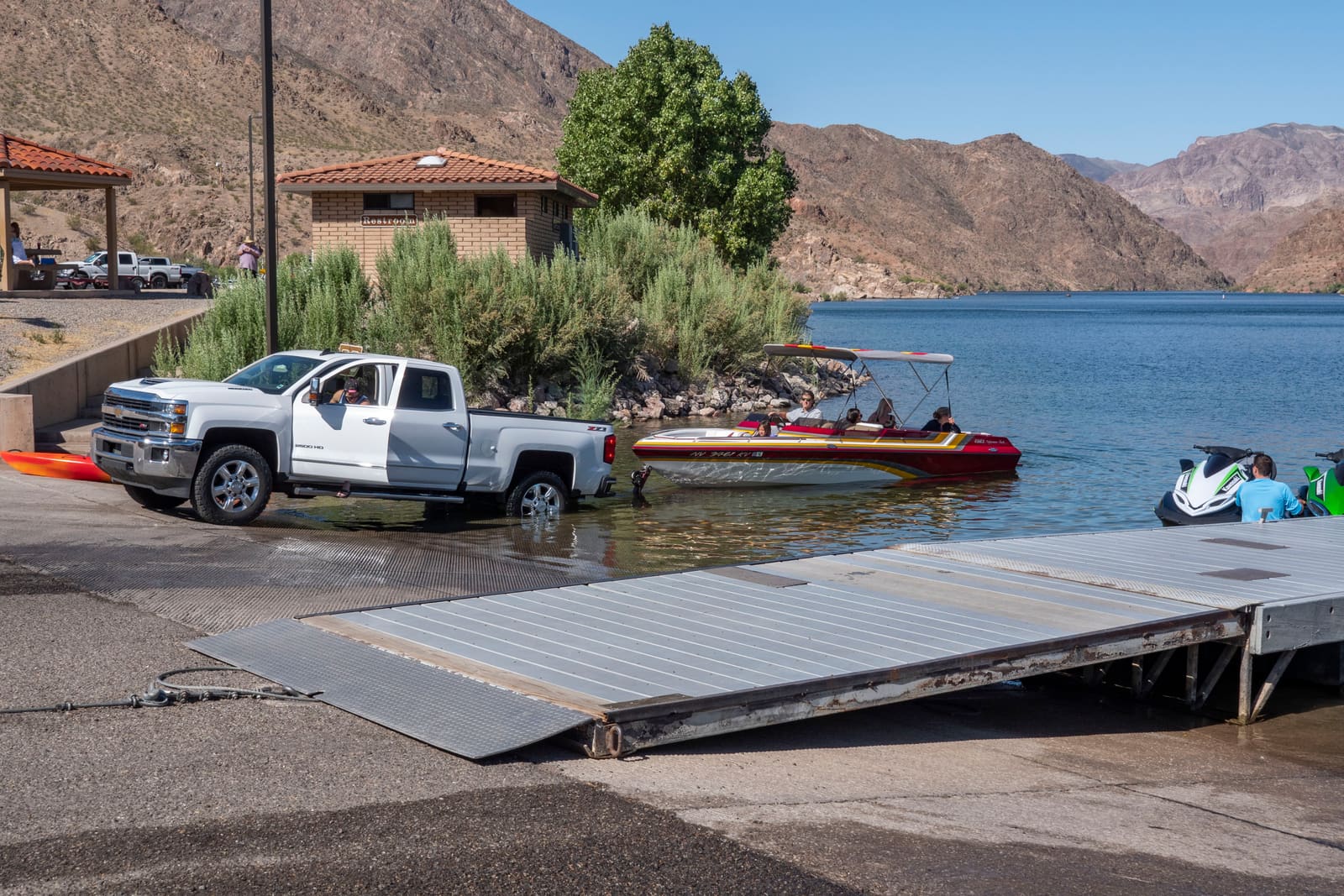
Tow Vehicle Maintenance for Boat Owners (Transmission, Differential, Brakes, Hitch)
Keep the truck or SUV that pulls your boat ready for the job: follow the severe-service schedule, protect the transmission from heat, check the rear differential for ramp water, keep brakes, tires, hitch and wiring in shape, and rinse salt off the underside after every saltwater launch.
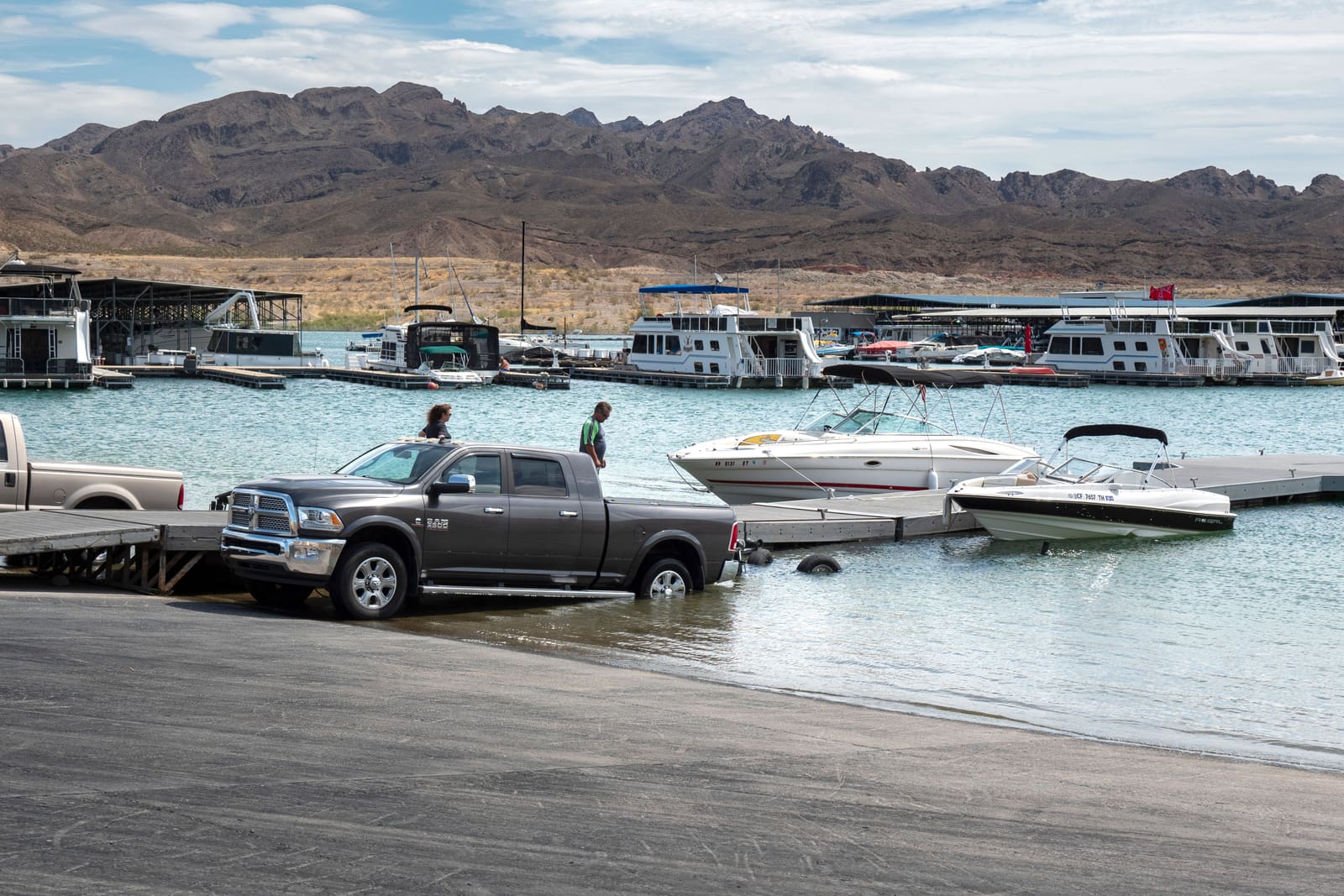
Tow Vehicle Rear Differential Care: Ramp Water, Milky Gear Oil and Limited-Slip Additive
Backing the truck's rear axle into the water at the launch ramp can pull water into the differential through its vent. Learn how water gets in, how to keep the axle dry, how to drain and read the gear oil, why limited-slip axles need friction modifier, when to change the fluid, and when the differential needs a shop.
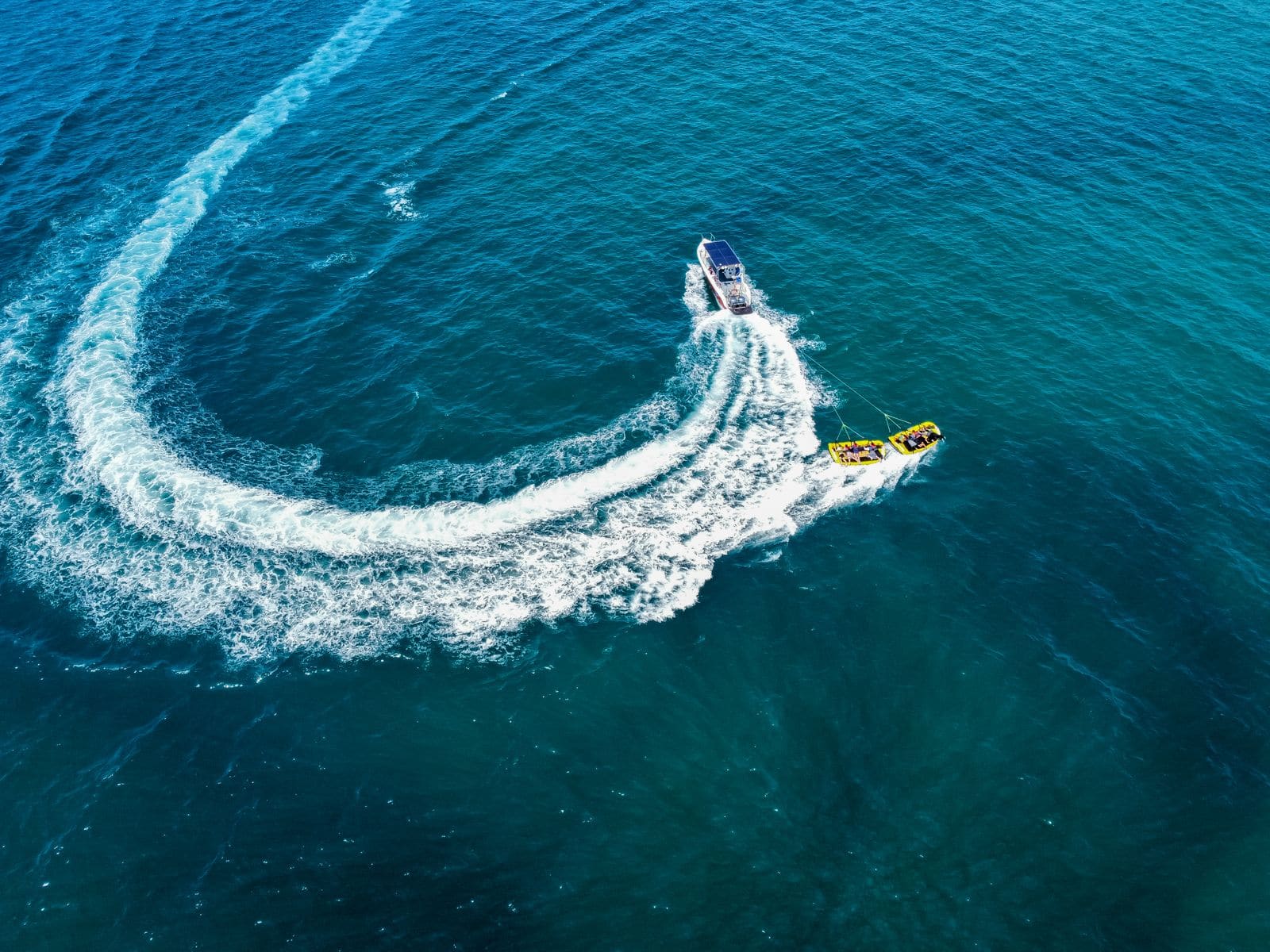
Towable Tube Care and Repair: Find Leaks, Patch the Bladder and Know When to Retire It
Inspect a towable tube's bladder, cover, valves, handles and tow point, find and patch leaks the right way, and dry and store it so it lasts. Also covers rider ratings and the damage that means the tube should be retired, not repaired.
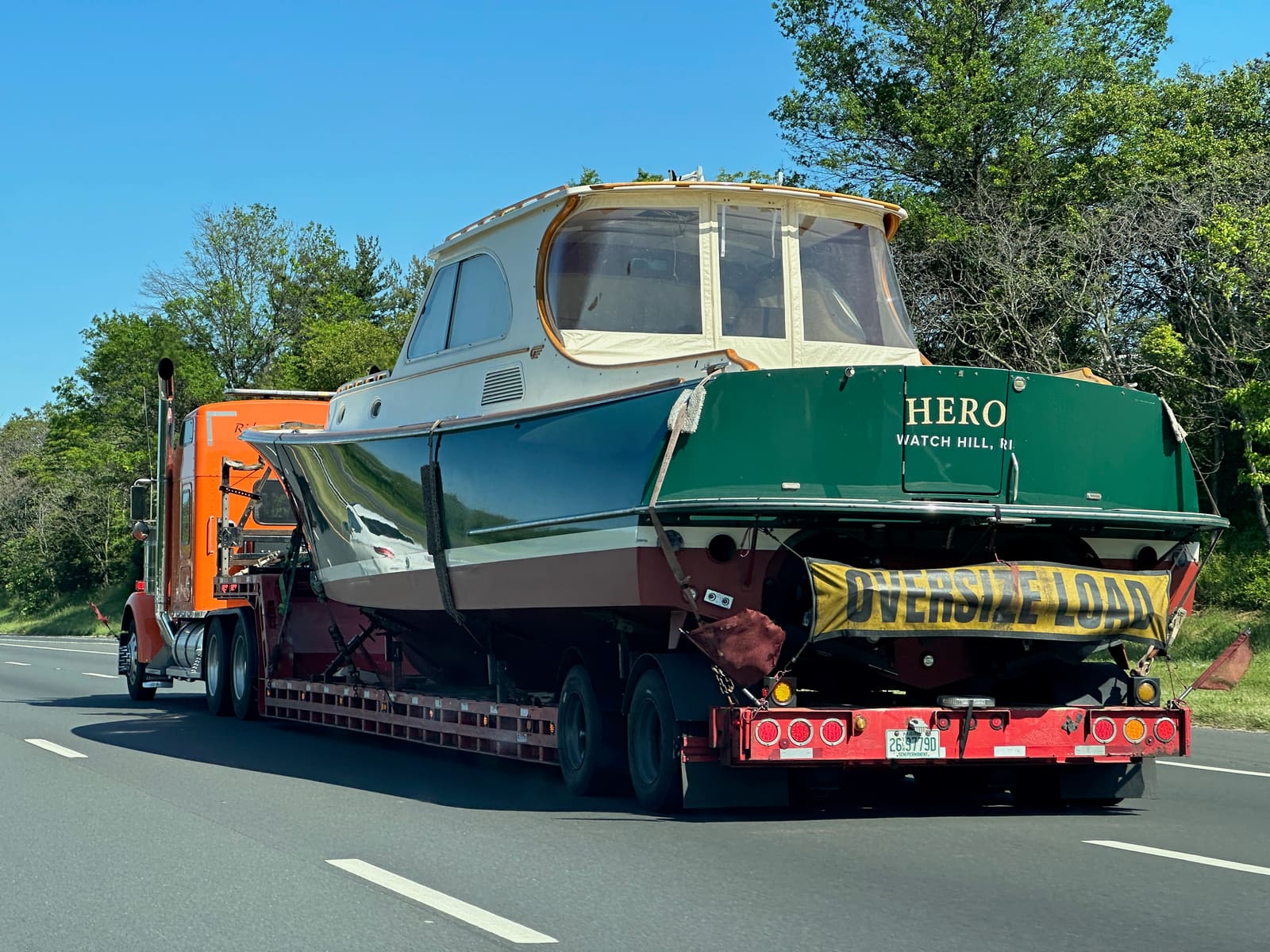
Towing a Wide or Heavy Boat: Width Limits, Oversize Permits and When to Hire a Hauler
In most states a boat or trailer wider than 8 feet 6 inches (102 inches) is a wide load that needs a permit, and some loads also need flags, signs, lights, set travel hours or escorts. Learn how to measure your rig, find each state's rules, get the permits and decide when a professional transporter makes more sense.
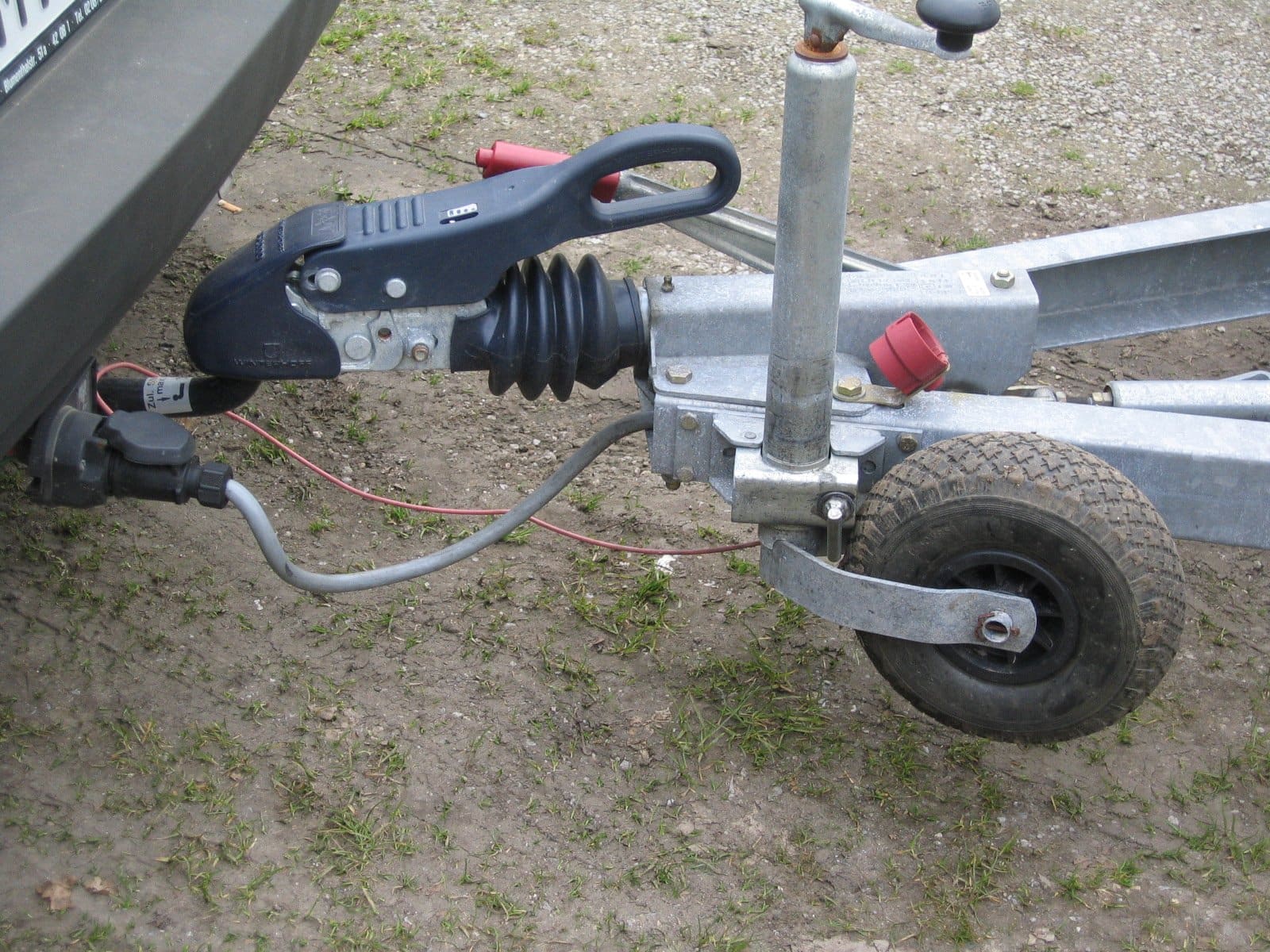
Trailer Tongue Jack and Coupler Care: Grease, Adjust and Know When to Replace
The tongue jack and coupler take a beating from weight, road grit and launch-ramp dunking. A few minutes of cleaning and grease a couple of times a season keeps the jack cranking smoothly and the coupler locking tight on the ball, and tells you when either part is worn out.
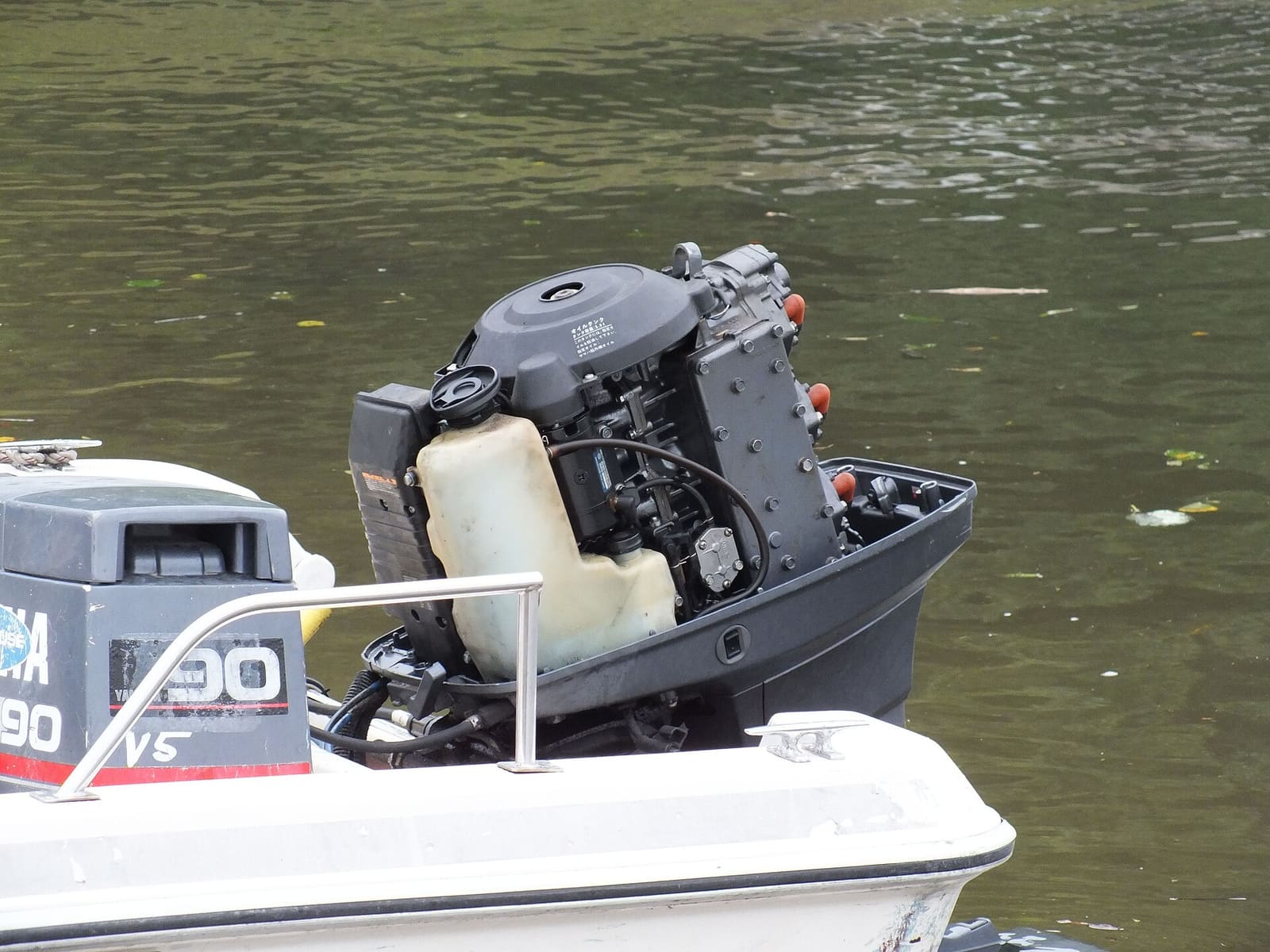
Two-Stroke Oil Injection vs. Premix: How It Works and How to Check It
A two-stroke engine dies quickly without oil in its fuel, so the oil injection system and its alarms deserve regular attention. Learn how injection and premix differ, what the warning horn is telling you, how to check the system, how to premix safely using your manual's ratio, and the real risks of disabling injection.
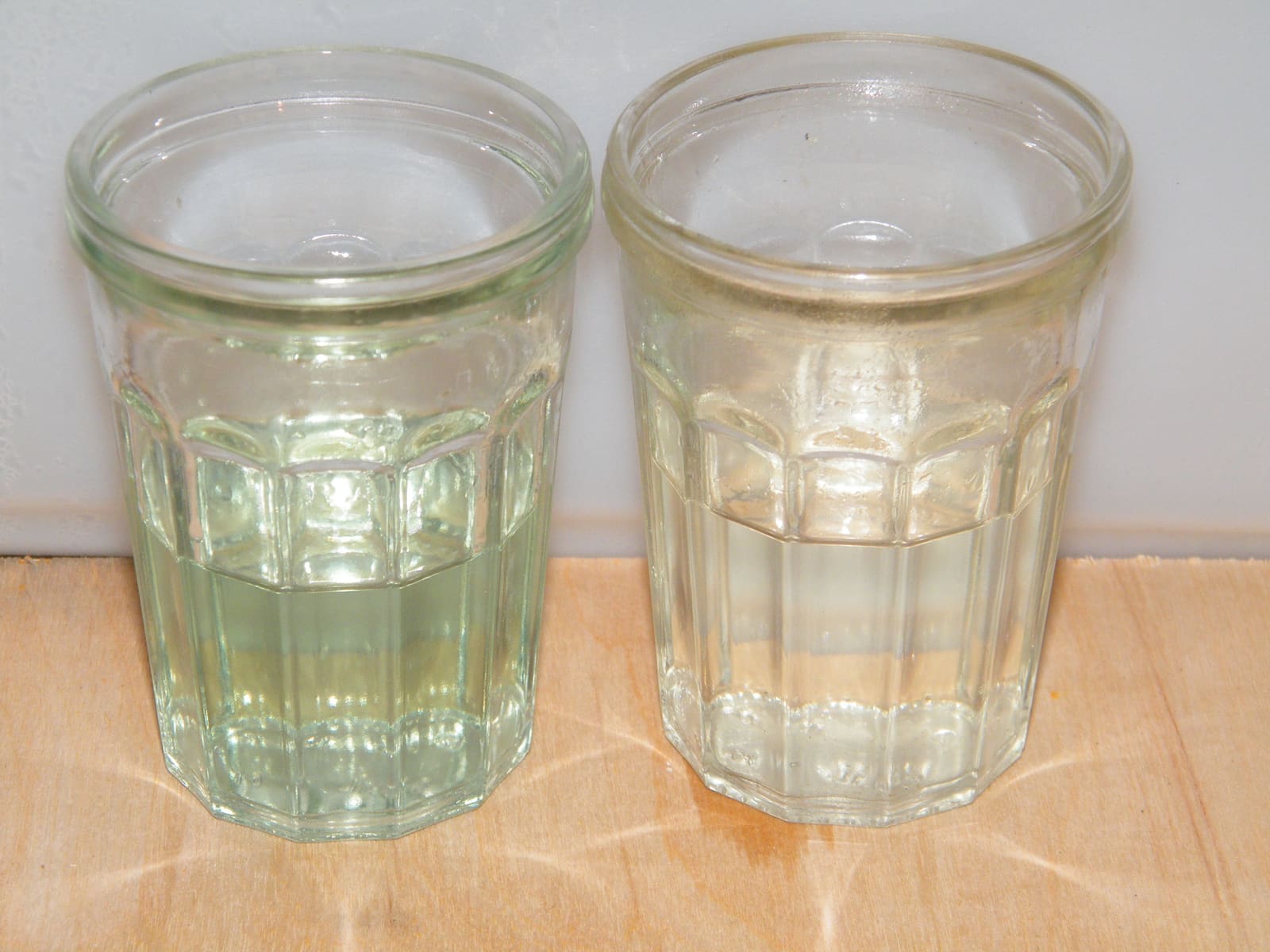
Two-Stroke Premix Conversion: Living With an Engine That Had Its Oil Injection Removed
Bought a two-stroke outboard or PWC whose oil injection was removed, or thinking of doing it? Learn how to confirm what was done, mix fuel at the ratio from your manual every single time, label your tanks so nobody forgets, choose NMMA TC-W3 oil and understand the real risks.
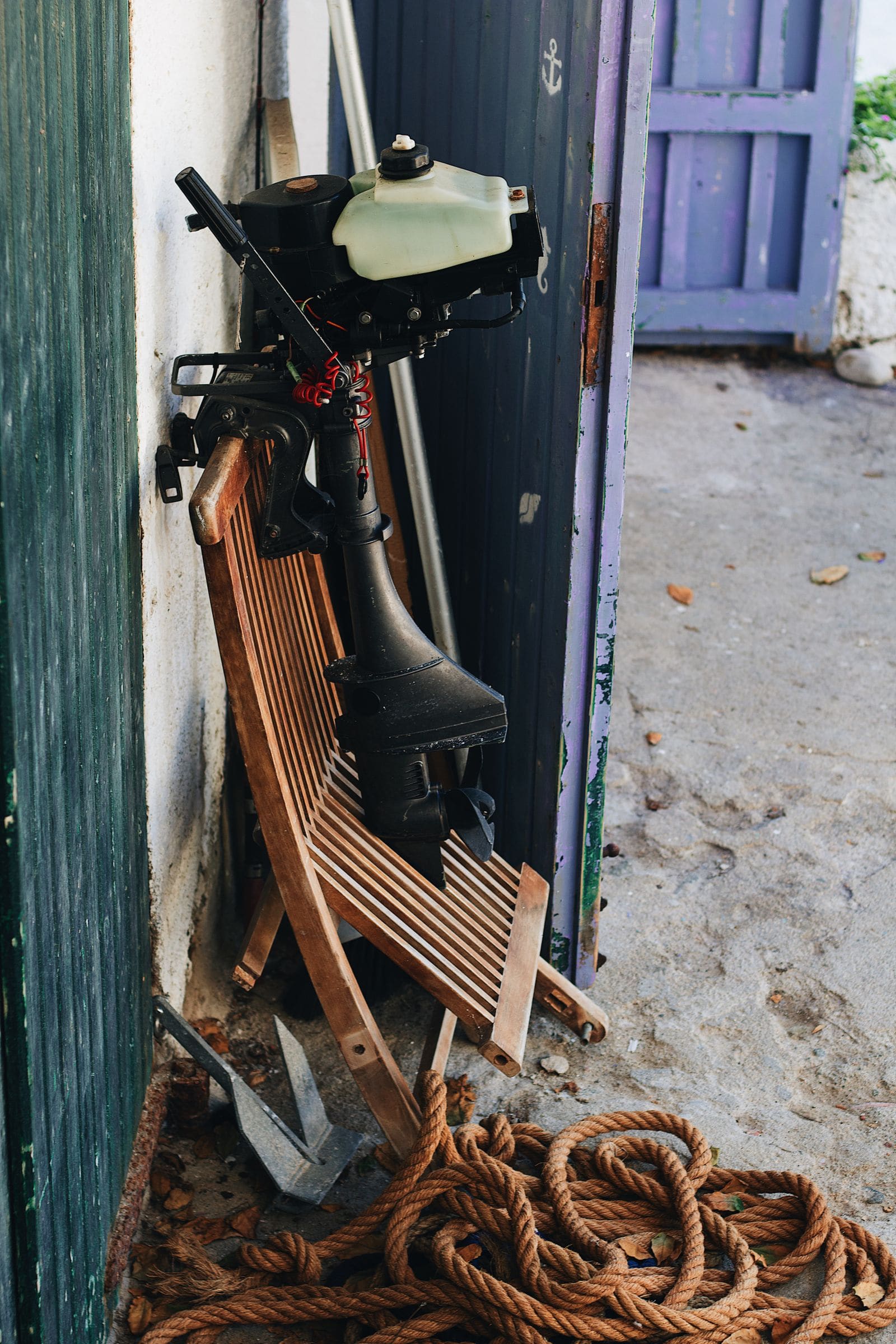
Two-Stroke Smoking More Than Usual - Troubleshooting Guide
Tell normal two-stroke smoke from a warning sign, then work through the usual causes in order, from the oil mix and choke to spark plugs, oil injection, carburetor and overheating, and know when to shut down.

Underwater LED Lights: Care, Leaks, Corrosion, Wiring and the Rules
Keep underwater LED lights bright and your hull dry. Learn the difference between through-hull and surface-mount lights, how to clean growth off the lens without damaging it, what to check for leaks, wiring, fusing and bonding, when the boat has to be hauled, and why the lights should not be on while you're underway.
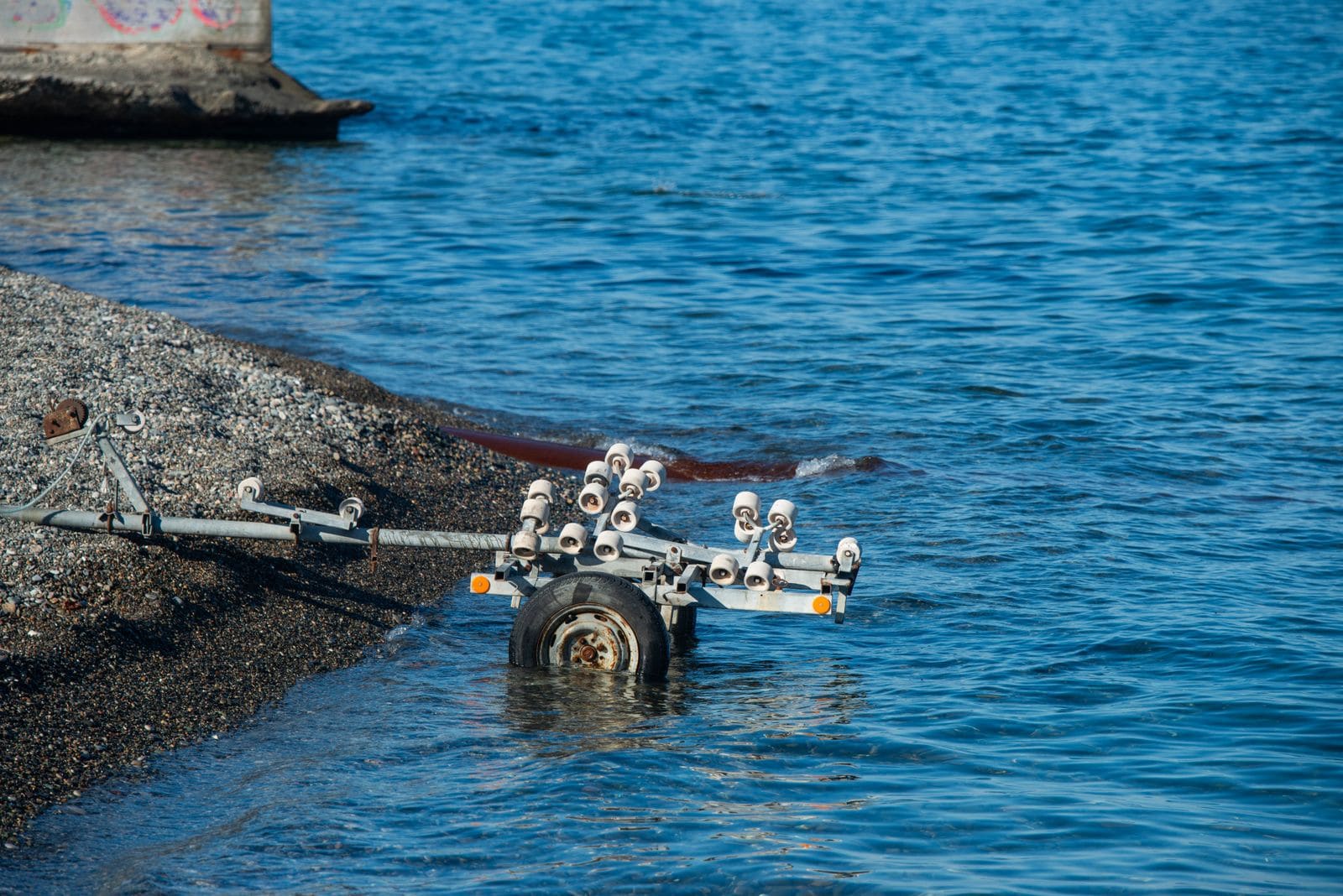
Upgrading Boat Trailer Hubs: Grease-Through Spindles, Oil Bath, Protectors and Pre-Packed Kits
Choose the right hub setup for how you use your trailer, swap in a pre-packed hub kit, adjust it correctly and know when the axle itself is the real problem. Better hubs mean fewer roadside bearing failures and less time with greasy hands.
Safety: BoatMend is for information only and does not replace a certified marine technician. You are responsible for your safety and your boat. Read the full disclaimer.