Repair & maintenance guides
Plain-English, step by step, written for owners. Pick your engine to see the guides that apply to it.
376 of 509 guides · page 7 of 16
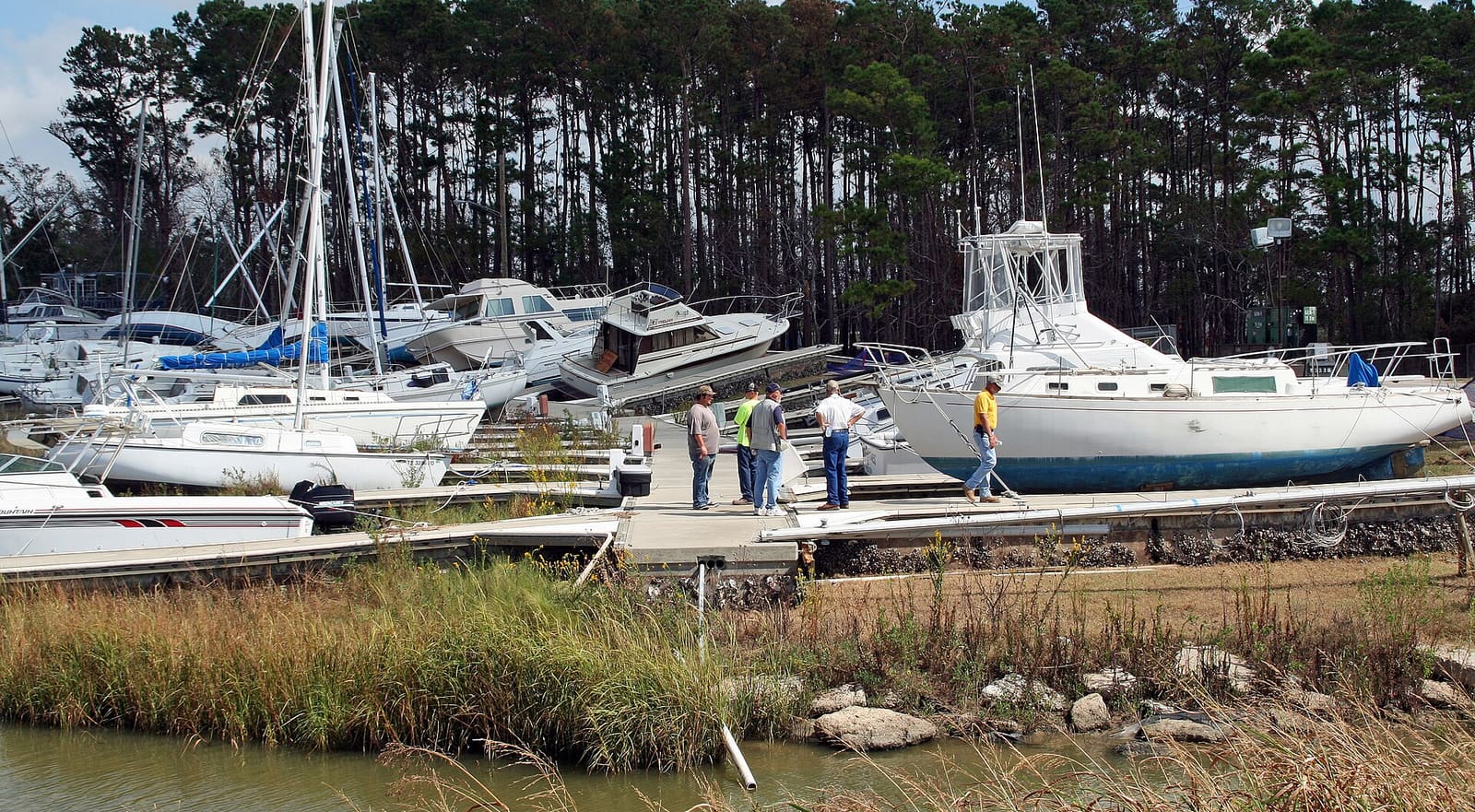
How to File a Boat Insurance Claim: Safety, Mitigation, Documentation and Settlement
What to do from the moment something goes wrong until the check arrives: make everyone safe, stop further damage, report right away, document with photos and your maintenance log, handle towing versus salvage, work with the adjuster or surveyor, and understand agreed value, actual cash value and the common exclusions. Policies differ, so your own policy wording always wins.

How to File a Float Plan: What to Include, Who Gets It and What They Do If You're Late
A float plan is a short written trip plan you leave with someone ashore, not with the Coast Guard. Fill in the free USCG Float Plan or the Coast Guard app, agree on a firm 'call for help by' time, check in when plans change, close the plan when you're home, and give your shore contact clear steps for reporting you overdue.
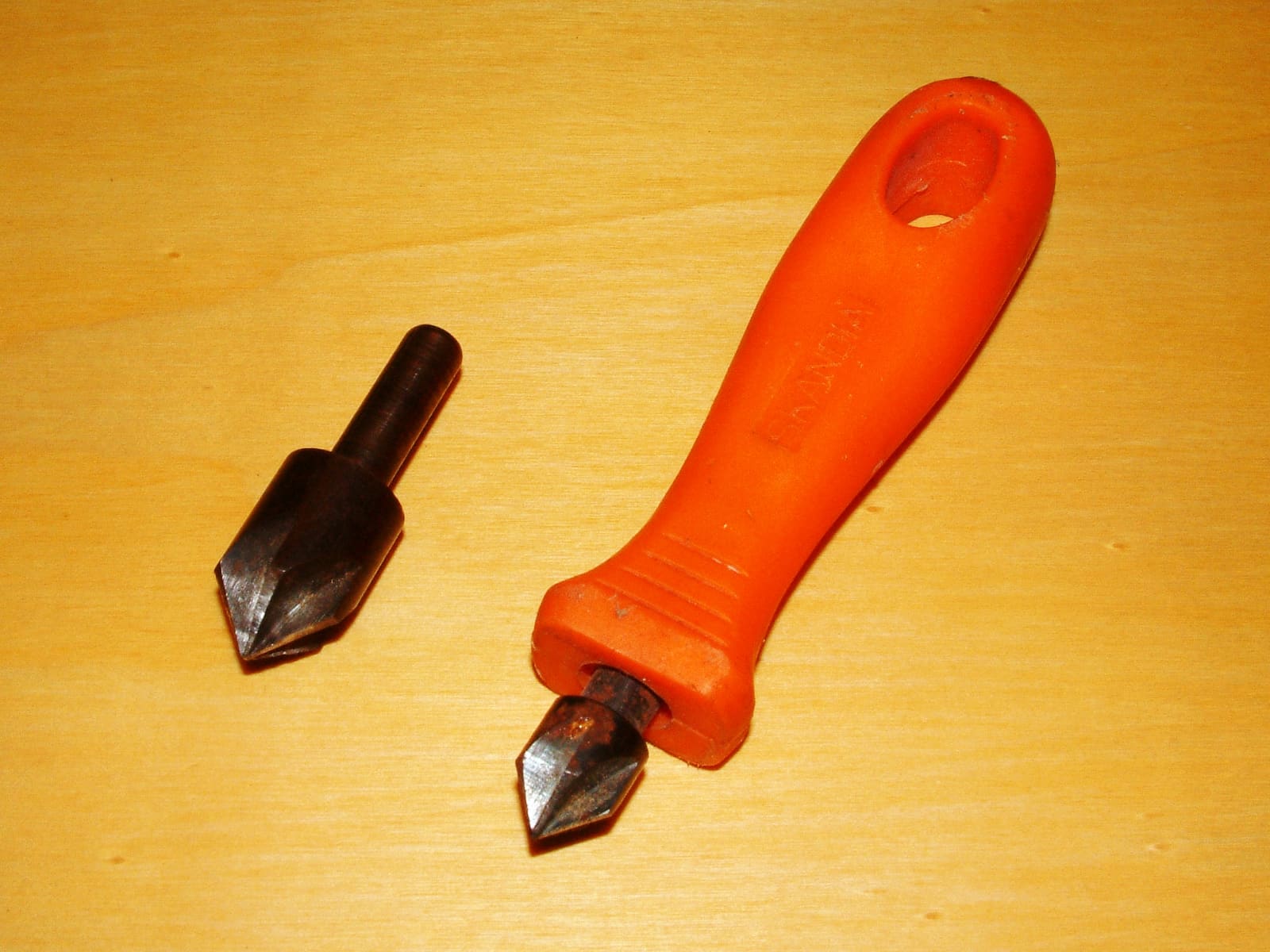
How to Fill Old Screw Holes in Fiberglass Decks and Hulls
Close up the holes left by removed cleats, rod holders, electronics and trim so water can't reach the deck core. Covers simple epoxy fills, the overdrill-fill-redrill method for cored decks, a gelcoat finish, and why holes below the waterline are a haul-out job.
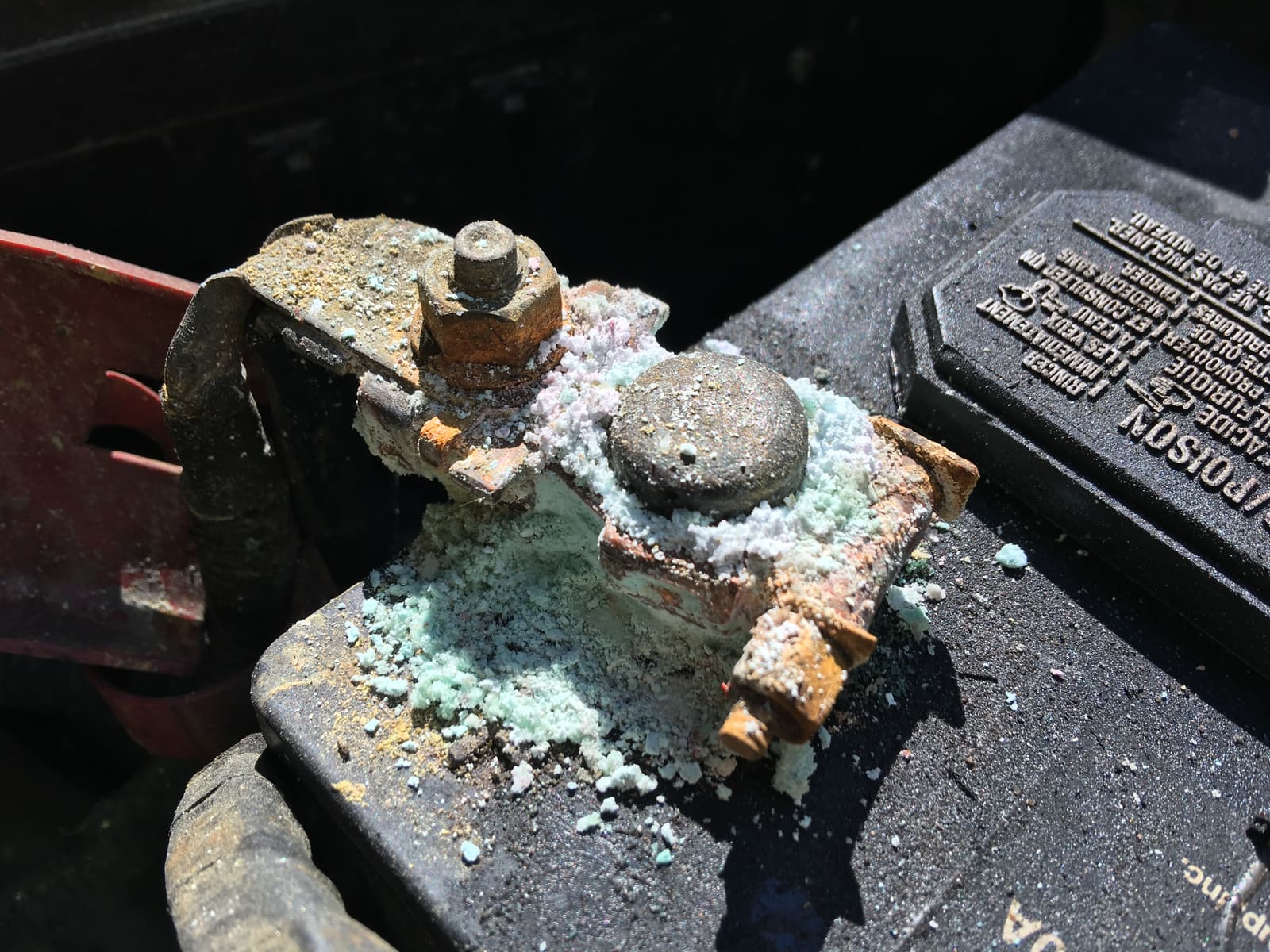
How to Find and Fix Corroded Electrical Connections on a Boat
Track down the green crust and loose terminals behind flickering lights, dead gauges and slow cranking with a simple voltage-drop test, then remake the connection the marine way: tinned wire, a proper crimp, adhesive-lined heat shrink and a protective coating.
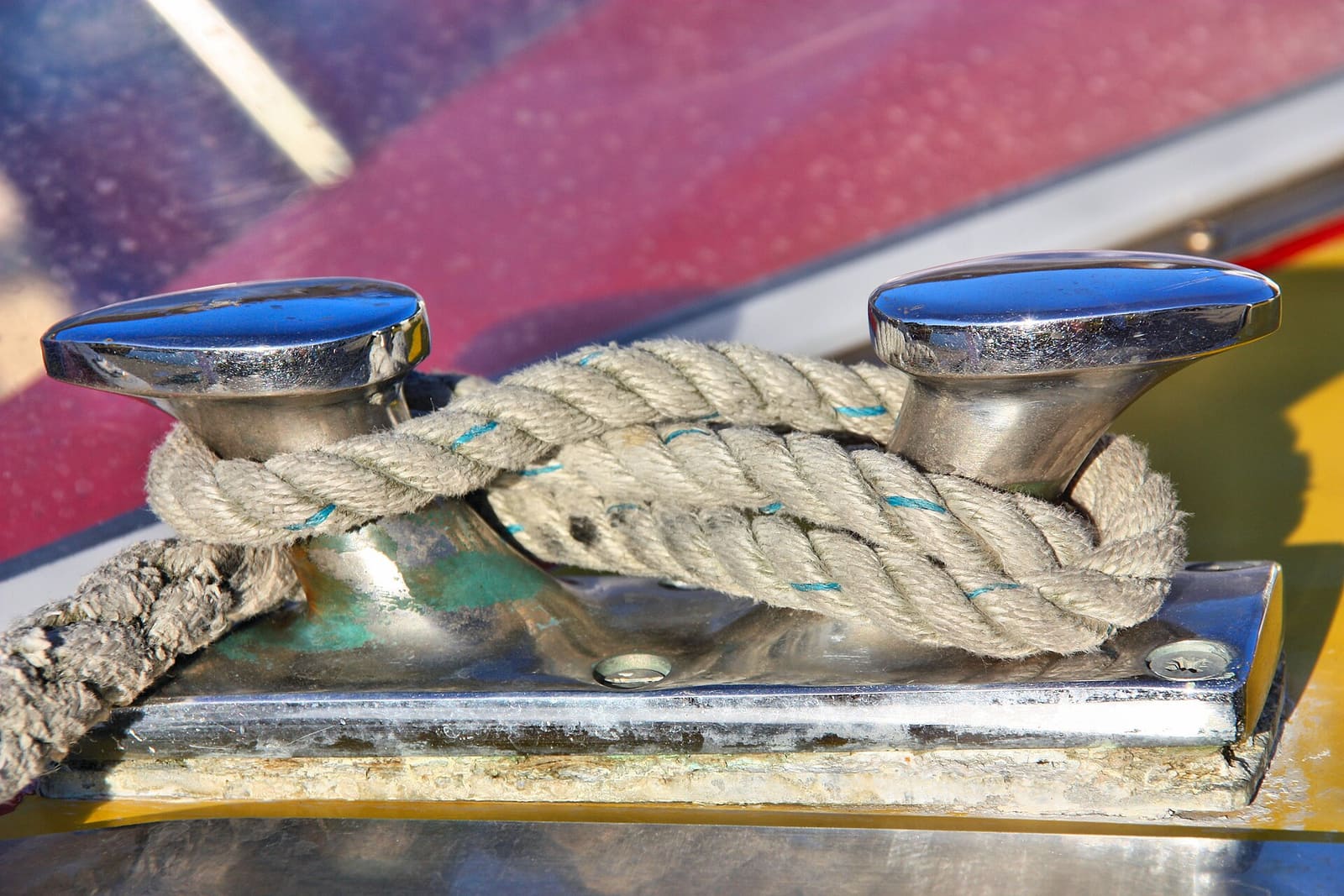
How to Find and Fix Leaking Deck Hardware (Rebedding Cleats, Stanchions and Tracks)
Track down the cleat, stanchion base or track that is dripping into the cabin, then remove it, seal the deck core and bed it again with the right sealant so the leak stops for years instead of weeks. Catching it early protects the deck core from rot.
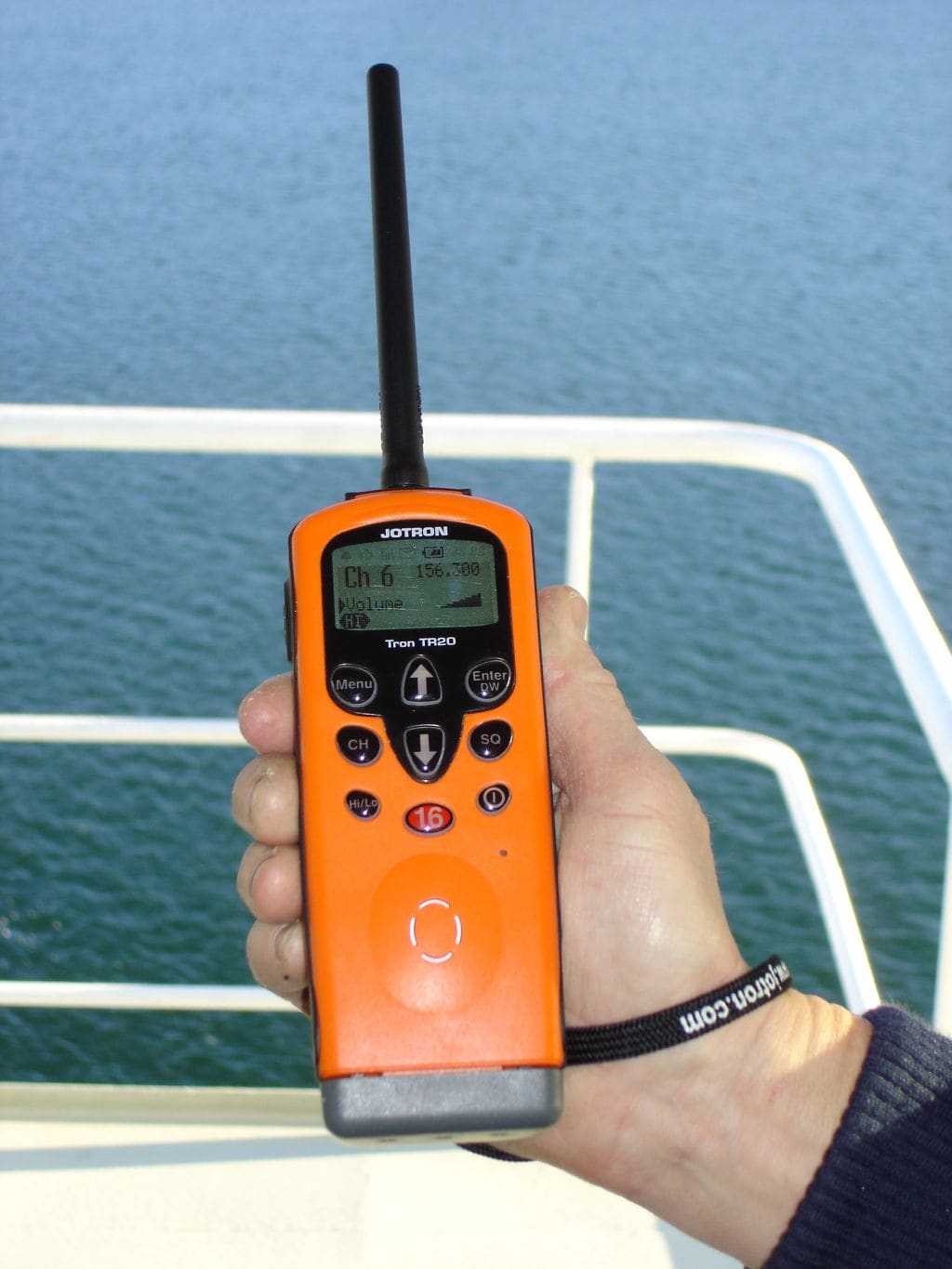
How to Find and Fix LED Lights That Interfere With Your VHF and AIS
Some LED bulbs and fixtures put out radio noise that quietly drowns weak VHF calls, DSC alerts and AIS targets. Run the Coast Guard's squelch test, track down the noisy light with a handheld radio, and fix it with distance, filtering or a quieter fixture.
How to Find and Seal Hull-to-Deck Joint Leaks
Track down water that sneaks in where the deck meets the hull, prove it with a careful hose test, and reseal the joint with or without pulling the rub rail. Fixing it early protects lockers, wiring and the deck core.
How to Find Soft Spots and Wet Core in a Fiberglass Deck
Tap, press and meter your deck to find wet or rotting core before it spreads, track down the leaking hardware that let the water in, and decide whether a small DIY injection repair will do or the deck needs a pro to recore it.
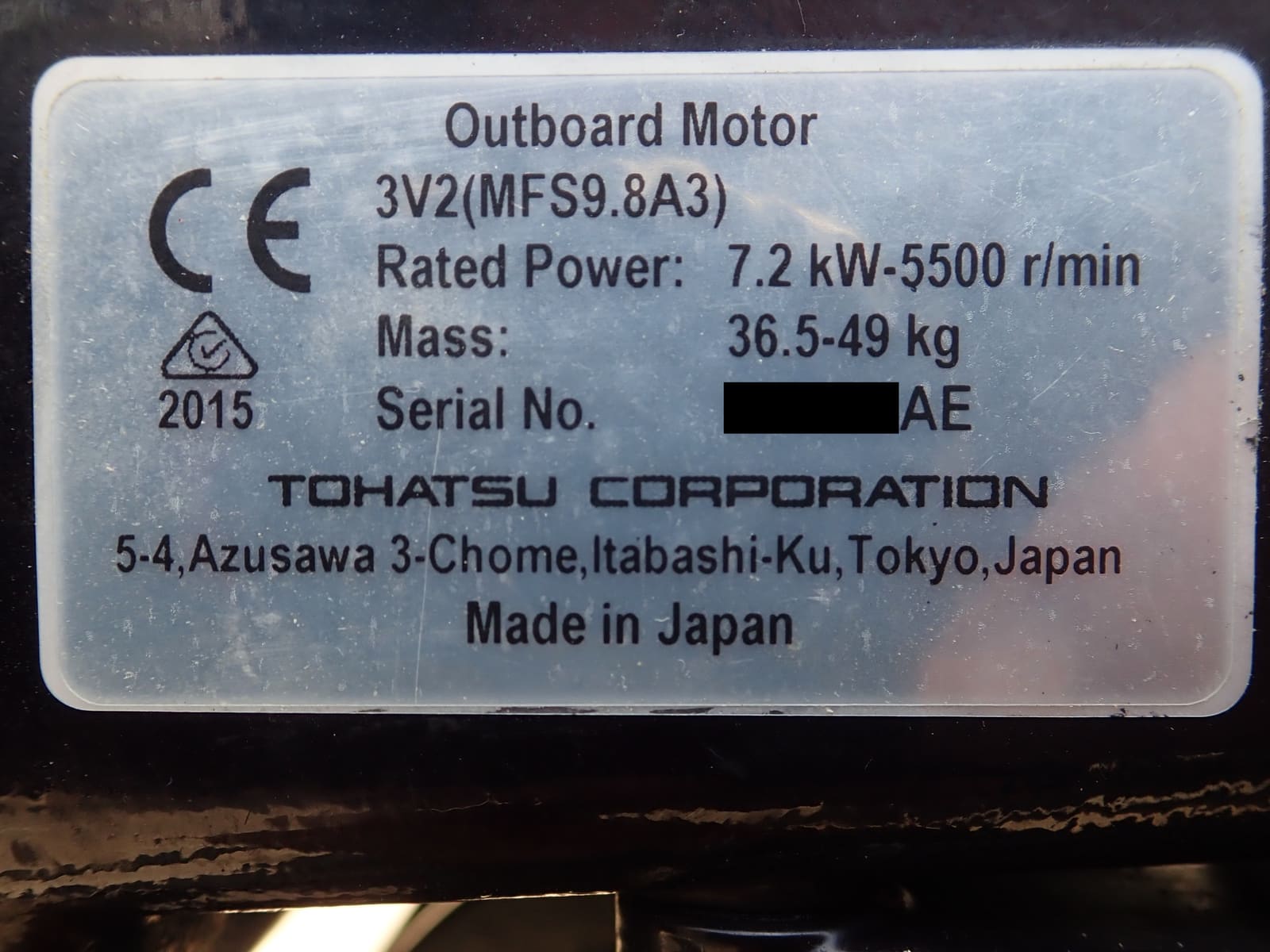
How to Find Your Engine's Serial Number, Model and Year (and Get the Official Manual)
Find the ID label on your outboard, sterndrive, inboard diesel or PWC, read the model and serial number correctly, tell it apart from the boat's HIN, and use it to open the free official owner's manual. It's the first step for ordering the right parts and following the right maintenance plan.
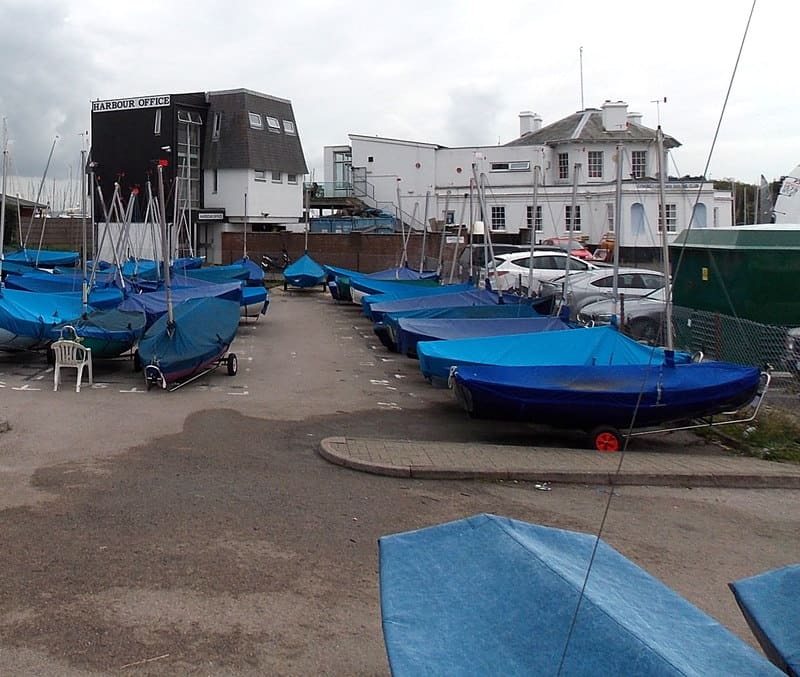
How to Fit, Support, Clean and Store a Boat Cover
Make your mooring or storage cover last for years by getting the fit right, supporting and venting it so water never pools, using a cover that's rated for the highway, cleaning and re-waterproofing it the right way, and fixing small tears before they grow.
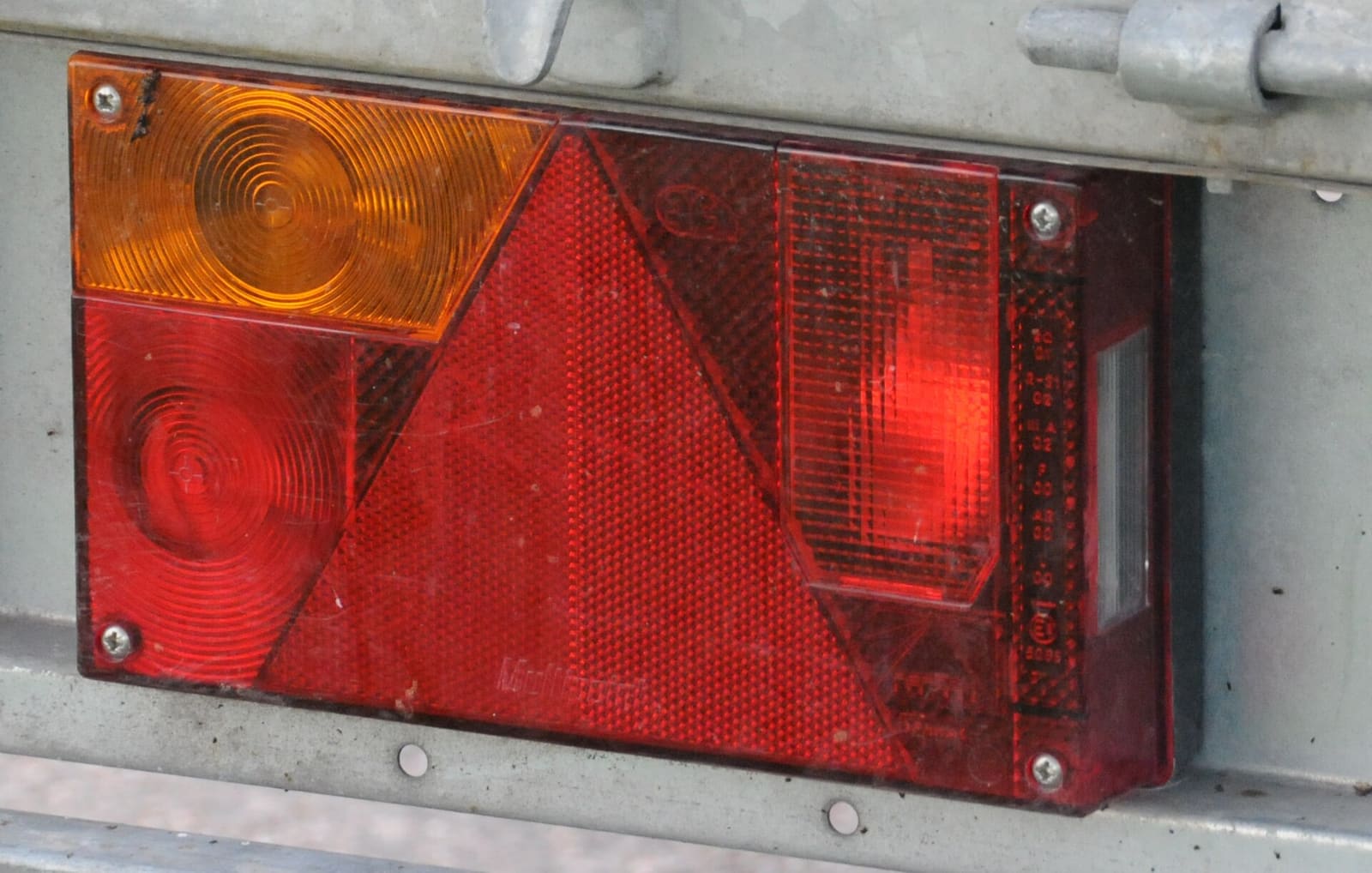
How to Fix Boat Trailer Lights That Flicker, Dim or Don't Work
Track down the real cause of dead or flickering trailer lights, from a bad ground to a corroded plug, and fix it so the repair lasts. Working brake, turn and tail lights are required by law and keep the driver behind you from rear-ending your boat.
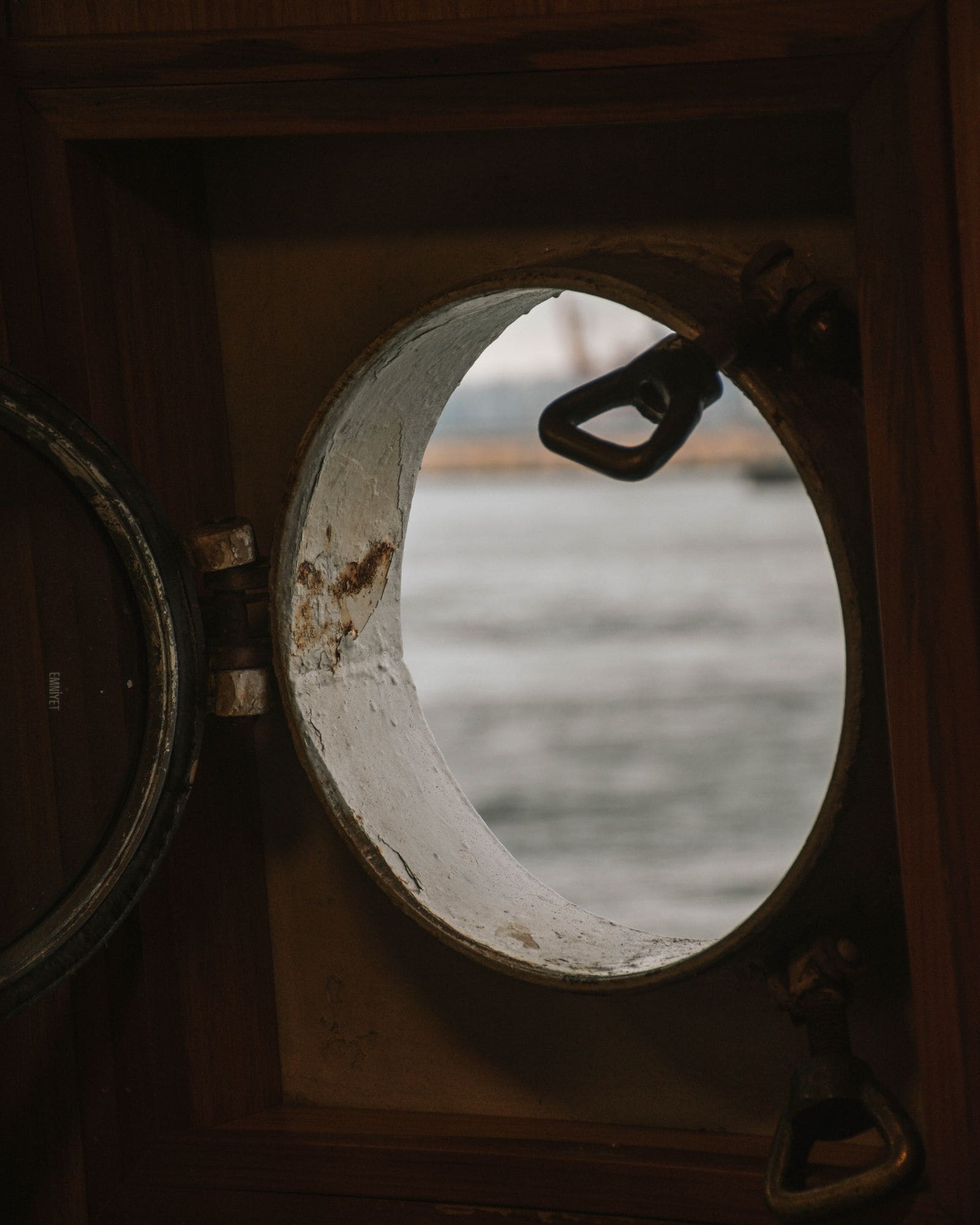
How to Fix Leaking Hatches and Portlights
Find out whether a leaking deck hatch or portlight is failing at the gasket, the lens or the frame, then fix it with the right seal or sealant. Learn when crazed or cracked acrylic needs a new lens and what never to put on plastic windows.

How to Flush an Engine While the Boat Stays in the Water
Boats kept in a saltwater slip, on a mooring or on a lift can't always use flush muffs. Learn how built-in outboard flush ports, sterndrive and inboard flush kits and flush-valve seacocks work, which engines can use them in the water, how to avoid back-flow and hydrolock, and a simple after-every-trip routine.
How to Fog an Engine for Storage
Coat the inside of your engine's cylinders with fogging oil before a long layup so rust does not form over the winter. Learn when fogging applies, how it differs for carbureted, fuel-injected and direct-injection engines, and why your maker's instructions come first.

How to Get Better Fuel Economy From Your Boat
Boat fuel is expensive, but most owners can stretch every gallon further without buying anything. Learn how to find your boat's most efficient cruise RPM, why a clean bottom, the right prop, good trim and less weight matter most, which tune-up items count, how fuel flow data helps, and which fuel-saving myths to ignore.

How to Get Rid of an Old Boat: Sell, Donate, Turn In or Scrap It the Right Way
An old boat nobody wants can cost you money for years. Learn your real options (selling as-is, donating, state vessel turn-in programs, landfill or dismantling), the tax rules on donations, how to cut your name off the registration and title, and why you should never abandon a boat.
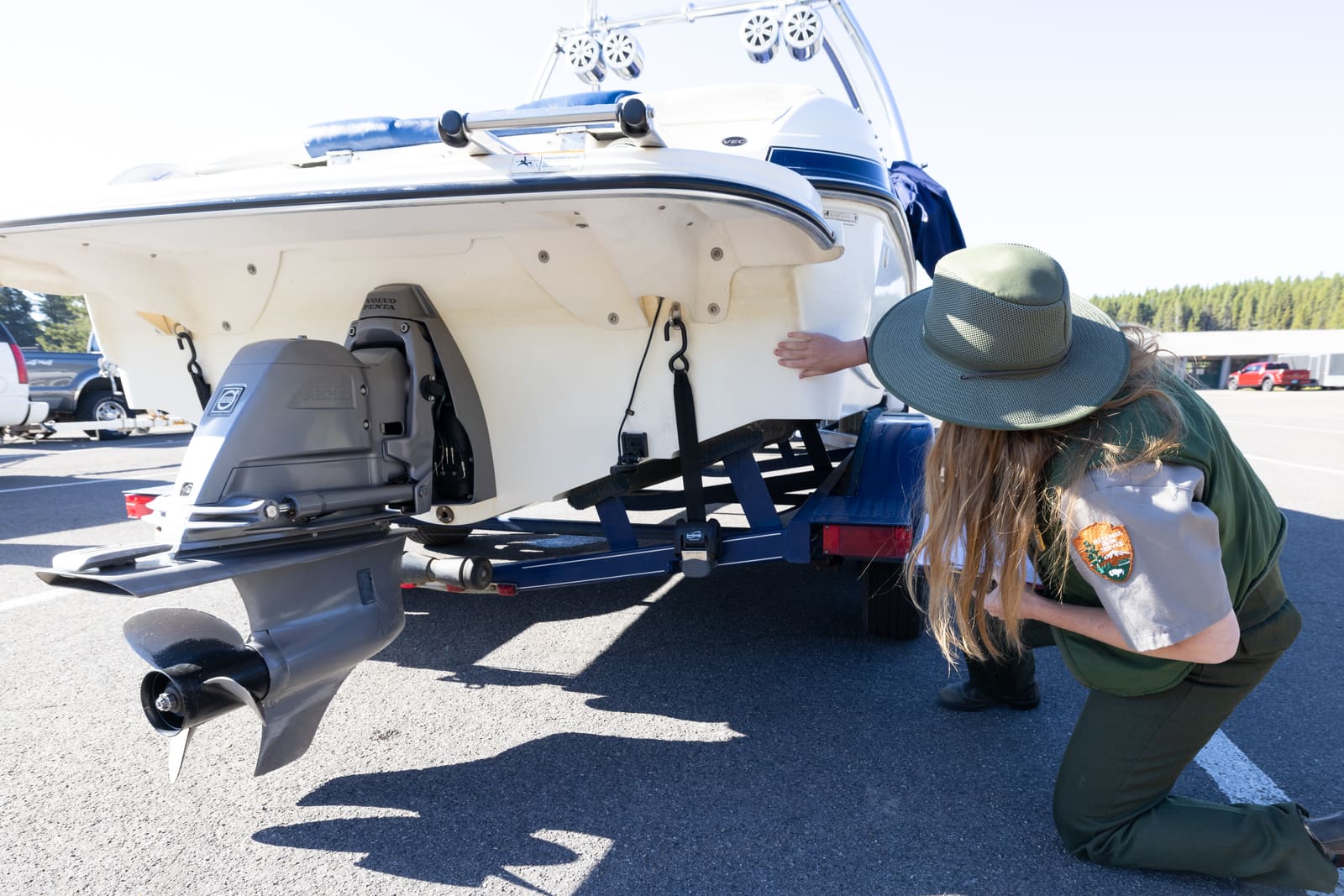
How to Get Through Aquatic Invasive Species Boat Inspection Stations
Many states, especially in the West, make you stop at an inspection station before you launch or when you cross the state line, to keep zebra and quagga mussels out. Learn what inspectors check, when they decontaminate, what decals, courses and seals you may need, and how to arrive clean, drained and dry so you're through fast.

How to Get Your Boat Ready to Sell (Records, Title and Prep)
Prepare your boat for sale the way buyers and surveyors expect: gather the title, registration and HIN paperwork, organize your maintenance records and receipts, fix the small stuff, detail the boat, get it ready for a sea trial and buyer's survey, and close the deal with the right documents.
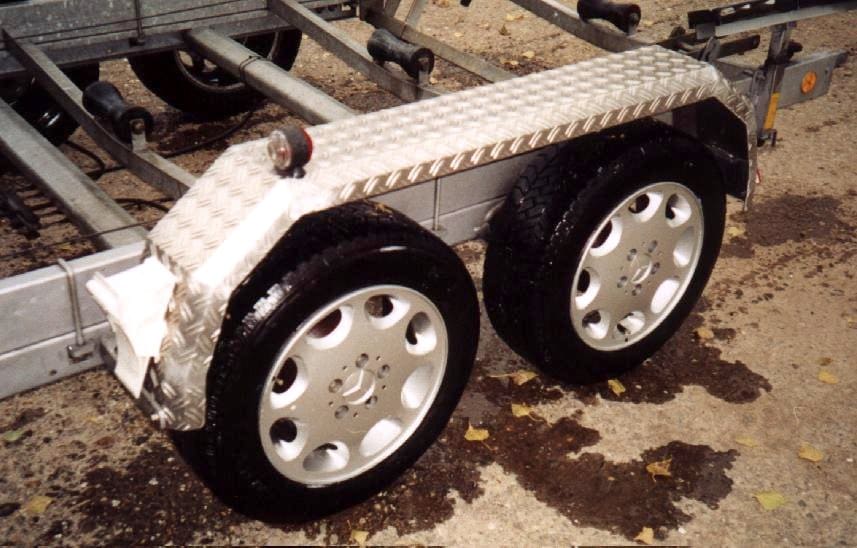
How to Identify Your Boat Trailer Axle and Order the Right Parts
Find your trailer's VIN plate and axle lot number, take the key measurements (hub face, spring centers), read the numbers on your bearings and seals, and figure out the brake and hub type, so the parts store sells you parts that actually fit.
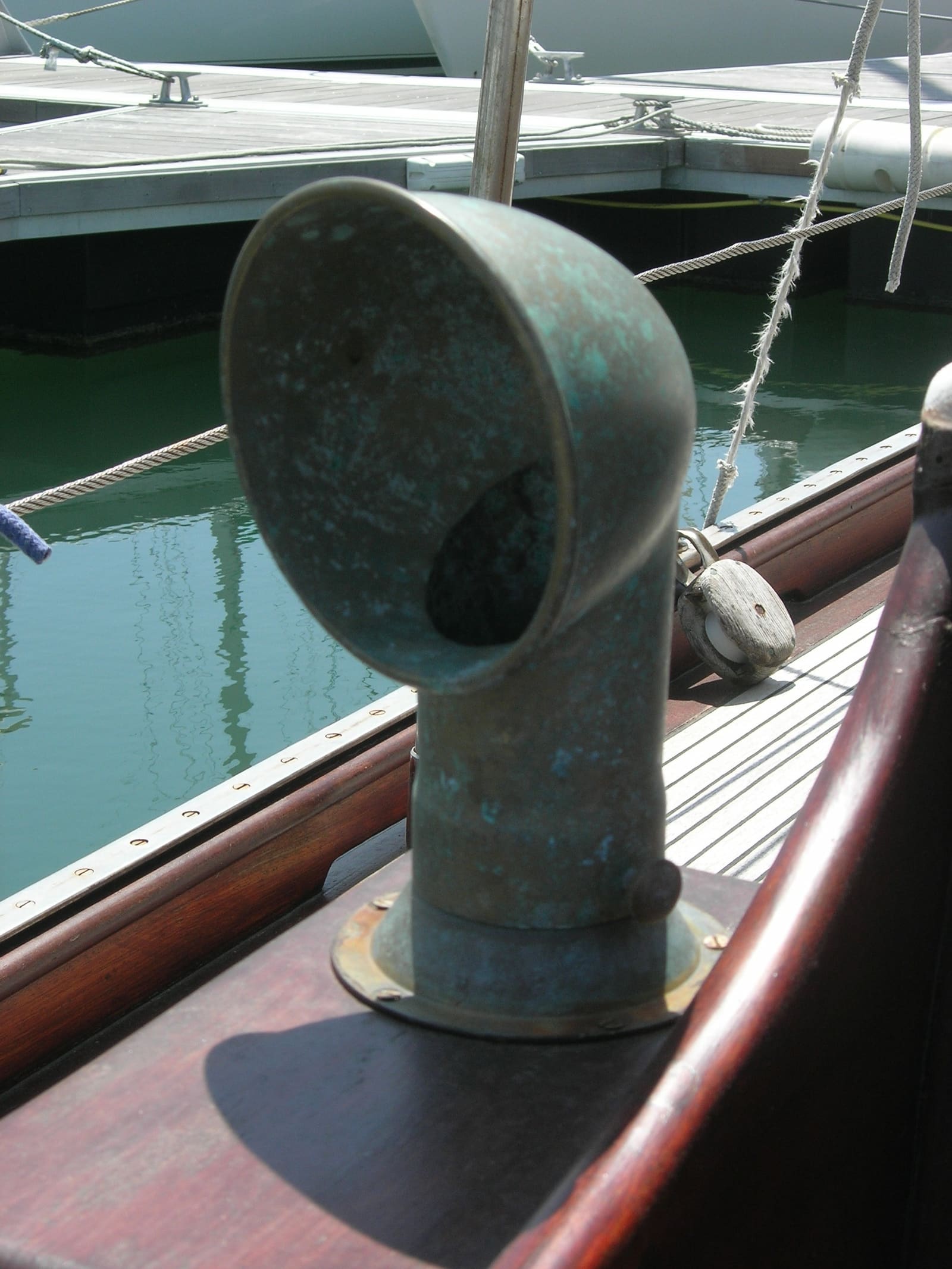
How to Improve Cabin Ventilation with Solar Vents, Dorades and Hatches
Moving air through a closed boat is the cheapest way to stop mold, mildew and musty smells. Learn how much air your cabin needs, where to put intake and exhaust vents, how solar vents and dorade boxes work, and how to add one without letting water in.
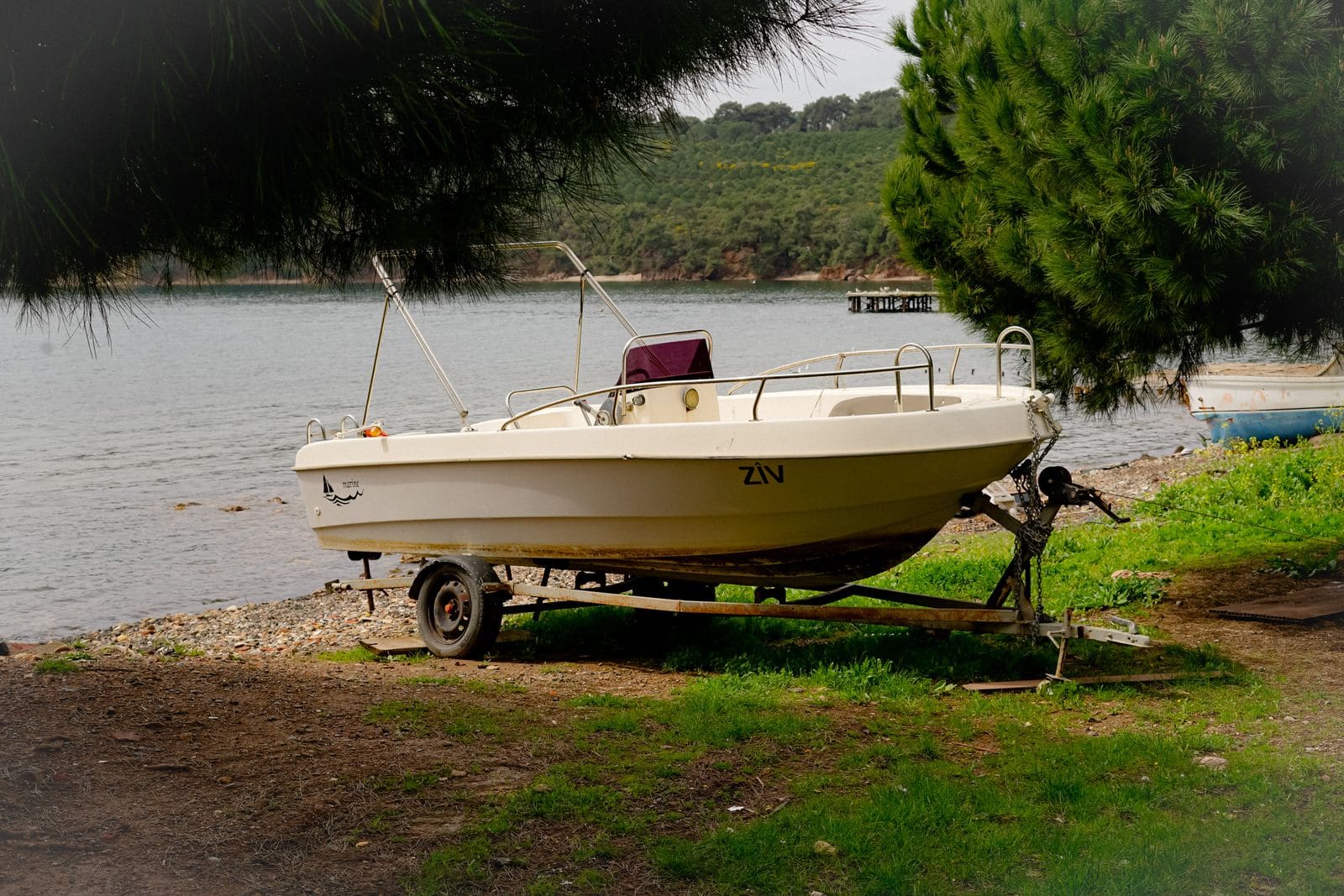
How to Inspect a Used Boat Before You Buy
A step-by-step checklist for looking over a used boat, from paperwork and the hull ID number to the transom, engine, compression test, sea trial and trailer. Know what to check yourself, what the red flags mean, and when to pay a marine surveyor.
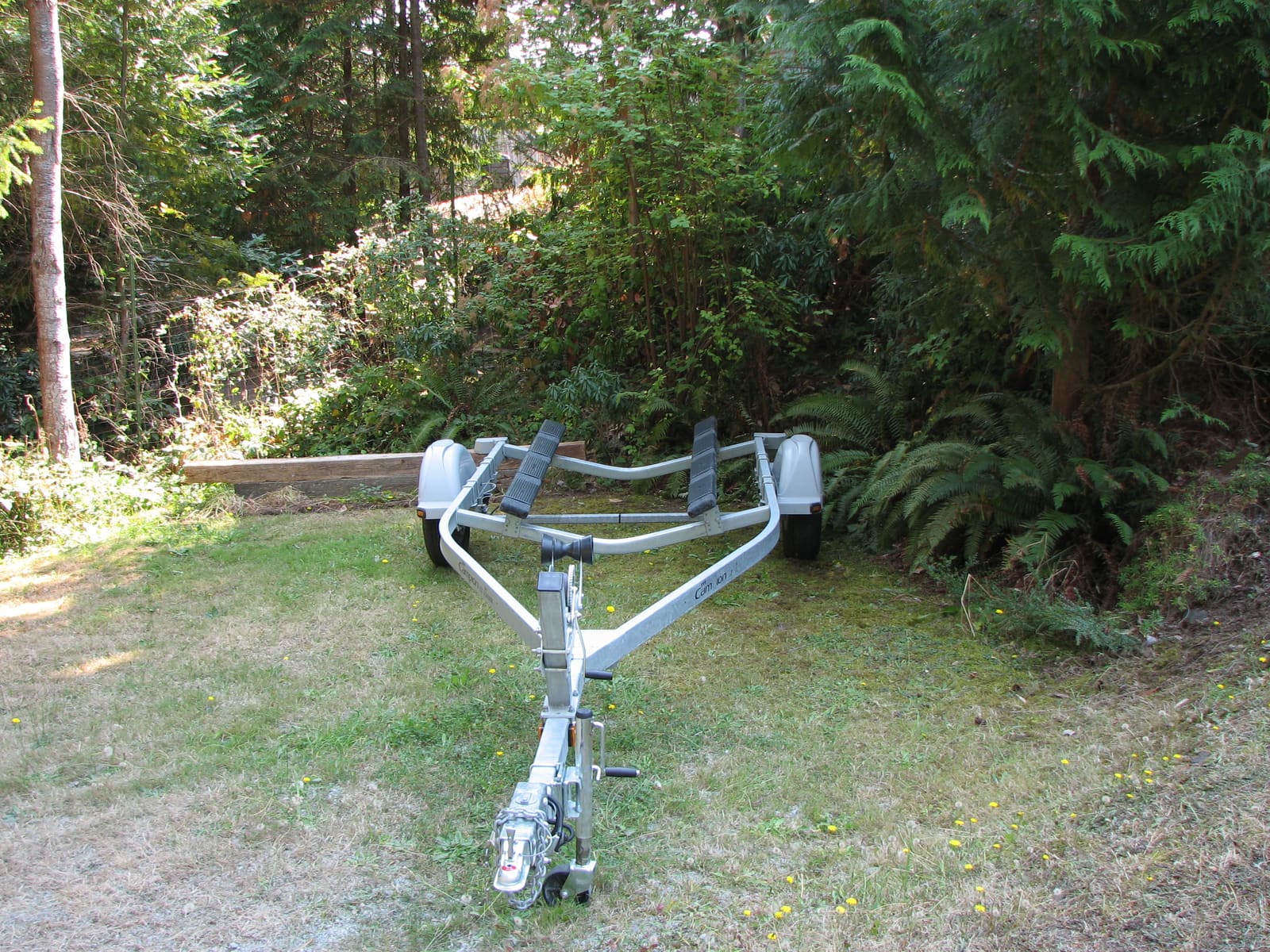
How to Inspect a Used Boat Trailer Before You Buy
A worn-out trailer can turn a good boat deal into hundreds or thousands in repairs, or a breakdown on the way home. Walk through the capacity plate and VIN, frame, axle and springs, hubs, brakes, tires, lights, coupler, winch and bunks, and the title paperwork before you hand over the money.
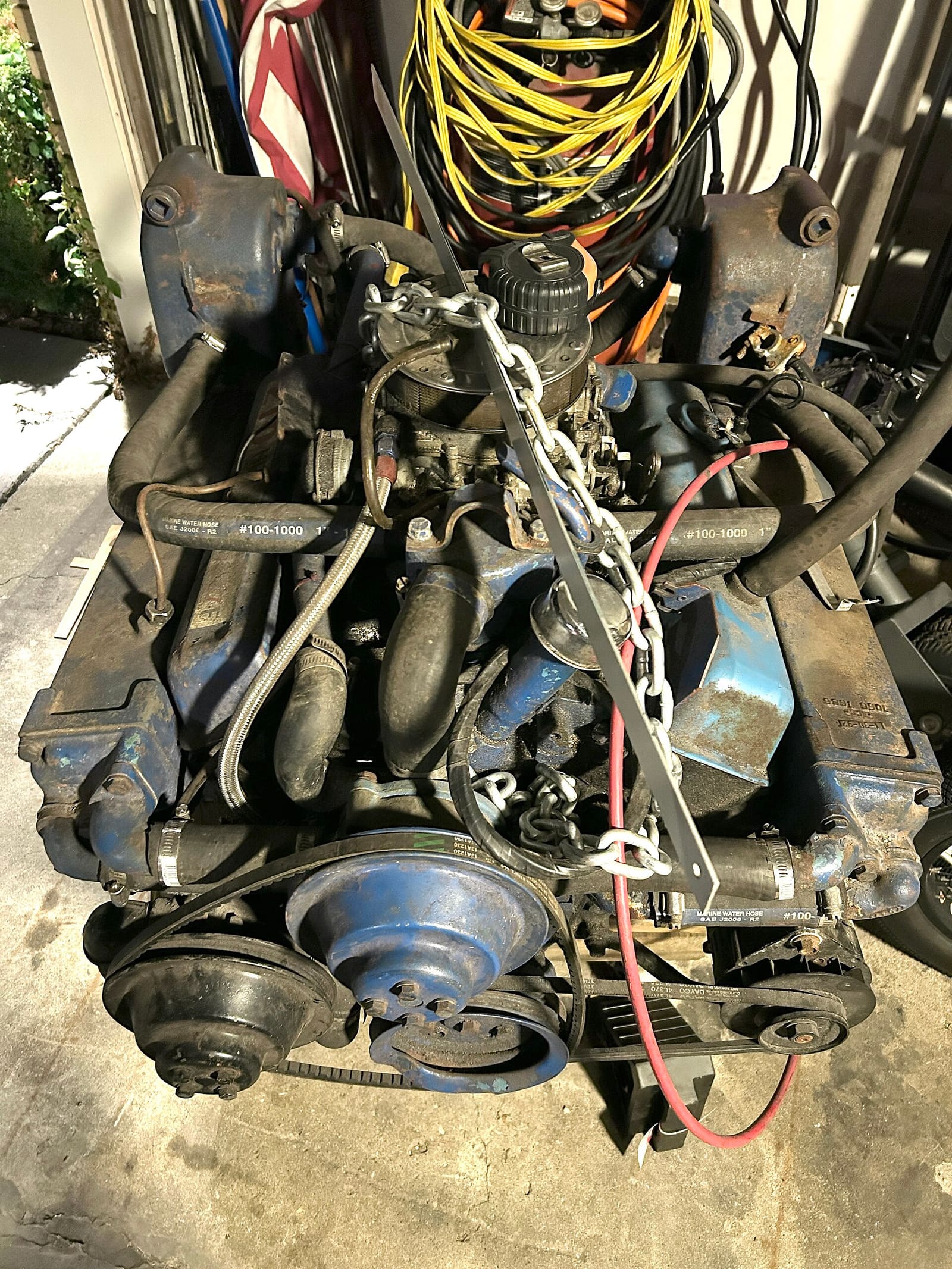
How to Inspect and Clean a Backfire Flame Arrestor
Every gasoline inboard and sterndrive engine must have a backfire flame arrestor to stop a backfire from setting the engine compartment on fire. Learn what the rules require, how to spot a clogged or damaged arrestor, how to clean it the way your engine maker allows, and why you must never run the engine without it.
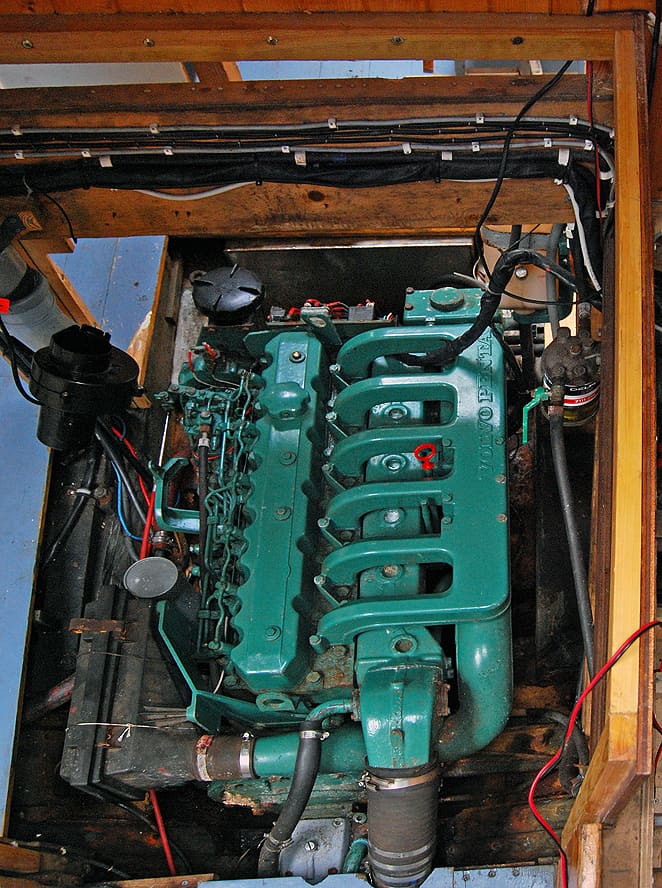
How to Inspect and Clean a Raw-Water (Sea) Strainer
The sea strainer is the cheap screen that keeps weeds, shells and plastic out of your engine, generator and A/C pumps. Learn how to clean it safely with the seacock closed, reseal the lid so it can't suck air, spot a cracked bowl before it floods the boat, and winterize it.
Safety: BoatMend is for information only and does not replace a certified marine technician. You are responsible for your safety and your boat. Read the full disclaimer.